Can You Lease a Golf Cart: Ultimate Guide to Smart Renting
Thinking about getting a golf cart but unsure if buying is the only option? What if you could enjoy all the benefits of a golf cart without the long-term commitment or high upfront cost?
Leasing a golf cart might be exactly what you need. You’ll discover how leasing works, the advantages it offers, and whether it fits your lifestyle and budget. Keep reading to find out if leasing a golf cart is the smart move for you.
Benefits Of Leasing A Golf Cart
Leasing a golf cart offers flexible payment options and lowers upfront costs. It allows easy access to newer models without long-term commitment. Maintenance is often included, reducing extra expenses.
Leasing a golf cart can offer a multitude of benefits, making it an appealing option for both avid golfers and those who need a convenient mode of transport in various settings. Whether you’re a regular on the greens or require a reliable vehicle for a large property or event, leasing could be the perfect solution. Let’s explore why leasing a golf cart might be a smarter choice than purchasing one outright.Cost Savings Compared To Buying
One of the most significant advantages of leasing a golf cart is the potential for cost savings. Buying a golf cart requires a substantial upfront investment, which might not be feasible for everyone. Leasing, on the other hand, often involves lower monthly payments, freeing up your finances for other needs. Consider the maintenance costs that come with ownership. When you lease, many agreements include maintenance services, sparing you unexpected repair bills. This can lead to significant savings over time.Access To Latest Models
Leasing provides the opportunity to experience the latest golf cart models without the commitment of ownership. Manufacturers frequently release new models with improved features, and leasing allows you to stay current with these advancements. Imagine cruising in a sleek, high-tech cart that boasts better battery life or innovative safety features. Leasing makes it easier to upgrade to newer models as they become available, ensuring you always have access to the best technology.Flexible Lease Terms
Flexibility is a key benefit when leasing a golf cart. Lease agreements can be tailored to suit your specific needs, whether you need a cart for a few months or several years. Consider your usage patterns. If your needs change, many leasing companies offer options to extend or shorten your lease term. This adaptability ensures you’re not stuck with a golf cart longer than necessary, making it a practical option for varying needs. Leasing a golf cart offers several advantages that can make your life easier and more enjoyable. Could leasing be the perfect fit for your golf cart needs?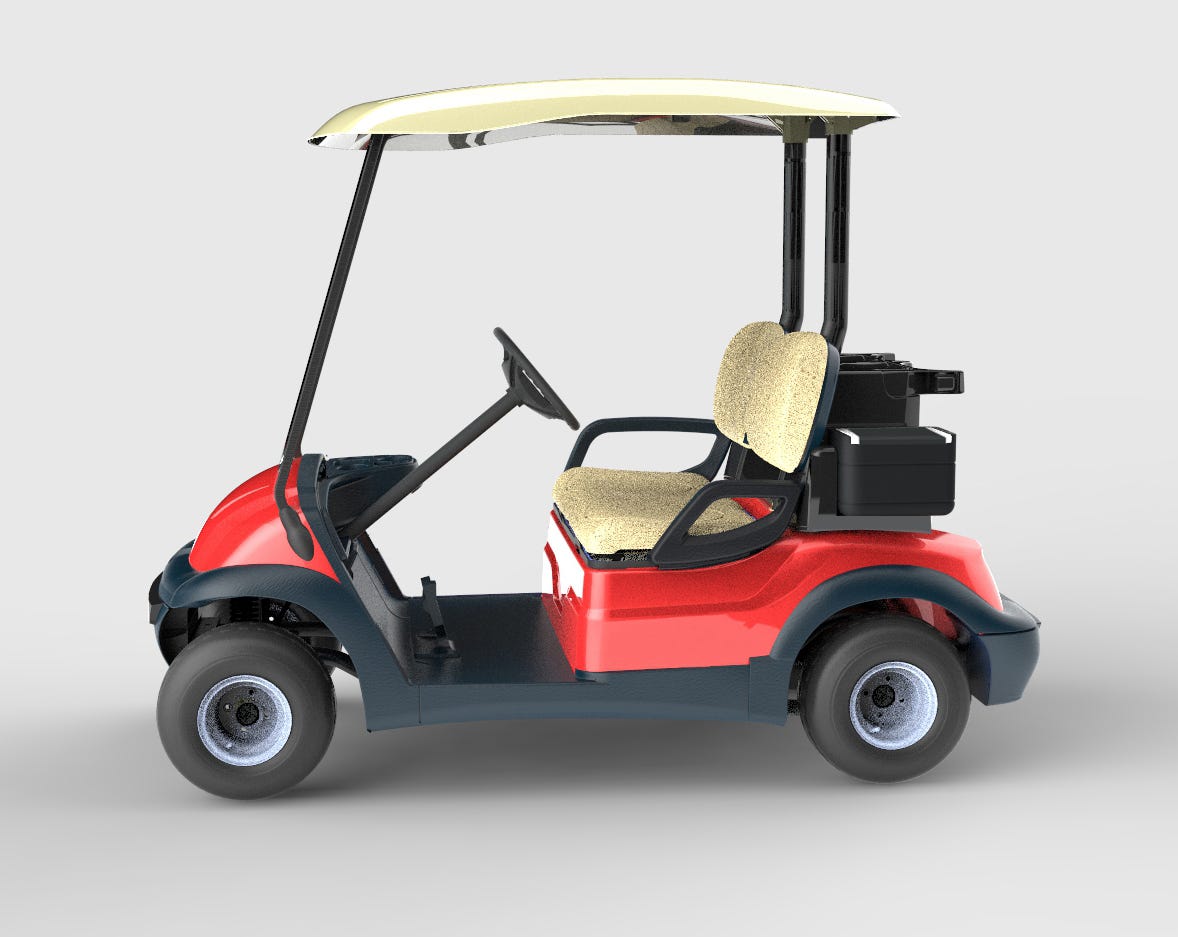
Credit: medium.com
Types Of Golf Cart Leases
Understanding the types of golf cart leases can help you choose the best fit for your needs and budget. Whether you need a cart for a weekend getaway or want to eventually own one, there’s a leasing option that matches your goals. Let’s break down the most common types so you can make an informed decision.
Short-term Leases
Short-term leases are perfect if you only need a golf cart for a limited time. Think of weekend trips, special events, or seasonal use. These leases typically last from a few days to a few months, giving you flexibility without a long-term commitment.
You might find that short-term leasing is more cost-effective than buying, especially if you don’t use a golf cart regularly. Plus, maintenance and repairs often come included, so you don’t have to worry about extra expenses during your lease period.
Long-term Leases
Long-term leases usually last from one to several years and suit those who want consistent access without ownership hassles. This option spreads out payments and often includes maintenance, making it easier to budget.
Imagine having a reliable golf cart for daily use in your community or at work without the upfront cost of buying. Long-term leases can also provide upgrade options, so you can switch to newer models as they become available.
Lease-to-own Options
Lease-to-own plans combine leasing with the possibility of ownership at the end. You make regular payments, and part of that money goes toward the purchase price. This option works well if you’re unsure about committing immediately but want to build equity in the cart.
Think of it as a trial period that leads to ownership if you decide the golf cart fits your lifestyle. It’s a smart way to test the waters without fully committing upfront, reducing financial risk while keeping options open.
Key Factors To Consider Before Leasing
Leasing a golf cart can be a smart choice for many. It offers flexibility without a large upfront cost. Before signing a lease agreement, consider several important factors. These will help ensure the lease fits your needs and budget. Understanding these points saves time and avoids surprises later.
Usage Frequency And Purpose
Think about how often you will use the golf cart. Is it for daily transportation, occasional fun, or work-related tasks? The frequency affects the type of lease and cost. Choose a lease that matches your usage to avoid paying for unused time. Also, clarify the cart’s purpose to select the right model and features.
Maintenance Responsibilities
Check who handles maintenance during the lease. Some leases include regular service, while others place responsibility on the lessee. Know what repairs and upkeep are your duty. Regular maintenance keeps the cart safe and efficient. Clarify these details to avoid extra charges or hassle.
Insurance And Liability
Understand insurance needs before leasing a golf cart. Some leases require you to carry insurance. This protects against damage, theft, or accidents. Know who is liable for injuries or damages during use. Clear terms on insurance and liability protect your finances and peace of mind.
How To Choose The Right Leasing Company
Choosing the right leasing company is key to a smooth golf cart lease. The company affects costs, service, and your overall experience. Focus on three main areas to make a smart choice. These will help you avoid surprises and get good value.
Reputation And Reviews
Check what others say about the company. Read online reviews and ratings carefully. Look for feedback on reliability and honesty. Ask friends or neighbors for recommendations. A well-known company often means trust and quality service.
Lease Agreement Terms
Read the lease agreement with care. Understand the length, monthly payments, and any extra fees. Check what happens if you want to end the lease early. Look for clear rules on maintenance and repairs. Knowing these details helps avoid hidden costs.
Customer Support
Good support matters during your lease period. Make sure the company answers calls and emails quickly. Check if they offer help with repairs or replacements. Friendly and fast service can save a lot of stress. It shows the company values its customers.
Cost Breakdown Of Leasing A Golf Cart
Understanding the cost breakdown of leasing a golf cart helps you make an informed decision. Leasing isn’t just about monthly payments; there are several expenses to consider before signing the agreement. Knowing these costs upfront can prevent surprises and help you budget effectively.
Upfront Fees
Leasing a golf cart usually requires some initial payment. This might include a down payment or an acquisition fee that covers the setup costs for your lease. These fees can range from a few hundred to over a thousand dollars, depending on the model and leasing company.
Think about your cash flow: can you afford this upfront cost? Sometimes, skipping a large down payment means higher monthly payments later. I once leased a golf cart with no upfront fee, but the monthly cost was noticeably higher, which affected my budget over time.
Monthly Payments
Your monthly lease payment is the most regular expense. It typically depends on the cart’s price, lease length, and your credit score. Most leases run from 12 to 36 months, and shorter terms mean higher monthly fees but less total interest.
Ask yourself what payment fits comfortably within your monthly budget. Does the leasing company include maintenance in this payment? Some providers offer all-inclusive plans, which can save you money and hassle later.
Additional Charges
Beyond upfront and monthly fees, other costs might appear during your lease. These include maintenance fees, insurance, and potential penalties for excessive wear or mileage limits. Not all leases cover repairs, so check who is responsible for battery replacement or tire wear.
- Maintenance and repair costs
- Insurance requirements
- Early termination fees
- Excess mileage or usage penalties
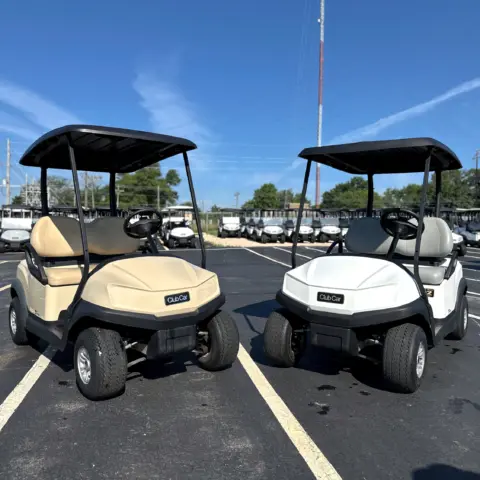
Have you considered how long you’ll actually keep the cart? Extra charges can add up if you decide to end the lease early or if you use the golf cart more than agreed. Being clear on these details saves you money and stress down the road.
Credit: mmgolfcars.com
Common Lease Agreement Clauses
Leasing a golf cart involves more than just picking your model and signing on the dotted line. The lease agreement contains important clauses that can affect your experience and costs. Understanding these details helps you avoid surprises and makes your lease smooth and fair.
Mileage Limits
Most golf cart leases set a mileage limit, which restricts how far you can drive the cart during the lease period. Going over this limit often means paying extra fees per mile. Think about how often and how far you plan to use the cart before agreeing to a mileage cap.
For instance, if the lease allows 1,000 miles but you regularly need to drive longer distances, the extra charges can add up quickly. Ask yourself: will the mileage limit fit your daily or weekend use?
Damage And Wear Policies
Lease agreements clearly state what counts as normal wear and what is considered damage. You are usually responsible for repairing any damage beyond ordinary wear and tear when you return the cart.
Some leases offer detailed checklists or require inspections before and after the lease. This protects both you and the lessor but means you need to keep the cart in good shape. Have you thought about how careful you can be to avoid costly damage fees?
Early Termination Fees
Ending a lease early can be expensive due to penalties or fees. These charges are designed to cover the lessor’s losses when you break the agreement before the term ends.
Before signing, check how much you would owe if your plans change and you need to return the cart early. Knowing this can save you from unexpected bills and help you decide if leasing is the right choice for your situation.
Tips For Smart Golf Cart Renting
Renting a golf cart can be a smart and flexible choice, whether you need it for a weekend getaway or a longer stay at a resort community. However, smart renting means paying close attention to the details before you sign any agreement. These tips will help you avoid surprises and get the best deal possible.
Inspect The Cart Thoroughly
Before you commit to a lease, take time to examine the golf cart carefully. Check the battery life, tires, brakes, and lights to ensure everything works smoothly. Don’t hesitate to test drive it to spot any unusual noises or handling issues.
Look for visible signs of wear or damage, like cracks in the body or rust on the frame. Ask the rental company about maintenance history—regular tune-ups can save you headaches. Remember, a well-maintained cart means fewer breakdowns and a better ride.
Negotiate Lease Terms
Lease agreements can vary widely, so don’t accept the first offer without negotiation. Ask about monthly fees, mileage limits, and any extra charges for maintenance or insurance. If you plan to rent for a longer period, request a discount or flexible payment plans.
Clarify what happens if the cart breaks down or needs repairs during your lease. Will you get a replacement? Who covers the costs? Clear answers here protect your wallet and peace of mind.
Plan For End-of-lease Options
Consider what you want to do once the lease ends. Can you buy the golf cart? Is there a penalty for early return? Knowing these options upfront helps you avoid last-minute stress.
Sometimes, leasing can be a trial before deciding to purchase. Use your rental period to evaluate if the golf cart fits your lifestyle and needs. If you decide not to keep it, make sure returning the cart is hassle-free and won’t cost you extra fees.

Credit: www.thevillagesgolfcars.com
Frequently Asked Questions
Can You Lease A Golf Cart For Personal Use?
Yes, you can lease a golf cart for personal use. Leasing offers flexibility and lower upfront costs compared to buying. It’s ideal for temporary needs or trying out different models before purchasing.
What Are The Typical Lease Terms For Golf Carts?
Lease terms usually range from 12 to 36 months. They include monthly payments, mileage limits, and maintenance responsibilities. Always review the lease agreement to understand all conditions clearly.
Is Leasing A Golf Cart Cheaper Than Buying?
Leasing often costs less upfront but may be more expensive long-term. It suits short-term use or budget constraints. Buying is better if you plan to use the cart for many years.
Can I Customize A Leased Golf Cart?
Customization options depend on the lease agreement. Some leases allow minor modifications, while others restrict changes. Always check with the leasing company before making any alterations.
Conclusion
Leasing a golf cart can be a smart choice for many people. It offers flexibility without a large upfront cost. You can enjoy a golf cart without long-term commitment. Leasing lets you try different models and features easily. It suits those who want convenience and low maintenance.
Always check lease terms carefully before deciding. Consider your budget and how often you’ll use the cart. A leased golf cart can fit many lifestyles well. Think about what works best for your needs.

Ethan Montgomery is the administrator of carweldhub.com and an expert in the automotive industry. With hands-on experience in welding and a deep understanding of automotive parts and accessories, Ethan brings a wealth of practical knowledge to his work. His passion for the automotive field extends to blog writing and editing, where he shares valuable insights and tips with enthusiasts and professionals alike. Whether you’re looking for detailed technical advice or the latest trends in automotive technology, Ethan’s expertise makes him a trusted resource in the automotive community.