Is a Golf Cart a Recreational Vehicle: Unveiling the Truth
Have you ever wondered if your golf cart counts as a recreational vehicle? You might be surprised by the answer and what it means for how you use and maintain your cart.
Whether you’re driving it around your neighborhood, taking it to a campground, or simply curious about the rules, understanding this can save you time, money, and hassle. Stick with me as we uncover the facts and clear up the confusion about golf carts and recreational vehicles.
You’ll get the full picture by the end of this article.

Credit: carts-and-parts.com
Golf Cart Basics
Golf carts can be considered recreational vehicles in many areas. They are mainly used for fun or short trips in communities or golf courses. Rules about their use and classification vary by location.
Golf carts are fascinating vehicles that often spark the question: Are they just for the golf course, or can they be considered recreational vehicles? Understanding the basics of golf carts can help you decide how they fit into your life. Whether you’re a golf enthusiast or someone looking for a fun way to get around, knowing what makes a golf cart tick is essential.Key Features
Golf carts are typically compact, electric or gas-powered vehicles. They usually have seating for two to four passengers and are equipped with simple controls, making them easy to drive. Safety features like seat belts and headlights are becoming more common, especially in models designed for neighborhood or street use. The design is straightforward, focusing on functionality and ease of use. Many carts include a small cargo area, perfect for transporting golf clubs or groceries. Some even come with customizable options, allowing you to personalize your cart with different colors and accessories.Common Uses
While golf carts are synonymous with golf courses, their uses extend far beyond the green. In many communities, they serve as a convenient way to run errands or travel short distances, especially in areas with golf cart-friendly roads. They are also popular in resorts, retirement communities, and large properties where walking might be cumbersome. I’ve personally enjoyed using a golf cart during a beach vacation. It was a fun and efficient way to explore the area without the hassle of parking a car. Have you ever thought about using a golf cart for more than just golfing? It might be more versatile than you think!Recreational Vehicle Criteria
Understanding whether a golf cart qualifies as a recreational vehicle depends on clear criteria. These criteria help separate golf carts from other vehicles designed for leisure or travel. Knowing what defines a recreational vehicle clarifies the classification and legal status of golf carts.
Legal Definitions
Recreational vehicles, or RVs, have specific legal definitions. Usually, laws describe an RV as a motor vehicle built for temporary living. It must include features like sleeping, cooking, or bathroom facilities. These definitions vary by state or country but share common elements. Golf carts generally do not meet these legal requirements. They lack permanent living amenities and are not built for extended travel. This distinction is crucial for legal and registration purposes.
Typical Rv Characteristics
Most recreational vehicles share common traits. They have living spaces with beds, kitchens, and bathrooms. RVs are designed for road travel and camping. They often include storage for personal belongings and utilities like water and electricity. Golf carts, by contrast, are smaller and simpler. They are mainly for short distances and do not have living quarters. Their design focuses on transport within limited areas such as golf courses or gated communities.
Comparing Golf Carts And Rvs
Golf carts and recreational vehicles (RVs) serve different roles but share some similarities. Both provide a way to travel and enjoy outdoor spaces. Understanding their differences helps clarify whether a golf cart fits the RV category.
Size And Design
Golf carts are small and compact. They typically seat two to four people. Their design focuses on short trips and easy maneuvering in tight spaces.
RVs are much larger. They come in various sizes, from small camper vans to large motorhomes. RVs have living spaces like kitchens, bathrooms, and beds. Their design supports long trips and extended stays.
Functionality And Purpose
Golf carts mainly transport people on golf courses or short distances. They have limited speed and range. Some are electric, making them quiet and eco-friendly.
RVs provide mobile living quarters. They allow travel and accommodation in one vehicle. RVs include amenities for cooking, sleeping, and hygiene. They enable extended travel with comfort and convenience.
Legal Status Of Golf Carts
The legal status of golf carts varies widely across the United States. These vehicles are simple, slow, and often electric, but their use on public roads depends on specific laws. Understanding these rules helps avoid fines and ensures safe driving. Most states do not classify golf carts as traditional recreational vehicles. Instead, many treat them as low-speed vehicles or special-use vehicles with unique regulations.
State And Local Regulations
Each state sets its own rules for golf cart use. Some allow golf carts only on golf courses and private property. Others permit limited use on public roads, usually with speed limits of 20 to 35 mph. Local governments may add restrictions or allow golf carts in certain neighborhoods or communities. These rules often depend on road types and safety features like seat belts or headlights.
Registration And Licensing
Registration requirements differ by state and community. Some areas require golf carts to be registered with the motor vehicle department. Others do not require registration but may need a special permit. Drivers often must have a valid driver’s license to operate a golf cart on public roads. Insurance rules also vary, with some places requiring coverage similar to cars.
Golf Carts In Recreation
Golf carts have become a common sight beyond just golf courses. Their role in recreation has expanded, making them more than just simple vehicles for getting around. Understanding how golf carts fit into recreational activities can help you see their value in new ways.
Leisure Activities
Golf carts are perfect for more than just the game of golf. They provide a fun and easy way to explore large outdoor spaces during leisure time.
Think about family outings at parks or beach resorts where walking long distances can be tiring. A golf cart lets you move comfortably, keeping everyone energized and ready for more fun.
Have you ever used a golf cart to transport picnic gear or sports equipment? It turns a potentially heavy load into a simple task, allowing you to focus on enjoying your day.
Golf Courses And Beyond
While golf courses remain the primary setting for golf carts, their use extends well beyond the greens.
Many communities use golf carts for neighborhood travel, especially in retirement areas or resort towns where short trips are common.
Event organizers also rely on golf carts to move staff and supplies quickly across large venues. This practical use highlights their versatility in recreational settings.
Could your next weekend activity benefit from a golf cart? Whether for convenience or fun, these vehicles open up new possibilities for how you spend your free time.
Benefits Of Using Golf Carts
Golf carts offer many benefits beyond just transporting players around a course. They provide a simple, efficient way to move short distances. These small vehicles help reduce physical strain and save time. Many people use golf carts for recreation and practical purposes in communities and resorts.
Environmental Impact
Golf carts often run on electricity, producing no direct emissions. This makes them cleaner than gas-powered vehicles. They use less energy and create less noise pollution. Many communities prefer golf carts to reduce their carbon footprint. Using golf carts helps protect green spaces and local wildlife.
Cost And Maintenance
Golf carts cost less than cars or trucks. They require less fuel or electricity to operate. Maintenance is simple and cheaper than traditional vehicles. Parts are easy to replace, and repairs are straightforward. Lower operating costs make golf carts affordable for many users.
Future Trends
Looking ahead, the question of whether a golf cart qualifies as a recreational vehicle is evolving alongside new trends. These changes are driven by advances in technology and shifting legal frameworks. Understanding these future trends can help you make smarter choices about using and owning golf carts.
Technological Advancements
Golf carts are no longer simple vehicles for the golf course. They now come with electric powertrains that run cleaner and quieter, making them more eco-friendly. Some models even feature smart technology like GPS navigation, Bluetooth connectivity, and automated safety systems.
Battery improvements mean longer rides without recharging. Imagine taking your golf cart on a neighborhood cruise or a short errand without worrying about power. This pushes golf carts closer to the capabilities of traditional recreational vehicles.
Have you thought about how these tech upgrades could change your daily routine? They offer practical benefits beyond the golf course, potentially transforming how you view and use your golf cart.
Evolving Legal Perspectives
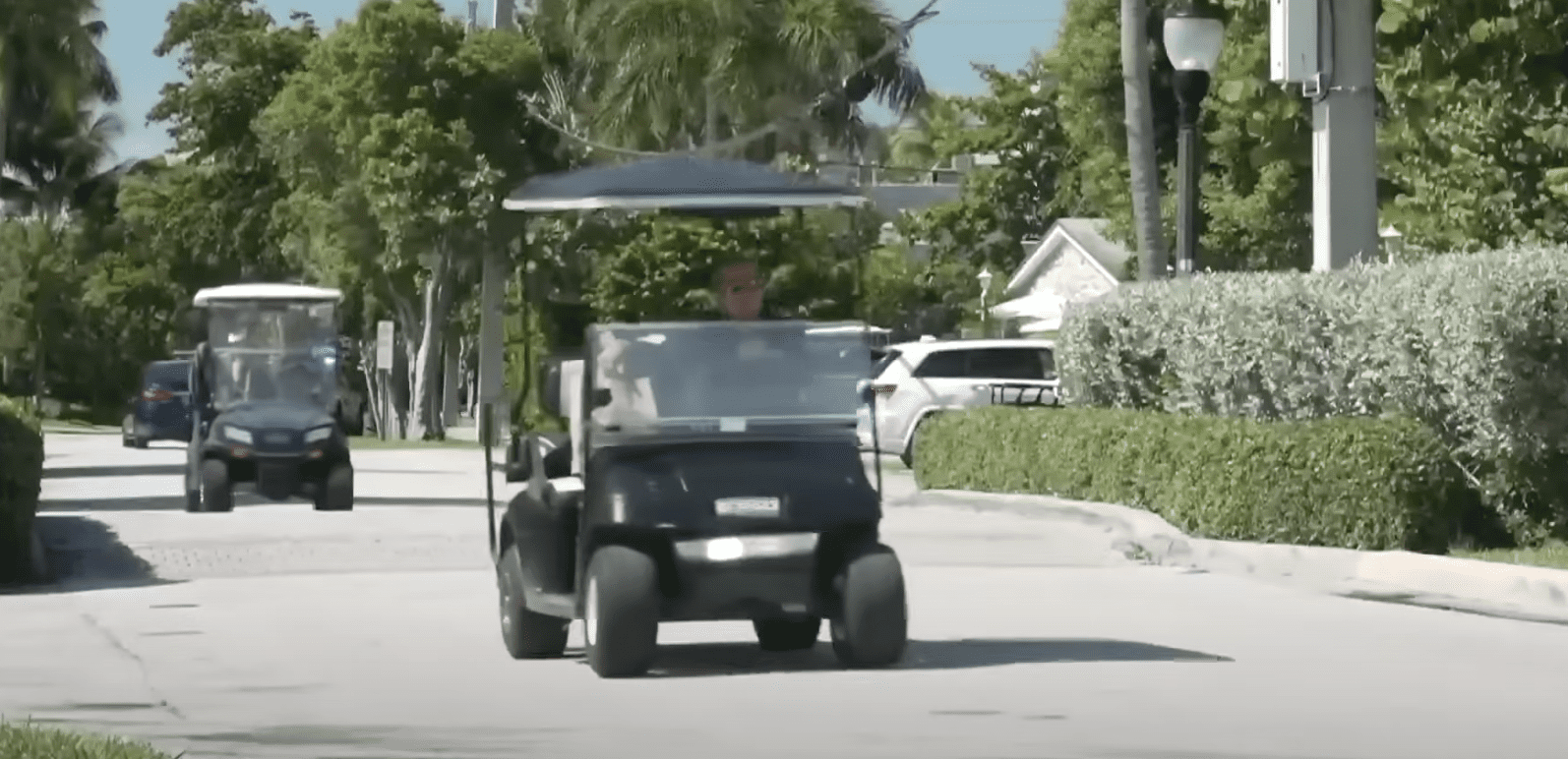
The legal status of golf carts is shifting as more people use them outside golf courses. Some states and cities are adjusting regulations to allow golf carts on public roads, but often with speed limits and safety requirements. This blurs the line between golf carts and recreational vehicles.
Licensing, insurance, and equipment standards are also being reviewed to keep pace with these changes. You might soon need a different type of license or insurance policy depending on where and how you use your golf cart.
Are you aware of your local laws regarding golf cart use? Staying informed can save you from unexpected fines or restrictions as regulations adapt to new realities.

Credit: www.yahoo.com
Credit: sfl.media
Frequently Asked Questions
What Defines A Golf Cart As A Recreational Vehicle?
A golf cart is considered a recreational vehicle because it is used mainly for leisure activities. It typically operates at low speeds. Its design suits short-distance travel on private properties, golf courses, or communities, fitting the general definition of an RV.
Can Golf Carts Be Legally Driven On Public Roads?
Golf cart road legality varies by location. Many places allow golf carts on public roads with speed limits under 35 mph. Some require special permits or safety features. Always check local laws before driving a golf cart on public streets.
Are Golf Carts Classified The Same As Motorhomes?
No, golf carts are not classified as motorhomes. Motorhomes are larger, equipped with living accommodations. Golf carts are smaller vehicles designed for short trips and recreational use, lacking the amenities of motorhomes.
What Safety Features Must A Golf Cart Have?
Safety features often required include seat belts, headlights, turn signals, and mirrors. Some areas mandate these for road use. These features improve safety and help golf carts comply with local vehicle regulations.
Conclusion
Golf carts share some traits with recreational vehicles. They provide fun and easy transport on certain paths. Yet, they lack many features of full recreational vehicles. This makes them different in use and rules. Knowing these differences helps you use golf carts safely and legally.
Choose the right vehicle for your needs. Enjoy your ride, whether on a golf course or a quiet road. Understanding the facts makes your experience better and safer.

Ethan Montgomery is the administrator of carweldhub.com and an expert in the automotive industry. With hands-on experience in welding and a deep understanding of automotive parts and accessories, Ethan brings a wealth of practical knowledge to his work. His passion for the automotive field extends to blog writing and editing, where he shares valuable insights and tips with enthusiasts and professionals alike. Whether you’re looking for detailed technical advice or the latest trends in automotive technology, Ethan’s expertise makes him a trusted resource in the automotive community.