What to Wear for Snowmobiling: Essential Gear for Ultimate Warmth
Getting ready for snowmobiling? Knowing exactly what to wear can make all the difference between a thrilling ride and an uncomfortable one.
You want to stay warm, dry, and safe, but it’s easy to get overwhelmed by all the gear options out there. Imagine feeling cold and wet halfway through your adventure—no fun at all. This guide will help you choose the right clothes so you can focus on the excitement ahead.
Keep reading to discover the key pieces you need to enjoy every moment on the snow.
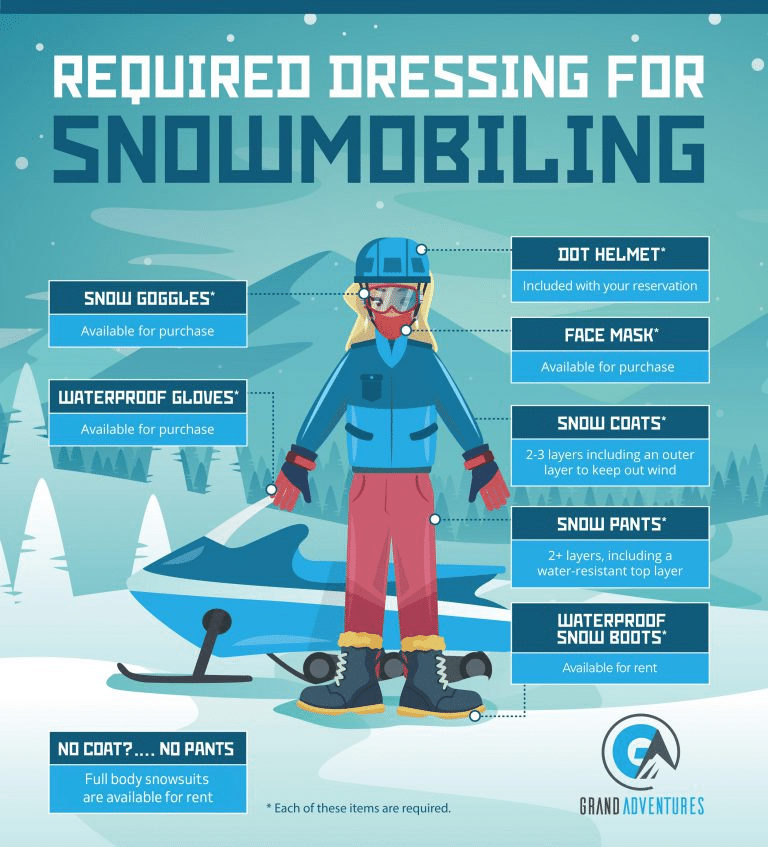
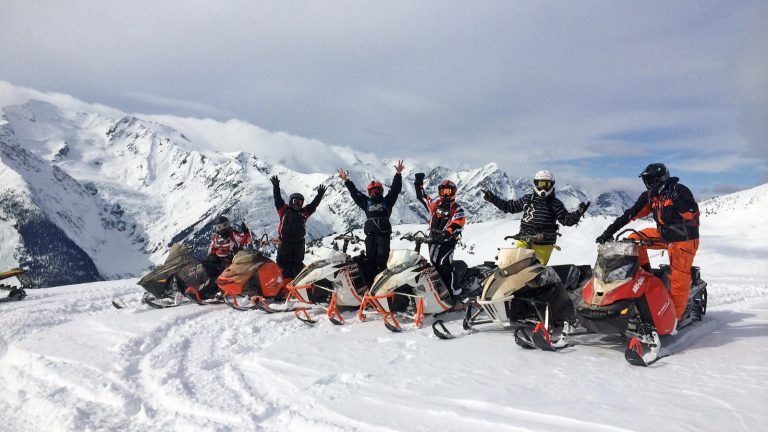
Credit: grandadventures.com
Key Clothing Layers
Snowmobiling demands the right clothing to stay warm and dry. Proper clothing layers ensure comfort and safety on your snowy adventure. Understanding the key layers is crucial for an enjoyable experience.
Base Layers For Moisture Control
Start with moisture-wicking base layers. These keep sweat away from your skin. Choose materials like merino wool or synthetic fibers. They dry quickly and provide warmth. Avoid cotton as it retains moisture. This can make you cold.
Insulating Middle Layers
The middle layer traps body heat. Fleece or down jackets are great choices. They provide warmth without bulk. Ensure they fit comfortably over your base layer. This layer is crucial for maintaining body heat.
Protective Outer Layers
Your outer layer shields against wind and snow. Look for waterproof and windproof jackets and pants. GORE-TEX materials offer excellent protection. Ensure your gear is breathable to let moisture escape. This keeps you dry and comfortable.
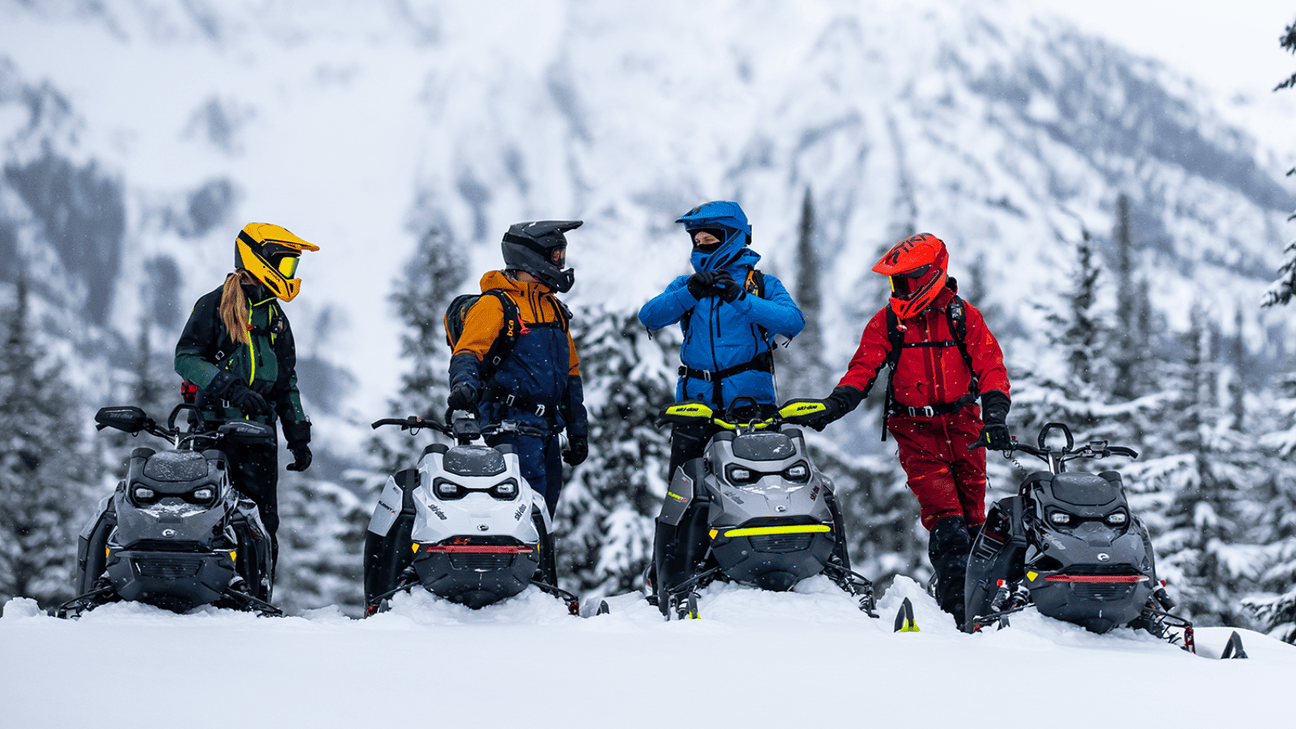
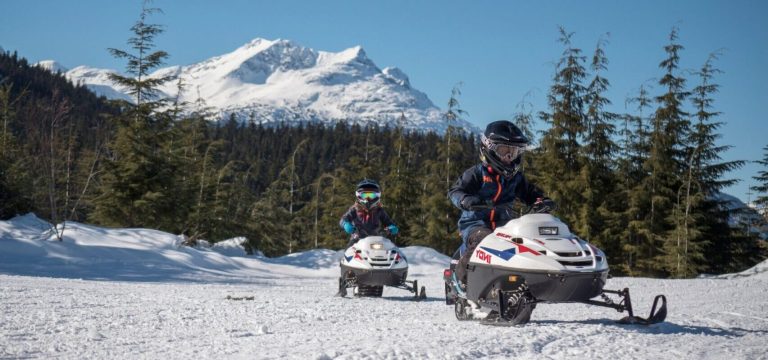
Credit: skidoooutlet.com
Choosing The Right Jacket
Choosing the right jacket for snowmobiling is key to staying warm and dry. The jacket protects you from cold winds, snow, and moisture. It also keeps your body temperature steady during long rides. Picking a jacket with the right features helps you enjoy your adventure comfortably.
Waterproof And Windproof Features
A jacket must stop water and wind from getting inside. Look for materials that repel rain and snow. Sealed seams prevent water from leaking through stitching. Windproof fabric blocks cold air, keeping warmth inside. These features protect you from harsh weather on the trail.
Breathability Importance
Breathability allows sweat to escape from your body. This prevents moisture buildup inside the jacket. Moisture can make you feel cold and uncomfortable. Jackets with breathable fabrics keep you dry and fresh. Look for options with vents or mesh liners for better airflow.
Insulation Types
Insulation traps heat to keep you warm. Common types include down and synthetic fills. Down is lightweight and very warm but loses warmth when wet. Synthetic insulation works well even if damp. Choose insulation based on the typical weather you face. Layering with a good jacket helps adjust to temperature changes.
Pants And Bibs
Pants and bibs are essential pieces of gear for snowmobiling. They protect your legs and lower body from cold, wind, and wet conditions. Choosing the right ones can make your ride more enjoyable and safe.
Material And Durability
Look for pants and bibs made from tough, abrasion-resistant fabrics like nylon or polyester. These materials withstand rough trails and accidental scrapes against branches or ice. Reinforced knees and seat areas add extra durability where wear is most likely.
Have you ever had your gear rip mid-ride? That’s a clear sign you need stronger material. Investing in durable pants saves you from unexpected tears and cold discomfort.
Fit And Comfort
Your pants or bibs should fit snugly but allow freedom of movement. Too tight, and you’ll feel restricted; too loose, and cold air can sneak in. Adjustable waistbands, suspenders, and articulated knees help you customize the fit perfectly.
Think about how you move while snowmobiling—sitting, bending, twisting. Pants that flex with your body keep you comfortable throughout the day. Have you tested your gear’s mobility before hitting the trail?
Water Resistance
Snowmobiling often means riding through wet snow and slush, so water resistance is key. Look for pants and bibs with waterproof coatings or membranes like Gore-Tex. Sealed seams further prevent moisture from seeping in.
Without proper water resistance, your gear quickly becomes soaked, leading to cold and discomfort. How long do you want to stay dry and warm on your ride? Choosing water-resistant pants answers that question clearly.
Essential Accessories
Essential accessories can make or break your snowmobiling experience. They protect you from harsh weather and keep you comfortable for hours on the trail. Choosing the right accessories ensures you stay warm, safe, and focused on the ride, not the cold.
Gloves And Mittens
Cold hands can ruin your day fast. Pick gloves or mittens that offer insulation and waterproofing. Mittens usually keep fingers warmer because they share heat, but gloves provide better dexterity.
Look for options with reinforced palms and adjustable cuffs to keep snow out. Some riders swear by heated gloves for extra warmth. Have you ever tried battery-powered gloves? They can change how long you stay out on the snow.
Headwear And Helmets
Your head loses a lot of heat, so a good helmet and headwear combo is crucial. Helmets must fit snugly and offer ventilation to prevent fogging. Pair your helmet with a moisture-wicking balaclava or neck gaiter to protect your face from windburn.
Consider helmets with built-in communication systems or visors for added convenience. Do you prefer a full-face helmet or an open-face with goggles? Your choice affects both warmth and visibility on the trail.
Socks And Footwear
Cold feet can distract you more than cold hands. Use thick, moisture-wicking socks made from wool or synthetic fibers to keep feet dry. Avoid cotton socks because they trap moisture and cause cold feet.
Your boots should be insulated, waterproof, and provide good ankle support. Some riders add heated insoles for extra comfort. Have you checked if your boots fit well with the socks you plan to wear? Proper fit prevents blisters and improves circulation.
Safety And Visibility Gear
Safety and visibility gear is essential when you’re snowmobiling, especially since conditions can change quickly and visibility may drop without warning. Wearing the right gear not only protects you but also helps others spot you on the trails. This can make the difference between a safe ride and a dangerous situation.
Reflective Elements
Adding reflective elements to your outfit boosts your visibility in low light or snowy conditions. Jackets, pants, gloves, and helmets with reflective strips catch headlights and trail lights, making you stand out. I once rode at dusk and noticed how easily I could spot others because of their reflective gear—it’s a simple addition that pays off big.
Look for gear with built-in reflective panels or add reflective tape yourself. Bright colors combined with reflectivity work best to ensure you’re seen from all angles.
Protective Padding
Snowmobiling can be rough, and falls or collisions happen. Protective padding in key areas like shoulders, elbows, knees, and back helps reduce injury risk. Some snowmobile suits come with built-in padding, but you can also wear separate pads under your clothes for extra protection.
Think about where you’re most vulnerable and choose gear that covers those spots without restricting your movement. Comfort and protection should go hand in hand to keep you riding longer and safer.
Emergency Equipment
Carrying emergency equipment is a must. A small first-aid kit, a whistle, and a GPS locator or phone with a fully charged battery can save your life if you get lost or injured. I once had to help a rider who didn’t have any emergency gear—it made me realize how crucial it is to be prepared.
Pack these items in an easily accessible part of your gear. You never know when you might need quick access to help, so don’t let your safety gear become a burden.
Credit: www.upnorthsports.com
Tips For Staying Warm
Staying warm while snowmobiling is key to enjoying the ride. Cold air and fast speeds can quickly chill the body. Proper clothing and smart adjustments keep the cold out and comfort in. Here are some essential tips to help you stay warm on the trail.
Layering Strategies
Layering helps trap heat and lets you adjust to changing weather. Start with a moisture-wicking base layer to keep skin dry. Add an insulating middle layer for warmth. Finish with a waterproof and windproof outer shell to block cold wind and snow.
- Choose synthetic or wool fabrics for base and middle layers.
- Use a fleece or down jacket as your middle layer.
- Pick a durable outer jacket with vents for airflow control.
Managing Sweat And Moisture
Sweat can make you colder fast. Good ventilation prevents moisture buildup. Avoid cotton, which holds moisture and chills the skin. Use breathable gear and remove layers if you start sweating. Dry clothes help maintain warmth throughout the day.
Adjusting Gear On The Trail
Cold conditions can change quickly. Adjust your layers to stay comfortable. Open vents or unzip jackets to cool down. Put on extra layers when stopping or resting. Keep gloves and boots snug but not tight for proper blood flow and warmth.
Frequently Asked Questions
What Is The Best Clothing For Snowmobiling?
Wear waterproof, insulated layers for warmth and dryness. Use thermal base layers, a durable snowmobile jacket, and snow pants. Don’t forget gloves, a helmet, and insulated boots for full protection.
How To Stay Warm While Snowmobiling?
Layer your clothing starting with moisture-wicking base layers. Add insulating mid-layers and a windproof, waterproof outer layer. Use heated gloves or hand warmers for extra warmth on cold rides.
Should I Wear A Helmet When Snowmobiling?
Yes, always wear a helmet for safety. It protects your head from impacts and cold wind. Choose a helmet with good ventilation and a face shield for clear vision.
Can I Wear Regular Winter Clothes Snowmobiling?
Regular winter clothes may not be ideal. Snowmobiling needs specialized gear that resists wind, water, and cold. Proper snowmobile clothing enhances comfort, safety, and mobility during rides.
Conclusion
Dressing right makes snowmobiling safe and fun. Wear warm layers to stay comfortable. Choose clothes that block wind and water well. Don’t forget gloves, boots, and a good helmet. These keep you protected from cold and injury. Always check weather before heading out.
Proper gear helps you enjoy every ride. Stay warm, stay safe, and enjoy the snow!

Automotive Specialist & Expert Writer
Tyler Kingston is a passionate automotive writer with a wealth of knowledge in all things cars. With years of experience in the automotive industry, Tyler specializes in everything from vehicle maintenance to the latest car technologies and innovations. He is known for his ability to break down complex automotive concepts into easily digestible, engaging content for both novice and experienced car enthusiasts. Whether it’s detailing car repair techniques, reviewing new car models, or diving into the world of auto accessories, Tyler’s articles provide valuable insights to readers. His hands-on experience, combined with a genuine love for cars, allows him to deliver expert advice, tips, and news that keeps readers coming back for more.