How Many Ball Joints Does My Car Have: Essential Guide Revealed
Have you ever wondered how many ball joints your car actually has? Understanding this simple part can save you from costly repairs and keep your ride smooth and safe.
Ball joints play a crucial role in your car’s suspension, but most drivers don’t know much about them. You’ll discover exactly how many ball joints are under your car, why they matter, and how to spot when they need a fix.
Keep reading—you’ll be surprised how easy it is to protect your car and yourself once you know the basics.

Credit: www.counterman.com
Role Of Ball Joints
Ball joints play a crucial role in your car’s suspension and steering systems. They act as pivot points, allowing different parts of the suspension to move smoothly while keeping the wheels firmly connected to the vehicle. Understanding their role helps you appreciate why maintaining them is essential for safe driving and vehicle performance.
Function In Suspension
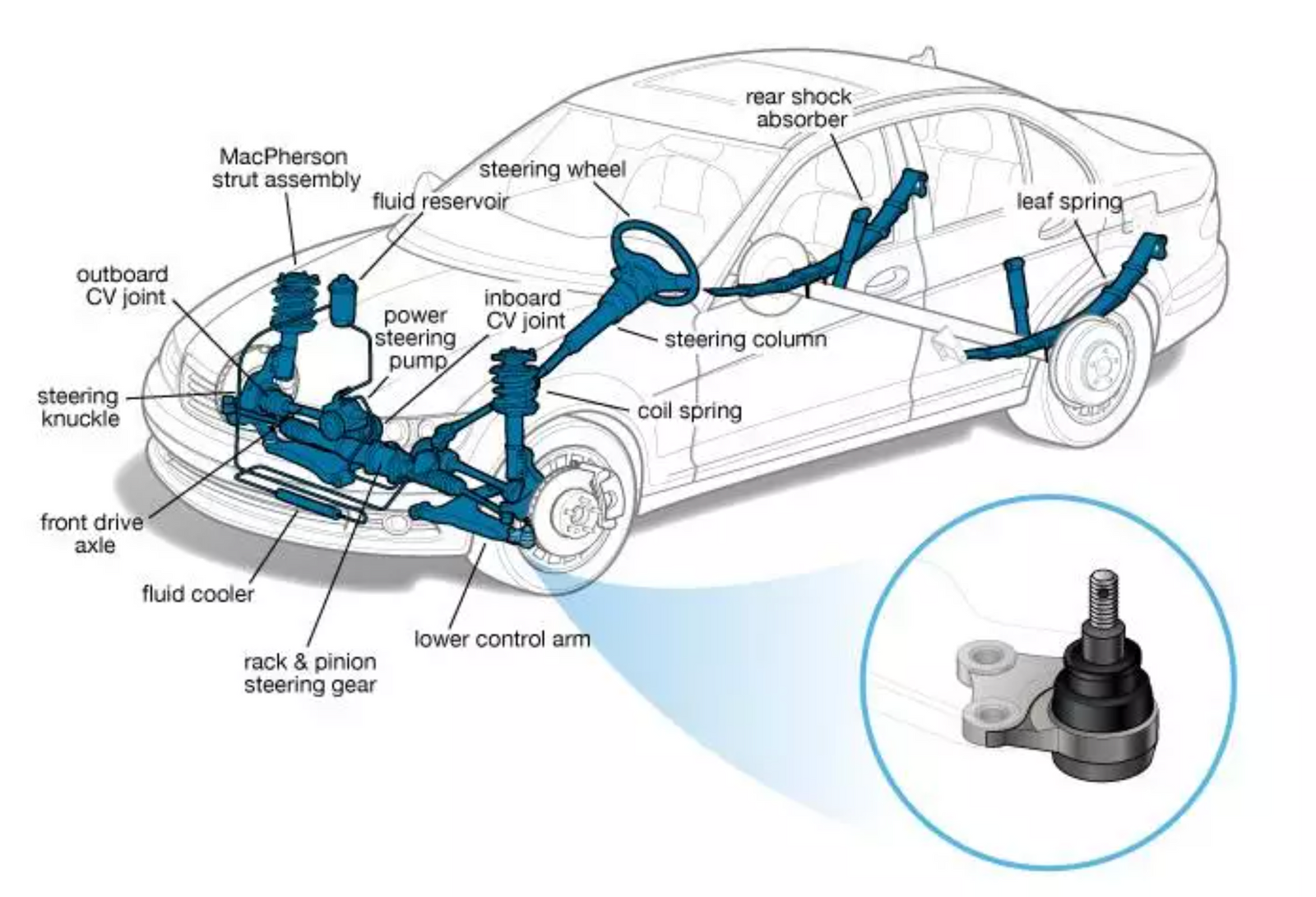
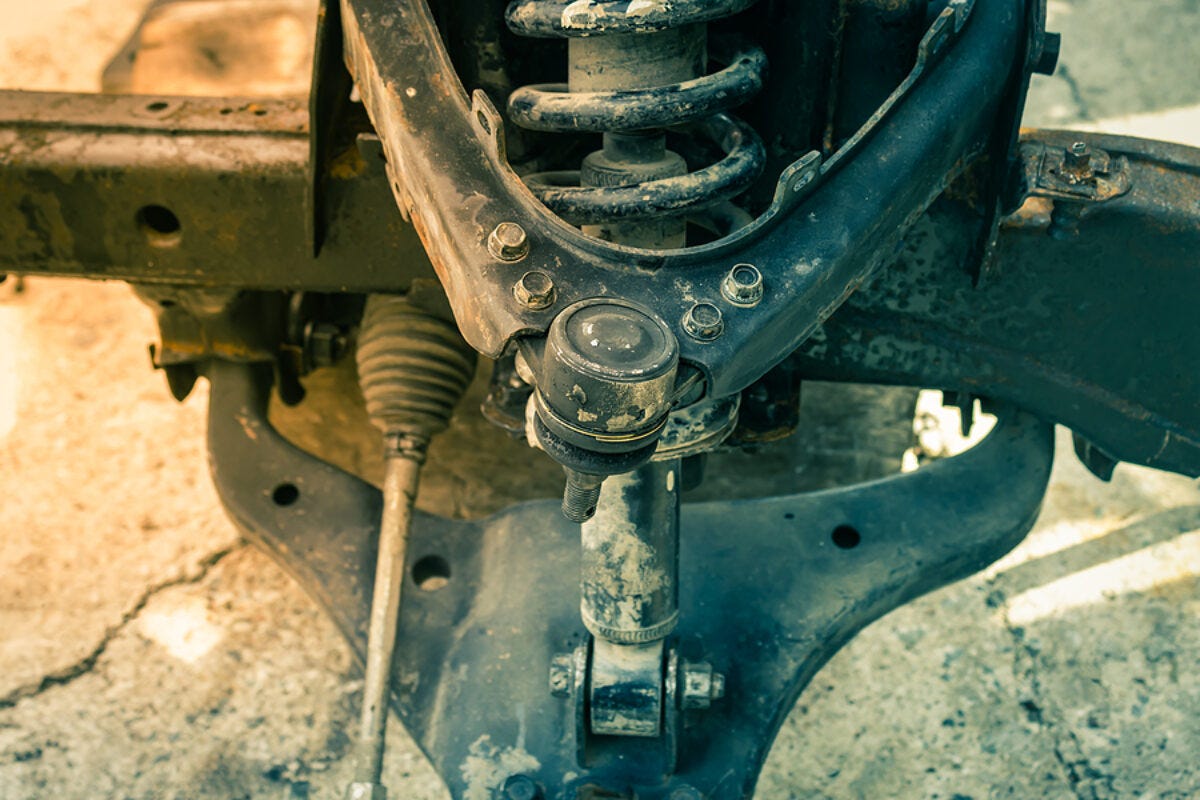
Ball joints connect the control arms to the steering knuckles, enabling the up-and-down movement of the suspension as you drive over bumps or uneven surfaces. This movement helps absorb shocks, providing a smoother ride and protecting other suspension components from damage.
If your ball joints wear out, you might notice clunking noises or uneven tire wear. Have you ever felt your car handle bumps roughly? It could be a sign that the ball joints are failing and need checking.
Impact On Steering
Ball joints also allow the front wheels to turn left and right, making steering possible. They provide the flexibility needed for precise wheel alignment and smooth directional changes.
Worn ball joints can cause your steering to feel loose or cause the vehicle to pull to one side. Have you ever struggled to keep your car straight on the road? This might be the ball joints losing their grip, affecting your control behind the wheel.
Typical Ball Joint Count
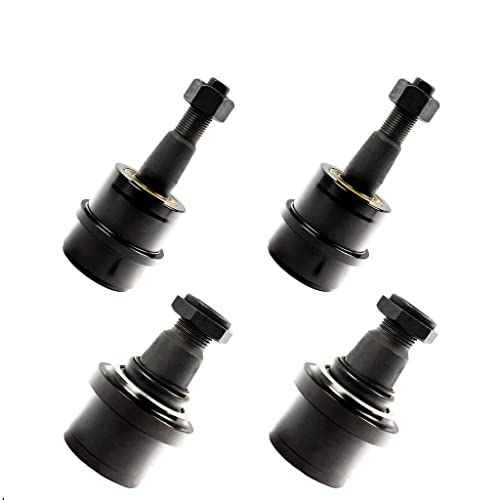
Most cars have four ball joints, two on each front wheel. Some vehicles with rear suspension may have additional ball joints. These joints help the wheels move smoothly and support steering and suspension functions.
Understanding how many ball joints your car has can be a bit puzzling, but it’s crucial for maintaining smooth rides and safe travels. Typically, a vehicle’s ball joint count depends on its suspension setup and whether it’s a front-wheel drive, rear-wheel drive, or all-wheel drive. Knowing the typical ball joint count can help you better manage maintenance schedules and anticipate future repairs.Front Suspension Ball Joints
Most cars have two to four ball joints in the front suspension. Vehicles with independent front suspension usually have an upper and a lower ball joint on each side. These ball joints are crucial for connecting the wheel hub to the rest of the suspension, allowing for a full range of motion while steering. If you’ve ever experienced a clunking noise while making a turn, it could be a sign that one of these ball joints needs attention. Regular inspections by a professional can prevent unexpected surprises on the road.Rear Suspension Ball Joints
In contrast to the front, rear suspension ball joints are less common, especially in vehicles with a solid rear axle. However, independent rear suspensions do have them, typically one per wheel. These ball joints contribute to a smoother ride by allowing the wheels to move independently over uneven surfaces. If you drive a car with an independent rear suspension, it’s a good idea to know whether your rear ball joints are in good shape. Listening for unusual noises or feeling any instability while driving can be a helpful indicator. Understanding your car’s ball joint setup is more than just a technical detail; it’s about ensuring safety and maximizing performance. Have you checked your ball joints lately? Taking a closer look might just save you a headache down the road.Variations By Vehicle Type
Ball joints are crucial components that connect the control arms to the steering knuckles, allowing your car’s suspension to move smoothly. However, the number of ball joints varies depending on the type of vehicle you drive. Understanding these differences can help you maintain your car better and spot potential issues before they become costly repairs.
Sedans And Hatchbacks
Sedans and hatchbacks usually have two ball joints per front wheel—an upper and a lower one. This setup offers a balance between comfort and control, suitable for everyday driving and city roads.
Rear wheels on these vehicles often don’t have ball joints, especially if they use a solid axle or simpler suspension design. So, most sedans and hatchbacks will have around four ball joints in total.
Suvs And Trucks
SUVs and trucks tend to have more robust suspension systems to handle heavier loads and rougher terrain. Many models feature two ball joints per front wheel, similar to sedans, but some also include ball joints on the rear suspension.
This means you could find anywhere from four to eight ball joints on these vehicles. If you often drive off-road or carry heavy cargo, checking these ball joints regularly is vital to avoid unexpected failures.
Sports Cars And Performance Vehicles
Sports cars and performance vehicles usually have more complex suspension setups designed for precision and agility. They often use multiple ball joints in both front and rear suspensions to enhance handling and stability.
It’s not unusual for these cars to have six or more ball joints, sometimes with additional ones for adjustable suspension components. If you enjoy spirited driving, keeping these ball joints in top shape can make a noticeable difference in how your car responds.
Signs Of Ball Joint Wear
Recognizing the signs of ball joint wear early can save you from costly repairs and keep your car safe on the road. Ball joints connect the control arms to the steering knuckles, allowing smooth movement and steering. When they start to wear out, your car will show clear signals that shouldn’t be ignored.
Noises And Vibrations
One of the first signs you might notice is unusual noises coming from your vehicle’s suspension. You could hear clunking or knocking sounds, especially when going over bumps or making sharp turns. These noises often mean the ball joints are loose or worn out.
Vibrations in the steering wheel while driving at higher speeds can also indicate ball joint problems. If your steering feels shaky or less responsive, it’s a good idea to check your suspension system right away. Ignoring these vibrations could lead to further damage and unsafe driving conditions.
Handling Issues
Have you felt your car pulling to one side or noticed uneven tire wear? These are classic signs of ball joint wear affecting your vehicle’s alignment. Worn ball joints can cause your wheels to move out of proper alignment, leading to poor handling.
Another handling issue is a loose or wandering steering feel. If your car doesn’t respond sharply or you need to constantly correct your steering, worn ball joints could be the cause. Addressing these issues early helps maintain control and improves your driving experience.
Ball Joint Maintenance
Keeping your car’s ball joints in good shape is crucial for safe driving and smooth handling. These small but vital parts link the suspension and steering systems, so their condition directly affects your vehicle’s performance. Regular maintenance can help you spot issues early and avoid costly repairs.
Inspection Tips
Check your ball joints every 12,000 miles or at least once a year. Look for signs like uneven tire wear, clunking noises when turning, or a loose feeling in the steering wheel. These symptoms often point to worn ball joints.
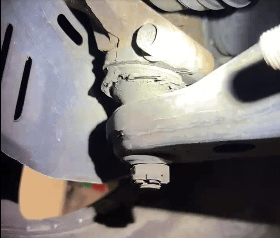
You can also do a simple visual check: lift the car and shake the wheel side to side and up and down. If you feel excessive play or see grease leaking from the ball joint boot, it’s time to take a closer look.
Don’t forget to listen while driving. Strange noises over bumps or during turns can be early warning signs. Catching these signs early prevents damage to other suspension parts.
Replacement Guidelines
Replace ball joints if you notice any looseness, torn boots, or excessive wear during inspection. Waiting too long can lead to suspension failure or even loss of vehicle control.
Quality matters when choosing replacements. Opt for parts that meet or exceed OEM standards to ensure durability and safety. Installation should be done with the right tools or by a trusted mechanic to avoid improper fitting.
After replacement, check your wheel alignment. New ball joints can affect alignment angles, which impacts tire wear and handling. Have a professional align your wheels to keep your car driving smoothly.
Credit: www.clubrsx.com
Diy Vs Professional Service
Deciding between fixing your car’s ball joints yourself or hiring a professional can be tricky. Both options have pros and cons that depend on your skills, tools, and the complexity of the job. Understanding when to roll up your sleeves and when to call an expert will save you time, money, and frustration.
When To Attempt Diy
If you have basic mechanical skills and the right tools, you might handle ball joint replacement on your own. Cars typically have four to eight ball joints, depending on the suspension system, so the task can be manageable if you focus on one joint at a time.
DIY makes sense when you notice clear signs like clunking noises or uneven tire wear and feel confident about following detailed repair guides. However, be prepared to spend a few hours and have access to a ball joint press or similar specialized tools.
Ask yourself: Do you have a safe workspace and enough time to diagnose, remove, and replace the ball joints carefully? If yes, this hands-on approach can be rewarding and educational.
Benefits Of Professional Help
Professionals bring experience that can spot hidden issues beyond just worn ball joints. They use advanced diagnostic equipment and ensure proper alignment after the repair, which protects your tires and improves handling.
Hiring a professional also means you avoid the risk of improperly installed ball joints, which can cause serious safety problems. Plus, it saves you from investing in expensive tools you might only use once.
Consider the value of peace of mind and a warranty on the work done. Sometimes, spending on expert service is less costly than dealing with mistakes or repeat repairs later.
Credit: medium.com
Frequently Asked Questions
How Many Ball Joints Are In A Typical Car?
Most cars have four to eight ball joints. Front suspension usually contains two per side. Rear suspension may have fewer or none, depending on design.
Where Are The Ball Joints Located On A Car?
Ball joints connect the control arms to the steering knuckles. They are found on both front and rear suspension systems.
What Are The Signs Of Worn Ball Joints?
Common signs include uneven tire wear, clunking noises, and steering vibration. Early detection prevents suspension damage and improves safety.
Can I Drive With A Bad Ball Joint?
Driving with a bad ball joint is unsafe. It risks loss of control and potential accidents. Immediate repair is recommended.
Conclusion
Most cars have four to eight ball joints. These parts help your wheels move smoothly. Knowing their number helps with car care. Worn ball joints can cause problems and unsafe driving. Check them regularly to keep your car safe. Understanding ball joints makes car maintenance easier.
Stay aware and keep your vehicle in good shape.

Automotive Specialist & Expert Writer
Tyler Kingston is a passionate automotive writer with a wealth of knowledge in all things cars. With years of experience in the automotive industry, Tyler specializes in everything from vehicle maintenance to the latest car technologies and innovations. He is known for his ability to break down complex automotive concepts into easily digestible, engaging content for both novice and experienced car enthusiasts. Whether it’s detailing car repair techniques, reviewing new car models, or diving into the world of auto accessories, Tyler’s articles provide valuable insights to readers. His hands-on experience, combined with a genuine love for cars, allows him to deliver expert advice, tips, and news that keeps readers coming back for more.