Why is My Automatic Car Not Shifting Gears: Uncover Causes
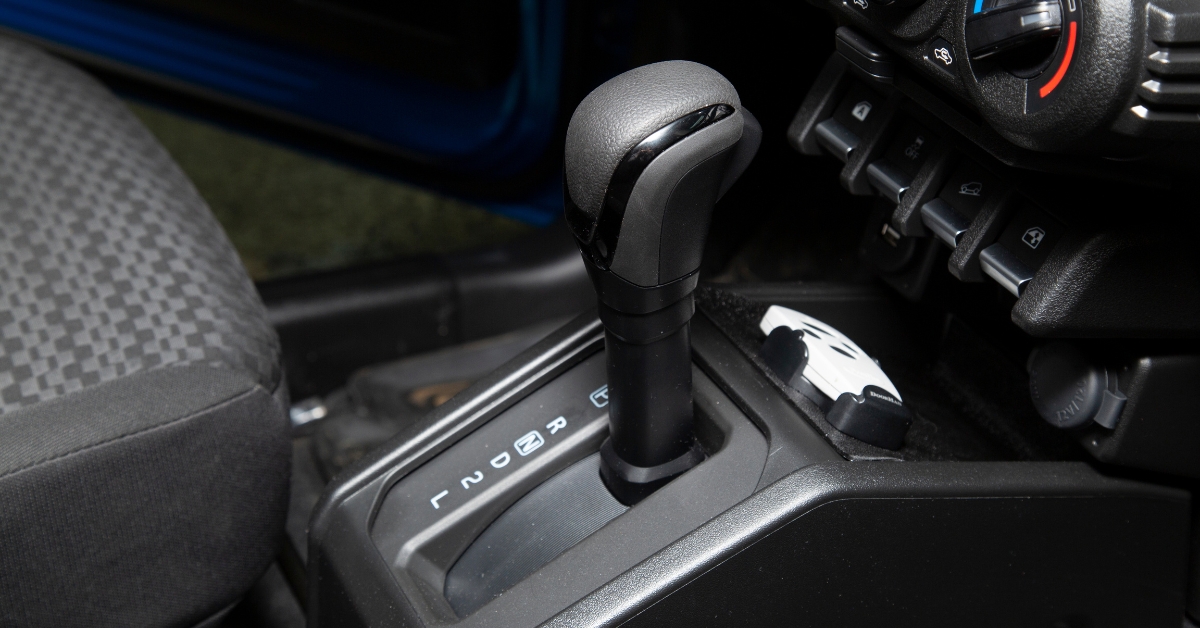
Have you ever been cruising down the road in your automatic car, only to feel that unsettling jolt when it doesn’t shift gears smoothly? It’s more than just an inconvenience—it’s a signal that something might be off with your vehicle.
This can be frustrating and even worrisome, especially if you’re not sure what’s causing the issue. But don’t worry; you’re not alone. Many drivers experience this, and understanding the reasons behind it can put your mind at ease and help you get back on track.
We’ll dive into why your automatic car might not be shifting gears properly and what you can do about it. By the end of this, you’ll have the insights you need to tackle the problem head-on. So, let’s get started and uncover the mystery behind your car’s shifting troubles.

Credit: www.captoyota.com
Common Symptoms
Issues with automatic car gear shifting can include delayed response or slipping gears. Strange noises or dashboard warning lights might also indicate transmission problems. Experiencing these symptoms could mean it’s time to check your car’s transmission system.
Understanding the symptoms of an automatic car not shifting gears can prevent costly repairs. Recognizing early signs can save time and money. Below are common symptoms to watch for in your vehicle.Delayed Shifting
Does your car take time to change gears? This is known as delayed shifting. It can occur when your transmission fluid is low or old. A clogged filter might also cause this delay. Regular maintenance helps avoid this issue.Unusual Noises
Strange noises while driving? These could indicate a transmission problem. Listen for grinding, whining, or clunking sounds. Each sound might point to different issues. Early diagnosis is crucial for solving these problems.Gear Slippage
Is your car slipping out of gear unexpectedly? Gear slippage is dangerous. It often happens due to worn-out transmission bands. Checking the transmission fluid can help. Always ensure it’s at the right level.Transmission Warning Light
Has your transmission warning light turned on? This light signals a problem. It could be minor or serious. Checking with a mechanic is wise. Ignoring it can lead to bigger issues.
Credit: aamcominnesota.com
Transmission Fluid Issues
Transmission fluid plays a crucial role in the functioning of automatic cars. It acts as a lubricant and helps with gear shifting. Problems with transmission fluid can lead to gear shift issues. Understanding these problems can help diagnose and solve them.
Low Fluid Levels
Low transmission fluid levels can cause gear shifting problems. It reduces lubrication and increases friction between components. This can lead to overheating and damage. Regularly check fluid levels to ensure smooth gear shifts.
Contaminated Fluid
Contaminated fluid can impair transmission performance. Dirt and debris in the fluid affect its ability to lubricate. This can cause gears to slip or not engage properly. Change the fluid if it’s dirty to maintain optimal gear function.
Fluid Leaks
Fluid leaks lead to low levels and poor gear performance. Leaks can occur in seals, gaskets, or lines. They need immediate attention to prevent transmission damage. Inspect for leaks and repair them to ensure adequate fluid levels.
Electronic System Failures
Electronic system failures can disrupt the smooth operation of an automatic car. These failures affect gear shifting, causing inconvenience and potential damage. Understanding the core issues helps in diagnosing and resolving them effectively.
Faulty Sensors
Faulty sensors can misinterpret data, leading to incorrect gear shifts. These sensors monitor speed, engine load, and temperature. Any malfunction can result in gear shifting issues. Regular checks help identify and fix faulty sensors. Proper sensor function is crucial for optimal transmission performance.
Malfunctioning Transmission Control Module
The transmission control module manages gear shifts electronically. A malfunctioning module can cause erratic or delayed gear changes. Software glitches or hardware failures are common issues. Regular diagnostics can detect and correct these problems. Ensuring the module functions properly is essential for smooth driving.
Wiring Problems
Wiring problems disrupt communication between sensors and the control module. Damaged or corroded wires can lead to gear shifting issues. Inspecting the wiring for damage helps maintain proper electronic function. Fixing wiring problems ensures reliable transmission performance. Keeping the wiring intact is vital for seamless gear shifts.
Mechanical Problems
Automatic cars are loved for their convenience and ease of use. But sometimes they don’t shift gears smoothly. This often points to mechanical problems. Identifying these issues helps maintain your car’s performance. Let’s explore common mechanical problems.
Worn Out Gears
Gears in an automatic transmission wear out over time. This can lead to difficulty in shifting. Friction and heat cause damage. Regular maintenance checks are essential. They prevent gears from wearing out too quickly. Listen for grinding noises. It might indicate worn gears.
Damaged Clutch
The clutch is vital for gear shifting. In automatics, it’s part of the torque converter. A damaged clutch leads to gear shifting problems. You might experience jerking or slipping. Regular inspections help detect clutch issues early. Fixing them prevents further damage.
Torque Converter Issues
The torque converter connects the engine to the transmission. Issues with it affect gear shifting. Signs include delayed response and strange noises. Fluid leaks can damage the converter. Regularly check for leaks and fluid levels. Ensuring a healthy torque converter is crucial.
External Factors
Automatic cars offer convenience and ease of driving. But, sometimes they face gear-shifting problems. External factors often play a significant role. Understanding these factors helps resolve issues effectively. Below are some key external factors impacting your car’s gear shifting.
Driving Habits
Your driving habits can affect your car’s performance. Aggressive driving wears out the transmission faster. Sudden acceleration and hard braking stress the vehicle. This can lead to gear-shifting problems. Smooth driving helps maintain the transmission’s health.
Environmental Conditions
Environmental factors impact car performance significantly. Extremely hot weather can cause the transmission fluid to thin. Cold weather may thicken the fluid. Both conditions affect gear shifting. Regular checks help maintain optimal fluid levels.
Improper Maintenance
Maintenance is crucial for any vehicle. Neglecting regular service leads to problems. Dirty transmission fluid can cause shifting issues. Regular fluid changes ensure smooth operation. Maintaining the car’s components extends its lifespan.
Diagnostic Approaches
Automatic cars offer smooth driving experiences. Yet, issues can arise with gear shifting. Understanding the problem requires a few diagnostic approaches. From professional help to self-examination, these methods can guide you. Each approach provides unique insights into the car’s condition.
Professional Inspection
A professional inspection is often a reliable choice. Mechanics have the expertise to identify transmission issues. They use advanced tools and experience to diagnose problems. A professional can also offer solutions tailored to your car. This approach saves time and ensures accurate results.
Self-diagnosis Tools
Self-diagnosis tools are now readily available. Many drivers use OBD-II scanners to check car problems. These devices connect to the car’s computer system. They provide codes that indicate specific issues. With some research, you can interpret these codes. This approach empowers you to understand your car better.
Consulting The Vehicle Manual
The vehicle manual is a valuable resource. It contains detailed information about the car’s systems. Refer to it for troubleshooting advice related to gear shifting. Manuals often include maintenance tips and warning signs. Familiarizing yourself with this document can be beneficial. This approach enhances your knowledge of the car’s operations.
Preventive Measures
Regular maintenance can prevent an automatic car from not shifting gears smoothly. Check fluid levels and ensure timely servicing. Inspect the transmission system to catch issues early and avoid costly repairs.
When your automatic car refuses to shift gears, it can be both frustrating and concerning. However, there are preventive measures you can take to minimize the risk of this happening. By focusing on regular maintenance, fluid checks, and monitoring driving habits, you can keep your car in top condition and avoid unexpected issues.Regular Maintenance
Regular maintenance is crucial to keeping your automatic car functioning smoothly. Scheduling routine check-ups with a trusted mechanic can help catch small issues before they become big problems. Think of it as a health check-up for your vehicle that ensures everything is running as it should. A friend of mine once avoided a costly repair just by sticking to a maintenance schedule. What small step can you take today to protect your car’s future performance?Fluid Checks And Changes
Transmission fluid acts like the lifeblood of your car’s shifting system. If it’s old or low, your car might struggle to shift gears. Regularly checking and changing your transmission fluid can prevent this issue. Consider creating a reminder on your phone to check your fluid levels every few months. It’s a simple task that can save you a headache down the line.Monitoring Driving Habits
Your driving style can significantly impact your car’s performance. Aggressive driving, like sudden starts and stops, can wear out your transmission faster. Paying attention to your driving habits and making small adjustments can lead to smoother gear shifts. Next time you drive, try to be more mindful of your acceleration and braking. Are you being gentle with your car, or are you unknowingly putting stress on the transmission? By taking these preventive measures, you can extend the lifespan of your automatic car and enjoy a smoother driving experience. The effort you put in now can save you from costly repairs and keep your car shifting gears without a hitch.
Credit: napacarcare.com
Frequently Asked Questions
How Do You Fix An Automatic Car That Won’t Change Gears?
Check transmission fluid levels first. Inspect for leaks or damage. Consider resetting the transmission control module. Consult a mechanic for diagnostic tests and repairs. Use quality transmission fluid and parts. Regular maintenance helps prevent future issues. Always follow your vehicle’s manual for specific guidelines and solutions.
Why Doesn’t My Automatic Transmission Shift?
Automatic transmission issues may arise due to low fluid levels, worn-out gears, or faulty sensors. Check the transmission fluid first. Regular maintenance is crucial to prevent shifting problems. Consult a professional mechanic for a thorough inspection and repair to ensure smooth vehicle operation.
How Do You Diagnose Shifting Problems In An Automatic Transmission?
Diagnose shifting problems by checking transmission fluid levels, inspecting for leaks, and observing any unusual noises. Use a diagnostic scanner to identify error codes. Test drive the vehicle to notice irregular shifting patterns. Consult a mechanic for a thorough inspection if issues persist.
How Do I Know If My Automatic Transmission Is Failing?
Watch for warning signs like unusual noises, delayed shifting, fluid leaks, burning smells, or slipping gears. Consult a professional mechanic if you experience these issues to prevent further damage to your automatic transmission.
Conclusion
Solving gear issues in automatic cars can be simple. Check the transmission fluid first. Low levels might cause problems. Look for leaks under the car. Listen for unusual noises. Clicking or grinding sounds are warning signs. Visit a mechanic if problems persist.
Regular maintenance prevents gear issues. Keep your car’s health in check. A well-maintained car offers a smoother ride. Understanding these basics can save time and money. Ensure your car runs efficiently. Gear problems shouldn’t be ignored. With proper care, enjoy a seamless driving experience.
Stay proactive, stay safe on the road.

Colin Radner is an automotive enthusiast with a deep passion for cars and welding. With over five years of hands-on experience in welding, Colin brings a unique perspective to the automotive world. His expertise in welding, combined with his love for all things car-related, allows him to write insightful and informative blog posts that resonate with automotive lovers and DIY mechanics alike. When he’s not writing, you can find him working on car repairs, restoring vintage models, or exploring the latest trends in the automotive industry. Colin’s dedication to the craft and his ability to break down complex topics makes him a trusted voice in the automotive blogosphere.