How Much Does It Cost to Fix a Car Horn: Budget Guide
Have you ever been in a situation where you needed your car horn, but it failed you at the worst possible moment? A working horn is not just a convenience; it’s a crucial safety feature.
Whether you’re alerting a distracted driver or signaling a pedestrian, a functional horn can make all the difference. But what happens when it stops working? You might wonder, “How much does it cost to fix a car horn? ” The answer can vary, and knowing what to expect can save you time, money, and stress.
We’ll break down the costs involved in getting your horn back in action. Whether you’re dealing with a simple fuse issue or a more complex wiring problem, understanding the potential expenses will help you make informed decisions. Stay tuned to learn everything you need to know to get your horn honking again without breaking the bank.
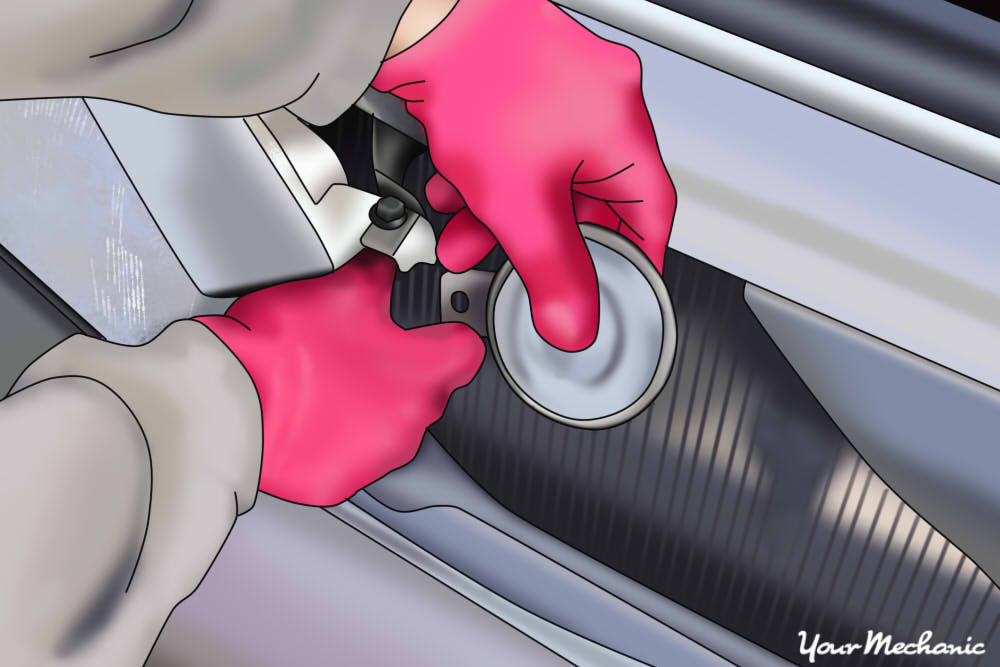
Credit: www.yourmechanic.com
Common Causes Of Horn Malfunctions
Ever been in a situation where you pressed your car horn, and it let out nothing but silence? It’s frustrating, especially when you rely on it to communicate with other drivers. Understanding the common causes of horn malfunctions can help you address the issue without breaking the bank. Let’s dive into the typical culprits that might be causing your horn to fail.
Electrical Issues
One of the frequent reasons your car horn might not work is due to electrical issues. A horn requires a steady flow of electricity to function. If there’s a disruption in that flow, the horn might not work. It’s like trying to listen to your favorite song with a broken speaker.
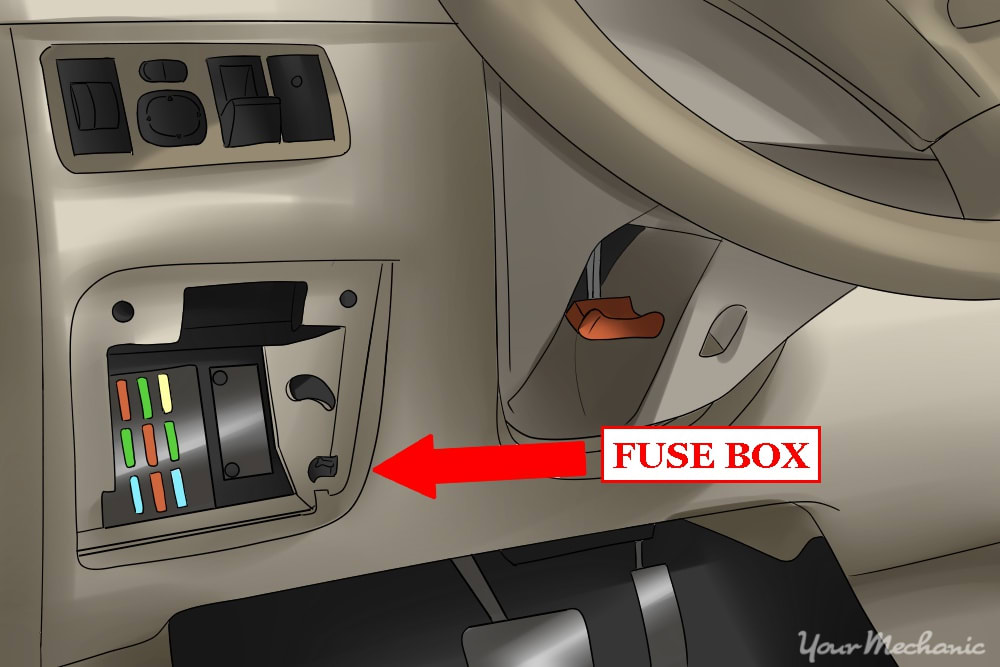
Checking the fuse box is a good starting point. A blown fuse can easily disrupt the electrical flow needed for your horn. Replacing a fuse is a simple task that you can do yourself if you have a spare fuse and a little patience.
Faulty Horn Relay
The horn relay is a small component but plays a crucial role. It acts as a bridge, allowing a small electric current to control a larger current. If this relay fails, your horn won’t sound.
Swapping the horn relay with a similar one from another part of your car can help diagnose the issue. If the horn starts working again, you’ve pinpointed the problem. Buying a new relay is relatively inexpensive and can be a quick fix.
Wiring Problems
Wiring problems can be tricky to diagnose but are a common cause of horn issues. Wires can become loose, corroded, or damaged over time. This can interrupt the connection and render your horn useless.
Visually inspect the wires connected to your horn. Look for any visible damage or wear. Tightening loose connections or replacing damaged wires can often resolve the problem.
Physical Damage
Sometimes, the issue is more straightforward and visible. Physical damage to the horn itself can prevent it from working. This can happen due to an accident, debris, or even wear and tear over time.
If your horn is physically damaged, it might require replacement. While it might sound daunting, replacing a horn can be a straightforward process. Check if your car manual provides instructions on replacement, or consider consulting a professional if you’re unsure.
Have you ever encountered a silent car horn? What steps did you take to resolve it? Understanding these common causes can empower you to tackle the problem head-on, saving time and money in the process.
Diagnosing Horn Problems
Car horns can stop working for various reasons. Understanding the issue helps in fixing it efficiently. Diagnosing horn problems involves checking different parts of the horn system. Each component plays a role in ensuring the horn functions properly. Simple tests and inspections can pinpoint the exact issue.
Testing The Horn Circuit
Begin by testing the horn circuit. Use a multimeter to check voltage. Ensure the horn is receiving power. If there’s no voltage, the problem might be in the wiring. Check all connections for signs of damage or corrosion. Replace faulty wires to restore power to the horn.
Inspecting The Fuse Box
Next, inspect the fuse box. Locate the horn fuse and examine it. A blown fuse interrupts the circuit. Replace it with a new fuse of the same rating. Ensure the new fuse is seated properly. If the fuse blows again, further inspection is needed.
Examining The Steering Wheel
Finally, examine the steering wheel. The horn button may be faulty. Check the contacts behind the horn button. Ensure they are clean and making contact. If the button is worn out, it might need replacement. A functional button ensures the horn works as intended.
Cost Of Replacement Parts
Fixing a car horn might seem simple, but costs can vary. Replacement parts form a major chunk of expenses. Knowing these costs helps budget effectively. Each component affects the overall price differently.
Horn Replacement Prices
Horn units come in various types and brands. Basic horns cost around $15 to $30. Premium models can go up to $100. The choice depends on quality and sound preference. Ensure compatibility with your car model.
Relay And Fuse Costs
Relays and fuses are essential for horn operation. Relays usually range from $5 to $20. Fuses are cheaper, often between $1 and $5. These small parts are crucial for safety. Always replace damaged ones promptly.
Wiring Repair Expenses
Wiring issues can complicate horn repairs. Simple repairs might cost around $20 to $50. Extensive wiring fixes may reach $100 or more. Proper wiring ensures consistent horn function. Consider professional help for intricate repairs.
Labor Costs For Horn Repair
Fixing a car horn involves more than just replacing parts. Labor costs can vary depending on several factors. Understanding these costs can help you budget for the repair. Let’s explore the different aspects of labor costs for horn repair.
Mechanic Hourly Rates
Mechanic rates differ based on location and experience. In big cities, hourly rates can be higher. Small towns might offer lower rates. Experienced mechanics might charge more for their skills. Average hourly rates range from $50 to $100.
Some shops might have fixed prices for certain repairs. This can make costs predictable. Always ask for a detailed quote. Knowing the hourly rate helps you estimate total costs.
Diy Vs. Professional Repair
Doing the repair yourself can save money. DIY requires basic tools and knowledge. Online guides and videos can help. Parts for horn repair are usually affordable. It takes time to learn and perform the repair.
Professional repair ensures expertise and quality. Mechanics have the right tools and experience. They can diagnose other issues during the repair. Choosing professional repair might be safer. It might cost more than DIY but offers peace of mind.
Tips For Cost-effective Repairs
Having a functional car horn is essential for safe driving, but when it breaks, you might worry about repair costs. Luckily, fixing a car horn doesn’t have to empty your wallet. By following some smart strategies, you can ensure cost-effective repairs without compromising on quality. Whether you’re a DIY enthusiast or prefer professional help, these tips will guide you in making the best decision for your budget.
Sourcing Affordable Parts
Finding affordable parts is crucial for cutting repair costs. You can start by visiting local auto parts stores that offer discounts on car components. Online marketplaces like eBay or Amazon often have competitive prices, allowing you to compare and choose the best deal.
Consider checking out salvage yards for second-hand parts. You might be surprised at the quality of items available at a fraction of the cost. Remember to verify compatibility with your car model to avoid unnecessary returns.
Preventive Maintenance
Regular maintenance can save you from hefty repair bills. Keeping your horn clean and free from debris will help maintain its functionality. A simple check-up every few months can prevent minor issues from escalating into major repairs.
It’s also wise to inspect the wiring connections. Loose or corroded wires can lead to malfunctioning horns. Tighten any loose connections and replace corroded wires promptly to ensure your horn works when you need it.
When To Seek Professional Help
While DIY repairs are budget-friendly, knowing when to call a professional is crucial. If you’re unsure about the electrical components, it’s safer to have an expert handle it. Electrical issues can be complex and may require specialized tools or knowledge.
If you’ve tried several fixes without success, a mechanic might be your best bet. They can diagnose the problem accurately and offer a long-term solution. Investing in professional help can sometimes save you money in the long run by preventing future breakdowns.
Have you ever attempted a car repair and realized it was more complicated than expected? Sometimes, knowing your limits can be the most cost-effective decision. Your car horn is an important safety feature, so don’t hesitate to seek help when needed.

Credit: www.youtube.com
Warranty And Insurance Considerations
Considering warranty and insurance can save money when fixing a car horn. Costs vary by car model and repair type. Always check coverage details before proceeding with repairs.
When your car horn stops working, fixing it can be more than just a simple repair. Understanding the nuances of warranties and insurance can save you both money and frustration. These considerations could mean the difference between a free repair and an unexpected expense. Let’s delve into how manufacturer warranties and insurance coverage can impact the cost of fixing your car horn.Manufacturer Warranties
Before you head to the mechanic, check if your car is still under the manufacturer’s warranty. Many new cars come with warranties that cover defects for a certain number of years or miles. This often includes electrical components like the horn. If your car is still covered, the repair might not cost you anything. However, be aware that warranties often have specific terms and conditions. Double-check if the horn malfunction falls under these terms to avoid any surprises.Insurance Coverage Options
You might not immediately think of insurance when your car horn fails, but it’s worth considering. Some comprehensive insurance policies cover electrical system repairs. This can include issues with your car horn, depending on the cause of the failure. Contact your insurance provider to see if your policy includes this type of coverage. But remember, filing a claim for a small repair might affect your premium. Weigh the cost of the repair against the potential increase in your insurance rate. Have you ever had a car repair that was unexpectedly covered by a warranty or insurance? It’s like finding money in an old coat pocket. These considerations could save you from spending more than you need to. Always take a moment to explore these options before paying out-of-pocket for repairs.Estimating Total Repair Costs
Fixing a car horn may seem simple. Yet, costs can vary widely. Different factors influence the final repair bill. These include parts, labor, and location. Understanding these can help you budget effectively.
Budgeting For Repairs
Start by understanding the potential expenses. Minor issues might cost between $10 to $50. This covers basic parts and labor. Complex problems could reach up to $150. These involve more detailed work or premium parts. Always ask for a quote before repairs begin. Knowing these numbers helps avoid surprises.
Unexpected Expenses
Sometimes, repairs uncover hidden issues. Additional parts may be needed. Or more labor might be required than expected. These can raise the final cost. Always set aside some extra funds. This prepares you for any unforeseen expenses.

Credit: bosshorn.com
Frequently Asked Questions
Is Replacing A Car Horn Hard?
Replacing a car horn is typically easy for most vehicle models. It involves basic tools and simple steps. Always disconnect the battery first for safety. Consult your car manual for location and installation instructions. If unsure, professional help is advisable to ensure proper functionality.
Can A Car Horn Be Fixed?
Yes, a car horn can be fixed. Common issues include wiring problems, blown fuses, or malfunctioning horn components. Check connections and replace damaged parts. Regular maintenance ensures a functioning horn, enhancing safety on the road. Consult a professional mechanic for complex repairs to ensure proper functionality.
How Much To Fix A Horn That Doesn’t Work?
Fixing a car horn typically costs between $50 and $150. This price depends on labor rates, horn type, and location. Simple repairs like replacing a fuse or wiring may be cheaper. For accurate estimates, consult a local mechanic or repair shop.
Always choose quality service for reliable horn function.
How Much Does Car Horn Repair Typically Cost?
The cost to fix a car horn usually ranges between $70 and $150. This includes both parts and labor. The exact cost depends on your vehicle’s make and model. If you choose to replace the horn yourself, the parts might cost less.
Professional repairs ensure proper installation and safety.
Conclusion
Fixing a car horn doesn’t have to be costly. Costs vary based on car model and repair type. A simple replacement might cost less. Complex issues can increase expenses. Always check with a mechanic first. They can provide an accurate estimate.
DIY solutions exist for minor issues. But be cautious. Incorrect repairs can lead to more costs. Regular maintenance can prevent horn issues. Keep your car in good shape. Ensures safety on the road. A working horn is crucial. Don’t ignore it.
Stay safe and sound with a functional horn.

Ethan Montgomery is the administrator of carweldhub.com and an expert in the automotive industry. With hands-on experience in welding and a deep understanding of automotive parts and accessories, Ethan brings a wealth of practical knowledge to his work. His passion for the automotive field extends to blog writing and editing, where he shares valuable insights and tips with enthusiasts and professionals alike. Whether you’re looking for detailed technical advice or the latest trends in automotive technology, Ethan’s expertise makes him a trusted resource in the automotive community.