Is It Hard to Drive a Box Truck? Tips for Beginners
Have you ever looked at a box truck and wondered what it takes to drive one? Maybe you’re considering a job that requires it, or perhaps you’re thinking about renting one for a big move.
You might be asking yourself, “Is it really that hard to drive a box truck? ” This question is more common than you think, and you’re definitely not alone in pondering it. Picture yourself sitting behind the wheel of a vehicle that’s larger than what you’re used to, navigating through tight city streets and highways.
It’s a different experience, one that can seem daunting at first glance. But the truth is, with a little know-how and the right mindset, driving a box truck doesn’t have to be intimidating. You’ll discover what makes driving a box truck unique, what challenges you might face, and how you can overcome them. We’ll share tips that can make your driving experience smoother and safer. Get ready to feel confident and in control, whether you’re hauling goods across town or moving your life to a new place. Keep reading to find out just how manageable driving a box truck can be!
Understanding Box Trucks
Driving a box truck may seem challenging at first. The size and weight require careful attention. With practice, many find it manageable and straightforward for transporting goods efficiently.
Driving a box truck may seem daunting at first, but with a little understanding, it becomes much more manageable. These vehicles are larger than your typical car, which means they come with unique characteristics and uses. By familiarizing yourself with what makes box trucks special, you can approach driving one with confidence.Characteristics Of Box Trucks
Box trucks, also known as cube vans or box vans, have a distinct rectangular cargo area. This makes them ideal for transporting goods safely and efficiently. They usually range from 10 to 26 feet in length, providing ample space for a variety of loads. Most box trucks have a rear roll-up door, similar to a garage door, which is perfect for easy loading and unloading. They often come with a built-in lift gate or ramp, which is especially handy when you’re dealing with heavy items. The cab is separate from the cargo area, ensuring the driver’s comfort while maintaining the integrity of the goods being transported.Common Uses And Applications
Box trucks are versatile and used in various industries. Small businesses often use them for deliveries and moving services, as they can handle substantial cargo without the need for a commercial driver’s license for smaller models. They’re also popular with rental companies, providing an accessible option for individuals and businesses needing temporary transport solutions. These trucks are a backbone for many delivery services, ensuring goods reach their destinations safely. If you’ve ever had furniture delivered, chances are it arrived in a box truck. From moving companies to event planners, the applications are as diverse as the needs they fulfill. Have you ever thought about how many businesses rely on these trucks daily? Next time you see one on the road, consider the essential role it plays in keeping goods moving and businesses running smoothly. Whether you’re planning to drive one yourself or just curious, understanding these aspects of box trucks can make all the difference.Licensing And Requirements
Driving a box truck requires meeting specific licensing requirements. Generally, a commercial driver’s license (CDL) is needed. Training and adherence to safety regulations are essential for smooth operation and compliance.
Driving a box truck might seem daunting, especially if you’re accustomed to smaller vehicles. However, understanding the licensing and requirements can simplify the process. Whether you’re considering this for a career or simply need to transport large items, knowing what’s needed can save you time and trouble. Let’s dive into the essential aspects you need to know.Necessary Licenses
To legally drive a box truck, you must have the right license. Depending on the size and weight of the truck, a standard driver’s license may suffice. However, larger box trucks require a Commercial Driver’s License (CDL). Think about how much cargo you’ll carry. If the truck’s gross weight exceeds 26,000 pounds, you’ll need a CDL. Research your state’s specific requirements, as they may vary.Insurance Considerations
Insurance is crucial when driving a box truck. It protects you from potential liabilities and damages. Personal auto insurance may not cover commercial vehicles, so look into commercial vehicle insurance. Consider coverage options like liability, collision, and comprehensive insurance. They provide different levels of protection. Have you thought about what might happen if you were in an accident with an uninsured driver? Some policies include uninsured motorist coverage, offering peace of mind. Navigating these requirements might seem overwhelming, but they ensure your safety and legal compliance. Have you ever driven a box truck before, or are you considering it? Understanding these aspects can make your journey much smoother.Challenges Of Driving A Box Truck
Driving a box truck presents unique challenges. Navigating tight spaces and ensuring cargo safety requires skill. The vehicle’s size demands careful attention, especially in traffic.
Driving a box truck can be a challenging yet rewarding experience. Whether you’re transporting goods for work or helping a friend move, the unique demands of handling a box truck can test your skills behind the wheel. The size, visibility, and parking requirements of these vehicles present specific challenges. As you navigate these obstacles, you might find yourself wondering: Is this something anyone can master with practice, or are there hidden tricks to make it easier? Let’s dive into some of the key challenges you might face.Size And Maneuverability
Box trucks are larger than typical passenger vehicles, and their size can be intimidating. You might feel like you’re in a different world when you first climb into the driver’s seat. Turning corners requires careful judgment—you can’t simply zip around like you would in a compact car. Tight spaces can be nerve-wracking. You’ll need to practice and develop a sense of the truck’s dimensions. Consider this: have you ever tried parallel parking a vehicle that’s several feet longer than your sedan? It’s a skill that takes time and patience. Regular driving habits need to be adjusted. Can you imagine the precision required in a busy city street?Visibility And Blind Spots
Visibility in a box truck is a major concern. Unlike cars, box trucks have significant blind spots that can catch you off guard. You must rely heavily on your mirrors, and even then, it’s not always easy to spot every vehicle around you. Have you ever found yourself nervously checking your mirrors multiple times before changing lanes? This is common. Blind spots can make lane changes feel risky. Using additional safety measures like blind spot mirrors can help. But even with these tools, you’ll need to stay alert and aware of your surroundings.Parking And Loading Issues
Parking a box truck can be a puzzle, especially in crowded areas. The sheer size of the vehicle can limit your options. Finding a spot that accommodates your truck often takes extra time. You might end up circling the block or parking further away than planned. Loading and unloading can also be tricky. Have you ever tried backing into a loading dock with little room for error? It’s a skill that demands precision. You need to plan your approach carefully and ensure your cargo is secure. These challenges are part of the adventure of driving a box truck. With practice and experience, you’ll gain confidence. As you tackle these obstacles, you’ll learn valuable lessons that enhance your driving abilities. Would you take on the challenge?Essential Skills For Beginners
Driving a box truck requires focus and practice. Understanding size and blind spots is crucial. Regular driving skills, like smooth braking and turning, are essential.
Driving a box truck for the first time can feel daunting, especially if you’re used to smaller vehicles. However, mastering the essential skills can make the transition smoother. As a beginner, it’s crucial to focus on specific abilities that ensure both your safety and the safety of others on the road.Basic Driving Skills
Learning to drive a box truck requires a strong foundation in basic driving skills. Start by familiarizing yourself with the vehicle’s controls and response times. Practice in a safe, open area before hitting the road. Have you ever noticed how different it feels to steer a larger vehicle? A box truck requires wider turns and a greater awareness of your surroundings. Pay attention to your mirrors and blind spots, as they are more pronounced compared to a car.Understanding Vehicle Dimensions
Being aware of your box truck’s dimensions is crucial. This includes its height, width, and length. Misjudging these can lead to unfortunate incidents, such as hitting low bridges or narrow passages. Take a moment to visualize the truck’s size when planning your route. Check for height restrictions and tight spots. Have you ever tried parking a box truck? It’s a skill that requires practice, patience, and sometimes, a bit of creativity.Handling Cargo Safely
Securing your cargo is not just about avoiding a mess; it’s about safety. Improperly loaded cargo can shift and cause the truck to become unstable. Always double-check that your load is balanced and secured. Use straps and other securing tools to keep everything in place. Do you check your cargo before every trip? It’s a habit that can prevent accidents and ensure a smooth drive. Remember, a well-handled cargo means peace of mind on the road. Driving a box truck is a skill that can be honed with practice and attention to detail. By focusing on these essential skills, you’ll become more confident and capable in navigating this unique vehicle.Preparation And Planning
Driving a box truck isn’t difficult with proper preparation and planning. Knowing the truck’s size and handling improves confidence. Practice and awareness ensure a smooth experience.
Driving a box truck requires careful preparation and planning. The journey can be smooth with the right steps in place. Understanding the truck and the road ahead makes a difference. Let’s explore how you can prepare effectively.Pre-trip Inspection
A pre-trip inspection is crucial. Check the vehicle thoroughly before starting. Look at the tires, brakes, and lights. Ensure mirrors are adjusted for clear visibility. Inspect fluid levels and fuel. Confirm that doors and locks are secure. These checks prevent potential issues on the road.Route Planning
Plan your route well in advance. Use maps or GPS for guidance. Consider traffic patterns and road conditions. Identify rest stops and fuel stations along the way. Avoid roads with height or weight restrictions. A planned route minimizes unexpected delays.Weather Considerations
Weather can impact your drive significantly. Check forecasts before departure. Be aware of rain, snow, or fog. Prepare for changing conditions. Have necessary gear for bad weather. Adjust driving speed to match road conditions. Weather readiness ensures a safer journey.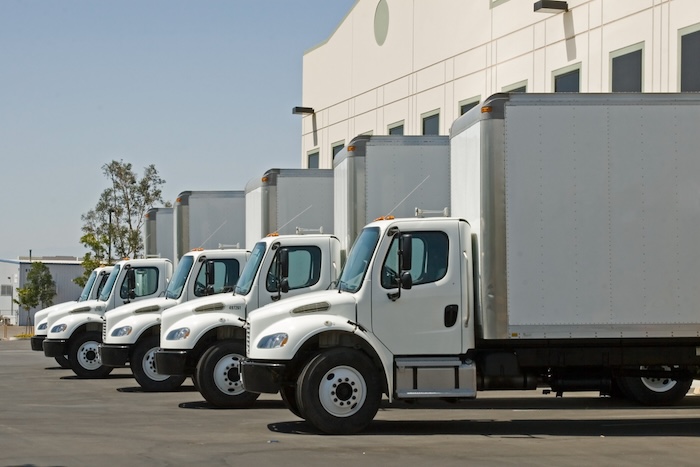
Credit: goloadup.com
Safety Tips For New Drivers
Driving a box truck can be challenging for new drivers. Practice patience and always check blind spots. Ensure proper load balancing to maintain control.
Driving a box truck demands focus and awareness. New drivers might find it challenging. Knowing safety tips can ease the process. These tips ensure a safer drive and build confidence. Let’s explore some crucial safety tips for new box truck drivers.Maintaining Safe Distance
Keeping a safe distance is vital. Box trucks require more stopping space. Always maintain a gap from the vehicle in front. This gives you time to react. In traffic, keep a larger gap. It helps prevent collisions. Wet or icy roads need extra caution. Increase the gap even more.Speed Management
Speed control is crucial for safety. Box trucks handle differently than cars. They take longer to accelerate and brake. Always drive at a safe speed. Adjust speed according to road conditions. On curves, reduce speed to maintain control. Avoid sudden speed changes. It helps in keeping the truck stable.Emergency Procedures
Knowing emergency procedures can save lives. Stay calm if you face an emergency. First, signal to alert other drivers. Then, slowly steer to a safe area. Use hazard lights to warn others. Always carry emergency supplies. Keep a first aid kit handy. Practice emergency drills regularly.Practical Tips For Easy Driving
Driving a box truck can be challenging but manageable with practice and patience. Familiarize yourself with the vehicle’s size and handling. Pay attention to blind spots, and maintain steady speeds to ensure safety on the road.
Driving a box truck may seem daunting at first. The size and shape can intimidate new drivers. Yet, with the right tips, driving becomes manageable. Here are practical tips for easy driving.Using Mirrors Effectively
Mirrors are your best friends in a box truck. Adjust them before starting your journey. Ensure you can see the entire rear end. Check blind spots with quick mirror glances. Use mirrors to monitor traffic on both sides. Practice makes using mirrors second nature.Smooth Steering Techniques
Steering a box truck requires gentle movements. Avoid sharp turns that can destabilize the vehicle. Hold the wheel firmly but not too tight. Use both hands for better control. Slow down before turns to maintain balance. Smooth steering ensures safety and comfort.Fuel Efficiency Tips
Fuel efficiency matters in large vehicles. Maintain a steady speed to conserve fuel. Avoid rapid acceleration and hard braking. Plan routes to reduce unnecessary detours. Keep tires properly inflated for better mileage. Regular maintenance helps keep the engine efficient.
Credit: www.youtube.com
Resources For Learning
Driving a box truck might seem challenging at first. Beginners can find it difficult due to its large size and limited visibility. Resources are available to help learners practice safe driving techniques and gain confidence behind the wheel.
Driving a box truck can seem daunting at first. With the right resources, it becomes easier. Learning to drive these vehicles involves understanding their size and handling. Here are some resources to help you get started.Driver Training Programs
Professional driver training programs offer structured learning. They provide hands-on experience with box trucks. Instructors teach safe driving techniques. These programs often include classroom lessons. You’ll learn about rules and regulations. Practice driving in controlled environments. This builds confidence behind the wheel.Online Tutorials And Guides
Online tutorials are convenient. They offer flexibility in learning. Many websites host video guides. These videos show how to maneuver box trucks. Written guides explain technical aspects. You can study at your own pace. Access materials anytime, anywhere. Great for visual learners and those with tight schedules.Community And Support Groups
Community groups provide support. Connect with experienced drivers. Share tips and experiences. Online forums are useful. Ask questions and get answers. Find local meetups for face-to-face interactions. These groups create a supportive environment. Learn from the community and gain confidence.
Credit: www.wikihow.life
Frequently Asked Questions
Is It Hard To Learn How To Drive A Box Truck?
Learning to drive a box truck is manageable with practice. It requires understanding vehicle dimensions and handling. Box trucks may be larger than regular cars, but with proper training, driving becomes easier. Confidence grows with experience, making it less challenging over time.
Consider enrolling in a driving course for expert guidance.
What To Know Before Driving A Box Truck?
Understand truck dimensions and blind spots before driving. Secure cargo properly to prevent shifting. Follow speed limits and road signs. Check mirrors frequently for safe lane changes. Practice parking and maneuvering in tight spaces.
What Is Driving A Box Truck Like?
Driving a box truck requires skill, as it’s larger than regular vehicles. Visibility can be challenging. Maneuvering through tight spaces and parking demands attention. Drivers must be cautious of low bridges and sharp turns. Regular maintenance and understanding weight limits are crucial for safety.
Do I Need Experience To Drive A Box Truck?
No prior experience is mandatory to drive a box truck. Training or a CDL might be beneficial. Most employers provide on-the-job training. Check state requirements, as some states might have specific regulations. Always ensure safety and understand vehicle dimensions.
Conclusion
Driving a box truck isn’t as tough as it seems. With practice, it becomes easier. Focus on safety and awareness on the road. Understand the vehicle’s size and blind spots. Learning to maneuver in tight spaces helps. Gradually, confidence grows with experience.
Pay attention to traffic rules and load limits. Always check mirrors and signals before turning. Keep calm in busy areas and avoid distractions. Remember, patience is key in challenging situations. Whether for work or moving items, box trucks can be convenient.
With care and practice, anyone can drive one comfortably.

Automotive Specialist & Expert Writer
Tyler Kingston is a passionate automotive writer with a wealth of knowledge in all things cars. With years of experience in the automotive industry, Tyler specializes in everything from vehicle maintenance to the latest car technologies and innovations. He is known for his ability to break down complex automotive concepts into easily digestible, engaging content for both novice and experienced car enthusiasts. Whether it’s detailing car repair techniques, reviewing new car models, or diving into the world of auto accessories, Tyler’s articles provide valuable insights to readers. His hands-on experience, combined with a genuine love for cars, allows him to deliver expert advice, tips, and news that keeps readers coming back for more.