How to Use a Knee Scooter on Stairs: Expert Tips
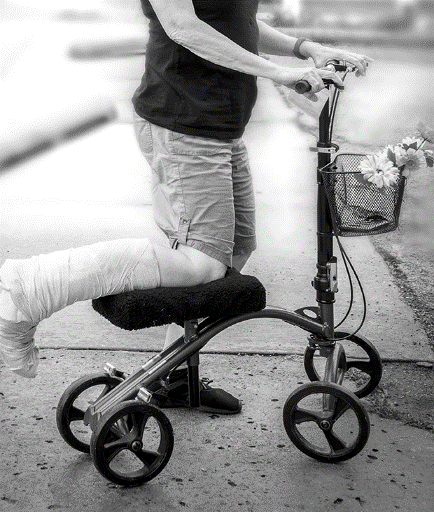
Navigating life on a knee scooter can be challenging, especially when it comes to stairs. You might feel a mix of frustration and uncertainty as you face this common obstacle.
But don’t worry—you’re not alone, and there are safe ways to tackle stairs with your knee scooter. Imagine the freedom and confidence you’ll feel once you know how to do it safely. This guide is designed to empower you, giving you practical tips to make your life easier and more mobile.
By the end of this article, you’ll have the knowledge you need to conquer stairs without fear. Are you ready to regain your independence and move freely again? Let’s dive in!

Credit: www.rentakneewalker.com
Choosing The Right Knee Scooter
Finding the perfect knee scooter can be challenging. It ensures safety and comfort. Not all knee scooters suit stair navigation. Picking the right one is crucial. Understand its features and safety options. This helps in making the best choice.
Features To Consider
Consider the scooter’s weight capacity. It should support your body weight. Adjustable handlebars are essential. They provide a comfortable grip. Check the knee pad’s comfort level. A padded knee rest is ideal for long use. Wheels matter too. Larger wheels handle uneven surfaces better. Choose wheels that suit your environment. Look for a foldable design. It helps in easy storage and transport. Consider the scooter’s material. Durable materials last longer and offer stability.
Safety Options
Safety is a priority with knee scooters. Ensure the scooter has a reliable braking system. A hand brake is effective for control. Check if it has a parking brake. It keeps the scooter steady when not in use. Some scooters have a locking mechanism. It prevents accidental movement. Reflectors are useful. They enhance visibility in low light. Ensure the scooter’s base is wide. A wider base offers better balance. Always prioritize safety features when choosing a scooter.

Credit: www.youtube.com
Preparing For Stair Navigation
Navigating stairs with a knee scooter requires careful planning and safety measures. Always dismount and use crutches or a railing for support. Consider assistance from someone to ensure a smooth and secure transition.
Navigating stairs with a knee scooter can be a daunting task, but with proper preparation, it becomes manageable. Whether you’re recovering from an injury or surgery, knowing how to use your knee scooter safely on stairs is essential. The right preparation will empower you to maintain your independence and mobility without compromising safety. Let’s dive into some practical tips for preparing to navigate stairs with your knee scooter.Assessing Stair Safety
Before you attempt to use your knee scooter on stairs, take a moment to assess the safety of the stairway. Are the steps wide enough to accommodate the scooter comfortably? Look for any obstacles or uneven surfaces that might pose a risk. It’s crucial to check the lighting conditions. Poor lighting can increase the risk of accidents. If possible, ensure the stairway is well-lit before you proceed.Essential Safety Gear
Wearing the right safety gear can make a significant difference in your stair navigation experience. A sturdy helmet is a must-have to protect your head in case of falls. Consider wearing knee pads to safeguard your other knee and elbows from scrapes and bruises. Non-slip shoes will provide better traction on the stairs, reducing the chance of slipping. Have you thought about using a safety harness? It can offer extra stability and security while you navigate the stairs with your knee scooter. Incorporate these safety measures and ask yourself: are you fully equipped to tackle the stairs safely?Techniques For Ascending Stairs
Using a knee scooter on stairs requires careful techniques. Safety is crucial, so understanding how to ascend stairs effectively is key. Using the right methods can prevent accidents and ensure a smoother experience.
Using Handrails For Support
Handrails are your best friend on stairs. They offer stability and support. Grip the handrail firmly with one hand. Keep the other hand on the knee scooter. This helps maintain balance while moving upward. Use your arms to pull yourself up. This minimizes strain on your injured leg.
Balancing And Weight Distribution
Balance is vital on stairs. Keep your body centered over the scooter. Distribute weight evenly across the handlebars. Shift your weight slightly forward as you climb. This provides extra stability. Avoid leaning too far to one side. It can cause the scooter to tip. Stay focused and take small steps.
Techniques For Descending Stairs
Using a knee scooter on stairs requires extra care and technique. Navigating stairs safely is crucial to prevent accidents. Let’s explore effective techniques for descending stairs with a knee scooter.
Maintaining Stability
Keep a firm grip on the handlebars for stability. Ensure your foot on the ground is steady. Lean slightly forward to maintain balance while descending. Use your stronger leg to support your weight as you move down each step.
Controlling Speed And Movement
Slow and steady movement is vital. Use the hand brake to control speed. Engage the brake gently before each step. Gradually release it as you go down. This helps keep your movements smooth and controlled.
Common Mistakes To Avoid
Using a knee scooter can be challenging on stairs. It requires careful attention to avoid common mistakes. Missteps can lead to accidents or injuries. Knowing these pitfalls helps improve safety.
Skipping Safety Checks
Some users forget to check their knee scooter before use. This is risky. Ensure brakes work properly. Check the tires for wear and tear. A quick safety check can prevent accidents.
Incorrect Posture
Maintaining the right posture is crucial. Many users lean too far forward. This can cause imbalance. Stand straight with your knee positioned securely. Proper posture enhances stability and control.
Safety Tips For Stair Navigation
Navigating stairs with a knee scooter can be tricky. Ensure safety by using a sturdy railing for support and maintaining balance. Avoid rushing; take each step slowly to prevent falls.
Navigating stairs with a knee scooter can be challenging. It’s crucial to prioritize safety to prevent accidents. Using the right techniques can make a big difference. Below are essential tips to ensure safe stair navigation with a knee scooter.Practicing With Assistance
Start by practicing with someone experienced. Their guidance offers stability and reassurance. Practice on stairs with secure handrails. This provides extra support during your practice sessions. Use the handrails to maintain balance. Always have your assistant nearby for added safety. Regular practice builds confidence and reduces anxiety.Regular Equipment Maintenance
Keep your knee scooter in top condition. Check the brakes regularly. Ensure they engage properly for safe stops. Inspect the wheels for any damage. Damaged wheels can cause accidents. Tighten any loose screws or bolts. A well-maintained scooter offers better control. Regular maintenance checks prevent unexpected failures. Your safety relies on functional equipment.Alternatives To Using A Knee Scooter
Navigating stairs with a knee scooter can be tricky. Consider alternatives like crutches or a hands-free crutch. Crutches offer more control on stairs, providing stability and safety. A hands-free crutch allows for natural movement, keeping hands available.
Navigating stairs with a knee scooter can feel like a daunting task. Safety is a priority, and sometimes, alternative methods are the best choice. Let’s explore some practical options you can consider instead of using a knee scooter on stairs.Using Elevators Or Ramps
Whenever possible, prioritize elevators or ramps over stairs. They offer a safer and more comfortable alternative for those using a knee scooter. In many public spaces, you’ll find elevators conveniently located near staircases. Always keep an eye out for signs directing you to these elevators or ramps. Consider your own home or workplace, too. Are there any ramps installed, or could you temporarily add one to make your movement easier? Simple adjustments can make a significant difference in your daily routine.Considering Professional Assistance
Sometimes, seeking professional help is the smartest option. Hiring a caregiver or occupational therapist can be a game-changer, especially if stairs are unavoidable in your daily life. Have you ever thought about how much easier your life could be with a little help? A professional can guide you through safe techniques and provide support when needed. Remember, asking for help is not a sign of weakness. It’s about making smart choices to ensure your safety and comfort. Do you have someone in mind who can assist you, or is it time to reach out for professional advice? Incorporating these alternatives into your daily routine can greatly enhance your mobility and peace of mind. What adjustments can you make today to improve your experience?
Credit: www.amazon.com
Frequently Asked Questions
How To Do Stairs With A Knee Scooter?
Use a knee scooter only on flat surfaces. Avoid stairs for safety. Consider crutches or assistance for stair navigation.
How To Get Into A Car With A Knee Scooter?
Position your knee scooter near the car door. Lock the scooter’s brakes for stability. Sit on the car seat carefully. Lift your knee and fold the scooter. Secure the scooter in the car. Ensure comfort before closing the door. Adjust as needed for a safe journey.
What Are The Disadvantages Of Knee Scooters?
Knee scooters can be challenging to maneuver in tight spaces. They may not suit all terrains, like stairs or uneven surfaces. Users may experience discomfort due to prolonged knee pressure. They can be bulky, making storage difficult. Not ideal for those with upper body weakness or balance issues.
What Is The Correct Way To Use A Knee Scooter?
Stand with one foot on the scooter’s platform. Use handlebars for balance and steering. Propel yourself forward using your uninjured leg. Adjust the handlebar height for comfort. Always wear comfortable shoes and avoid uneven surfaces.
Conclusion
Using a knee scooter on stairs requires caution. Safety comes first. Always seek help when navigating stairs. Secure the scooter before stepping. Use handrails for support. Lift the scooter carefully if needed. Practice on flat surfaces first. Build confidence before attempting stairs.
Trust your instincts; if it feels unsafe, avoid it. Consider alternatives for stair mobility. Ask for assistance when necessary. Your well-being matters most. Stay safe and take care. Remember, gradual learning leads to success. Follow these tips for a safer experience.
Enjoy the journey with your knee scooter.

Ethan Montgomery is the administrator of carweldhub.com and an expert in the automotive industry. With hands-on experience in welding and a deep understanding of automotive parts and accessories, Ethan brings a wealth of practical knowledge to his work. His passion for the automotive field extends to blog writing and editing, where he shares valuable insights and tips with enthusiasts and professionals alike. Whether you’re looking for detailed technical advice or the latest trends in automotive technology, Ethan’s expertise makes him a trusted resource in the automotive community.