Do Electric Car Batteries Explode When Wet? Unveiling Truths
Have you ever wondered if electric car batteries explode when they get wet? It’s a question that might have crossed your mind, especially if you’re considering switching from a traditional vehicle to an electric one.
You might picture dramatic scenes in your head, with sparks flying and batteries bursting. But what really happens when water meets these powerful energy sources? Understanding the truth behind this can not only ease your concerns but also empower you to make informed decisions about your next vehicle purchase.
Imagine driving through a sudden downpour or accidentally splashing water on your car’s battery. The thought of your car turning into a hazard is unsettling. But don’t let fear hold you back. Dive into this article to uncover the truth about electric car batteries and their interaction with water. We’ll break down the science, dispel myths, and provide you with the facts you need. Are you ready to discover whether your concerns are valid or simply rooted in misconceptions? Let’s explore the reality together.

Credit: www.govtech.com
The Nature Of Electric Car Batteries
Electric car batteries are designed to be safe even in wet conditions. They feature sealed units that prevent water entry, minimizing the risk of explosion. While exposure to water can cause issues, modern electric vehicle batteries are engineered to withstand typical environmental challenges.
The Nature of Electric Car Batteries Electric car batteries are a marvel of modern technology. They are designed to power vehicles efficiently and sustainably. But with rising concerns about their safety, especially when exposed to water, it’s essential to understand what these batteries are made of and how they operate.Components And Design
Electric car batteries are primarily composed of lithium-ion cells. These cells are known for their high energy density and efficiency. But what makes them particularly fascinating is their intricate design. Each cell consists of an anode, cathode, separator, and electrolyte. The anode and cathode store lithium ions, while the separator prevents direct contact between them. This setup ensures safety and efficient energy transfer. Manufacturers encase these cells in a robust casing to protect them from external damages. This protective layer is crucial in preventing any potential hazards, such as short-circuiting due to water exposure.Functionality In Vehicles
In electric vehicles, these batteries are the heart of the system. They store and supply energy to the motor, which in turn drives the car. The process is smooth, quiet, and emissions-free. Electric car batteries are designed to withstand various environmental conditions, including rain and splashes. They undergo rigorous testing to ensure they perform safely in real-world conditions. However, it’s vital to maintain your vehicle properly. Regular checks and servicing can help ensure the battery remains in top condition. Have you ever thought about how a simple maintenance routine could prevent potential issues? Understanding these aspects can help you appreciate the engineering behind electric vehicles. Next time it rains, you can drive with confidence, knowing your battery is built to handle it.
Credit: ctif.org
Understanding Water Exposure
Electric cars are becoming more popular. They offer a cleaner driving option. Their batteries are often lithium-ion. These batteries are powerful but need care. Water exposure is a common concern. Many wonder about the effects of water on these batteries. Understanding how water interacts with electric car batteries is crucial. It helps ensure safety.
Common Scenarios
Rain is a frequent weather event. Electric cars often face this scenario. Drivers worry about battery safety during rain. Car washes are another scenario. Many car owners use automatic car washes. Electric cars go through these washes too. Flooded roads pose a threat. Heavy rains can cause roads to flood. Electric cars might encounter these conditions.
Potential Risks Involved
Water can impact battery performance. It might cause short circuits. Short circuits can damage the battery. Wet conditions can affect the car’s electronics. Electronics are sensitive to water exposure. Rust is a concern for metal parts. Rust can weaken battery connections. Safety systems in cars might malfunction. These systems rely on proper battery function.
Myths Around Batteries And Water
Electric car technology is rapidly advancing, but misconceptions still linger. One popular myth is that electric car batteries explode when wet. These myths can be misleading and even deter people from embracing electric vehicles. Understanding the truth behind these myths is crucial for making informed decisions about electric cars.
Origins Of Exploding Battery Myths
Where did the idea that electric car batteries explode when wet come from? It might stem from old stories about electronic devices and water. Remember when you were warned not to drop your phone in the pool? People often assume similar dangers apply to electric vehicles. Early battery technology had issues, which fueled these fears. Yet, today’s car batteries are designed with advanced safety features.
Consider this: even during heavy rain or flooding, electric cars are tested to withstand water exposure. Manufacturers conduct rigorous tests to ensure safety. Despite these precautions, myths persist, often due to sensational news stories or isolated incidents.
Debunking Misconceptions
So, can electric car batteries actually explode when wet? The short answer is no. Modern electric car batteries are highly secure. They’re encased in protective shells and have waterproof seals. These features prevent water from entering and causing damage.
Think about how often you drive in the rain. Electric cars handle wet conditions just like any other vehicle. Are you curious about the impact of water on battery performance? Real-world data shows that electric cars operate reliably even in extreme weather. This reliability comes from advancements in battery technology and car design.
Have you ever considered what happens if an electric car drives through a flood? The car’s electrical systems are isolated to prevent short circuits. Manufacturers prioritize your safety above all. Understanding these technologies helps dispel myths and fosters confidence in electric vehicles.
Next time you hear about exploding batteries, question the source. Recognize that many fears are rooted in outdated information. By staying informed, you can embrace the future of transportation without fear.
Scientific Insights
Electric cars are becoming a staple in modern transportation, but concerns about battery safety are still prevalent. One question that often arises is: do electric car batteries explode when wet? Understanding the scientific insights can help you make informed decisions about electric vehicles. Let’s dive into the chemistry behind these batteries and how water exposure affects their performance.
Chemical Reactions With Water
Electric car batteries, particularly lithium-ion ones, have a unique chemistry. They contain electrolytes, which are crucial for conducting electricity. When these batteries get wet, there’s a potential for chemical reactions. You might wonder what happens if your car gets caught in a heavy rainstorm or drives through a flooded street.
In most cases, batteries are designed to be water-resistant, minimizing the risk of dangerous reactions. However, if water manages to penetrate the battery casing, it can cause short-circuits. This can lead to overheating and, in rare cases, fires. So, while the design is robust, caution is always beneficial.
Impact On Battery Performance
Water exposure can also affect battery performance, albeit not always dramatically. If you’ve ever left your smartphone out in the rain, you’ve probably noticed a drop in its efficiency. Electric car batteries aren’t much different.
Water can impact the battery’s ability to hold a charge. The performance might dip temporarily as the system tries to manage the moisture. This doesn’t mean your car will suddenly stop working, but you might notice a slight decrease in range until the battery dries out completely.
One practical insight is to ensure your car’s battery is regularly inspected for any signs of damage or water entry. This simple step can save you from potential hassles down the road.
So, what precautions do you take to protect your electric car’s battery from water exposure? Is it something you’ve considered before? With knowledge at your fingertips, you can drive confidently, rain or shine.
Safety Measures In Electric Cars
Electric car batteries are designed to resist water exposure, minimizing explosion risks. Advanced technology ensures safety in wet conditions. Regular maintenance and proper handling further enhance safety measures.
Electric cars have rapidly gained popularity, not just for their eco-friendly nature, but also for their advanced safety features. A common question that arises is whether electric car batteries explode when wet. Understanding the safety measures in electric cars can help put your mind at ease. These vehicles are equipped with cutting-edge technologies designed to prevent any mishaps, even in challenging conditions. Let’s explore how these measures ensure your peace of mind on the road.Design Innovations
Electric car manufacturers are constantly pushing the boundaries of design to enhance safety. Battery packs are enclosed in protective casings to prevent water ingress. This casing is often made from materials that resist corrosion and physical damage. Additionally, advanced sealing techniques are used to keep moisture out, even in heavy rain or flooding. Engineers also focus on placing the battery in a secure location within the vehicle, reducing the risk of exposure to external elements.Regulations And Standards
Regulatory bodies have established stringent standards to ensure the safety of electric cars. These standards mandate rigorous testing procedures for battery systems under various conditions, including exposure to water. Manufacturers must comply with these standards, ensuring their vehicles can withstand wet environments without compromising safety. As a consumer, you benefit from these enforced regulations, knowing your vehicle is tested to handle adverse conditions. Safety in electric cars is a collaborative effort between innovative design and strict regulations. When you drive an electric car, you are supported by technologies and standards that prioritize your safety. Have you ever wondered how much thought goes into the design of these vehicles? Next time you take your car out, remember the intricate engineering that keeps you safe, even when the road is wet.Real-world Incidents
Electric car batteries have raised safety concerns. Especially regarding their behavior when wet. Many people wonder if these batteries can explode in such conditions. Real-world incidents provide valuable insights into these concerns. Understanding past events can help us learn more about electric car safety.
Case Studies
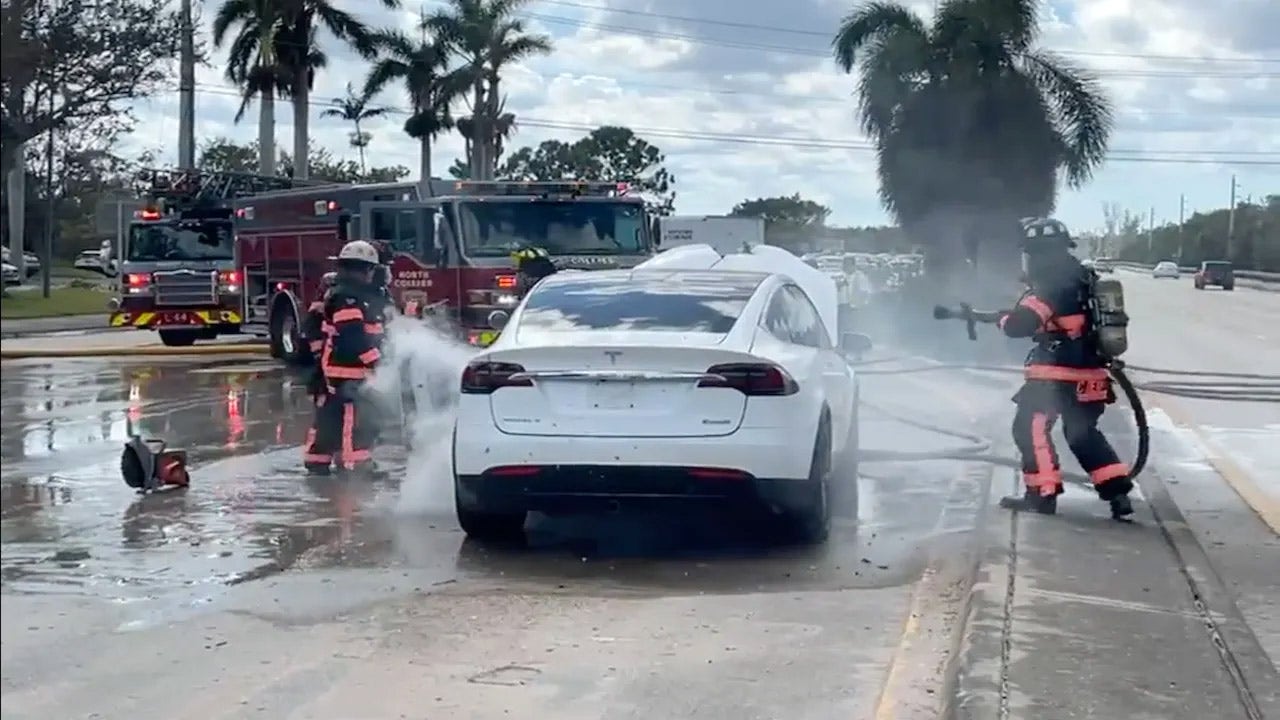
In 2020, a flooded electric vehicle caught fire in Florida. The car was submerged during a hurricane. The battery’s exposure to water led to a chemical reaction. This reaction caused a fire, but not an explosion. Another incident occurred in China in 2019. An electric taxi caught fire after heavy rain. The car was parked on a flooded street. Again, a fire broke out, but no explosion happened. These cases highlight potential risks when electric cars are submerged.
Lessons Learned
Understanding these incidents is key to improving safety measures. Manufacturers now focus on waterproofing electric car batteries. Design improvements aim to prevent water ingress. Awareness among car owners is also crucial. Drivers should avoid parking in flooded areas. Regular maintenance checks can help identify potential risks. These lessons enhance safety for electric car users.
Future Of Electric Vehicle Safety
The future of electric vehicle safety promises exciting developments. As more people switch to electric cars, safety remains a top concern. One common question is about the risk of battery explosions when wet. This worry pushes the industry to enhance safety measures. Let’s explore how technology and trends shape the future of electric vehicle safety.
Technological Advancements
New technologies help make electric cars safer. Battery systems now have protective layers. These layers prevent water from reaching the battery cells. Engineers design these systems to be robust and reliable. Improved cooling systems also play a role. They reduce the risk of overheating, minimizing explosion risks.
Battery management systems are smarter too. They monitor the battery’s health constantly. If a problem arises, the system acts quickly. This prevents accidents before they happen. With ongoing research, future batteries will be even safer.
Industry Trends
Industry trends focus on safety improvements. Companies invest heavily in research and development. They aim to create safer and more efficient batteries. Collaboration between companies is common. Sharing knowledge speeds up safety enhancements.
Regulations also drive safety advancements. Governments set strict safety standards for electric vehicles. Manufacturers must meet these standards to sell their cars. This pushes the industry to innovate and stay ahead.
Consumer demand influences safety trends too. Buyers prioritize safety when choosing a vehicle. This encourages manufacturers to focus on safety features. As the market grows, safety remains a key selling point.

Credit: www.bens-consulting.com
Frequently Asked Questions
Can Wet Electric Car Batteries Explode?
Electric car batteries are designed to be safe. They do not explode when wet. Manufacturers ensure waterproofing measures to prevent water damage. However, prolonged exposure to water can lead to corrosion or electrical issues. It’s always best to avoid submerging your electric vehicle in water.
What Happens If Electric Car Battery Gets Wet?
If an electric car battery gets wet, it may experience reduced efficiency or corrosion. Batteries are sealed to prevent water entry. Short-term exposure usually doesn’t cause explosions. However, long-term exposure might lead to electrical issues. Always ensure the vehicle is properly maintained to avoid water-related problems.
Are Electric Car Batteries Waterproof?
Yes, electric car batteries are generally waterproof. Manufacturers design them with sealing and protective measures to prevent water intrusion. This ensures safety and efficiency even in wet conditions. However, excessive water exposure should be avoided to prevent potential electrical problems or reduced performance.
How Safe Are Electric Car Batteries In Rain?
Electric car batteries are safe in rain due to their waterproof design. Manufacturers ensure that the batteries and electrical systems are protected from water. Driving in rain does not pose a risk of explosion or damage. Regular maintenance ensures continued safety and performance in wet weather.
Conclusion
Electric car batteries are safe when wet. They do not explode easily. Manufacturers design them to withstand harsh conditions. Proper care and maintenance are important. Regular checks can prevent problems. It’s wise to keep the car’s manual handy. Follow safety guidelines for peace of mind.
Electric cars offer many benefits. Eco-friendly and efficient. Don’t let myths deter you. Understanding the technology helps. Electric vehicles are the future. Embrace the change with confidence. Stay informed and drive safely.

Ethan Montgomery is the administrator of carweldhub.com and an expert in the automotive industry. With hands-on experience in welding and a deep understanding of automotive parts and accessories, Ethan brings a wealth of practical knowledge to his work. His passion for the automotive field extends to blog writing and editing, where he shares valuable insights and tips with enthusiasts and professionals alike. Whether you’re looking for detailed technical advice or the latest trends in automotive technology, Ethan’s expertise makes him a trusted resource in the automotive community.