Which Type of Van Will You Convert by Van Tracks: Ultimate Guide
Are you dreaming of turning a van into your perfect home on wheels? Choosing the right type of van to convert is the first and most important step.
The van you pick will shape your entire adventure, affect your budget, and decide how comfortable your travels will be. But with so many options out there, how do you know which one suits your needs best? You’ll discover the key differences between popular van types and learn which one fits your lifestyle, budget, and travel plans.
Keep reading to find out how to make the smartest choice for your van conversion journey.
Popular Van Models
Choosing the right van model is key to a successful conversion. Each van offers unique features and space. Understanding popular models helps you match your needs and budget. Consider size, reliability, and ease of conversion for your adventure.
Sprinter Vans
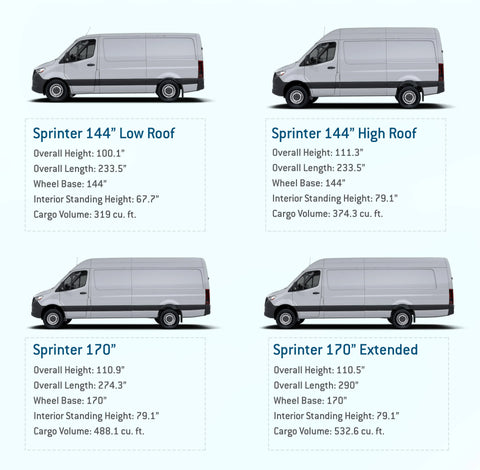
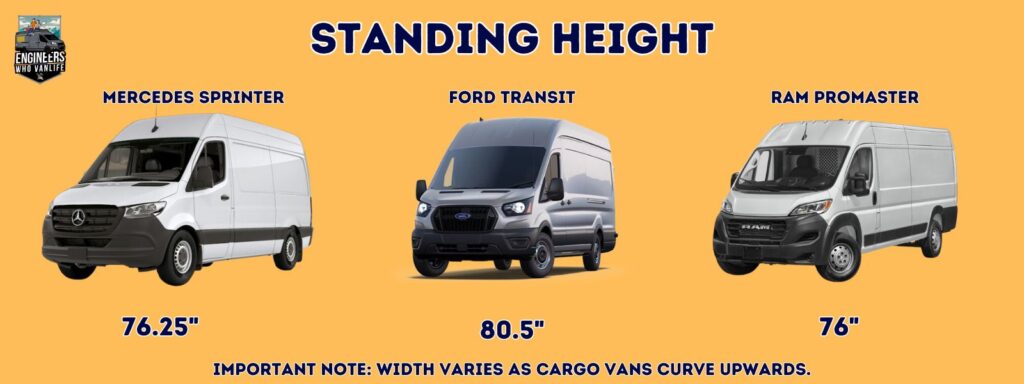
Sprinter vans are famous for their tall ceilings and strong engines. They offer plenty of room for custom layouts. Their durability makes them a top choice for long trips. Many convertibles like Sprinters for comfort and style.
Transit Vans
Transit vans provide a balance of size and maneuverability. They are easier to drive in cities than larger vans. Transit models come in various lengths and roof heights. This flexibility suits many types of camper builds.
Promaster Vans
Promaster vans stand out with their wide bodies and front-wheel drive. This design improves handling on rough roads. The flat floor inside simplifies furniture installation. Promasters are popular for spacious, practical conversions.
Smaller Camper Vans
Smaller camper vans are ideal for solo travelers or couples. They fit into tight parking spaces and use less fuel. These vans often have clever storage solutions to maximize space. Perfect for those wanting simplicity and mobility.
Choosing The Right Size
Choosing the right size van for your conversion is a decision that shapes your entire experience on the road. It affects how comfortable you feel, what amenities you can include, and even how easy it is to drive and park. Think about what you truly need versus what might just be nice to have—this clarity will guide you to the perfect fit.
Compact Vans
Compact vans are ideal if you want something easy to handle and park, especially in urban areas. They often offer better fuel efficiency, which can save money on long trips. While the space is limited, clever design can still provide a cozy sleeping area and basic kitchen setup.
Have you considered how much time you’ll spend driving versus living inside your van? If driving is a big part of your adventure, a compact van might reduce stress behind the wheel. However, think carefully about storage—will your gear fit without making the space feel cramped?
Mid-size Vans
Mid-size vans strike a good balance between roominess and maneuverability. They allow for more comfortable living spaces, including a small dining area or a bathroom. Many people find this size flexible enough for weekend trips or longer journeys.
What’s your priority: more space or easier driving? Mid-size vans often come with options to customize layouts without sacrificing too much ease of handling. Plus, they usually fit into standard parking spaces, which is a big plus if you plan to visit cities.
Large Vans
If you want a home on wheels with all the bells and whistles, large vans are the way to go. They offer plenty of room for full kitchens, bathrooms, and even separate sleeping quarters. This size is great for extended travel or living full-time on the road.
Keep in mind the challenges of driving and parking a large vehicle. Are you comfortable with wider turns and limited parking options? On the upside, having ample space can reduce the need to compromise on comfort or storage.
Considerations For Conversion
Choosing the right van for conversion depends on size, layout, and your travel needs. Consider space, fuel efficiency, and ease of driving before deciding. Different vans offer unique benefits for customizing your mobile home.
Embarking on a van conversion journey is an exciting adventure filled with endless possibilities. As you plan your dream van, considering key conversion elements will ensure your project meets your needs and lifestyle. Let’s dive into some crucial aspects that can transform your van into a cozy and functional haven.Insulation And Ventilation
Keeping comfortable temperatures inside your van is crucial. Insulation plays a pivotal role in maintaining warmth during cold nights and keeping cool on hot days. Materials like sheep wool or foam boards can be effective and eco-friendly choices. Ventilation is equally important to prevent stuffiness and moisture buildup. Installing roof vents or small fans can keep the air fresh and circulation steady. Imagine waking up to a cool breeze instead of a stifling atmosphere—worth considering, right?Electrical Systems
Powering your van’s amenities requires a reliable electrical system. Begin by assessing your energy needs—will you need to charge devices, run lights, or power a fridge? Solar panels are a popular choice, offering sustainable energy and reducing dependency on external power sources. Consider installing a battery system to store energy efficiently. A well-thought-out electrical setup can mean the difference between a seamless experience and frustrating outages. What gadgets and comforts can you not live without?Plumbing Options
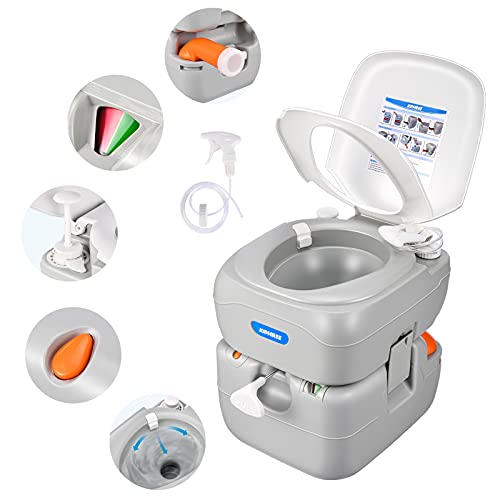
Decide if your van will have a simple water setup or a full-fledged plumbing system. For basic needs, a portable water tank and manual pump can suffice, allowing easy access to fresh water. If you prefer more amenities, consider installing a sink with a grey water tank. This setup can mimic home conveniences while ensuring environmental responsibility. Picture yourself washing dishes after a hearty meal—simple pleasures that make van life enjoyable. Ultimately, the choices you make in these areas will shape your van’s functionality and comfort. Each decision should reflect how you envision your travels. Which features will make your van conversion uniquely yours?Budget And Cost Factors
Choosing the right van for your conversion project means balancing your budget carefully. Understanding the different cost factors upfront can save you headaches later. Let’s break down the key expenses so you know what to expect and where you might need to adjust your plans.
Van Purchase Price
The initial cost of the van is often the biggest part of your budget. New vans offer reliability but come with a higher price tag, while used vans can be much cheaper but might need more repairs. Think about how long you plan to keep the van and how much you’re willing to invest upfront.
For example, a popular choice like the Ford Transit can range from $30,000 for a used model to over $50,000 brand new. Have you checked local listings and compared prices? Sometimes a slightly older model with low mileage can be the sweet spot.
Conversion Expenses
Conversion costs vary widely depending on how fancy or basic your build is. Materials like insulation, flooring, and cabinetry add up quickly, especially if you want high-quality finishes. Don’t forget about essential systems like plumbing and electrical wiring, which can be costly if you’re not doing the work yourself.
- Basic conversion kits start around $3,000
- Custom builds with solar panels, kitchen units, and heating can exceed $20,000
- DIY projects cut labor costs but require time and skill
Have you thought about prioritizing which features are must-haves and which can wait? This approach can help spread out expenses over time.
Maintenance Costs
Maintenance is often overlooked but can impact your budget significantly. Vans with diesel engines might offer better fuel economy but require specific care and sometimes more expensive parts. Regular servicing, tire changes, and unexpected repairs are part of the ongoing costs you should plan for.
Keeping a maintenance log and setting aside a monthly budget can prevent surprises. What’s your plan for handling repairs on the road? Being prepared with a little extra cash can make all the difference in your adventure’s smoothness.
Lifestyle And Usage
Your lifestyle and how you plan to use your van shape the perfect conversion. Different needs call for different setups. Understanding your daily habits and travel plans helps you choose the right van type to fit your unique situation.
Full-time Living
Living in your van every day means you need space, comfort, and reliable systems. Consider a high-roof van that lets you stand up and move around easily. Adding a fixed bed, kitchen, and plenty of storage will make a big difference in your daily comfort.
Think about insulation and ventilation carefully—your van should be cozy in winter and cool in summer. Power systems like solar panels and a good battery bank become essential here. Ask yourself: How much time will you spend inside? This will guide your layout and features.
Weekend Getaways
If your van is mainly for short trips, prioritize easy setup and flexibility. A smaller van might be better for quick drives and parking in tight spots. You can get creative with foldable furniture or multi-use spaces to maximize comfort without permanent installations.
Fast set-up and breakdown times can keep your weekends hassle-free. Think about what gear you bring along—surfboards, bikes, or camping equipment—and make sure there’s room for it. Would you rather have more living space or more cargo room for your adventures?
Adventure And Work
Combining work with adventure means your van must be both functional and comfortable. You’ll need a workspace with a desk or table and strong internet options like a mobile hotspot. Storage should be organized so work gear and outdoor equipment don’t get mixed up.
Consider vans with extra power outlets and lighting to support your work hours. Durability matters; off-road capability might be a must if your job takes you to remote locations. How can your van support your productivity while keeping your adventurous spirit alive?

Credit: 2pines.com
Pros And Cons By Van Type
Choosing the right van for your conversion is a big decision. Different van types offer unique benefits and challenges. Knowing the pros and cons helps you pick the best fit for your needs. This section breaks down key factors by van type to guide your choice.
Durability And Reliability
Some vans are built tough for heavy use. Larger vans often have stronger frames and engines. They can handle rough roads and heavy loads better. Smaller vans might need more frequent repairs. Parts for popular models are easy to find everywhere. Some vans have better service records and longer lifespans. Check user reviews to find reliable models.
Fuel Efficiency
Fuel costs affect your budget over time. Smaller vans usually use less fuel. They are ideal for city driving and short trips. Larger vans consume more fuel but carry more gear. Diesel engines often offer better mileage than gasoline. Electric vans can save fuel but may limit travel distance. Consider your typical routes and fuel prices.
Customization Flexibility
Space and layout options vary by van type. High-roof vans allow standing room inside. Long-wheelbase vans offer more floor space for beds and storage. Compact vans are easier to park but limit design choices. Some vans have flat floors for easier build-outs. Windows and door placements affect light and access. Choose a van that fits your design plans well.
Finding Your Van Conversion Partner
Choosing the right partner for your van conversion is key to a successful project. The right team understands your needs and turns your vision into reality. This partner should offer clear communication, skilled craftsmanship, and reliable support throughout the process.
Van Tracks stands out as a trusted name in van conversions. Their services, customer feedback, and customization options make them a solid choice for many van owners. Exploring these aspects helps you decide if they are the right fit for your build.
Van Tracks Services
Van Tracks offers complete conversion packages. They handle everything from insulation to electrical setup. Their experts work with various van models. They ensure quality and safety in every step. Services include:
- Flooring and wall panel installation
- Custom kitchen and storage solutions
- Electrical wiring and solar panel fitting
- Heating and ventilation systems
Each service is designed to create a comfortable, functional living space.
Customer Reviews
Clients praise Van Tracks for professionalism and attention to detail. Many highlight timely delivery and clear communication. Reviews show high satisfaction with final results. Common points include:
- Friendly and helpful customer support
- Strong craftsmanship and durable materials
- Flexibility in design changes
- Good value for the price paid
Positive feedback builds trust and confidence in their work.
Customization Options
Van Tracks offers tailored solutions for every project. They adapt layouts to suit individual needs. Options cover:
- Bed styles and sizes
- Kitchen configurations and appliances
- Storage compartments and shelving
- Electrical and lighting setups
Clients can choose materials and finishes. This ensures a unique van that feels like home.
Credit: engineerswhovanlife.com

Credit: 2pines.com
Frequently Asked Questions
What Types Of Vans Are Best For Conversion?
The best vans for conversion are panel vans, camper vans, and cargo vans. These offer ample space, durability, and customization potential for various needs.
How Do Van Sizes Affect The Conversion Process?
Van sizes impact layout options, storage capacity, and comfort. Larger vans provide more flexibility but may be harder to maneuver and park.
Are High Roof Vans Better For Conversions?
High roof vans offer more headroom, making them ideal for comfortable living spaces. They allow standing inside and better storage solutions.
Can All Vans Be Converted Into Campers?
Most vans can be converted, but suitability depends on size, condition, and structure. Proper planning ensures an efficient and safe camper build.
Conclusion
Choosing the right van for your conversion is key to success. Consider your needs, space, and budget carefully. Each van type offers unique benefits and challenges. Think about how you will use the van every day. Take your time to research and compare options well.
This helps you find a van that fits your lifestyle best. Start your van conversion journey with confidence and clear goals. Your perfect van awaits, ready to become your new home or adventure vehicle.

Automotive Specialist & Expert Writer
Tyler Kingston is a passionate automotive writer with a wealth of knowledge in all things cars. With years of experience in the automotive industry, Tyler specializes in everything from vehicle maintenance to the latest car technologies and innovations. He is known for his ability to break down complex automotive concepts into easily digestible, engaging content for both novice and experienced car enthusiasts. Whether it’s detailing car repair techniques, reviewing new car models, or diving into the world of auto accessories, Tyler’s articles provide valuable insights to readers. His hands-on experience, combined with a genuine love for cars, allows him to deliver expert advice, tips, and news that keeps readers coming back for more.