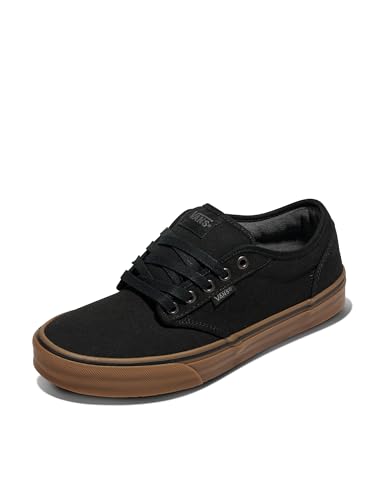
Are Vans Good for Hiking: Expert Insights and Honest Review
Are you wondering if Vans shoes can handle your next hiking trip? You might love their style and comfort for everyday wear, but when it comes to hitting the trails, you need more than just a cool look.
Your feet deserve support, grip, and protection on rough paths. You’ll discover whether Vans are up to the challenge or if you should look for something else. Keep reading to find out what really works for your hiking adventures.
Vans Hiking Shoe Features
Vans hiking shoes bring a unique style to outdoor footwear. They blend classic Vans design with features fit for light hiking. These shoes offer durability and comfort for short trails or casual walks in nature. Below, explore the key features that define Vans hiking shoes.
Material And Build Quality
Vans hiking shoes use strong materials like suede and canvas. These fabrics provide good durability and breathability. Reinforced stitching adds extra strength to the shoe. Some models include water-resistant coatings to handle damp conditions. The build focuses on balancing toughness with flexibility.
Sole Design And Traction
The soles feature rubber compounds known for grip and wear resistance. Vans use a waffle tread pattern that offers decent traction on dry surfaces. The sole design aims to provide stability on uneven ground. While not as aggressive as specialized hiking boots, the grip suits easy to moderate trails.
Comfort And Fit
Comfort is a key point in Vans hiking shoes. Padded collars and cushioned insoles reduce foot fatigue. The fit is generally snug, matching Vans’ street shoe style. Some models have extra arch support to improve hiking comfort. Breathable lining helps keep feet dry during activities.
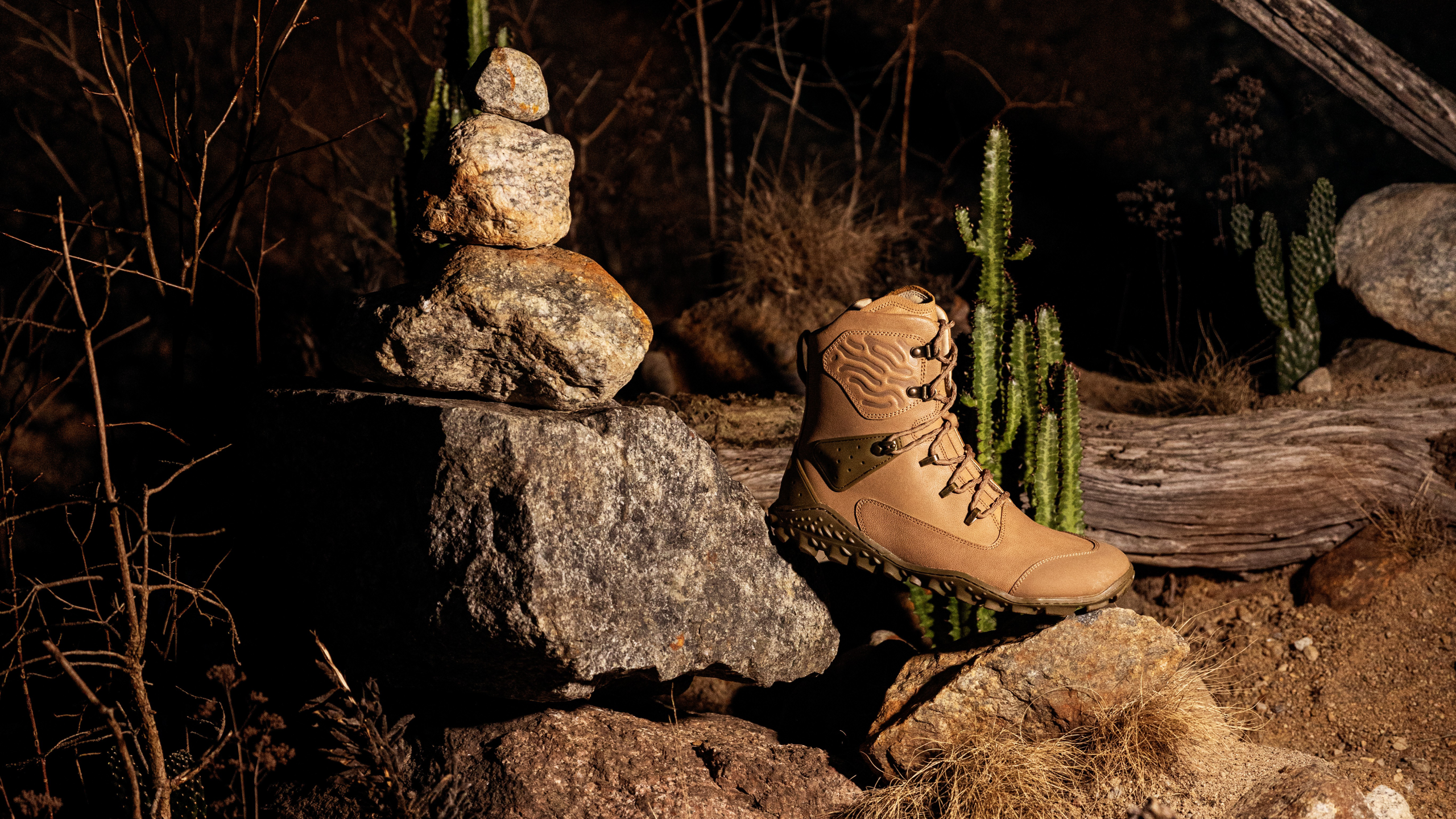
Credit: www.fieldmag.com
Performance On Trails
Performance on trails is key when deciding if Vans are suitable for hiking. Trails demand shoes that can handle rough paths, wet conditions, and provide firm support. Vans shoes offer certain features that affect how well they perform outdoors.
Durability In Rough Terrain
Vans are built with sturdy materials like thick canvas and rubber soles. They can resist scratches from rocks and branches. Yet, they lack heavy-duty reinforcement found in specialized hiking boots. Vans work best on easy to moderate trails with less sharp or uneven surfaces.
Water Resistance And Breathability
Most Vans are not waterproof. Canvas lets water seep in quickly during rain or crossing streams. Breathability is good because canvas allows air flow, keeping feet cool. This makes Vans better for dry trails but less ideal for wet or muddy conditions.
Support And Stability
Vans have flat soles and minimal arch support. This may cause discomfort on long hikes or steep paths. Their low-cut design offers little ankle support, increasing the risk of twists. Vans suit short walks or urban trails but fall short for tough hikes needing strong stability.
Comparing Vans With Traditional Hiking Shoes
Choosing the right footwear can make or break your hiking experience. Vans, known for their casual and skate styles, are often considered for hiking by some adventurous souls. But how do they stand up against traditional hiking shoes designed specifically for rough terrains? Let’s break down the key differences so you can decide what works best for your next trail.
Weight And Flexibility
Vans are generally lightweight and flexible, which can feel great for short walks or urban hikes. Their thin soles allow your feet to move naturally, giving a barefoot-like experience. However, traditional hiking shoes often weigh a bit more because they include sturdier materials and supportive midsoles designed to protect your feet over long distances.
If you value agility and minimalism, Vans might seem appealing. But ask yourself: do you need that extra support and stability on uneven trails that hiking shoes provide?
Protection And Cushioning
Traditional hiking shoes offer reinforced toe caps, padded collars, and cushioned insoles to guard your feet against rocks, roots, and sharp objects. Vans lack these protective features, which means your feet might be more vulnerable to injury on rugged paths.
While Vans come with a flat canvas or suede upper, they don’t absorb shock well. This can lead to foot fatigue or discomfort during long hikes. If you’ve ever felt your feet ache after walking on rocky ground, you’ll understand why cushioning matters.
Price And Value
One advantage of Vans is their affordability compared to many hiking shoes, which can be quite expensive due to technical materials and design. If you’re hiking occasionally on easy trails, Vans might offer decent value for casual use.
But consider this: investing in a pair of quality hiking shoes could save you from costly foot injuries and discomfort down the road. Sometimes spending a bit more upfront means better protection and longer-lasting gear.
Ideal Hiking Conditions For Vans
Vans might not be the first choice that pops into your head for hiking footwear, but they can work well under the right conditions. Understanding where and when Vans can perform helps you decide if they fit your hiking plans. Let’s break down the ideal situations to wear Vans and still enjoy your outdoor adventure safely and comfortably.
Short Day Hikes
Vans are great for short day hikes that don’t involve rugged terrain or steep climbs. Their flat soles provide decent grip on smooth, even paths where you won’t need extra ankle support. If you’re planning a hike that lasts a couple of hours and sticks to well-maintained trails, Vans can keep your feet comfortable without the bulk of heavier hiking boots.
Think about your last quick hike around a local park or nature reserve. Did you notice how much your feet appreciated lighter shoes? Vans offer that lightness and breathability, making them a smart choice for these casual outings.
Urban And Light Trails
Urban hikes and light trails are perfect for Vans. Sidewalks, paved paths, and dirt trails with minimal obstacles play to Vans’ strengths. Their flexible soles and casual style make transitioning from city streets to nature smoother and more stylish.
Have you ever explored a city park or a trail that winds through suburban neighborhoods? Vans fit right in here, giving you good traction without the stiffness of hiking-specific shoes. You won’t have to switch shoes between errands and a scenic stroll.
Avoiding Harsh Weather
Vans aren’t built for wet, muddy, or icy conditions. Their canvas material absorbs water easily, and lack of insulation means cold weather can quickly make your feet uncomfortable. Save your Vans for dry, mild days to keep your feet dry and warm.
Imagine getting caught in a sudden rainstorm wearing Vans—your feet would soak quickly, increasing the risk of blisters or discomfort. Do you really want to deal with soggy shoes miles from your car? Keeping Vans for fair weather hikes ensures you stay comfortable and safe.
User Reviews And Expert Opinions
Many hikers find Vans comfortable for short, easy trails but not ideal for rough terrain. Experts say Vans lack strong support and grip needed for serious hiking. User reviews often mention style and comfort but warn against using them on challenging hikes.
Are Vans Good for Hiking? Exploring User Reviews and Expert Opinions Vans are known for their street style and comfort. But are they suitable for hiking? User reviews and expert opinions offer a mix of insights. Let’s delve into what people are saying.Positive Experiences
Many users appreciate Vans for their casual look. They enjoy the comfort during short hikes. Some find the grip adequate on simple trails. Lightweight design is often praised. Vans offer flexibility and ease of movement. Users also love the breathable material.Common Complaints
Durability is a frequent concern among hikers. Vans may not withstand rugged terrain. Some users mention a lack of ankle support. Wet conditions can be challenging due to limited waterproof features. The sole might wear out faster on rough paths. Comfort decreases on long hikes, according to some reviews.Recommendations
Experts suggest using Vans for urban hikes. Pair them with quality socks for better comfort. Consider trails with mild terrain. Avoid rocky or steep paths. Keep an eye on weather conditions. Carry a backup pair for longer adventures.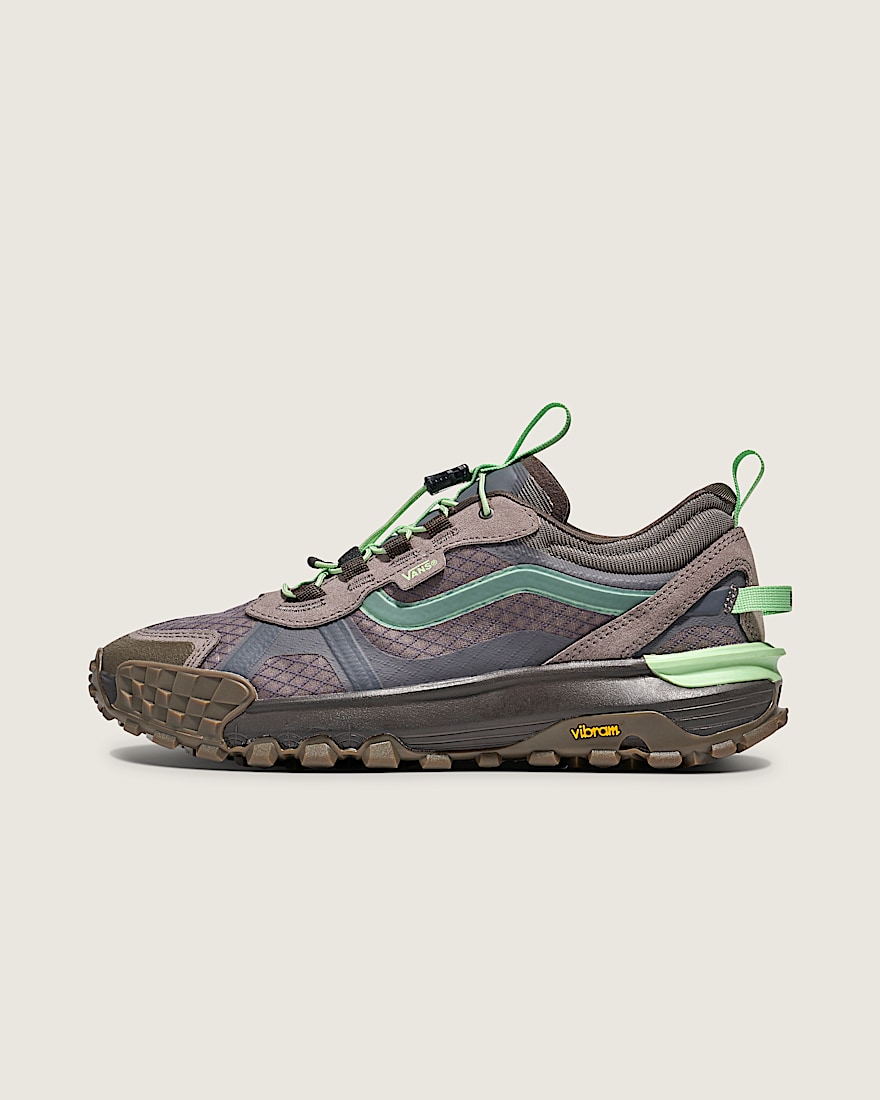
Credit: www.vans.com
Tips For Hiking With Vans
Hiking with Vans can be a fun experience with the right preparation. These shoes are stylish and comfortable but need some care to perform well on trails. Here are some helpful tips to make your hikes easier and more enjoyable while wearing Vans.
Breaking Them In
New Vans may feel stiff at first. Wear them around the house or on short walks to soften the material. This helps prevent blisters during hikes. Gradually increase the time you wear them before hitting a long trail.
Choosing The Right Pair
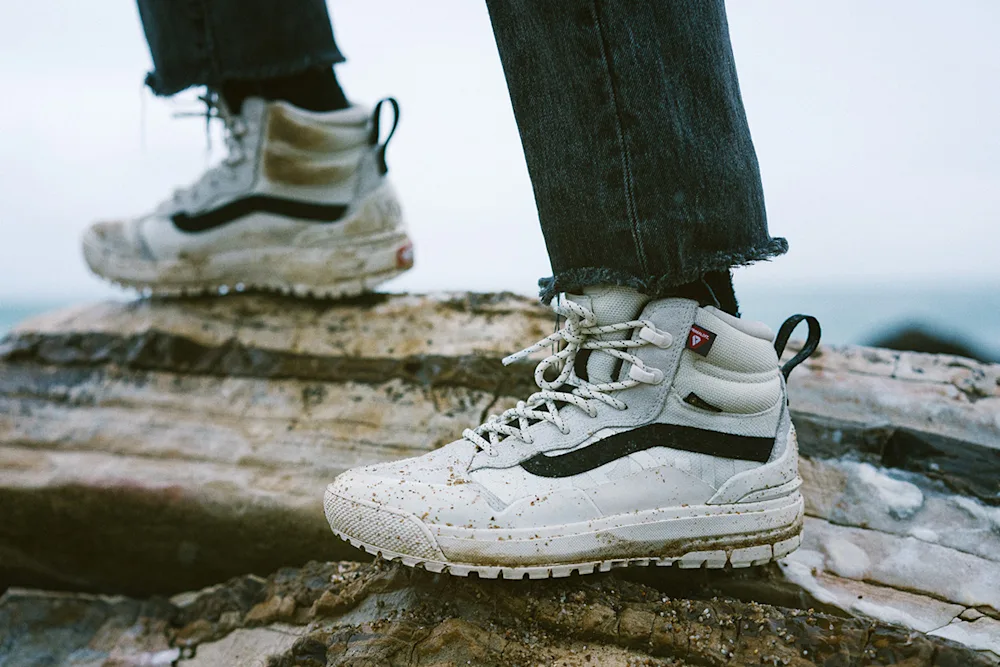
Pick Vans with sturdy soles and good grip for hiking. Look for models with thicker rubber and reinforced areas. Low-top shoes allow better ankle movement, while high-tops offer more support. Consider the terrain and weather before selecting your pair.
Maintenance And Care
Keep your Vans clean to extend their life. Brush off dirt after each hike and use mild soap for stains. Avoid soaking them in water to protect the material. Let them dry naturally, away from direct heat sources.
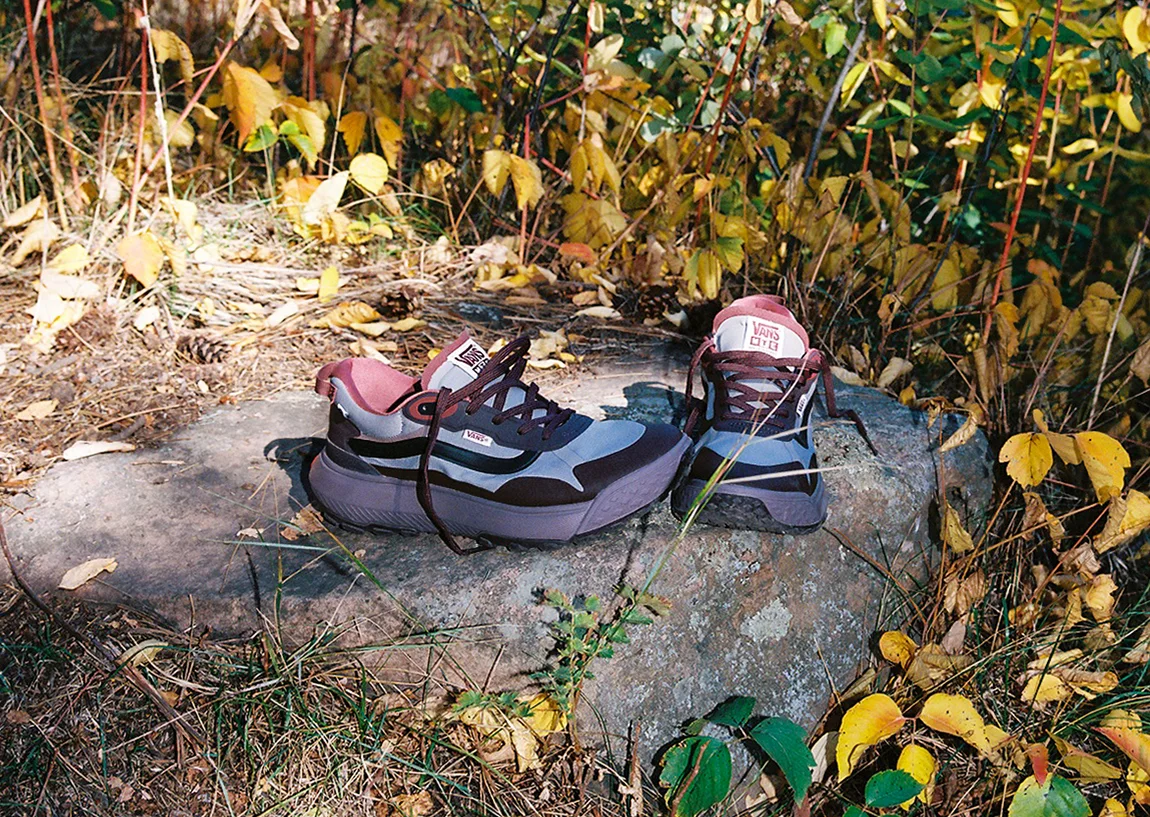
Credit: www.fieldmag.com
Frequently Asked Questions
Are Vans Suitable For Light Hiking Trails?
Vans can handle light hiking trails due to their flexible soles and casual design. However, they lack advanced support and waterproofing needed for tough terrains.
How Do Vans Compare To Traditional Hiking Boots?
Vans offer style and comfort but fall short in ankle support and durability. Hiking boots provide better protection, grip, and are designed for rugged outdoor use.
Can Vans Provide Good Grip On Hiking Surfaces?
Vans have waffle-patterned soles that offer decent grip on flat surfaces. They may struggle with slippery or uneven terrains compared to specialized hiking shoes.
Are Vans Comfortable For Long Hiking Trips?
Vans are comfortable for casual wear but may cause foot fatigue on long hikes. Proper hiking shoes have cushioning and support designed for extended outdoor activities.
Conclusion
Vans shoes offer comfort for short, easy hikes. They lack strong support for rough trails. For serious hiking, choose boots made for the outdoors. Still, Vans work well for casual walks and city hikes. Think about your trail and needs first.
Pick footwear that keeps your feet safe and dry. Good shoes make hiking more fun and less tiring. Choose wisely for every adventure ahead.

Automotive Specialist & Expert Writer
Tyler Kingston is a passionate automotive writer with a wealth of knowledge in all things cars. With years of experience in the automotive industry, Tyler specializes in everything from vehicle maintenance to the latest car technologies and innovations. He is known for his ability to break down complex automotive concepts into easily digestible, engaging content for both novice and experienced car enthusiasts. Whether it’s detailing car repair techniques, reviewing new car models, or diving into the world of auto accessories, Tyler’s articles provide valuable insights to readers. His hands-on experience, combined with a genuine love for cars, allows him to deliver expert advice, tips, and news that keeps readers coming back for more.