Was Van Gogh a Christian? Unveiling His Spiritual Journey
Have you ever wondered if Vincent van Gogh, one of the most famous painters in history, was a Christian? His art is full of emotion and meaning, but what about his faith?
Understanding Van Gogh’s beliefs can change the way you see his work and life. You’ll discover surprising facts about his spiritual journey and how it influenced his paintings. Keep reading to uncover the truth behind the artist’s connection to Christianity—you might be amazed by what you learn.
Credit: www.ncregister.com
Early Religious Influences
Vincent van Gogh’s early life was shaped by strong religious surroundings. His family’s faith and his childhood experiences played a key role in his spiritual outlook. These early influences left marks on his art and personal beliefs.
Family Background And Faith
Van Gogh grew up in a family with deep Christian roots. His father was a pastor in the Dutch Reformed Church. Religion was a daily presence at home. The family valued church attendance and Bible study. This environment encouraged Vincent to think about faith from a young age. It gave him a sense of moral duty and a quest for meaning.
Childhood And Church Exposure
Vincent attended church regularly as a child. Services and hymns were part of his early routine. He also read religious books and stories. These experiences created a lasting impression on him. The solemn atmosphere of the church influenced his view of life and suffering. This early exposure planted seeds of spirituality that appeared in his later work.

Credit: www.americamagazine.org
Van Gogh’s Spiritual Struggles
Van Gogh’s spiritual struggles reveal a deep and complex journey. His search for faith shaped much of his life and work. Torn between belief and doubt, he wrestled with questions about God and meaning. This inner conflict influenced his art and letters.
Quest For Meaning
Van Gogh’s life was a quest for purpose beyond the visible world. He sought answers in religion and nature. Early on, he tried to become a preacher. His hope was to help others find comfort and truth.
Art became another way to express his spiritual search. Through painting, he explored beauty and human pain. His colors and brushstrokes often reflected his feelings about life and faith.
Periods Of Doubt And Faith
Van Gogh experienced moments of strong faith and deep doubt. At times, he felt close to God and hopeful. Other times, he doubted his beliefs and felt lost.
His letters show how he questioned religious teachings and struggled with his mental health. These ups and downs marked his spiritual life. They reveal a man trying hard to understand himself and the world.
Religious Themes In Art
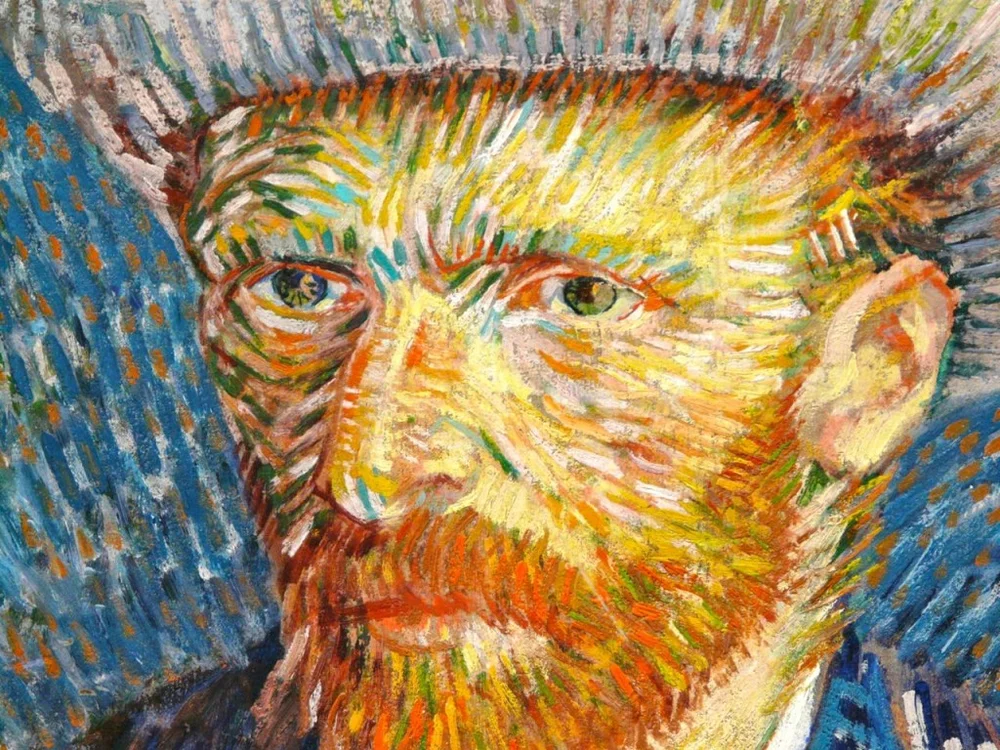
Vincent van Gogh’s art often reflects deep religious themes. These themes reveal his spiritual struggle and quest for meaning. Despite being considered a non-traditional Christian, his paintings show biblical influences. His works exhibit a profound understanding of faith and spirituality.
Biblical Motifs
Van Gogh’s art often features biblical motifs. He drew inspiration from the Bible’s narratives. Paintings like “The Good Samaritan” show clear biblical references. These works illustrate compassion and human kindness. Van Gogh used these stories to express his own beliefs.
Symbolism And Expression
Symbolism plays a key role in Van Gogh’s religious themes. He used color and form to express spirituality. Bright colors represent hope and renewal. Dark tones convey struggle and despair. This use of symbolism reflects his emotional and spiritual journey.
Connections With Christianity
Vincent van Gogh’s connection with Christianity reveals a complex and personal journey. His life was marked by deep spiritual questions and moments of faith. Although not a traditional believer, his work and words reflect Christian themes and struggles. Exploring these connections sheds light on his inner world and artistic inspiration.
Letters And Writings
Van Gogh’s letters show his thoughts about faith and God. He often wrote about his search for meaning and truth. At times, he expressed hope and trust in divine guidance.
His early letters reveal a strong interest in the Bible and Christian teachings. He read scripture often and tried to understand its message deeply. Yet, he also questioned and doubted many religious ideas. This struggle appears in his art and words.
Interactions With Religious Figures
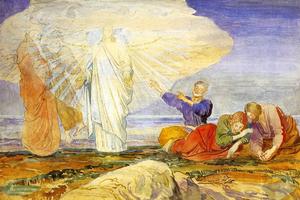
Van Gogh met several religious people who influenced his spiritual path. One notable figure was his uncle, a minister, who inspired him to consider a religious life. Van Gogh even worked as a preacher in a mining community.
He also sought advice from pastors and friends about his faith. These interactions often challenged him but also offered comfort. They helped shape his complex views on Christianity and spirituality.
Alternative Spiritual Beliefs
Van Gogh’s spiritual journey was far from straightforward. While many wonder if he was a Christian, it’s clear his beliefs went beyond traditional labels. His spirituality blended various ideas, showing an openness to different ways of understanding life and existence.
Influence Of Other Philosophies
Van Gogh didn’t limit himself to Christian teachings. He was deeply influenced by philosophies like Buddhism and the writings of secular thinkers. These ideas shaped how he saw suffering, compassion, and the human condition.
He read works by thinkers who questioned organized religion, which helped him form his own views. This mix of beliefs gave him a unique spiritual outlook that wasn’t confined to one faith. You might find it interesting how his letters reveal this blend, showing curiosity rather than strict adherence.
Personal Interpretation Of Faith
Van Gogh’s faith was personal and evolving. He didn’t follow rituals blindly but sought meaning through his art and experiences. His paintings often reflect a search for hope and redemption, themes common in spirituality but expressed in his own way.
Think about your own beliefs—how do you balance tradition with personal understanding? Van Gogh’s journey suggests spirituality can be fluid, shaped by what resonates with you personally rather than what you’re told to believe.
Legacy Of Van Gogh’s Spirituality
Van Gogh’s spirituality leaves a deep mark on how we understand both his art and his life. His faith was not straightforward, yet it shaped his worldview and creative expression in profound ways. Understanding this legacy invites you to see his paintings and letters through a richer, more personal lens.
Impact On Art And Culture
Van Gogh’s spiritual journey influenced his use of color and light, giving his work a unique emotional intensity. You can feel his search for meaning in paintings like The Starry Night, where swirling skies hint at something beyond the visible world.
This connection between faith and creativity has inspired many artists to explore their own spirituality. Museums and exhibitions often highlight this aspect, encouraging visitors to think about the role of belief in art.
- His art challenges you to consider how inner struggles can fuel creativity.
- It opens a dialogue about the relationship between mental health and spirituality.
- Van Gogh’s story reminds you that faith can be complex and evolving, not just fixed beliefs.
Modern Perspectives On His Faith
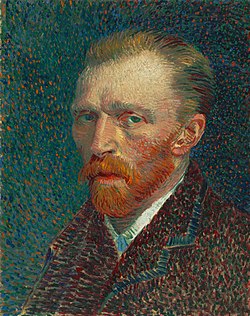
Today, scholars and fans debate whether Van Gogh was a traditional Christian or someone forging a new spiritual path. His early life was steeped in Christian teachings, but his later letters reveal doubts and questions that many can relate to.
Reflect on your own spiritual doubts or beliefs. Van Gogh’s honesty about his struggles might help you accept that faith can change over time.
Some see his spirituality as a form of personal resilience, a way to cope with hardship rather than strict religious adherence. This modern view makes his story accessible and relevant, encouraging you to explore spirituality on your own terms.
Credit: en.wikipedia.org
Frequently Asked Questions
Was Van Gogh Raised In A Christian Family?
Yes, Van Gogh was raised in a devout Christian family. His father was a Protestant minister, influencing his early religious views.
Did Van Gogh Practice Christianity During His Life?
Van Gogh struggled with faith but remained spiritually curious. He never formally abandoned Christianity but questioned many beliefs.
How Did Christianity Influence Van Gogh’s Artwork?
Christian themes appear in Van Gogh’s art, reflecting his search for hope and redemption amid personal struggles.
Was Van Gogh’s Faith Connected To His Mental Health?
Van Gogh’s faith and mental health were intertwined, with his spirituality providing comfort during his emotional challenges.
Conclusion
Van Gogh’s faith was complex and personal. He struggled with religion but sought meaning. His art shows deep emotion and spirituality. Beliefs may have changed over time. His life reflects a search for hope and truth. Understanding his faith helps us see his work better.
Many find inspiration in his honest journey. Faith and doubt often lived side by side for him. This mix shaped his unique view of the world.

Automotive Specialist & Expert Writer
Tyler Kingston is a passionate automotive writer with a wealth of knowledge in all things cars. With years of experience in the automotive industry, Tyler specializes in everything from vehicle maintenance to the latest car technologies and innovations. He is known for his ability to break down complex automotive concepts into easily digestible, engaging content for both novice and experienced car enthusiasts. Whether it’s detailing car repair techniques, reviewing new car models, or diving into the world of auto accessories, Tyler’s articles provide valuable insights to readers. His hands-on experience, combined with a genuine love for cars, allows him to deliver expert advice, tips, and news that keeps readers coming back for more.