Are All Jeeps 4 Wheel Drive? Uncover the Truth
Have you ever found yourself daydreaming about conquering rugged terrains or cruising through snowy landscapes? If so, you might have imagined doing it in a Jeep.
But before you let your imagination run wild, there’s a question that often pops up: Are all Jeeps equipped with 4-wheel drive? It’s a common assumption that Jeeps are built for adventure, but not all models are created equal. Understanding the differences could mean the difference between a smooth ride and a bumpy reality.
We’ll unravel the truth behind Jeep’s 4-wheel drive capabilities and help you discover which model fits your adventurous spirit best. Whether you’re planning an off-road escapade or simply curious about what makes Jeeps tick, this is your guide to navigating the world of Jeep vehicles with confidence. Dive in, and let’s explore!
Jeeps: A Brief History
Jeeps hold a special place in automotive history. Known for their ruggedness and versatility, Jeeps have captured the hearts of adventure seekers worldwide. Their journey began during World War II and has evolved remarkably over the decades.
Origins Of The Jeep
The Jeep story starts in the 1940s. Designed for military use, these vehicles needed to be tough and reliable. The first Jeep, called the Willys MB, was created for the U.S. Army. It was essential for transporting soldiers and equipment across rough terrains.
Post-war Popularity
After the war, the Jeep gained civilian interest. People admired its durability and off-road capabilities. The CJ, or Civilian Jeep, was introduced to the public. It quickly became popular among farmers, ranchers, and outdoor enthusiasts.
Evolution Over Time
Jeeps have seen major changes since their inception. They evolved from basic military vehicles to versatile SUVs. Modern Jeeps offer comfort and technology while retaining their signature off-road prowess.
Jeep Models And Their Drive Options
Not all Jeeps are four-wheel drive. Some models offer two-wheel drive for city use. Popular models like the Wrangler often come with four-wheel drive. This ensures they handle rough terrains effortlessly.
Understanding 4 Wheel Drive
Many people think all Jeeps come with 4-wheel drive. It’s a common belief. But not all Jeeps have this feature. Understanding 4-wheel drive helps clarify its importance. This system plays a key role in off-road and rough terrains. Let’s dive into what 4-wheel drive means and its benefits.
Definition And Functionality
4-wheel drive, often called 4WD, powers all four wheels of a vehicle. This system distributes power equally to each wheel. It enhances traction on difficult surfaces. Think snowy roads or muddy paths. 4WD systems can be part-time or full-time. Part-time 4WD is driver-controlled. You engage it when needed. Full-time 4WD works continuously. It automatically adjusts to road conditions.
Benefits Of 4 Wheel Drive
4-wheel drive offers significant advantages. First, it provides better traction. This is crucial on slippery or uneven surfaces. Your vehicle stays stable and safe. Second, it enhances off-road capability. You can explore remote areas with confidence. Third, it improves towing power. You can haul heavy loads without worry. Lastly, 4WD increases vehicle resale value. It’s a desirable feature for many buyers.
Jeeps With 4 Wheel Drive
When you think of adventure and rugged terrain, Jeeps likely spring to mind. Known for their robust design and off-road prowess, many Jeeps come equipped with 4 Wheel Drive (4WD). But are all Jeeps 4WD? Not necessarily. While 4WD is a hallmark of the Jeep brand, not every model has it. However, Jeeps with 4WD are celebrated for their ability to tackle challenging landscapes.
Popular 4wd Models
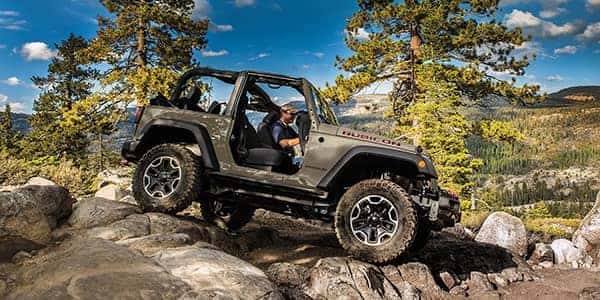
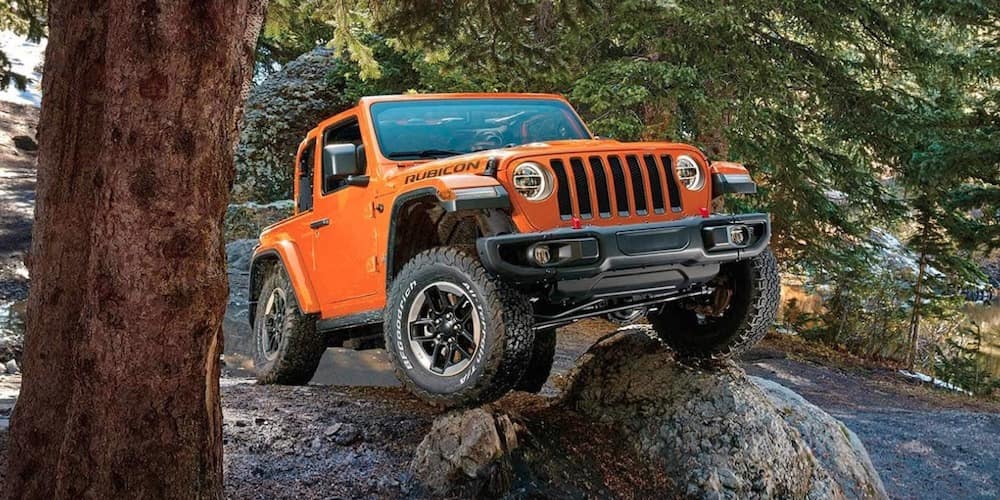
Jeep has several popular models that boast 4WD capabilities. The Jeep Wrangler is perhaps the most iconic, often seen climbing steep hills or traversing muddy trails. Its design screams adventure, and it delivers on that promise with its robust 4WD system.
The Grand Cherokee also stands out with its advanced 4WD options. It’s perfect for those who want a mix of luxury and off-road performance. Whether you’re heading to the mountains or driving through snow, the Grand Cherokee is a reliable choice.
Have you ever tried the Jeep Gladiator? This model combines a pickup’s utility with a Jeep’s adventurous spirit. Its 4WD system ensures you can haul your gear into the wild without getting stuck.
Off-road Capabilities
What sets Jeeps apart when it comes to 4WD is their exceptional off-road capabilities. Picture yourself navigating rocky trails or muddy paths; a Jeep with 4WD can handle it all. These vehicles are engineered to tackle diverse terrains, providing grip and stability where other cars might falter.
Have you ever wondered why Jeep enthusiasts are so passionate? It’s because these vehicles offer freedom and adventure. You have the confidence to explore remote areas without worrying about the road conditions.
But how does this benefit you? Owning a Jeep with 4WD means you can plan spontaneous trips to places others only dream about. Imagine breaking away from the everyday grind to find hidden waterfalls or untouched forests. The possibilities are endless.
Do you crave adventure? A Jeep with 4WD could be your ticket to the great outdoors. Whether you’re an off-road novice or a seasoned explorer, the journey becomes just as exciting as the destination.
2 Wheel Drive Jeeps
Many people assume all Jeeps come with four-wheel drive, but that’s not true. Some Jeeps offer two-wheel drive options. These models provide good performance on paved roads and are often more budget-friendly.
Have you ever wondered if all Jeeps are built for off-roading with their renowned 4-wheel drive? Surprisingly, not all Jeeps come with 4WD. Some models are equipped with a 2-wheel drive (2WD) system. These vehicles offer different advantages and can be a practical choice depending on your needs. If you’re considering a Jeep for your next vehicle, it’s essential to know why a 2WD model might be the perfect fit for you.Common 2wd Models
Many Jeep enthusiasts are familiar with models like the Jeep Wrangler or Cherokee, often associated with rugged 4WD capabilities. However, some Jeeps, like specific trims of the Jeep Compass or Renegade, are available in a 2WD version. These models cater to drivers who primarily use their vehicles for city driving rather than tackling rocky terrains. A 2WD Jeep can be an excellent choice if you live in an area with mild weather and well-paved roads. Some Jeep owners choose 2WD models for daily commutes, enjoying the iconic Jeep look without the extra off-road equipment.Reasons For Choosing 2wd
Why would someone opt for a 2WD Jeep over the more popular 4WD version? One compelling reason is fuel efficiency. Without the extra weight and mechanical complexities of a 4WD system, 2WD Jeeps often have better gas mileage, which can save you money at the pump. Cost is another factor. Typically, 2WD models are less expensive than their 4WD counterparts. If you don’t plan on off-roading or live in a climate where snow and mud aren’t a concern, a 2WD Jeep could be a smart financial decision. Finally, consider the maintenance aspect. A simpler drivetrain means potentially fewer repairs and lower maintenance costs over time. If your driving adventures are more about cruising down highways than climbing steep hills, a 2WD Jeep might be just what you need. Have you ever driven both a 4WD and a 2WD vehicle? How did they compare in your experience? The choice ultimately depends on your lifestyle and driving needs.Comparing 4wd And 2wd Jeeps
Many Jeeps offer both 4WD and 2WD options. While not all Jeeps have 4WD, it is popular for off-road adventures. Choosing between 4WD and 2WD depends on your driving needs.
When it comes to Jeeps, many people wonder whether all Jeeps are 4-wheel drive. While 4WD is common in Jeeps due to their rugged reputation, not all models come equipped with it. Understanding the differences between 4WD and 2WD can help you make the best choice for your needs. Comparing these two options is crucial, especially when considering performance, cost, and maintenance.Performance Differences
Choosing between 4WD and 2WD largely depends on where and how you plan to use your Jeep. 4WD models excel in off-road conditions and rough terrains. You might appreciate the extra traction during adventurous road trips through muddy trails or snowy landscapes. On the other hand, 2WD Jeeps are generally better suited for daily driving on paved roads. They might offer a smoother ride and are often lighter, which can enhance fuel efficiency. Imagine driving on a steep, slippery hill—4WD provides that additional grip you need.Cost And Maintenance
Let’s talk dollars and cents. 4WD Jeeps usually come with a higher price tag due to their advanced drivetrain system. If you live in an area with harsh weather or love off-road adventures, this cost might be justified by the benefits. However, 2WD models are often more budget-friendly. They have fewer mechanical components, which can mean less maintenance and repair costs over time. Think about your budget and how you plan to use your Jeep. If you’re only driving in the city, 2WD might be the practical choice. Maintaining a 4WD can be more demanding. Regular checks on the transfer case and differential systems are essential to keep them running smoothly. So, what’s your driving style? Would you trade off-road capability for lower costs and easier upkeep? Your answer will guide your decision between 4WD and 2WD Jeeps.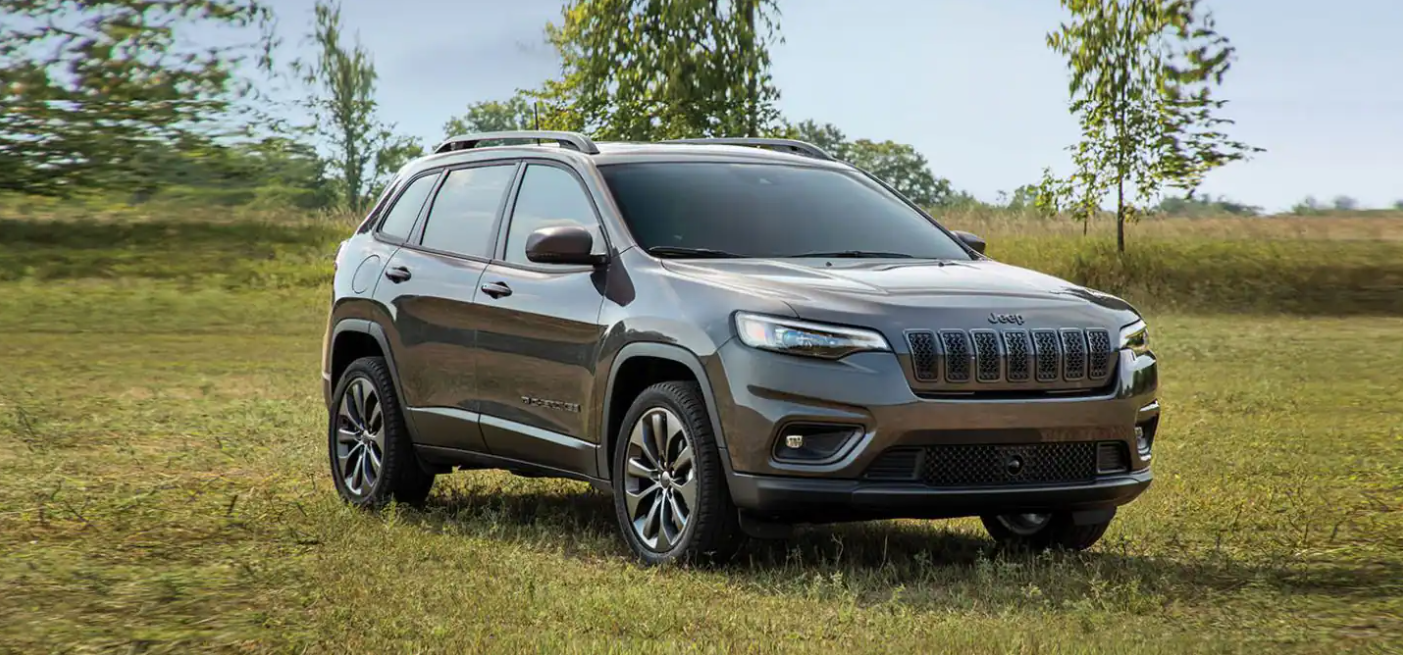
Credit: www.provincialchryslerdealer.com
Making The Right Choice
Choosing the right Jeep depends on understanding its features. Not all Jeeps come with 4-wheel drive. Some models offer 2-wheel drive, suitable for city driving. It’s important to check the specifications to meet your needs.
When deciding whether a Jeep with 4-wheel drive (4WD) is right for you, it’s important to consider various aspects that align with your lifestyle and driving needs. Not all Jeeps are created equal, and selecting the right one can significantly impact your driving experience. Your choice should reflect not just your current needs, but also future adventures you might embark on. Let’s break down what you need to think about when making this decision.Factors To Consider
Choosing between a 4-wheel drive and a 2-wheel drive Jeep involves weighing different factors. Think about where you will be driving most often. Are you planning on tackling rugged trails or just commuting in the city? Consider the climate in your area. Snowy or rainy conditions might benefit from the extra traction a 4WD offers. Also, look at the cost. 4WD models can be more expensive initially and may cost more in terms of fuel and maintenance. Balancing these factors will help guide your decision.Personal Needs And Preferences
Your personal needs and preferences play a crucial role. Do you crave off-road adventures, or do you prefer smooth city rides? If you love exploring untamed terrains, a 4WD Jeep might be your best friend. It provides the power and control needed for challenging landscapes. On the other hand, if your Jeep is mainly for daily commuting, a 2-wheel drive might suffice. It’s often more fuel-efficient and easier to handle in urban settings. Reflect on your lifestyle. Picture yourself in different scenarios and consider which features matter most to you. This self-reflection can lead to a choice that you’ll be happy with for years to come. Ultimately, the right Jeep should feel like an extension of yourself. What’s your ideal ride?Future Trends In Jeep Drive Systems
Jeep drive systems are evolving, with not all models featuring 4-wheel drive. Newer models offer diverse drivetrain options. This caters to different driving needs and preferences, ensuring versatility for various terrains and conditions.
The world of Jeep drive systems is evolving rapidly. With technological advancements and environmental concerns, the future promises exciting changes. While Jeeps are iconic for their rugged off-road capabilities, not all models are 4-wheel drive. Let’s explore what’s on the horizon for Jeep drive systems.Technological Advancements
The digital age is reshaping how we think about vehicles. Jeep is investing in smart technologies to enhance driving experience. Imagine a Jeep that adjusts its drive system based on road conditions. Integration of AI and machine learning is set to make Jeeps smarter. These technologies can analyze your driving habits and optimize performance. This could mean better fuel efficiency and safer drives. Electric drive systems are also on the rise. While traditional 4-wheel drive systems rely on mechanical parts, electric systems use advanced software. This change could lead to more reliable and maintenance-free driving.Environmental Considerations
Environmental awareness is changing car manufacturing. Jeep is no exception. With rising concerns over emissions, Jeep is exploring greener drive systems. Hybrid and fully electric Jeeps are becoming more common. These models offer the same off-road prowess with a smaller carbon footprint. You might wonder, will this change the Jeep experience? Jeep is committed to sustainability without sacrificing performance. Future models may feature eco-friendly materials and designs. This shift could align Jeeps with the values of environmentally conscious drivers. As you consider your next Jeep, think about what matters to you. Is it the thrill of off-roading or the peace of mind from eco-friendly driving? The future holds exciting possibilities for all Jeep enthusiasts.
Credit: www.registerguard.com
Credit: www.grapevinedodge.com
Frequently Asked Questions
Are Jeeps Always 4wd?
Not all Jeeps are 4WD; some models offer 2WD options. Jeep’s 4WD systems enhance off-road capabilities. Always check specific model features before purchase.
How Do I Know If My Jeep Is 2wd Or 4wd?
Check your Jeep’s dashboard or owner’s manual for a 4WD switch or lever. Look underneath for a front differential or driveshaft, indicating 4WD. Check the vehicle’s VIN or consult a Jeep dealer for confirmation.
Which Jeeps Are True 4 Wheel Drive?
True 4 wheel drive Jeep models include Wrangler, Grand Cherokee, and Gladiator. These Jeeps offer excellent off-road capabilities and traction. Equipped with advanced 4×4 systems, they handle rough terrains efficiently. Always check specific models, as configurations can vary. Ensure the Jeep has a dedicated 4WD system for optimal performance.
Are There Any Jeeps That Are All-wheel Drive?
Yes, several Jeep models offer all-wheel drive. Popular options include the Jeep Compass, Cherokee, and Renegade. These vehicles provide enhanced traction and stability, ideal for various driving conditions. Jeep’s all-wheel-drive systems ensure a smooth and capable driving experience on both city roads and rugged terrains.
Conclusion
Not all Jeeps come with 4-wheel drive. Many Jeeps offer 2-wheel drive options. Jeep models vary in features and capabilities. Buyers should check the specs before purchasing. 4-wheel drive provides better off-road handling. It’s perfect for rough terrains and challenging conditions.
For city driving, 2-wheel drive might suffice. Consider your needs and environment. Decide which drive suits your lifestyle best. Always research and test drive models. Make informed choices for your next adventure. Jeeps offer a range of options. Find the one that fits your journey.
Happy driving and exploring new paths.

Automotive Specialist & Expert Writer
Tyler Kingston is a passionate automotive writer with a wealth of knowledge in all things cars. With years of experience in the automotive industry, Tyler specializes in everything from vehicle maintenance to the latest car technologies and innovations. He is known for his ability to break down complex automotive concepts into easily digestible, engaging content for both novice and experienced car enthusiasts. Whether it’s detailing car repair techniques, reviewing new car models, or diving into the world of auto accessories, Tyler’s articles provide valuable insights to readers. His hands-on experience, combined with a genuine love for cars, allows him to deliver expert advice, tips, and news that keeps readers coming back for more.