How Much Does a Tractor Tire Weigh: Essential Facts Revealed
Have you ever wondered how much a tractor tire weighs? Whether you’re planning to replace one or just curious about your equipment, knowing the weight can make a big difference.
The weight affects how you handle the tire, transport it, and even the performance of your tractor. You’ll discover the typical weight range of tractor tires and why it matters for your work. Keep reading to find out the surprising facts that can help you make smarter decisions about your tractor’s tires.
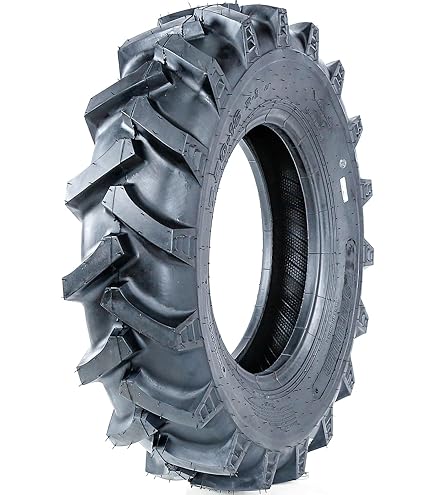
Credit: www.amazon.com
Factors Affecting Tractor Tire Weight
Tractor tire weight depends on size, material, and tread design. Larger tires with thicker rubber usually weigh more. Tire weight affects tractor performance and fuel efficiency.
Understanding the weight of a tractor tire can be crucial for many reasons, whether you’re transporting them, considering fuel efficiency, or calculating load capacity. Several factors influence this weight, each playing a distinct role in how heavy a tire can be. Let’s dive into these factors to give you a clearer picture.Tire Size Variations
The size of the tire is a major determinant of its weight. Larger tires naturally contain more material, making them heavier. For example, a compact tractor tire may weigh around 200 pounds, while a larger, more robust agricultural tire can tip the scales at over 1,000 pounds. Think about the size of your tractor and how it matches with the tire size. A mismatched size can affect performance and efficiency. Have you ever tried lifting a tire and realized it’s heavier than expected? The size might be the culprit.Tire Type And Design
Different types of tires are designed for specific purposes, affecting their weight. Radial tires, which offer a smoother ride and better traction, may weigh more due to their construction. Bias-ply tires, on the other hand, are lighter but might not provide the same comfort. What type do you prefer for your tractor? Your choice can impact not only weight but also performance and longevity.Material Composition
The materials used in manufacturing the tire significantly contribute to its weight. Tires made from advanced composites or with reinforced sidewalls will weigh more than those using standard rubber. The quality and type of rubber, along with additional components like steel belts, can add to the heft. Next time you check out tractor tires, consider asking about the materials. It might surprise you how much difference this makes in weight. Understanding these factors can help you make informed decisions, whether you’re buying new tires or assessing your current ones. Consider your tractor’s needs and how these elements align with its operations.
Credit: showmeweights.com
Weight Range Of Common Tractor Tires
Tractor tires vary widely in weight depending on their size and purpose. Understanding the weight range helps in handling, transport, and choosing the right tire for your tractor. Each category, from small to large tires, has distinct weight characteristics.
Small Tractor Tires
Small tractor tires usually weigh between 30 to 100 pounds. These tires fit compact tractors used for gardening and light farm work. Their lighter weight makes them easier to install and replace.
Medium Tractor Tires
Medium tractor tires range from 100 to 300 pounds. These tires suit mid-sized tractors used in farming and landscaping. Their weight provides better traction and durability for various tasks.
Large Tractor Tires
Large tractor tires often weigh between 300 to 800 pounds or more. These heavy tires support large tractors used in heavy-duty farming and construction. Their size and weight ensure stability and strong performance on tough terrain.
Impact Of Tire Weight On Tractor Performance
The weight of tractor tires plays a key role in overall tractor performance. It affects how the tractor moves, uses fuel, and interacts with the ground. Choosing the right tire weight helps balance power and efficiency. It also protects the soil from damage. Understanding these effects helps in selecting tires that fit the tractor’s tasks well.
Fuel Efficiency Considerations
Heavier tires need more energy to rotate. This can increase fuel consumption during operation. Lighter tires reduce the load on the engine. That leads to better fuel economy and lower running costs. However, very light tires may wear out faster or offer less durability.
Traction And Stability
Weight affects how well tires grip the ground. Heavier tires improve traction by increasing downward force. This helps the tractor pull heavy loads and work on slopes. Stability also improves, reducing the risk of slipping or tipping. Too much weight, though, can strain the tractor’s suspension and tires.
Soil Compaction Effects
Heavy tires press down on soil more deeply. This can compact soil layers, reducing air and water flow. Compacted soil limits root growth and lowers crop yields. Lighter tires or wider tires spread the weight better. This reduces soil damage and maintains field health.
How To Measure Tractor Tire Weight
Knowing the exact weight of your tractor tires can help you make smarter decisions about tire maintenance, transport, and even fuel efficiency. But how do you measure something that bulky and heavy without specialized tools? There are practical ways to find out, whether you rely on official specs or hands-on weighing techniques.
Using Manufacturer Specifications
Start by checking the tire’s sidewall or the manufacturer’s website. Most brands list the tire weight along with size and load capacity. These numbers can give you a reliable estimate without any guesswork.
Keep in mind, though, that the listed weight is often for a new tire without any additional materials like rim or ballast. If you want to know the total weight of the tire as it’s installed, you may need to add those components.
Have you ever noticed discrepancies in the specs across different sources? It happens because tire weight can vary slightly depending on production batches or tire models. So, use these specs as a solid starting point but be ready to verify if you need exact data.
Weighing Methods In The Field
If you want to get the actual weight of your tractor tire, field methods come into play. One common approach is using a heavy-duty scale designed for vehicles or large equipment.
Here’s a simple way to weigh a tire off the tractor:
- Remove the tire from the tractor carefully.
- Place it on a pallet or sturdy platform.
- Use a forklift scale or a platform scale to measure the weight.
If removing the tire isn’t practical, you can weigh the entire tractor and then weigh it again after removing the tire. Subtracting the two weights gives you a close estimate of the tire’s weight.
Have you tried weighing tires this way? It might seem tricky at first, but with the right tools, it’s surprisingly straightforward. Plus, knowing the exact weight can prevent costly mistakes down the road, especially if you’re balancing or transporting tires.
Tips For Handling Heavy Tractor Tires
Handling heavy tractor tires can be challenging, but with the right approach, you can make the task safer and more efficient. These tires often weigh hundreds of pounds, so preparation is key. Let’s look at practical tips that will protect you and keep your equipment in top shape.
Safety Precautions
Always wear protective gloves and steel-toed boots to prevent injuries from sharp objects or accidental drops.
Never try to lift a tractor tire alone; ask for help or use lifting equipment. Have you ever underestimated the weight of a tire and felt the strain? It’s better to be cautious than risk a serious injury.
Keep the work area clean and free of obstacles to avoid tripping or slipping. Safety glasses are also essential to protect your eyes from debris.
Tools And Equipment
Use tire dollies or rollers to move heavy tires easily without straining your back. These tools reduce the risk of injury and save time.
Hydraulic lifts and tire cages are invaluable when mounting or demounting large tractor tires. Investing in the right equipment can make a huge difference in your workflow.
Ensure all tools are in good condition before use. Damaged equipment can cause accidents and damage tires.
Maintenance Practices
Regularly inspect tires for cracks, cuts, or bulges. Early detection helps you avoid costly replacements and dangerous blowouts.
Keep tires properly inflated according to manufacturer recommendations. Incorrect pressure can affect performance and increase wear.
Clean tires after use to remove mud and debris that can cause deterioration. Have you noticed how a well-maintained tire lasts longer and performs better?

Credit: www.amazon.com
Frequently Asked Questions
How Much Does A Standard Tractor Tire Weigh?
A standard tractor tire typically weighs between 150 to 400 pounds. The exact weight depends on tire size and type. Larger tires for heavy-duty tractors weigh more, while smaller tires for compact tractors weigh less.
What Factors Affect The Weight Of A Tractor Tire?
Tire size, tread design, and construction material influence weight. Larger diameter and wider tires are heavier. Radial tires usually weigh less than bias-ply tires due to different materials and build.
How Does Tractor Tire Weight Impact Performance?
Heavier tractor tires provide better traction and stability but may reduce fuel efficiency. Lighter tires improve fuel economy but might sacrifice grip and durability on rough terrain.
Can Tire Weight Affect Tractor Fuel Consumption?
Yes, heavier tires increase rolling resistance, leading to higher fuel consumption. Lighter tires reduce energy needed for movement, improving fuel efficiency and lowering operational costs.
Conclusion
Tractor tire weight varies by size and type. Larger tires weigh more, smaller ones less. Knowing the weight helps with handling and transport. It also affects tractor performance and fuel use. Always check the tire label for exact weight details.
Choosing the right tire improves safety and efficiency. Keep this in mind when buying or replacing tires. Understanding tire weight makes farm work easier and safer.

Automotive Specialist & Expert Mechanic
Noah Brooks is a skilled automotive expert with a passion for both the technical and creative aspects of the automotive world. With years of experience in repairing, restoring, and enhancing vehicles, Noah is known for his deep knowledge of car mechanics, parts, and accessories. His expertise extends to welding, troubleshooting, and offering advice on the latest car technologies and trends. Whether it’s diagnosing complex issues or guiding readers through DIY car repairs, Noah’s blog posts are filled with hands-on insights that appeal to both novice and experienced car enthusiasts. When he’s not writing, Noah is working on his own car projects, continually learning and sharing his automotive passion with the world.