What Hydraulic Fluid for John Deere Tractor: Ultimate Guide 2025
Choosing the right hydraulic fluid for your John Deere tractor is more important than you might think. The fluid you use affects how smoothly your tractor operates, how long its parts last, and even how much money you spend on repairs.
If you pick the wrong type, you could face costly breakdowns or poor performance right when you need your tractor most. You’ll discover exactly which hydraulic fluid works best for your John Deere tractor and why it matters. Keep reading to protect your investment and keep your machine running like new.
Hydraulic Fluid Basics
Hydraulic fluid is vital for your John Deere tractor. It powers many functions and keeps your machine running smoothly. Knowing the basics helps in choosing the right fluid. Let’s dive into the essentials of hydraulic fluid.
Types Of Hydraulic Fluids
There are different types of hydraulic fluids. Each serves a specific purpose. The main types are mineral oil, synthetic, and water-based. Mineral oil is common and cost-effective. Synthetic fluids offer better performance and temperature range. Water-based fluids are less flammable but can cause rust. Choose based on your tractor’s needs and environment.
Role In Tractor Performance
The right hydraulic fluid enhances tractor performance. It reduces wear and tear on parts. Proper fluid ensures smooth operation of hydraulics. It helps maintain consistent pressure in the system. The fluid also prevents overheating. This keeps your tractor efficient and reliable. Regular checks and changes are essential for optimal performance.
John Deere Tractor Specifications
John Deere tractors require specific hydraulic fluids to keep their systems running smoothly. The right fluid supports the tractor’s performance and protects its components from wear. Each model has detailed specifications that guide the choice of hydraulic fluid.
Understanding these specifications helps maintain the tractor’s efficiency and extends its lifespan. Using the correct fluid type and viscosity is crucial for optimal operation under various conditions.
Recommended Fluid Types
John Deere suggests using fluids that meet their specific standards. These fluids are designed to provide excellent lubrication and protect against corrosion.
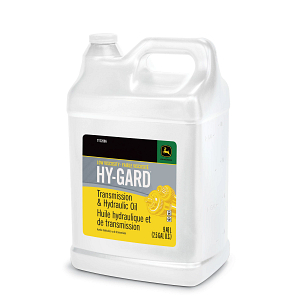
- John Deere Hy-Gard: This is the most common fluid recommended for many models.
- John Deere Plus-50 II: Suitable for tractors with advanced hydraulic systems.
- Other fluids that meet John Deere J20C and J20D specifications can also be used.
Always check the owner’s manual for the exact fluid type suitable for your tractor model.
Viscosity Requirements
Hydraulic fluid viscosity impacts how well the fluid flows and protects parts. John Deere recommends fluids with specific viscosity grades to match temperature and operating conditions.
- ISO 46 is the most commonly recommended viscosity for hydraulic fluids.
- Viscosity affects pump efficiency and hydraulic system response.
- Using the wrong viscosity can lead to poor performance or damage.
Choosing the right viscosity ensures smooth operation and helps prevent overheating and wear.
Top Hydraulic Fluids For John Deere
Choosing the right hydraulic fluid is key for John Deere tractor performance. The fluid keeps the hydraulic system running smoothly. It also protects parts from wear and rust. Using top-quality hydraulic fluid extends tractor life and improves efficiency.
Many options suit different needs. Some fluids work better in cold weather. Others resist high temperatures or heavy loads. Understanding fluid types helps in selecting the best one for your tractor.
Synthetic Vs Mineral Oils
Synthetic hydraulic oils offer better stability at extreme temperatures. They resist breakdown and last longer than mineral oils. These oils provide superior protection against wear and corrosion.
Mineral oils come from refined crude oil. They are less expensive and widely available. Mineral oils work well in normal operating conditions. But they may degrade faster under heavy use or heat.
Choosing between synthetic and mineral depends on tractor use. Synthetic fluids suit heavy-duty work and harsh climates. Mineral oils fit lighter tasks and moderate environments.
Popular Brands And Products
- John Deere Hy-Gard – Designed specifically for John Deere machines. It meets strict performance standards.
- Mobil 1 Synthetic Hydraulic Fluid – High-quality synthetic oil with excellent wear protection.
- Valvoline Hydraulic Oil – Reliable mineral-based option with good anti-wear properties.
- Castrol Hyspin – Synthetic fluid known for strong oxidation resistance.
- Shell Tellus S2 – Mineral oil that performs well in many hydraulic systems.
Using fluids recommended by John Deere ensures compatibility. Check your tractor manual for specific fluid grades and specs.
Fluid Maintenance Tips
Maintaining the hydraulic fluid in your John Deere tractor is crucial for smooth performance and long equipment life. Neglecting fluid care can lead to costly repairs and unexpected downtime. Paying close attention to fluid levels and quality keeps your tractor running efficiently and protects vital components.
Checking Fluid Levels
Regularly check your tractor’s hydraulic fluid levels to avoid damage. Low fluid can cause poor hydraulic response and overheating. Use the dipstick or sight glass as described in your John Deere manual to get an accurate reading.
Check fluid levels when the tractor is on level ground and the engine is cool. Add fluid slowly, using only the recommended type for your model. Overfilling can be just as harmful as running low, so aim for the proper level.
Signs Of Fluid Contamination
Contaminated hydraulic fluid can lead to system failure. Watch for changes in fluid color—milky or dark fluid often indicates water or dirt contamination. Unusual smells or a gritty texture are also warning signs.
If you spot these signs, replace the hydraulic fluid promptly and inspect filters for clogging. Ignoring contamination can wear down seals, pumps, and valves, costing you more in repairs. How often do you check your fluid’s condition beyond just the level?
Changing Hydraulic Fluid
Changing the hydraulic fluid in your John Deere tractor is essential for smooth operation. Regular fluid changes keep the hydraulic system clean and prevent damage. Fresh hydraulic fluid improves performance and extends tractor life.
Step-by-step Process
- Park the tractor on a flat, stable surface. Turn off the engine and let it cool.
- Locate the hydraulic fluid reservoir. Clean the area around the fill cap to avoid dirt entry.
- Place a drain pan under the hydraulic fluid drain plug. Remove the plug carefully.
- Allow all old hydraulic fluid to drain completely into the pan.
- Replace the drain plug securely after draining.
- Open the fill cap and pour in the recommended John Deere hydraulic fluid using a clean funnel.
- Check the fluid level with the dipstick or sight glass. Fill to the proper level.
- Start the engine and operate the hydraulic controls to circulate the fluid.
- Turn off the engine and recheck the fluid level. Add more if needed.
- Secure the fill cap tightly to prevent leaks.
Disposal And Environmental Tips
- Do not pour old hydraulic fluid on the ground or into drains.
- Collect used fluid in a sealed container to avoid spills.
- Take the used fluid to a certified recycling or disposal center.
- Follow local regulations for hazardous waste disposal.
- Use biodegradable hydraulic fluids if possible to reduce environmental impact.
- Keep rags and tools clean to prevent contamination.
Credit: shop.deere.com
Troubleshooting Hydraulic Issues
Hydraulic systems are vital to your John Deere tractor’s performance. When they act up, it can bring your work to a halt. Troubleshooting hydraulic issues quickly helps you avoid costly repairs and downtime.
Common Problems
One frequent issue is slow or unresponsive hydraulics. This often points to low hydraulic fluid levels or contamination. You might notice sluggish loader movements or difficulty lifting attachments.
Another problem is overheating. Excess heat can degrade the hydraulic fluid and damage seals. If you spot fluid leaks around hoses or fittings, that’s a sign to check for worn or damaged components.
Strange noises, like whining or knocking, can indicate air in the system or a failing pump. Pay attention to any unusual sounds during operation—they often reveal the root of the problem.
When To Replace Fluid
Hydraulic fluid doesn’t last forever. Over time, it breaks down and loses its ability to lubricate and protect your system. How do you know when it’s time to replace it?
- If the fluid looks dark or cloudy, it’s likely contaminated.
- Frequent overheating or hydraulic sluggishness can mean the fluid is no longer effective.
- John Deere recommends checking the hydraulic fluid every 500 hours and replacing it around 1,000 hours, but your tractor’s manual provides exact intervals.
Checking your fluid condition regularly is a simple habit that prevents bigger problems. Have you noticed any changes in your tractor’s hydraulic performance lately? That might be your cue to inspect the fluid and system more closely.
Enhancing Hydraulic System Life
Maintaining the hydraulic system of your John Deere tractor extends its life and improves performance. Using the right hydraulic fluid is key. This fluid lubricates parts, reduces wear, and prevents corrosion. Clean fluid also stops dirt and debris from damaging the system.
Regular care keeps seals tight and prevents leaks. It ensures smooth operation and avoids costly repairs. A well-maintained hydraulic system saves time and money on the farm.
Preventive Measures
- Check fluid levels frequently to avoid running low.
- Use only John Deere-approved hydraulic fluids for best results.
- Keep hydraulic fluid clean by using proper filters.
- Inspect hoses and seals for cracks or leaks.
- Avoid mixing different types of hydraulic fluids.
- Store hydraulic fluid in a cool, dry place away from contaminants.
Recommended Service Intervals
| Service Task | Interval |
|---|---|
| Check hydraulic fluid level | Every 10 hours of operation |
| Change hydraulic fluid | Every 600 hours or as per manual |
| Replace hydraulic filters | Every 200 hours or sooner if dirty |
| Inspect hoses and fittings | Every 100 hours or monthly |

Credit: www.amazon.com

Credit: www.amazon.com
Frequently Asked Questions
What Type Of Hydraulic Fluid Is Best For John Deere Tractors?
John Deere tractors typically require Hy-Gard hydraulic fluid. It is specially formulated to protect hydraulic systems and provide excellent performance. Always check your tractor’s manual to ensure compatibility before use.
Can I Use Automotive Oil As Hydraulic Fluid In John Deere Tractors?
No, automotive oil is not suitable for John Deere hydraulic systems. It lacks the necessary additives and viscosity to protect components and ensure proper function. Using the correct hydraulic fluid prevents damage and extends system life.
How Often Should I Change Hydraulic Fluid In A John Deere Tractor?
Hydraulic fluid should be changed every 1,000 to 2,000 hours of operation or as recommended in the owner’s manual. Regular changes maintain system efficiency and prevent contamination-related damage.
What Are The Signs Of Low Hydraulic Fluid In John Deere Tractors?
Signs include sluggish hydraulic response, unusual noises, or visible leaks. Low fluid can cause poor performance and potential damage. Always check fluid levels regularly to ensure optimal tractor operation.
Conclusion
Choosing the right hydraulic fluid keeps your John Deere tractor running smooth. Use fluids that meet John Deere’s specifications. Good fluid protects parts and stops wear. Change the fluid on time for best results. Clean fluid means better tractor performance and longer life.
Simple steps, big benefits. Your tractor will thank you.

Automotive Specialist & Expert Mechanic
Noah Brooks is a skilled automotive expert with a passion for both the technical and creative aspects of the automotive world. With years of experience in repairing, restoring, and enhancing vehicles, Noah is known for his deep knowledge of car mechanics, parts, and accessories. His expertise extends to welding, troubleshooting, and offering advice on the latest car technologies and trends. Whether it’s diagnosing complex issues or guiding readers through DIY car repairs, Noah’s blog posts are filled with hands-on insights that appeal to both novice and experienced car enthusiasts. When he’s not writing, Noah is working on his own car projects, continually learning and sharing his automotive passion with the world.