How Much Snow Do You Need to Ride a Snowmobile: Essential Guide
Are you itching to hit the trails on your snowmobile but wondering how much snow you really need? Riding on too little snow can damage your machine, while too much might slow down your fun.
Knowing the right snow depth can make all the difference between an epic ride and a frustrating day. Keep reading to discover exactly how much snow you need to enjoy your snowmobile safely and get the most out of every adventure.
Credit: www.snowmobile.org
Ideal Snow Depth For Snowmobiling
Snowmobiling is a thrilling winter activity. Knowing the right snow depth is crucial for a great ride. Too little snow can damage your snowmobile. Too much snow can make riding difficult. Let’s explore the ideal snow depth for a perfect snowmobiling adventure.
Minimum Snow Requirements
Snowmobiles need a minimum snow depth to operate safely. Generally, 6 inches is the least required. This depth helps avoid damage to the machine. Less snow can expose rocks and debris. These can harm both the snowmobile and rider.
Optimal Snow Conditions
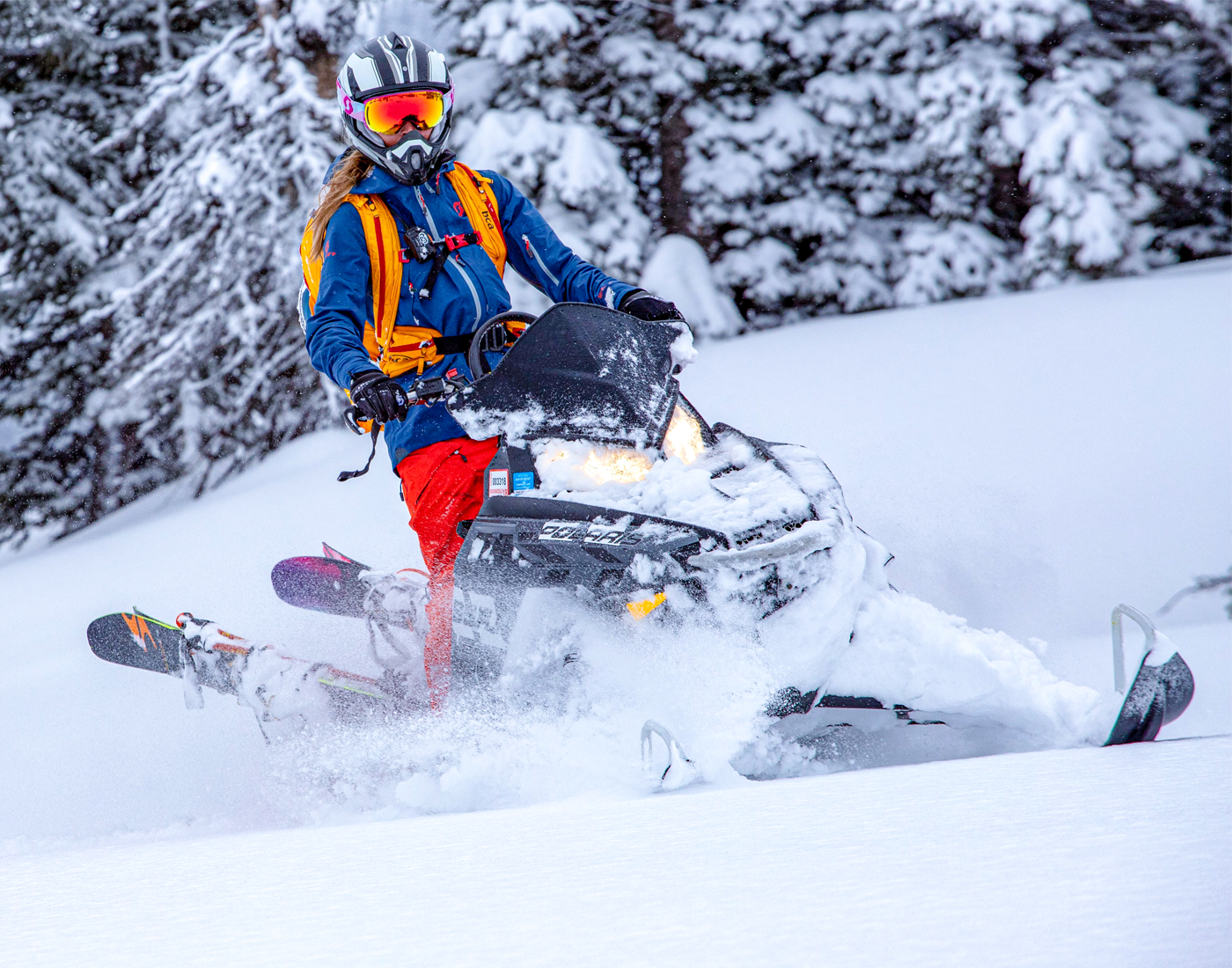
For a smooth ride, 12 inches of snow is ideal. This depth provides a cushion for the snowmobile. It allows for better maneuverability and speed. Powdery snow is best for traction. It also reduces the chance of getting stuck.
Impact Of Terrain On Snow Depth
Terrain plays a big role in snow depth needs. Flat areas may require less snow. Hilly or rugged terrain needs more. Deep snow helps in climbing slopes. It also cushions bumps on rough paths. Always consider terrain before setting out.
Types Of Snow Suitable For Snowmobiling
Not all snow is created equal for snowmobiling. The type of snow you encounter affects your ride’s safety, speed, and overall enjoyment. Understanding which snow works best can help you decide when and where to take your snowmobile out.
Packed Snow
Packed snow offers a firm, stable surface that many riders prefer. It forms when snow has been compressed by wind, grooming machines, or previous riders. This type of snow provides excellent traction and control, making it easier to maneuver your snowmobile.
If you’ve ever ridden on a trail after several snowmobiles have passed, you’ve experienced packed snow. It can handle higher speeds and sharper turns without sinking or losing grip. Have you noticed how your ride feels more predictable on these trails?
Powder Snow
Powder snow is fresh, light, and fluffy. It’s often the most beautiful snow to look at but can be tricky to ride on. Because it’s loose, your snowmobile may sink or create deep ruts, which can slow you down or cause you to get stuck.
Still, many riders seek out powder for the thrill of gliding over untouched snowfields. If you love adventure, powder snow offers a unique challenge and a chance to test your skills. How comfortable are you handling softer, less stable snow?
Wet Vs Dry Snow
Snow’s moisture content plays a big role in your ride. Wet snow is heavy and sticky, often found during warmer days or near melting points. It can bog down your snowmobile and create clumps on the tracks, reducing efficiency.
Dry snow, on the other hand, is lighter and doesn’t stick as much. It allows for smoother rides and better speed. When you plan your snowmobiling trip, consider the weather conditions to anticipate whether the snow will be wet or dry. How does your snowmobile handle different moisture levels on the trail?
Safety Considerations With Snow Depth
Snow depth plays a key role in snowmobile safety. Too little snow increases risks of damage and injury. Proper depth protects riders from hidden dangers and rough terrain. Knowing the right snow amount helps ensure a safer ride.
Avoiding Hidden Obstacles
Shallow snow can hide rocks, branches, and uneven ground. These obstacles can cause crashes or damage to the snowmobile. Deep snow cushions the ride and covers hazards. Always check snow depth before heading out. Avoid riding on thin or patchy snow areas.
Trail Maintenance And Grooming
Well-groomed trails require enough snow to smooth bumps and ruts. Grooming machines work best with consistent snow depth. Thin snow can lead to poor trail conditions and unsafe rides. Stick to trails known for proper snow coverage. This reduces the chance of accidents.
Gear And Equipment Tips
Use skis and tracks designed for the snow depth you expect. Lightweight gear helps in deep snow. Carry tools to clear ice or snow build-up. Dress in layers to stay warm and dry. Always wear a helmet and protective gear for safety.
Credit: www.freeskier.com
Effects Of Insufficient Snow
Riding a snowmobile needs enough snow cover. Insufficient snow causes many problems for riders and machines. It affects the safety, machine health, and the environment around the trails. Understanding these effects helps riders prepare better and avoid damage or accidents.
Damage To Snowmobile
Snowmobiles rely on a thick layer of snow to protect their parts. Without enough snow, the metal and plastic parts hit rocks, dirt, and tree roots. This contact causes scratches, dents, and even broken components. The track and skis wear out faster without the cushion of snow. Running a snowmobile on thin snow can lead to costly repairs and shorten the machine’s life.
Environmental Concerns
Riding with little snow can harm the environment. The snow cover protects plants and soil from damage. Snowmobiles running on bare ground crush plants and disturb animal habitats. Soil erosion increases as the ground becomes exposed. This can lead to muddy trails and damage to nearby water sources. Respecting snow depth helps keep the nature safe and trails enjoyable for everyone.
Reduced Riding Experience
Snow depth directly impacts how fun and smooth the ride feels. Thin snow makes the ride bumpy and less stable. Riders struggle to control the snowmobile on rough, uneven surfaces. The lack of snow limits speed and maneuverability. Poor snow conditions can make riding tiring and frustrating. Good snow depth ensures a safer, more enjoyable ride every time.
Measuring Snow Depth Accurately
Measuring snow depth accurately is essential if you want to enjoy snowmobiling safely and to the fullest. Knowing the exact amount of snow under your sled helps you avoid damage to your machine and prevents accidents. It also ensures the snowpack is deep enough to support your ride without hitting rocks or vegetation.
Tools For Snow Measurement
Using the right tools makes measuring snow depth simple and reliable. A basic snow probe is a popular choice; it’s lightweight and easy to carry in your backpack. You can also use a ruler or a measuring stick designed specifically for snow.
For those who want precision, electronic snow depth sensors are available, though they tend to be more expensive. Even a simple yardstick can do the job if you press it straight down into the snow and read the measurement carefully. Have you ever tried measuring snow with just your boot? It gives a rough idea but isn’t accurate enough for snowmobiling.
Best Practices For Checking Snow
Measure snow depth in several spots rather than just one to get a clearer picture of the terrain. Snow depth can vary a lot due to wind, trees, and sunlight. Checking near trails, open fields, and shaded areas helps you spot any thin patches.
Take your measurements just after a snowfall for the freshest data, but also monitor changes as the snow settles or melts. Avoid measuring on snow that’s heavily packed or icy, as it can give misleading results. Have you considered marking your measurement spots with small flags? It’s a useful tip for consistent tracking over days or weeks.
Credit: www.dootalk.com
Seasonal Variations And Snowmobiling
Snowmobiling depends heavily on the amount and quality of snow, which changes a lot through the season. Understanding these seasonal shifts helps you pick the best times to ride and prepare for different trail conditions. Let’s look closely at how snow depth and terrain evolve from the start to the end of the snowmobiling season.
Early Season Challenges
The early season often brings thin snow cover, making it tricky to ride safely. Trails may still have exposed rocks, branches, or dirt patches that can damage your snowmobile. You might find yourself pushing to find enough snow depth—usually at least 4 to 6 inches—to avoid scraping the ground.
During this time, you’ll want to scout trails carefully and choose areas that hold snow better, like shaded forests or north-facing slopes. Have you noticed how some spots seem to keep snow longer? Targeting those can make your early rides more enjoyable and protect your equipment.
Mid-season Peak Conditions
Mid-season typically offers the best snowmobiling conditions, with consistent snow depths often exceeding 12 inches. This is when trails are well-packed and smooth, making it easier to control your snowmobile and enjoy longer rides. The snow’s texture is usually firm but not icy, which gives you good traction and stability.
At this stage, you can explore more challenging terrain and cover greater distances with confidence. Think about planning your trips around this peak window—it’s the safest and most fun time on the trails. How often do you adjust your riding style to match the snow’s firmness during these prime months?
Late Season Considerations
As the season winds down, snow depth can become unpredictable again. Melting and refreezing cycles create icy patches and thin layers that can be hazardous. Trails may start to develop ruts or bare spots, especially in sunny or low-lying areas.
Late season riding demands extra caution and a willingness to adapt your routes. Focus on higher elevations or areas that retain snow longer. Have you ever had to cut a ride short because the snow turned to slush or ice? Planning ahead can save you frustration and keep your snowmobile in good shape.
Frequently Asked Questions
How Much Snow Is Ideal For Snowmobiling?
Ideal snow depth for snowmobiling is at least 6 inches. This ensures smooth rides and protects the snowmobile’s track and skis. Less snow can cause damage to the machine and make riding difficult. Deep, packed snow offers the best experience and safety.
Can You Ride A Snowmobile On Thin Snow?
Riding on thin snow is not recommended. Thin snow increases the risk of damaging the snowmobile’s undercarriage. It also makes steering harder and can cause accidents. Always wait for a good snow base before riding to ensure safety and machine longevity.
What Snow Conditions Are Best For Snowmobiling?
Packed, fresh snow is best for snowmobiling. It provides good traction and smooth control. Powdery snow can be fun but harder to ride in deep drifts. Icy or crusty snow increases slip risks and reduces control, making it less ideal.
Does Snow Depth Affect Snowmobile Performance?
Yes, snow depth directly affects performance. Adequate snow depth prevents damage and improves traction. Too little snow causes wear on parts and poor handling. Deep snow cushions impacts and allows better speed and control.
Conclusion
Snow depth matters a lot for safe snowmobile rides. Around 6 to 12 inches of snow is usually enough. This helps protect the machine and keeps the ride smooth. Too little snow can cause damage and make riding hard. Always check the snow before heading out.
Remember, safety should come first. Enjoy the ride but respect the conditions. Good snow means fun and safe adventures. Keep these tips in mind for a great snowmobile experience.

Automotive Specialist & Expert Writer
Tyler Kingston is a passionate automotive writer with a wealth of knowledge in all things cars. With years of experience in the automotive industry, Tyler specializes in everything from vehicle maintenance to the latest car technologies and innovations. He is known for his ability to break down complex automotive concepts into easily digestible, engaging content for both novice and experienced car enthusiasts. Whether it’s detailing car repair techniques, reviewing new car models, or diving into the world of auto accessories, Tyler’s articles provide valuable insights to readers. His hands-on experience, combined with a genuine love for cars, allows him to deliver expert advice, tips, and news that keeps readers coming back for more.