Can a Snowmobile Go on Water: Surprising Facts You Must Know
Have you ever wondered if your snowmobile can glide across water as easily as it does on snow? It’s a question that sparks curiosity and excitement.
Imagine the thrill of taking your snowmobile beyond frozen trails and onto lakes or rivers. But before you jump in, you need to know what’s possible—and what’s not. You’ll discover the surprising facts about snowmobiles on water, how they behave, and whether you can safely try it yourself.
Keep reading to uncover everything you need to know before making a splash with your snowmobile.
Snowmobiles And Water Travel
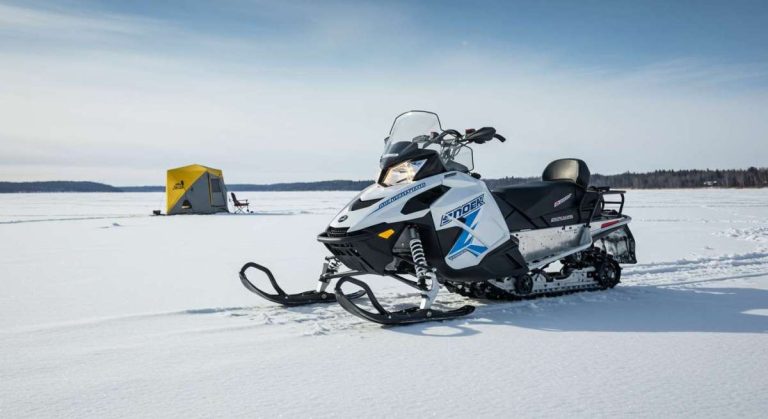
Snowmobiles are not traditionally known for water travel, yet the idea of skimming across a lake on a snowmobile is both thrilling and somewhat perplexing. You might wonder, can these machines, built for snow, glide over water? The answer lies in understanding their design and intended use. While snowmobiles are primarily designed for snowy terrains, there have been adventurous instances where daredevils have attempted the water-crossing feat.
Basic Design Of Snowmobiles
Snowmobiles are engineered with wide tracks and skis to provide stability and control on snow. The tracks are designed to grip onto snow, propelling the vehicle forward. Their lightweight and aerodynamic structure allows them to maintain speed, which is crucial for water travel. However, water travel was not part of the original design intent. The key is maintaining high speed to prevent the snowmobile from sinking.
Typical Terrain For Snowmobiles
Snowmobiles are built for snowy, icy, and rough terrains where traditional vehicles struggle. They glide smoothly over powdery snow and can tackle challenging trails with ease. Imagine the crunch of snow beneath you and the freedom to explore winter landscapes. Yet, venturing onto water requires a brave heart and precise control. Is it worth the risk for the thrill of water-skimming?
Have you ever tried skimming your snowmobile over a pond or lake? Share your experience and insights. Would you recommend it to others seeking an adrenaline rush?

Credit: www.redbull.com
Can Snowmobiles Float?
Can a snowmobile float? It’s a question that pops up often, especially among adventurous riders curious about crossing frozen lakes or shallow waters. While snowmobiles aren’t designed as boats, under certain conditions, they can indeed stay afloat for a short time. Let’s look at what really affects their buoyancy and what happens when you add weight or speed into the mix.
Buoyancy Factors
Buoyancy depends on whether the snowmobile can displace enough water to support its weight. The wide, flat skis and tracks help spread the weight over a larger surface area, which can create some lift in water.
However, most snowmobiles are heavy—often between 400 to 600 pounds—and made of dense materials. This means they don’t naturally float like a boat. The air trapped inside certain parts of the body and chassis can provide some temporary flotation, but it won’t keep you afloat indefinitely.
Have you ever noticed how your snowmobile sinks slowly if you try to cross thin ice? That’s the buoyancy limit in action. Without enough displacement, the machine will eventually submerge.
Impact Of Weight And Speed
The combined weight of you, your gear, and the snowmobile plays a big role in whether it floats or sinks. Adding heavy gear reduces the chances of flotation drastically.
Speed can also influence buoyancy. At slow speeds, the snowmobile may act like a floating platform for a short moment. But as you accelerate, the machine’s tracks push water aside and lose contact with the surface, causing it to sink or stall.
Think about your last ride over a wet patch. Did you notice how careful you had to be to avoid getting stuck? That’s because the balance between weight and speed is so delicate when water enters the picture.
Snowmobile Watercrossing Techniques
Snowmobile watercrossing is a thrilling activity that blends snowmobiling with water riding. It requires specific skills and adjustments to make the ride smooth and safe. Understanding the right techniques helps avoid mishaps and keeps the machine in good shape. Here are key techniques to glide over water on a snowmobile.
Skimming Across Water
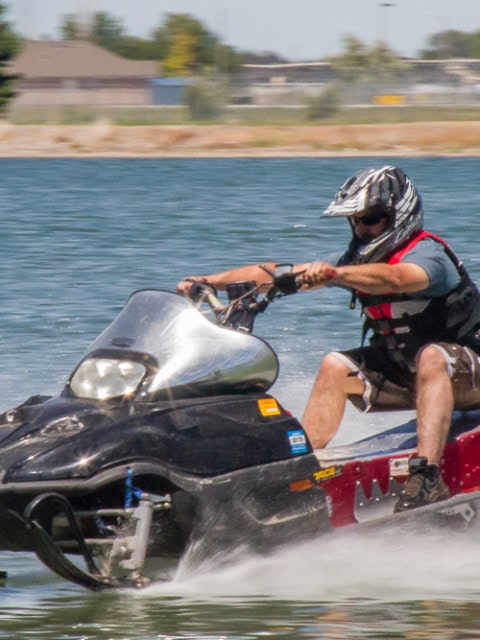
Skimming means riding the snowmobile fast enough to stay on the water surface. Speed is crucial; too slow causes sinking. Keep a steady throttle and lean back slightly to lift the front. Balance is key—too much lean may cause a flip. Focus on a straight path and avoid sharp turns. Practice on calm water before trying rougher surfaces.
Necessary Modifications
Regular snowmobiles need changes to handle water safely. Install waterproof seals on the engine and electrical parts. Use a snorkel kit to keep water out of the air intake. Add flotation devices or foam blocks to improve buoyancy. Modify the track to reduce water drag, often by adding paddles or fins. Check and secure all connections to prevent leaks. Proper maintenance before and after water runs extends machine life.
Risks Of Riding A Snowmobile On Water
Riding a snowmobile on water might sound thrilling, but it comes with serious risks you need to consider. Snowmobiles are designed for snow and ice, not water, which can lead to unexpected problems. Understanding these risks can help you make safer choices and avoid dangerous situations.
Mechanical Failures
Your snowmobile’s engine and components are built to work in cold, solid conditions—not wet environments. Water can easily damage the engine, especially if it seeps into the intake or exhaust systems. Once water enters these parts, the engine may stall or fail completely, leaving you stranded on open water.
Electrical systems are also vulnerable. Water exposure can cause short circuits or corrosion, leading to sudden breakdowns. Have you ever thought about how a small leak could turn a fun ride into an emergency?
Safety Concerns
Safety should be your top priority when considering riding a snowmobile on water. The risk of falling through thin ice or sinking is very high. Even if the snowmobile floats for a short time, it’s not designed as a boat and can quickly become unstable.
Wearing proper safety gear like life jackets is crucial, but it doesn’t eliminate the dangers. Cold water can cause hypothermia in minutes, and rescue help might not arrive quickly. Are you prepared to handle a cold-water emergency far from shore?
Popular Watercrossing Events
Snowmobile watercrossing events have become a thrilling spectacle for fans and riders alike. These events test the unique ability of snowmobiles to skim across water surfaces, blending speed and skill in a way few other motorsports can match. If you’ve ever wondered how far a snowmobile can go on water, these competitions provide an exciting answer.
Competitive Snowmobile Watercross
Competitive snowmobile watercross involves riders racing across lakes or ponds on modified snowmobiles. These machines are often equipped with specialized skis and tracks designed to prevent sinking.
Riders must maintain high speed to stay afloat, balancing carefully to avoid plunging into the water. The intensity of the race keeps spectators on the edge of their seats, and the skill required is impressive. Have you ever tried to keep your balance on a moving vehicle over water? It’s not as easy as it looks.
Famous Locations
Some locations have gained fame for hosting epic snowmobile watercross events. Minnesota’s lakes are a hotspot, drawing large crowds every winter. The city of Brainerd, for instance, hosts an annual watercross event that attracts riders from across the country.
In Canada, places like Quebec also have popular watercross races, often held on frozen lakes turned into racing tracks. These locations provide the perfect mix of natural beauty and challenging terrain. What would it be like to race across a frozen lake and then zoom over open water moments later? These events give you a front-row seat to that experience.

Credit: www.jestkeptsecret.com
Tips For Snowmobile Water Travel
Traveling on water with a snowmobile demands careful planning and skill. Safety and control are key to a good experience. Follow these tips to prepare well and handle your snowmobile on water smoothly.
Preparation And Gear
- Check your snowmobile for leaks or damages before water travel.
- Use a waterproof bag to keep essentials dry.
- Wear a life jacket for safety in case of falling into water.
- Attach a tow rope to help in emergencies.
- Bring a small air pump to inflate any flotation devices.
- Ensure the engine’s air intake is sealed to avoid water damage.
Techniques For Success
- Start with slow, steady acceleration to maintain control.
- Keep your weight balanced to avoid tipping over.
- Steer gently to prevent sudden movements on water.
- Use the throttle to keep the snowmobile planing on the surface.
- Practice shallow water crossings before deeper areas.
- Stop the engine immediately if water enters the exhaust.

Credit: www.jestkeptsecret.com
Frequently Asked Questions
Can A Snowmobile Float On Water?
No, standard snowmobiles cannot float on water. They are designed for snow and ice, not buoyancy. Without modifications, they will sink if driven on water.
How Fast Can A Snowmobile Travel On Water?
A snowmobile can briefly glide on water if it gains enough speed, around 30-35 mph. This is called “water skipping” and requires specific conditions and skill.
What Modifications Make A Snowmobile Water-capable?
To run on water, a snowmobile needs flotation devices, ski tips for planing, and a sealed engine. These changes help it stay afloat and move on water surfaces.
Is It Safe To Ride A Snowmobile On Water?
Riding a snowmobile on water is risky and not recommended without proper training and gear. It can be dangerous due to sinking or loss of control.
Conclusion
Snowmobiles are made for snow, not water. Riding one on water can be risky and unsafe. Some special snowmobiles can float, but most will sink quickly. Always choose the right vehicle for water activities. Safety should be your top priority every time.
Knowing the limits of your snowmobile helps avoid accidents. Enjoy winter rides on snow, and keep water adventures to boats or jet skis. Stay safe and have fun with the right gear.

Automotive Specialist & Expert Writer
Tyler Kingston is a passionate automotive writer with a wealth of knowledge in all things cars. With years of experience in the automotive industry, Tyler specializes in everything from vehicle maintenance to the latest car technologies and innovations. He is known for his ability to break down complex automotive concepts into easily digestible, engaging content for both novice and experienced car enthusiasts. Whether it’s detailing car repair techniques, reviewing new car models, or diving into the world of auto accessories, Tyler’s articles provide valuable insights to readers. His hands-on experience, combined with a genuine love for cars, allows him to deliver expert advice, tips, and news that keeps readers coming back for more.