How to Tell If Ball Joints are Bad: Signs You Can’t Ignore
Have you noticed strange noises or unusual handling while driving? Your ball joints might be the cause.
These small but vital parts connect your car’s wheels to the suspension, keeping your ride smooth and safe. If they go bad, it can lead to serious problems—and expensive repairs. But how can you tell if your ball joints are failing before it’s too late?
You’ll learn the simple signs to watch for and easy ways to check your ball joints. Keep reading to protect your car and avoid unexpected breakdowns.

Credit: www.reddit.com
Symptoms Of Worn Ball Joints
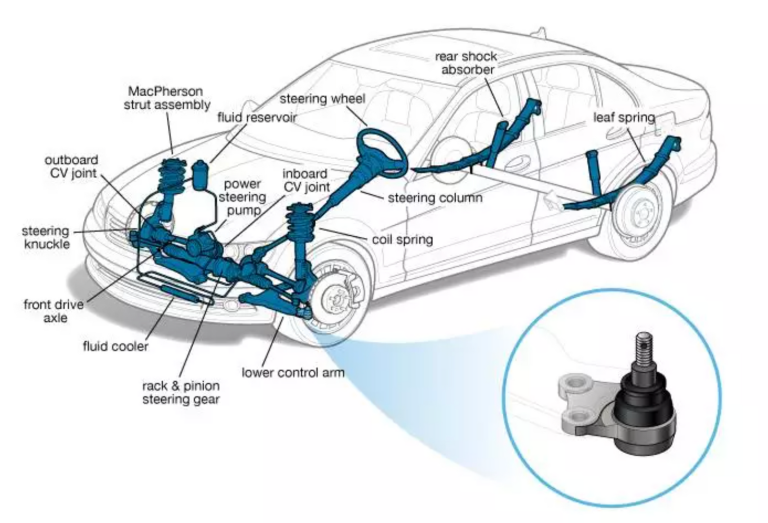
Recognizing the symptoms of worn ball joints can save you from costly repairs and dangerous driving conditions. Ball joints connect your car’s suspension to the wheels, allowing smooth movement and steering control. When they wear out, your vehicle sends clear signals that something isn’t right.
Uneven Tire Wear
One of the first signs of bad ball joints is uneven tire wear. You might notice that the inside or outside edges of your tires wear down faster than the rest. This happens because worn ball joints cause misalignment, making your tires drag or scrub against the road unevenly.
Have you checked your tire treads recently? If you spot uneven wear, it’s a strong hint to inspect your ball joints before the damage gets worse.
Clunking Noises
Hearing clunking or knocking sounds when driving over bumps or turning corners is a classic symptom. This noise occurs because the worn ball joints have extra play, causing parts to hit each other. The sound often gets louder as the joints deteriorate.
Imagine driving and suddenly hearing that knocking—wouldn’t you want to get it checked right away? Ignoring these noises can lead to a complete joint failure, risking your safety.
Steering Wander
If your car drifts or wanders on the road without you turning the wheel, bad ball joints might be the culprit. Worn joints reduce your steering precision, making it harder to keep the car straight. This can be especially noticeable on highways or smooth roads where you expect steady control.
Have you ever felt your steering wheel pull unexpectedly? That’s your car asking for a ball joint inspection.
Vibration In The Front End
Feeling unusual vibrations in the front of your vehicle while driving can point to worn ball joints. These vibrations happen because the joints no longer hold the suspension firmly, letting parts move excessively. You might notice the steering wheel shaking or the whole front end feeling unstable.
Next time you drive, pay attention to how your car feels. Sudden or persistent vibrations deserve a professional look, especially if other symptoms show up too.
Visual Inspection Tips
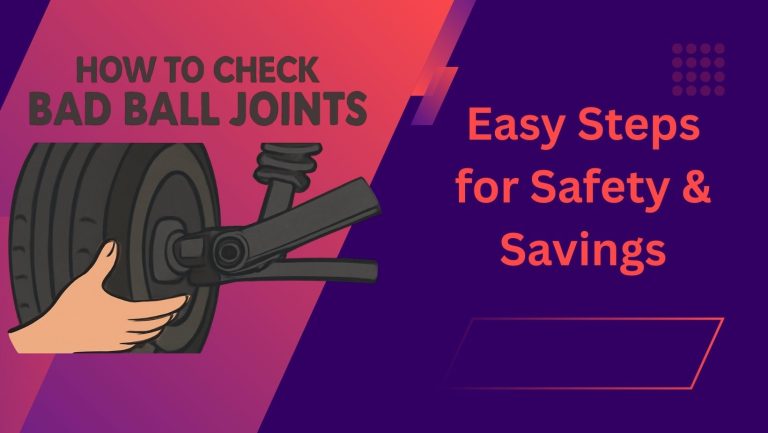
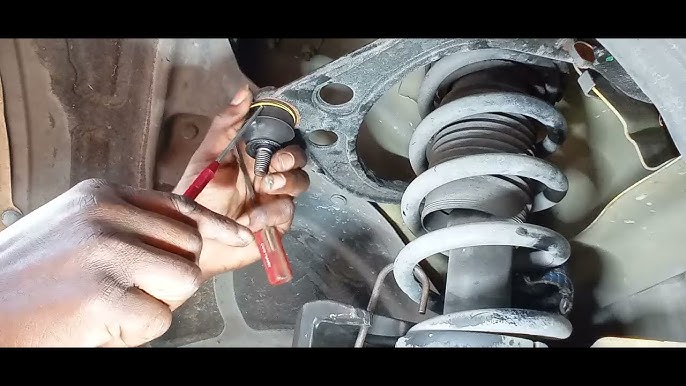
Check for torn or leaking rubber boots around the ball joints. Notice any looseness or unusual movement by gently shaking the joint. Listen for clicking or popping sounds while turning the steering wheel.
Visual inspection is crucial for identifying bad ball joints. Spotting issues early can prevent costly repairs. Let’s explore some key visual inspection tips.Checking For Grease Leakage
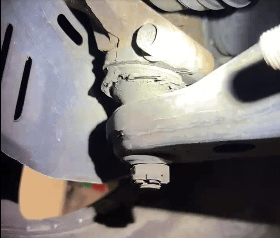
Grease leakage often signals ball joint problems. Look for shiny, wet surfaces near the ball joints. Grease might appear on surrounding components. This leakage can attract dirt, worsening the wear. Regular checks can catch leaks early.Looking For Rust Or Corrosion
Rust or corrosion weakens ball joints. Examine the joints for reddish-brown spots. Corrosion indicates exposure to moisture. This can lead to joint failure over time. Catching rust early helps maintain the vehicle’s safety.Examining Ball Joint Boots
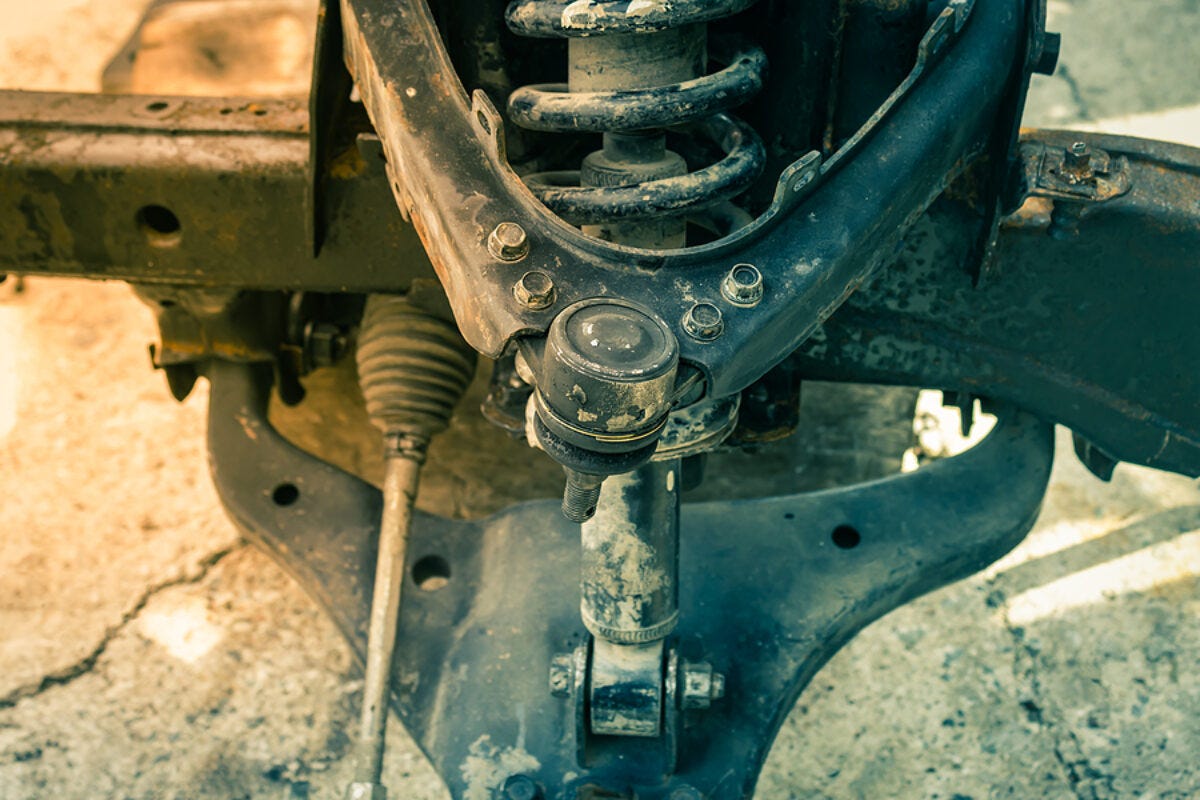
Ball joint boots protect against dirt and debris. Inspect these boots for cracks or tears. Damaged boots allow contaminants inside. This accelerates ball joint wear. Ensure boots are intact for optimal protection.Physical Tests To Perform
Physical tests help check ball joints for wear or damage. These simple checks reveal loose or faulty parts that affect vehicle safety. Perform these tests in a safe spot with the car on level ground.
Lift And Wiggle The Wheel
Use a jack to lift the wheel off the ground. Grab the tire at the top and bottom. Try to move the wheel back and forth. Any play or wobble means the ball joint may be worn out. Watch for unusual movement or clunking sounds.
Prying The Ball Joint
Place a pry bar between the control arm and the steering knuckle. Gently lift or push the pry bar. If the ball joint moves too much or feels loose, it is likely bad. This test checks for internal wear not seen by the eye.
Listening For Unusual Sounds
Drive slowly over bumps or rough roads. Listen carefully near the wheel area. Clunking or knocking noises often signal bad ball joints. These sounds occur when the joint moves too freely inside its housing.
Credit: www.wranglerforum.com
Impact Of Bad Ball Joints On Safety
Bad ball joints affect vehicle safety in serious ways. These parts connect the wheels to the suspension and control movement. When they wear out, the vehicle becomes harder to control and more dangerous to drive. Understanding the impact helps you recognize the risks and act quickly.
Effects On Vehicle Handling
Worn ball joints cause loose or shaky steering. The wheels may not respond well to your inputs. This makes driving unpredictable and tiring. Turning corners can feel unstable. The vehicle might pull to one side without warning. These issues increase the chance of accidents.
Risk Of Suspension Failure
Bad ball joints weaken the suspension system. They may break completely under stress. A broken ball joint can cause the wheel to collapse or detach. This leads to sudden loss of control. Suspension failure is dangerous, especially at high speeds. It puts drivers, passengers, and others on the road at risk.
When To Replace Ball Joints
Knowing when to replace ball joints is essential for safe driving. Ball joints wear down over time and affect vehicle control. Delaying replacement can cause serious damage and accidents. Identifying the right time to change them saves money and hassle.
Recommended Replacement Intervals
Car manufacturers suggest replacing ball joints between 70,000 and 150,000 miles. This range varies based on driving habits and road conditions. Rough roads and heavy loads shorten ball joint life. Regular checks help catch wear early.
Look out for symptoms like:
- Clunking noises when turning
- Uneven tire wear
- Steering wandering or looseness
- Vibration in the front suspension
Ignoring these signs can lead to complete joint failure. Follow your vehicle’s service manual for specific guidance.
Professional Inspection Vs Diy
Professional mechanics use tools to test ball joint play and condition. They spot subtle signs that are easy to miss. Inspections often include checking suspension and alignment together.
DIY checks are possible with basic knowledge and tools. You can:
- Lift the vehicle safely
- Check for excessive movement by hand
- Listen for unusual sounds during wheel turns
DIY methods help identify obvious issues but may miss early wear. Professionals provide accurate diagnosis and ensure safety. Regular professional inspections add confidence to your vehicle’s performance.
Preventive Maintenance Tips
Keeping ball joints in good condition extends your vehicle’s life and improves safety. Preventive maintenance helps spot early signs of wear. Simple tasks protect these critical parts from damage and costly repairs.
Regular Greasing
Ball joints need lubrication to work smoothly. Grease reduces friction and prevents rust. Check your vehicle’s manual to know how often to grease them.
- Use a high-quality grease suitable for ball joints.
- Apply grease until it oozes out from the joint seals.
- Clean old grease and dirt before adding new grease.
Regular greasing keeps ball joints flexible and extends their life.
Routine Suspension Checks
Inspect the suspension system regularly for any signs of wear or damage. Look for worn boots, loose parts, or unusual noises.
- Check for torn or cracked rubber boots around the ball joints.
- Look for any play or movement in the ball joints by shaking the wheels.
- Listen for clunking sounds when driving over bumps.
Early detection helps prevent bigger problems and ensures a safer ride.
Credit: medium.com
Frequently Asked Questions
What Are Common Signs Of Bad Ball Joints?
Common signs include uneven tire wear, clunking noises, and steering wheel vibrations. You may also notice loose or wandering steering.
How To Visually Inspect Ball Joints For Damage?
Look for torn rubber boots, grease leakage, or rust buildup. Also, check for excessive play by lifting the vehicle and moving the wheel.
Can Bad Ball Joints Affect Vehicle Safety?
Yes, worn ball joints can cause poor handling and steering control. This increases the risk of accidents and uneven tire wear.
How Often Should Ball Joints Be Checked?
Ball joints should be inspected during regular vehicle maintenance, typically every 30,000 to 50,000 miles, or if you notice symptoms.
Conclusion
Bad ball joints can cause serious vehicle problems. Listen for clunks or knocks while driving. Check for uneven tire wear or loose steering. Early detection keeps you safe on the road. Regular inspections help spot issues before they worsen. Don’t ignore strange noises or handling changes.
Fixing ball joints promptly saves money and stress. Stay alert and maintain your car well. Safety starts with good vehicle parts. Keep your drive smooth and secure.

Automotive Specialist & Expert Writer
Tyler Kingston is a passionate automotive writer with a wealth of knowledge in all things cars. With years of experience in the automotive industry, Tyler specializes in everything from vehicle maintenance to the latest car technologies and innovations. He is known for his ability to break down complex automotive concepts into easily digestible, engaging content for both novice and experienced car enthusiasts. Whether it’s detailing car repair techniques, reviewing new car models, or diving into the world of auto accessories, Tyler’s articles provide valuable insights to readers. His hands-on experience, combined with a genuine love for cars, allows him to deliver expert advice, tips, and news that keeps readers coming back for more.