What Does the Drl Light Mean on a Honda Accord: Explained
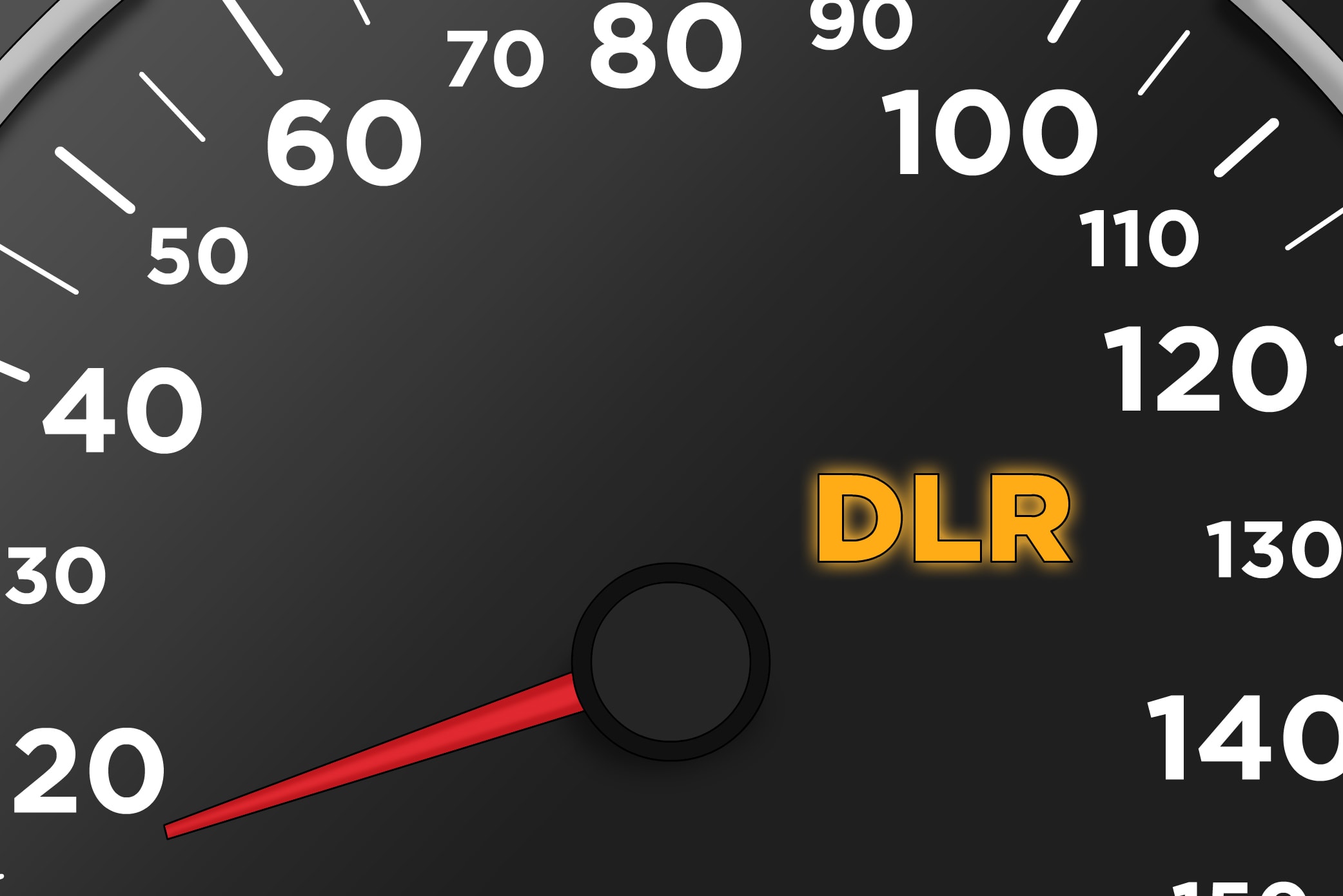
Imagine you’re driving your Honda Accord, enjoying the smooth ride, when suddenly a light labeled “DRL” pops up on your dashboard. What does it mean?
Is it something to be concerned about, or just another routine notification? Understanding your car’s dashboard lights can be perplexing, but it’s crucial for maintaining your vehicle’s health and your peace of mind. This article is here to demystify the DRL light on your Honda Accord.
We’ll break down what it signifies, why it appears, and how it impacts your driving experience. This knowledge not only empowers you to take better care of your car but also ensures you’re driving safely. So, let’s dive into the details and keep your drive smooth and worry-free.
Drl Light Basics
The DRL light on a Honda Accord indicates the Daytime Running Lights are on. These lights help increase visibility during the day. It’s a safety feature designed to make your vehicle more noticeable to other drivers.
When you see the DRL light on your Honda Accord’s dashboard, it might raise a few questions. What exactly does it mean? The DRL, or Daytime Running Lights, are designed to enhance your vehicle’s visibility during daylight hours. Understanding the basics of the DRL light can help you drive more safely and confidently.What Are Daytime Running Lights?
Daytime Running Lights are a safety feature found in many modern vehicles, including the Honda Accord. They are low-intensity lights located at the front of your car. These lights automatically turn on when you start your car and remain on while driving in daylight. The primary purpose of DRLs is to make your car more visible to other drivers. This can be especially useful in overcast or foggy conditions. Many drivers might not even notice DRLs doing their job quietly in the background, but they play a crucial role.Why Is The Drl Light On?
When the DRL light appears on your dashboard, it’s a signal that there might be an issue with the Daytime Running Lights. It doesn’t necessarily mean there’s a critical problem, but it does warrant attention. Sometimes, the light may come on if one of the DRL bulbs has burned out. Checking the bulbs and replacing them if needed can often solve the issue. In some cases, it might indicate a wiring problem or a malfunction in the DRL system.How To Address The Drl Light
First, check your vehicle’s manual for specific guidance related to the DRL light. It can offer insight into troubleshooting steps tailored to your Honda Accord model. Next, inspect the DRL bulbs. If you’re comfortable with DIY car maintenance, replacing a bulb is a straightforward task. However, if you’re unsure, visiting a professional mechanic is a good idea. Consider if you’ve been in a situation where other drivers didn’t see your car in the daytime. It’s a reminder of why having functioning DRLs is so important. They might seem like a small feature, but they can prevent accidents by making your vehicle more noticeable. If you’ve checked the bulbs and the DRL light remains on, it might be time to consult a professional. Electrical issues can be complex, and a trained technician can diagnose and fix the problem efficiently. Also, think about the peace of mind you’ll have knowing your car is in optimal condition. Investing a little time or money now can save you from more significant issues down the road. Have you ever ignored a dashboard light only to regret it later? It can be tempting to let minor alerts slide, but addressing them promptly ensures your vehicle remains safe and reliable.
Credit: www.reddit.com
Function Of Drl
Daytime Running Lights, or DRL, are a crucial feature in cars. They are designed to enhance visibility during daylight hours. DRLs automatically turn on when the vehicle is in motion. This feature aims to increase safety on the road. Many drivers appreciate the added visibility DRLs provide.
Understanding the function of DRLs is important for Honda Accord owners. Knowing how they work can help in identifying potential issues.
What Are Daytime Running Lights?
Daytime Running Lights are a safety feature in vehicles. They are usually white or amber in color. These lights are not as bright as headlights. They are intended to be visible during the day.
Purpose Of Drl In A Honda Accord
DRLs serve to make your Honda Accord more visible. They help other drivers notice your car during the day. This reduces the risk of accidents. The feature operates automatically, requiring no input from the driver.
How Drls Enhance Safety
DRLs increase the visibility of your car significantly. This is especially true in low-light conditions. Drivers can spot vehicles with DRLs from a distance. This awareness can prevent collisions and improve road safety.
Automatic Activation Of Drl
In a Honda Accord, DRLs activate automatically. They turn on when you start the engine. No manual switch is needed. This ensures your car is always visible during the day.
Common Causes For Drl Activation
Have you ever noticed the DRL light suddenly flicking on in your Honda Accord? It can be quite perplexing. You’re driving along, everything seems fine, and then this light decides to make an appearance. So, what are the common causes for DRL activation? Let’s dive into the specific reasons why your DRL light might be demanding attention.
Sensor Issues
Your Honda Accord relies on sensors to detect lighting conditions. If these sensors malfunction, the DRL light can activate unexpectedly. Imagine driving through a shaded area on a sunny day; the sensors might misinterpret the light level, triggering the DRL light. Regular maintenance checks can help ensure your sensors are working accurately.
Wiring Problems
Wiring issues are another frequent culprit. Over time, wires can become frayed or disconnected due to wear and tear. This affects the communication between your car’s DRL system and its operational controls. Ever had a flickering light at home due to loose wiring? Your car can face similar issues. Checking and repairing wiring can prevent unexpected DRL activations.
Bulb Failure
Sometimes, the simplest explanation is the right one. If a DRL bulb fails, your Accord might signal you with the DRL light. It’s like when a room goes dark because a bulb blows—your car is letting you know something’s up. Replacing the bulb can often solve the problem. When was the last time you checked the bulbs in your vehicle?
Understanding these common causes empowers you to take proactive steps. Whether it’s a sensor glitch, a wiring fault, or a bulb issue, addressing them promptly can save you from bigger headaches later. Have you encountered any DRL light surprises in your driving adventures? Share your story and insights in the comments below!
Troubleshooting Drl Light
The DRL light on a Honda Accord can be confusing for drivers. This light is crucial for daytime visibility, enhancing safety on the road. If this light turns on unexpectedly, it signals a problem needing attention. Understanding how to troubleshoot the DRL light can help in resolving issues efficiently.
Checking For Faulty Bulbs
Begin by examining the DRL bulbs. Sometimes, the light illuminates due to a burned-out bulb. Replace any faulty bulbs promptly. Ensure the bulbs are properly seated in their sockets. This prevents loose connections which can affect functionality.
Inspecting Wiring Connections
Next, inspect the wiring connections related to the DRL system. Loose or damaged wires can trigger the warning light. Check for any signs of wear or corrosion. Repair or replace any compromised connections. This ensures a stable electrical flow to the lights.
Testing Sensor Functionality
The DRL system relies on sensors to operate correctly. Test these sensors to ensure they are functioning. A faulty sensor can misinterpret lighting conditions. Consult a professional for sensor testing if necessary. Proper sensor function guarantees accurate light operation.
When To Seek Professional Help
Seeing the DRL light on a Honda Accord may raise concerns. It stands for Daytime Running Lights, indicating a potential issue with this safety feature. Consult a professional mechanic if the light remains on to ensure optimal vehicle performance and safety.
When the DRL light on your Honda Accord illuminates, it usually signals a minor issue with the daytime running lights. These lights are designed to improve visibility during daylight hours. While most DRL problems are easy to fix, there are times when professional help becomes necessary. Understanding when to seek expert assistance can save time and ensure your vehicle remains safe.Strange Warning Signals
When the DRL light appears alongside other dashboard lights, it may indicate a more complex electrical issue. This situation requires a professional mechanic’s expertise. They can diagnose the problem accurately and prevent potential vehicle damage.Repeated Drl Light Activation
If the DRL light turns on repeatedly, it might suggest an underlying issue. Persistent activation could point to faulty wiring or a failing sensor. These problems need professional evaluation and repair to maintain vehicle safety.Lights Not Functioning Correctly
When the daytime running lights don’t work as expected, professional help is advisable. A mechanic can check for blown fuses or malfunctioning bulbs. Ensuring the lights operate correctly is crucial for your safety on the road.Unfamiliar Sounds Or Smells
Hearing unusual sounds or smelling burning odors when the DRL light is on is a red flag. These can signal serious electrical problems that need immediate attention. An expert can identify and fix these issues, preventing costly repairs.Difficulty Diagnosing The Problem
If identifying the source of the DRL light issue is challenging, professional diagnosis is the best step. Mechanics have tools and experience to pinpoint the problem quickly. Their expertise ensures effective and efficient repairs.
Credit: www.youtube.com
Preventive Maintenance Tips
The DRL light on a Honda Accord signals an issue with the daytime running lights system. Regular checks ensure these lights function properly, enhancing safety by increasing vehicle visibility during daylight hours. Simple preventive maintenance can prevent potential electrical issues, ensuring reliable performance of your vehicle’s lighting system.
If you’ve ever seen the DRL (Daytime Running Lights) light come on in your Honda Accord, you know it’s a gentle nudge from your car asking for a little attention. Regular preventive maintenance ensures this light doesn’t surprise you at inconvenient times. By taking a few simple steps, you can keep your DRL system in top condition and enjoy a smoother ride.Regular System Checks
Make a habit of checking your DRL system regularly. It doesn’t have to be time-consuming. A quick look during your routine car wash or when you’re filling up on gas will suffice. Listen to your car. If the DRL light flickers or doesn’t come on at all, it might be time for a closer inspection. Ignoring these signs can lead to more significant issues down the road.Keeping Sensors Clean
Dust and grime can accumulate on your car’s sensors, affecting the performance of your DRL. A clean sensor means a more responsive lighting system. Use a soft cloth to gently wipe away any dirt. This small step can prevent bigger problems and ensure that your lights are always functioning correctly.Replacing Bulbs Timely
Bulbs don’t last forever. When a DRL bulb burns out, it’s crucial to replace it promptly to maintain optimal visibility on the road. Purchase the right bulb for your Honda Accord model. Your owner’s manual will provide guidance, or you can ask a professional for help. Have you ever driven at night and noticed a car with a faulty headlight? It’s not just annoying; it’s dangerous. Don’t let your vehicle be that car. Replacing bulbs on time isn’t just about following rules; it’s about ensuring safety for you and others. How often do you check your car’s lights? Consider setting a reminder to inspect them regularly. This simple habit can save you from headaches and keep your Honda Accord running smoothly.
Credit: www.philhugheshonda.com
Frequently Asked Questions
What Causes The Drl Light To Come On?
The DRL light activates due to faulty bulbs, a malfunctioning DRL module, or wiring issues. Ensure the headlight switch is in the correct position. Regular maintenance checks can help prevent DRL light issues. Consult a professional for accurate diagnosis and repair.
Is It Safe To Drive With The Drl Light On?
Driving with the DRL (Daytime Running Lights) on is safe. DRLs enhance vehicle visibility during daylight. They are designed to improve safety by making your car more noticeable to other drivers. Ensure your headlights are properly functioning for optimal safety during nighttime or poor visibility conditions.
What Is The Drl On My Honda Dashboard?
The DRL on your Honda dashboard stands for Daytime Running Lights. These lights enhance your vehicle’s visibility during the day, increasing safety. They automatically turn on when the engine is running. Check your owner’s manual for specific details about the DRL system in your Honda model.
How Do I Turn Drl Off On My Honda?
Locate the DRL switch on your Honda. Turn the switch to the “Off” position. Alternatively, consult your vehicle’s manual for specific instructions on disabling DRL settings for your model. Always ensure it’s legal to turn off DRL in your area before proceeding.
Conclusion
The DRL light on your Honda Accord is important. It ensures daytime visibility, enhancing safety. If the DRL light is on, check the system. It might indicate a faulty bulb or wiring issue. Quick attention can prevent bigger problems. Always refer to your owner’s manual for specific guidance.
Regular maintenance keeps your car in top shape. Understanding your car’s signals helps in safe driving. Stay alert and drive safely.

Ethan Montgomery is the administrator of carweldhub.com and an expert in the automotive industry. With hands-on experience in welding and a deep understanding of automotive parts and accessories, Ethan brings a wealth of practical knowledge to his work. His passion for the automotive field extends to blog writing and editing, where he shares valuable insights and tips with enthusiasts and professionals alike. Whether you’re looking for detailed technical advice or the latest trends in automotive technology, Ethan’s expertise makes him a trusted resource in the automotive community.