How to Reset Tire Pressure Light Toyota Camry: Quick Guide
You’re driving your Toyota Camry, enjoying the smooth ride, when suddenly that little tire pressure light pops up on your dashboard. It’s a small light, but it can cause big worry.
You might wonder if there’s a serious problem or if it’s just a false alarm. Thankfully, resetting the tire pressure light on your Toyota Camry is a simple task you can handle yourself. By learning this quick fix, you can save time, avoid unnecessary stress, and gain confidence in your car’s maintenance.
Stick around, and we’ll walk you through the steps to reset that pesky light so you can get back on the road with peace of mind. Don’t let a tiny light control your drive – take charge of your car’s health with these easy tips.
Reasons For Tire Pressure Light Activation
Driving a Toyota Camry with the tire pressure light on can be troubling. This light acts as an essential warning system for your safety. Understanding why it activates can help you address the issue effectively. Let’s explore some common reasons.
Tire Pressure Changes
Temperature fluctuations can cause tire pressure changes. Cold weather makes air contract, reducing pressure. Conversely, warm weather expands the air, raising pressure. Both situations can trigger the tire pressure light. Regularly check your tire pressure to ensure it stays within the recommended range. Maintaining correct pressure improves fuel efficiency and tire longevity.
Sensor Malfunctions
The tire pressure monitoring system (TPMS) can sometimes malfunction. This may cause the light to activate without a real issue. Dirt, debris, or corrosion on the sensors might affect their accuracy. These sensors need to function correctly to provide accurate readings. If you suspect a sensor issue, consult a professional mechanic for a thorough check.

Credit: www.reddit.com
Checking Tire Pressure
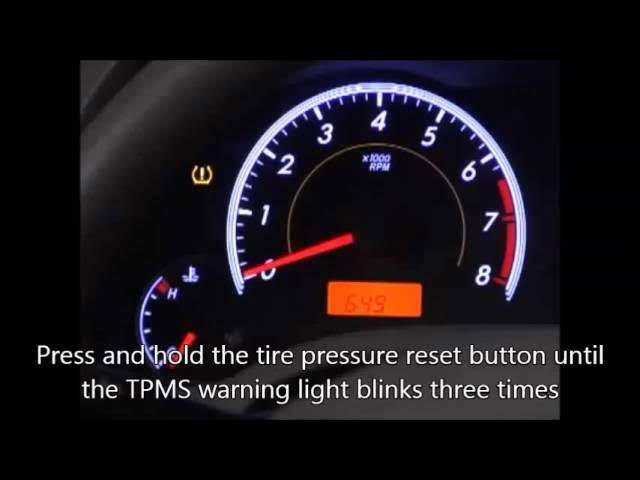
Resetting the tire pressure light on a Toyota Camry involves checking each tire’s pressure and adjusting it as needed. After ensuring the correct pressure, turn the ignition to “On” and press the reset button near the steering wheel until the light blinks three times.
This process helps maintain optimal vehicle performance.
Checking your tire pressure is essential for safe driving. It helps maintain optimal vehicle performance. A Toyota Camry’s tire pressure light indicates that pressure may be low. Resetting this light requires ensuring all tires are properly inflated. Let’s dive into how to check tire pressure effectively.Tools Needed
A tire pressure gauge is your primary tool. Choose a digital or manual gauge based on preference. Digital gauges are easier for beginners. They provide more accurate readings. A portable air compressor might be needed. It helps inflate tires to correct levels.Recommended Pressure Levels
Toyota Camry tires need specific pressure levels. Check the owner’s manual for exact numbers. Typically, it’s around 32 PSI for most models. This ensures optimal tire performance. Proper pressure prevents uneven wear and improves fuel efficiency. Regular checks are crucial for safety. Checking tire pressure keeps your Camry running smoothly. Avoid unexpected issues on the road. Regular maintenance helps extend tire life. It’s an easy process, requiring minimal tools. Keep a tire gauge handy for regular checks.Inflating Tires Properly
Properly inflated tires ensure safety and efficiency. Resetting the tire pressure light on a Toyota Camry is simple. Start by inflating each tire to the recommended psi. Turn on the ignition without starting the engine. Press and hold the tire pressure reset button until the light blinks, then release.
Inflating tires properly is crucial for resetting the tire pressure light on a Toyota Camry. Proper inflation ensures safety and enhances fuel efficiency. It also prolongs the life of your tires. Regular checks and adjustments can prevent unnecessary issues on the road.Using A Manual Pump
A manual pump is a handy tool for tire inflation. It offers precise control over the air pressure. Begin by checking the recommended tire pressure. This information is usually found in the car manual or on the driver’s side door jamb. Attach the pump nozzle securely to the tire valve. Pump steadily and check the pressure with a gauge frequently. Stop once the desired pressure is reached. Ensure all tires have uniform pressure for balanced driving.Using An Air Compressor
An air compressor speeds up the tire inflation process. It’s ideal for those short on time. First, locate a nearby air compressor at a gas station or use a portable one. Set the compressor to the recommended PSI level. Connect the air hose to the tire valve. Listen for the sound of air inflating the tire. Monitor the pressure reading on the gauge closely. Detach the hose when the tire reaches the correct pressure. Remember to check all tires, including the spare. Proper inflation keeps your Toyota Camry running smoothly.Resetting The Tire Pressure Light
Resetting the tire pressure light in your Toyota Camry is crucial. It ensures safe driving and avoids unnecessary alerts. This process is simple and can be done manually or through your car’s display. Follow the steps below to reset the tire pressure light effectively.
Steps For Manual Reset
First, ensure all tires are properly inflated. Check the recommended pressure in the owner’s manual or on the driver’s side door. Once all tires have the correct pressure, start the car. Locate the tire pressure reset button. It’s usually near the steering wheel or dashboard. Press and hold the button until the light blinks three times. Release the button and wait for a few minutes. The light should turn off.
Utilizing The Car’s Display
Start by turning on the ignition. Access the car’s display menu. Use the steering wheel controls to navigate. Find the settings or information menu. Look for the tire pressure option. Select the option and follow the prompts. This will reset the tire pressure light. Ensure that the tires are inflated correctly before you begin.
Troubleshooting Persistent Issues
Resetting the tire pressure light on your Toyota Camry can be frustrating. Sometimes, the light stays on even after adjusting tire pressure. Understanding persistent issues is crucial for resolving them effectively. Below are some steps to tackle these stubborn problems.
Inspecting For Leaks
Start by checking each tire for leaks. Leaks can cause pressure to drop, triggering the light. Use soapy water to find tiny holes. Apply it to the tire surface and watch for bubbles. Bubbles indicate air escaping from the tire. If you spot a leak, a patch or plug may be needed.
Consulting A Professional
If the tire pressure light remains on, consult a professional. Experienced mechanics can diagnose complex issues. They use specialized tools to ensure the system works correctly. Professionals often discover sensor problems or other hidden faults. Taking your Camry to a trusted service center can provide peace of mind.
Credit: www.reddit.com
Preventive Maintenance Tips
Resetting the tire pressure light on a Toyota Camry involves a few simple steps. First, check the tire pressure using a gauge to ensure all tires are properly inflated. Then, turn the ignition to the “On” position without starting the engine, and hold the tire pressure reset button until the light blinks three times.
Maintaining your Toyota Camry’s tire pressure light is crucial not just for safety, but also for enhancing your vehicle’s performance and lifespan. Preventive maintenance can save you from unexpected inconveniences and costly repairs. Here are some easy and practical tips to keep your tire pressure light in check and ensure your Camry runs smoothly.Regular Pressure Checks
You might think your tires are fine, but when was the last time you checked the pressure? Regular tire pressure checks can prevent the tire pressure light from turning on unexpectedly. Make it a habit to check your tire pressure once a month. Use a reliable tire pressure gauge to get accurate readings. Compare the readings with the recommended pressure levels in your Camry’s manual. Adjust if necessary. Ever noticed your tires looking a bit deflated during a road trip? That’s a sign they need checking. Consistent checks can prevent uneven wear and improve fuel efficiency.Routine Sensor Inspections
Tire pressure sensors are like the unsung heroes of your vehicle. They silently monitor tire pressure, warning you before a problem escalates. But even heroes need a little care. Inspect the sensors periodically to ensure they’re functioning correctly. A faulty sensor can cause the tire pressure light to illuminate even if your tires are fine. This can lead to unnecessary stress and confusion. Have you ever had the tire pressure light flash randomly? It might be a sensor issue. Checking and cleaning the sensors can prevent false alarms and ensure accurate readings. Regular inspections can save you from unexpected surprises. Why wait for a problem when you can prevent it? By keeping an eye on your sensors, you’re not just avoiding inconvenience; you’re also prolonging the life of your tires. Incorporating these preventive maintenance tips into your routine can keep your Toyota Camry running efficiently. You’ll not only feel safer on the road, but you’ll also enjoy a smoother ride. Are you ready to give your Camry the care it deserves?
Credit: www.youtube.com
Frequently Asked Questions
Where Is The Toyota Tpms Reset Button?
The Toyota TPMS reset button is usually located beneath the steering wheel. Check near the lower dashboard or under the steering column. Consult your owner’s manual for specific details if you can’t find it.
Why Is My Tire Pressure Light Still On After Filling Tires On My Toyota Camry?
The tire pressure light may stay on due to a malfunctioning sensor, incorrect pressure levels, or a reset requirement. Check for leaks, ensure proper PSI, and perform a TPMS reset if needed. If the issue persists, consult a professional to inspect and resolve any sensor problems or system errors.
Where Is The Tpms On A Toyota Camry?
The TPMS sensor in a Toyota Camry is located inside each tire. It monitors tire pressure and sends information to the car’s computer. You can find the TPMS reset button under the steering wheel or in the glove compartment. Always refer to the owner’s manual for specific details.
How Do I Reset My Low Tire Pressure Warning Light?
Check tire pressure and inflate if needed. Drive above 20 mph to reset the light automatically. If it stays on, consult your vehicle’s manual for specific instructions.
Conclusion
Resetting the tire pressure light on your Toyota Camry is simple. Check your tire pressure first. Inflate tires to the recommended levels. Then, locate the reset button under the steering wheel. Hold it until the light blinks three times. Start your car to see if the light is off.
This ensures your safety and maintains tire health. Routine checks prevent future issues. Always consult your manual if needed. A little effort keeps your Camry running smoothly. Enjoy a stress-free drive with properly inflated tires. Stay safe on the road.

Ethan Montgomery is the administrator of carweldhub.com and an expert in the automotive industry. With hands-on experience in welding and a deep understanding of automotive parts and accessories, Ethan brings a wealth of practical knowledge to his work. His passion for the automotive field extends to blog writing and editing, where he shares valuable insights and tips with enthusiasts and professionals alike. Whether you’re looking for detailed technical advice or the latest trends in automotive technology, Ethan’s expertise makes him a trusted resource in the automotive community.