What Size Tires Can I Put on My BMW i3: Expert Guide
Have you ever found yourself pondering, “What size tires can I put on my BMW i3?” You’re not alone.
Many BMW i3 owners are eager to optimize their driving experience but are unsure about the best tire choices for their unique vehicle. Choosing the right tire size isn’t just about aesthetics—it’s about enhancing performance, safety, and even fuel efficiency.
Imagine gliding smoothly around corners, feeling the secure grip of your tires on the road, and enjoying the peace of mind that comes with making a smart choice. In this guide, we’ll unravel the mystery of tire sizes for your BMW i3, helping you make informed decisions that maximize your car’s potential. Stick around, and you’ll discover the key to unlocking the perfect ride.

Credit: www.theautopian.com
Understanding Tire Sizes
Choosing the right tire size for your BMW i3 involves knowing the recommended measurements. Typically, BMW i3 models use tires measuring 155/70R19 or 175/60R19. Always consult your vehicle’s manual or a professional for precise fitment.
Understanding tire sizes can feel like deciphering a secret code, especially when you’re trying to figure out what fits your BMW i3. Tire sizes are more than just numbers on the side of your tire; they influence your car’s performance, fuel efficiency, and even its safety. By understanding these numbers, you can make informed decisions that benefit your driving experience.Tire Width
The first number in a tire size represents the width of the tire in millimeters. For example, in a size reading of 155/70R19, 155 is the tire width. Wider tires can improve grip and stability, especially when cornering. However, they might reduce fuel efficiency due to increased rolling resistance. If you frequently drive in wet or slippery conditions, you may prefer a wider tire for better traction.Aspect Ratio
The aspect ratio is the second number and it indicates the height of the tire’s sidewall as a percentage of the width. In our example, 70 means the sidewall height is 70% of the width. A lower aspect ratio often means a sportier feel and improved handling, but it can also lead to a rougher ride. Consider your typical driving conditions; do you prioritize comfort or performance?Wheel Diameter
The last number in the tire size is the wheel diameter, measured in inches. In 155/70R19, the wheel diameter is 19 inches. This number is crucial as it must match the diameter of your BMW i3’s wheels. Installing tires with a different wheel diameter can lead to poor handling or even damage to your vehicle. Always double-check your wheel diameter before purchasing new tires. Understanding these tire size components allows you to customize your BMW i3 for better performance, comfort, or efficiency. Have you ever changed tire sizes and noticed a difference in your driving experience? Share your stories or questions in the comments below!Bmw I3 Standard Tire Specifications
The BMW i3 is a unique blend of innovation and sustainability, making it a favorite among urban drivers. Understanding the standard tire specifications for your BMW i3 is crucial for maintaining its performance and safety. With its electric powertrain and lightweight design, the tires play a significant role in optimizing your driving experience.
Factory-installed Tires
When you purchase a BMW i3, it typically comes with specific tires that are designed to complement its electric efficiency and agility. These factory-installed tires are tailored to provide the perfect balance between traction, durability, and ride comfort.
The standard size for BMW i3 tires is usually around 155/70 R19 for the front and 175/60 R19 for the rear. These dimensions ensure that the vehicle handles smoothly while maintaining its eco-friendly profile.
Have you ever noticed how your i3 glides effortlessly through city streets? That’s partly due to the precise engineering of these tires. They are not just rubber on wheels; they’re integral to your car’s overall performance.
Recommended Tire Brands
Choosing the right tire brand can make a world of difference in how your BMW i3 drives. While the factory-installed options are reliable, exploring recommended brands can offer enhancements in grip and longevity.
- Michelin:Known for their durability and excellent traction, Michelin tires can provide a smoother ride and improved safety.
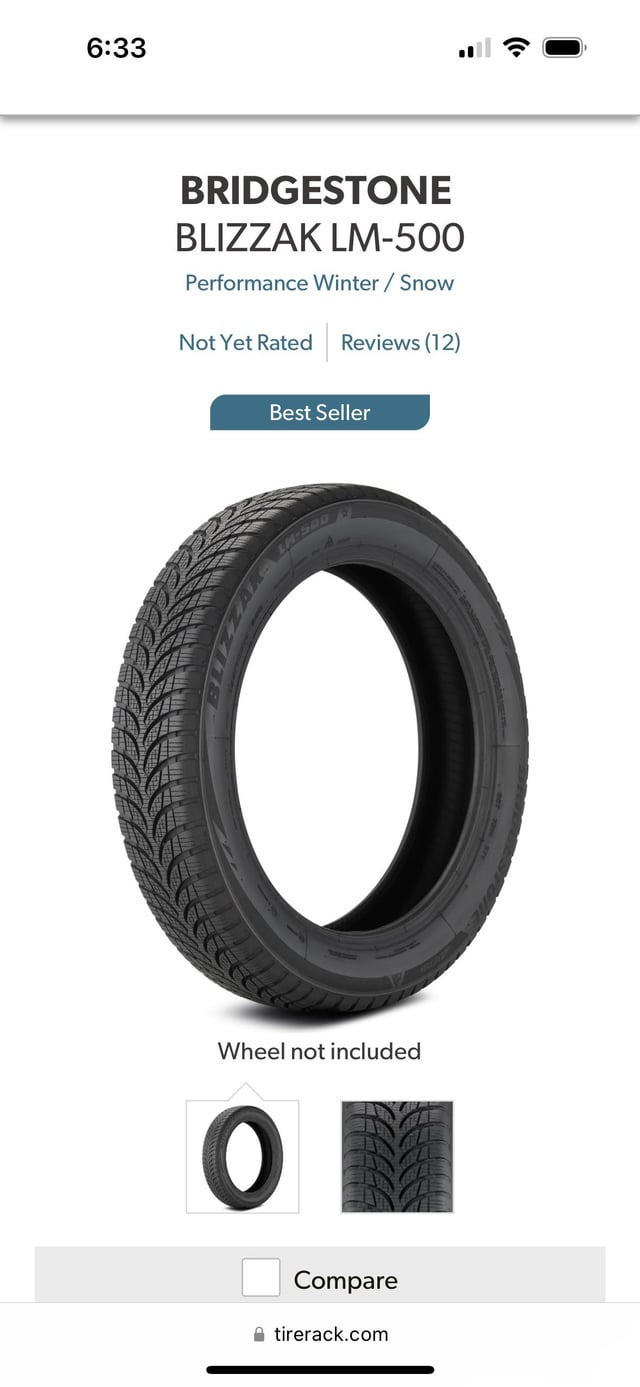
- Bridgestone:This brand offers reliable performance with an emphasis on energy efficiency, aligning perfectly with your i3’s eco goals.
- Continental:A favorite for handling and comfort, Continental tires can enhance your driving experience, especially in urban settings.
Imagine taking a sharp corner with the confidence that your tires will hold firm. That’s the kind of assurance you get from choosing the right brand. Have you considered upgrading to enhance your driving experience?
Remember, selecting tires isn’t just about size; it’s about matching your driving style and needs. Whether it’s handling wet roads or cruising on highways, the right tire can elevate your i3’s performance. What improvements are you looking to achieve with your next tire choice?
Factors Influencing Tire Selection
Selecting the right tires for your BMW i3 involves considering size, driving conditions, and load capacity. Proper tire size ensures safety and performance. Consult your vehicle’s manual or a professional for guidance.
When deciding on the right tire size for your BMW i3, several factors come into play. Understanding these factors not only helps in choosing the perfect fit but also enhances your driving experience. Below, we’ll explore key considerations to help you make an informed choice.Driving Conditions
Consider the roads you frequently drive on. Are they mostly city streets, highways, or rugged terrains? City driving typically benefits from smaller, more efficient tires that offer better maneuverability. On the other hand, if you frequently take long highway trips, larger tires might provide a smoother ride. Your daily commute can significantly influence the comfort and performance of your BMW i3.Performance Vs. Efficiency
Are you seeking enhanced performance or optimal efficiency? Larger tires can improve handling and give a sportier feel, but they might reduce fuel efficiency. Smaller tires generally offer better energy efficiency, which is crucial for electric vehicles like the BMW i3. Think about what you value more: the thrill of a dynamic drive or maximizing your vehicle’s range.Weather Considerations
Weather plays a crucial role in tire selection. If you live in an area with harsh winters, winter tires with a specific tread pattern might be necessary. For those in warmer climates, all-season tires can be more practical. Reflect on your local weather patterns and ensure your tire choice aligns with them. Choosing the right tire size for your BMW i3 is more than just a technical decision. It’s about enhancing your driving experience and ensuring safety. Have you considered all these factors before making your choice?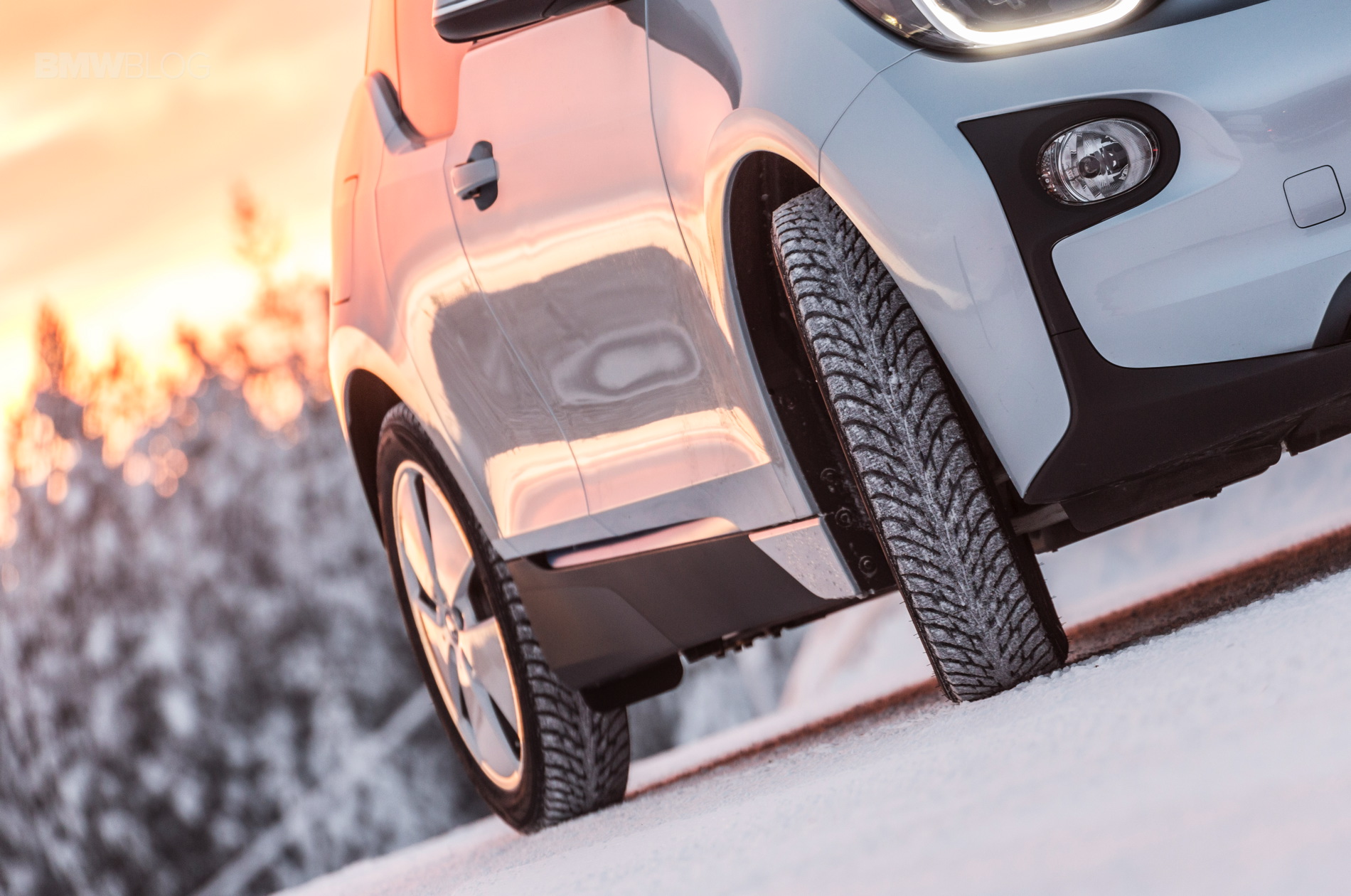
Credit: www.bmwblog.com
Benefits Of Choosing The Right Tire Size
Choosing the right tire size for your BMW i3 ensures better handling and improved fuel efficiency. Proper sizing also enhances safety by providing optimal traction on various road surfaces. Always consult your vehicle’s manual or a professional to find the best fit for your needs.
Choosing the right tire size for your BMW i3 is crucial for optimizing the vehicle’s performance and your overall driving experience. Many drivers underestimate the impact that tire size can have on various aspects of driving. From fuel efficiency to handling, selecting the appropriate tire size can make a significant difference. Let’s delve into how the right choice can benefit you in multiple ways.Fuel Efficiency
Selecting the proper tire size can greatly influence your i3’s fuel efficiency. Narrower tires, for instance, have less rolling resistance, which means your car doesn’t have to work as hard to move. This can lead to noticeable savings at the pump. Imagine driving from home to work daily, enjoying a bit of extra mileage simply because you chose the right tire size. Wouldn’t that be a pleasant bonus?Handling And Stability
Your i3’s handling and stability are directly affected by tire size. Opt for a size that complements the car’s design to enhance cornering and maneuverability. Wider tires often offer better grip, which is essential for maintaining control, especially during sudden turns or in adverse weather conditions. Have you ever felt that satisfying confidence when your car hugs the road perfectly around a sharp bend? The right tire size can give you that.Ride Comfort
Tire size also plays a crucial role in your ride’s comfort. Larger tires can provide a smoother ride as they absorb road bumps more efficiently. However, be mindful that excessively large tires may affect the suspension system negatively. Think about your last long drive. Did you notice every pothole or was the journey smooth and comfortable? The right tire choice can make those long drives much more enjoyable. Choosing the right tire size might seem like a small detail, but it can significantly impact your driving experience in ways that matter. Have you checked if your current tires are the best fit for your needs?Potential Risks Of Incorrect Tire Sizes
Choosing the right tire size for your BMW i3 is crucial. It affects safety, performance, and the integrity of the vehicle. Incorrect tire sizes can lead to unexpected problems. Understanding these risks helps you make an informed decision.
Safety Concerns
Incorrect tire sizes can lead to safety issues. Oversized tires may rub against the car’s body. This can cause damage or accidents. Undersized tires can compromise grip. This affects braking efficiency. Reduced traction can be dangerous, especially in wet conditions.
Impact On Vehicle Systems
Incorrect tire sizes can affect your vehicle’s systems. The speedometer may give inaccurate readings. This impacts your ability to follow speed limits. It can also disrupt the ABS system. This interferes with emergency braking. Tire pressure monitoring systems might not work properly. This increases the risk of driving with low pressure.
Warranty Issues
Using the wrong tire size can affect your warranty. Manufacturers specify sizes for a reason. Deviating from these specs can void your warranty. Repairs and replacements might not be covered. Always check the warranty terms before changing tire sizes.

Credit: www.youtube.com
How To Measure Your Current Tires
Choosing the right tires for your BMW i3 ensures safety and performance. Before buying new tires, knowing your current tire size is crucial. This information helps you find the perfect fit. Let’s explore how to measure your current tires.
Reading Sidewall Markings
The tire sidewall contains essential information. Look for a series of numbers and letters. This code tells you the tire’s width, aspect ratio, and diameter. For example, a code like “155/70R19” is common.
The first number, “155,” indicates the tire’s width in millimeters. The second number, “70,” represents the aspect ratio. It’s the height compared to the width as a percentage. The “R” stands for radial construction. The last number, “19,” tells the wheel diameter in inches.
Verifying Tire Dimensions
Double-check these dimensions to ensure accuracy. Use a measuring tape for width and diameter. Measure across the tire’s tread for width. For diameter, measure the wheel’s outer edge across the center.
Compare these measurements with the sidewall markings. This verifies they match. If they differ, consult a tire expert. An accurate measurement ensures the best tire fit for your BMW i3.
Professional Tire Installation Tips
Proper tire installation is crucial for your BMW i3’s performance and safety. Selecting the right tires is only the first step. Professional installation ensures your tires function optimally. Here are some tips to guarantee a seamless tire installation.
Finding A Reputable Installer
Choose an installer with experience in electric vehicles. BMW i3 has specific requirements. Look for customer reviews online. Positive feedback indicates good service. Check if the installer is certified by reputable organizations. This ensures they meet industry standards. Ask friends or family for recommendations. Personal experiences are valuable.
Ensuring Proper Alignment
Proper alignment is essential for tire longevity. Misalignment causes uneven wear. It affects vehicle handling and safety. Request an alignment check during installation. Ensure the technician uses advanced alignment equipment. This guarantees accurate results. Regular alignment checks maintain smooth driving. It also saves money in the long run.
Faqs About Bmw I3 Tire Sizes
The BMW i3 is a popular electric vehicle with unique tire requirements. Owners often wonder about the suitable tire sizes for their car. This section answers frequently asked questions about BMW i3 tire sizes. Discover expert insights on tire selection for your BMW i3.
Common Questions
Many BMW i3 owners ask about the recommended tire sizes. They wonder if they can upgrade to larger tires. Some are concerned about the impact on vehicle performance. Others are curious about the best brands for their BMW i3. Many want to know if changing tire size affects the warranty. These questions are common among i3 owners.
Expert Answers
The standard tire size for the BMW i3 is 155/70 R19. Larger tires can fit, but may affect efficiency. Experts suggest consulting your BMW dealer before changing tire sizes. Larger tires can improve grip but might reduce range. Brands like Michelin and Bridgestone offer compatible options. Changing tire sizes does not usually affect the warranty. Always ensure the new tires match the load index and speed rating. Proper tire maintenance ensures safety and performance.
Frequently Asked Questions
Can You Put Wider Tires On A Bmw I3?
Yes, you can install wider tires on a BMW i3. Ensure compatibility with the vehicle’s specifications. Wider tires may improve grip but could affect efficiency. Consult with a professional to choose the right size. Check for any potential impact on the warranty or vehicle performance.
What Size Tires Are On A Bmw I3?
BMW i3 tires are typically 155/70 R19 for the front and 175/60 R19 for the rear. Some models may use 20-inch tires. Always check your owner’s manual for specific sizing. Proper tire size ensures optimal performance and safety.
What Size Tires Are Interchangeable?
Tires are interchangeable if they match the diameter, width, and load index of your vehicle’s original specifications. Always consult your vehicle manual or a professional for compatibility. Consider factors like speed rating and aspect ratio for a proper fit. Properly matched tires ensure safety and optimal performance.
What Wheels Fit A Bmw I3?
BMW i3 typically uses wheels sized 19 or 20 inches. Ensure they match bolt pattern, offset, and tire specifications for compatibility. Choose wheels designed for electric vehicles to maintain efficiency and performance. Consult BMW guidelines or a professional for exact fitment.
Conclusion
Choosing the right tires for your BMW i3 is essential. Proper tire size ensures safety and performance. Always check your car’s manual for guidance. Consult a professional if unsure. They can provide expert advice tailored to your needs. Remember, fitting the wrong size can affect handling.
It might also impact your car’s efficiency. Take time to research and make an informed decision. A well-maintained tire set offers better mileage and comfort. Keep your BMW i3 running smoothly with the right tires. Enjoy your drive, knowing you’ve made the best choice.

Automotive Specialist & Expert Writer
Tyler Kingston is a passionate automotive writer with a wealth of knowledge in all things cars. With years of experience in the automotive industry, Tyler specializes in everything from vehicle maintenance to the latest car technologies and innovations. He is known for his ability to break down complex automotive concepts into easily digestible, engaging content for both novice and experienced car enthusiasts. Whether it’s detailing car repair techniques, reviewing new car models, or diving into the world of auto accessories, Tyler’s articles provide valuable insights to readers. His hands-on experience, combined with a genuine love for cars, allows him to deliver expert advice, tips, and news that keeps readers coming back for more.