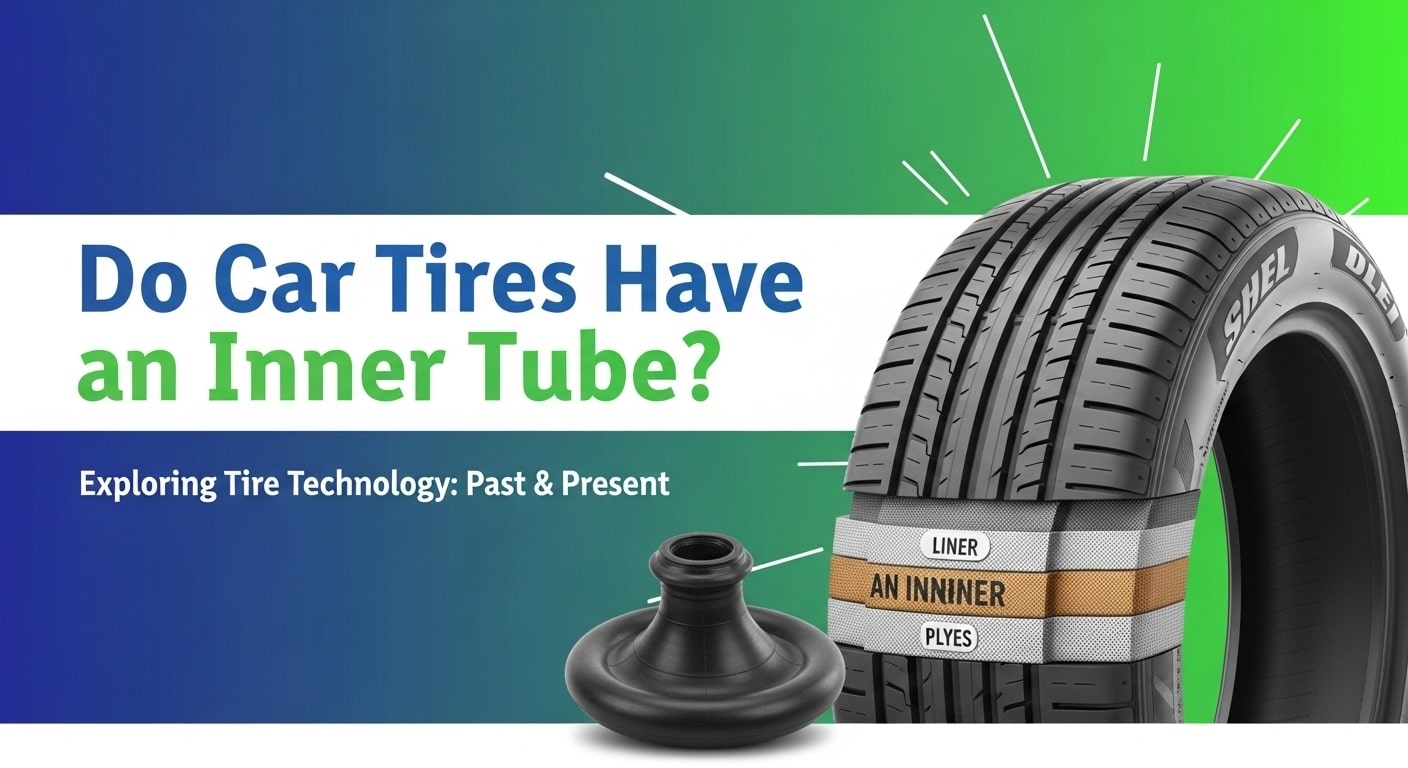
Do Car Tires Have an Inner Tube? Uncover the Truth
Imagine you’re driving down the road, enjoying the smooth ride your car offers. But have you ever wondered what’s inside those tires that keep you rolling effortlessly?
Maybe you’ve asked yourself, “Do car tires have an inner tube? ” You’re not alone in your curiosity. Understanding how your tires work can save you money and keep you safer on the road. We’re going to uncover the truth about car tires and inner tubes.
By the end, you’ll have the knowledge to make informed decisions about your vehicle’s tires, ensuring the best performance and longevity. Prepare to dive into the world of tires and discover whether your wheels are hiding inner tubes or if they rely on something else entirely.
Historical Evolution Of Car Tires
The journey of car tires has seen remarkable changes. From simple beginnings to modern innovations, tires have evolved significantly. This evolution has impacted driving comfort and safety.
Early Designs And Materials
Early car tires were simple and basic. They had an inner tube for air. This inner tube was made of rubber. The outer layer was also rubber, but thicker. Natural rubber was the main material used. These tires were not very durable. They were prone to punctures and needed frequent repairs.
Over time, manufacturers experimented with materials. They tried to improve durability and performance. Cotton and other fabrics were added. This made tires stronger and more reliable. But the inner tube remained a key component.
Transition To Tubeless Technology
The mid-20th century saw a major shift. Tubeless tires were introduced. This new design eliminated the inner tube. Air was now held directly by the tire itself. Tubeless tires offered many benefits. They were less prone to punctures. They also provided better air retention.
Manufacturers adopted tubeless designs quickly. The benefits were clear and compelling. Tubeless tires enhanced safety and performance. They became the standard for modern vehicles. This transition marked a significant milestone in tire evolution.
Components Of Modern Car Tires
The components of modern car tires are essential for safe driving. Understanding these parts helps you make informed decisions about tire care. Modern tires have evolved from simple rubber rings to sophisticated structures. They feature multiple layers for performance and durability.
Tire Structure Overview
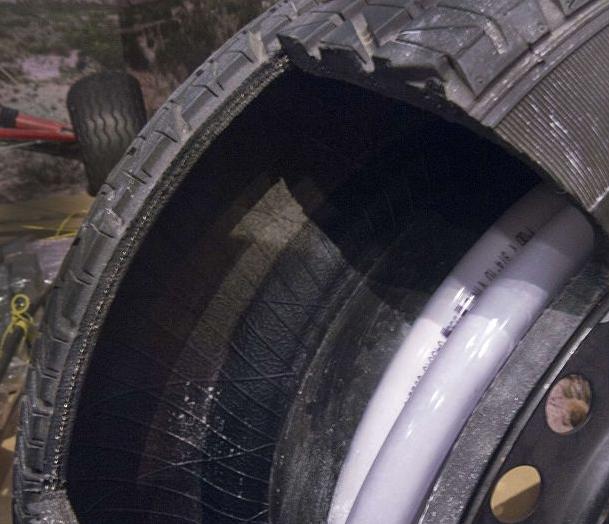
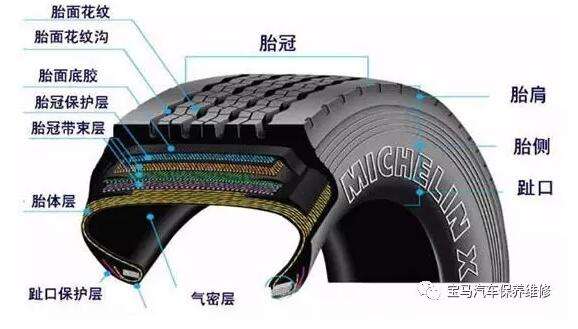
Modern tires are made of several layers. The outer layer is called the tread. It provides grip on the road. Beneath the tread, there’s the carcass. This layer gives the tire its shape. The carcass usually consists of fabric cords. These cords are coated with rubber. They provide strength and flexibility.
The sidewall is another important part. It connects the tread and the bead. The bead is the edge of the tire. It fits snugly against the wheel rim. Inside the tire, there’s the inner lining. It holds air and prevents leaks.
Role Of Inner Tubes
Inner tubes were common in older tires. They held air and maintained pressure. Modern tires typically don’t use inner tubes. Tubeless designs have become standard. They have an airtight seal against the wheel rim. This reduces punctures and enhances safety.
Without an inner tube, tires are lighter. They also provide better performance. Tubeless designs have improved over time. They offer a smoother ride and less maintenance. This makes them popular in today’s vehicles.
Advantages Of Tubeless Tires
Car tires without inner tubes, known as tubeless tires, offer several benefits. They reduce the risk of sudden flats and improve fuel efficiency. Enhanced stability and a smoother ride make them a popular choice for drivers.
Tubeless tires have become increasingly popular due to their numerous advantages over traditional tube tires. If you’ve ever experienced a flat tire on a busy highway, you understand the importance of reliable tires. Tubeless options offer an edge that can enhance both your safety and your driving experience.
Improved Safety Features
Tubeless tires are designed to handle punctures more effectively. When a sharp object pierces a tubeless tire, the air loss is gradual. This slow deflation gives you more time to react and find a safe place to stop, reducing the risk of accidents. Moreover, tubeless tires eliminate the risk of sudden blowouts. Without an inner tube, there’s no chance of pinching or bursting. This means you can drive with peace of mind, knowing your tires are less likely to fail unexpectedly.
Enhanced Performance
Tubeless tires are generally lighter than their tube counterparts. This reduction in weight can lead to better fuel efficiency. Less weight means your engine doesn’t have to work as hard, saving you money at the pump. Additionally, these tires provide a smoother ride. They can run at lower pressures, which improves traction and comfort. Imagine driving on a bumpy road and feeling less of the harshness – that’s the kind of performance tubeless tires offer. Have you ever thought about how your choice of tires affects your driving experience? The advantages of tubeless tires aren’t just about safety and performance—they’re about enhancing your overall journey.

Credit: www.reddit.com
Comparing Tubed And Tubeless Tires
When thinking about car tires, the debate between tubed and tubeless tires often pops up. Each type has its own unique features that can affect your driving experience and maintenance routine. Understanding these differences can help you make the right choice for your vehicle.
Cost Considerations
Choosing between tubed and tubeless tires can impact your budget. Tubeless tires often come with a higher upfront cost. However, they can save you money in the long run by minimizing repair expenses.
Tubed tires usually cost less initially but may require frequent replacements or repairs. If you’ve ever had to deal with a puncture on a tubed tire, you know the drill—patching or replacing inner tubes can add up.
Consider your driving habits and the terrain you usually encounter. Are you willing to invest more now for less hassle later, or do you prefer a lower initial cost with potential ongoing expenses?
Maintenance Differences
Your maintenance routine can vary significantly between tubed and tubeless tires. Tubeless tires are generally easier to maintain. They are less prone to punctures, meaning fewer unexpected stops to fix flats.
On the other hand, tubed tires require more attention. Inner tubes can be prone to leaks and require regular checks to ensure they are properly inflated. I recall spending a hot afternoon fixing a flat on my old car, wishing I had gone for tubeless tires instead.
Think about the convenience factor. Do you want a tire that lets you focus more on your journey and less on tire upkeep?
Common Misconceptions About Tire Inner Tubes
Many people wonder about tire inner tubes. There’s a lot of confusion. Some think every tire has one. Others believe inner tubes are outdated. This section clears up these misconceptions.
Myths Vs. Reality
Some myths about tires persist. Many think all car tires have inner tubes. This is not true. Most modern tires are tubeless. Inner tubes were common in older cars. Today, they are rare in cars.
People also believe inner tubes improve safety. Tubeless tires are actually safer. They seal better and reduce flats. This myth leads to unnecessary worry. Understanding tire types helps in choosing the right one.
Consumer Confusion
Consumers often mix up tire terms. “Inner tube” and “tubeless” sound similar. This causes confusion. Many tire shops receive questions about inner tubes. Shoppers need clear information.
Marketing materials can add to the confusion. Some ads mention inner tubes without explanation. This leaves buyers puzzled. Educating consumers is key. Clear information aids in proper tire selection.
Credit: mgaguru.com
Choosing The Right Tires For Your Vehicle
Choosing the right tires for your vehicle is crucial for ensuring safety, performance, and comfort. Whether you’re navigating city streets or cruising along the highway, the right tire can make all the difference. But how do you decide which tires are the best fit for your car?
Factors To Consider
Your driving style plays a significant role in tire selection. Are you an adventurous off-roader or a daily commuter? Knowing your driving habits helps in picking the right tire type.
Consider the climate in your area. If you live in a region with harsh winters, winter tires might be necessary. Conversely, all-season tires could suffice in milder climates.
Don’t forget about your vehicle’s manufacturer recommendations. They provide valuable insights into the best tire type and size for optimal performance.
Expert Recommendations
Consulting with a tire expert can save you time and money. They can offer guidance based on their experience and knowledge of the latest tire technologies.
Experts often recommend rotating your tires regularly. This ensures even wear and extends the lifespan of your tires.
Check for tire reviews and ratings online. Other drivers’ experiences can provide you with practical insights into tire performance and durability.
When I bought my first car, I ignored expert advice and chose tires based solely on price. I learned the hard way that cheap tires wear out quickly, costing more in the long run. Have you ever compromised quality for cost and regretted it?
Choosing the right tire isn’t just about picking the least expensive or the most popular brand. It’s about finding the balance that meets your needs and ensures safe driving. What factors will you prioritize when choosing your next set of tires?
Credit: www.sinotyregroup.com
Frequently Asked Questions
When Did Car Tires Stop Having Inner Tubes?
Car tires began transitioning from inner tubes to tubeless designs in the 1950s. Tubeless tires offered improved safety and performance. Today, most modern vehicles use tubeless tires for enhanced durability and efficiency. This change marked a significant advancement in tire technology, benefiting drivers with better reliability and reduced maintenance needs.
Does A Car Wheel Have An Inner Tube?
Most modern car wheels do not have inner tubes. Instead, they use tubeless tires that seal directly to the rim. Tubeless designs reduce punctures and improve safety. Inner tubes are typically found in older or specialized vehicles. Always check your vehicle specifications for accurate information.
What Tires Have No Inner Tube?
Tubeless tires have no inner tube. They create an airtight seal with the wheel rim. Popular in bicycles, motorcycles, and cars, tubeless tires reduce puncture risk and improve performance. These tires offer better fuel efficiency and are easier to repair.
How To Tell If A Car Tire Is Tube Or Tubeless?
Check the tire sidewall for “Tubeless” marking. Inspect the valve stem; tubeless tires have a solid stem.
Conclusion
Car tires today mostly use tubeless designs. They offer more benefits. Tubeless tires reduce the chance of sudden flats. They provide better fuel efficiency too. Inner tubes are rare now. They were common in older tires. Understanding tire types helps in making better choices.
Always check your car’s manual before purchase. Safety and performance depend on the right tire. Consult a professional for guidance if unsure. Stay informed about your tire needs. Your car will thank you.

Automotive Specialist & Expert Writer
Tyler Kingston is a passionate automotive writer with a wealth of knowledge in all things cars. With years of experience in the automotive industry, Tyler specializes in everything from vehicle maintenance to the latest car technologies and innovations. He is known for his ability to break down complex automotive concepts into easily digestible, engaging content for both novice and experienced car enthusiasts. Whether it’s detailing car repair techniques, reviewing new car models, or diving into the world of auto accessories, Tyler’s articles provide valuable insights to readers. His hands-on experience, combined with a genuine love for cars, allows him to deliver expert advice, tips, and news that keeps readers coming back for more.