Is It Possible for a Car Tire to Increase Pressure: Discover How
Have you ever found yourself puzzled by the mysterious rise in your car tire’s pressure? You might be wondering if it’s a cause for concern or just a natural occurrence.
Imagine this: you’re heading out for a road trip, and you decide to check your tire pressure. To your surprise, it’s higher than it was the last time you checked. What’s going on here? Could your tires be playing tricks on you, or is there a scientific explanation behind this phenomenon?
Understanding how tire pressure can change is crucial for your safety and your vehicle’s performance. After all, the right tire pressure ensures a smooth ride, better fuel efficiency, and longer tire life. But what causes these pressure fluctuations? Is it possible for a tire to increase pressure on its own? You’ll uncover the factors that can lead to changes in tire pressure and how you can manage them effectively. Stay with us as we delve into this intriguing topic, explore common myths, and provide practical tips for keeping your tires in top shape. You’re about to discover insights that could change the way you think about tire maintenance forever.

Credit: www.instagram.com
Tire Pressure Basics
Car tire pressure can increase due to heat from driving or sunlight. Air expands when heated, raising the tire pressure. Regular checks ensure safe levels, preventing blowouts or uneven tire wear.
Tire Pressure Basics Understanding tire pressure is essential for every car owner. It’s not just about ensuring your ride is smooth, but it’s also a matter of safety and fuel efficiency. Have you ever wondered why your tire pressure changes or what factors influence it? Let’s dive into the key aspects of tire pressure to help you maintain your vehicle effectively.Role Of Air Pressure In Tires
Air pressure in tires acts like the backbone of your car’s performance. It keeps your tires firm and helps in maintaining their shape. Properly inflated tires ensure better traction, which means improved handling and shorter braking distances. Imagine driving with under-inflated tires. It’s like wearing shoes too big for your feet—unstable and uncomfortable. On the other hand, over-inflated tires can lead to a rough ride and even increase the risk of a blowout.Factors Influencing Tire Pressure
Several factors can cause your tire pressure to fluctuate. Temperature is a major player. As the temperature rises, air inside your tires expands, increasing the pressure. Conversely, cold weather can cause your tires to lose pressure. Another factor is the natural seepage of air. Even if your tires are in perfect condition, they can lose about 1-2 PSI (pounds per square inch) each month. Driving habits also play a role. Regularly carrying heavy loads or driving at high speeds can increase pressure. If you notice your tires constantly losing pressure, it might be time for a check-up. It could be a slow leak or something more serious. Have you ever checked your tire pressure after a long drive and noticed a change? It’s a good habit to get into, ensuring you’re always driving safely. Tire maintenance isn’t just about inflating your tires. It’s about understanding the dynamics that affect them and taking action to ensure they’re always at their best. So, next time you grab that pressure gauge, remember what’s at stake. Your safety and wallet will thank you!
Credit: www.amazon.com
Causes Of Increased Tire Pressure
Tire pressure can increase due to heat from driving or changes in weather. Warm air expands, raising tire pressure. Check tire pressure regularly to ensure safety.
Understanding the causes of increased tire pressure can save you from unexpected troubles on the road. Have you ever checked your tire pressure only to find it higher than you expected? This isn’t just a random occurrence; various factors can lead to this change. Let’s dive into some common reasons why your tire pressure might rise unexpectedly.Temperature Fluctuations
When temperatures soar, so does the pressure inside your tires. Warm weather can cause the air inside to expand. This might add a few extra pounds of pressure, which could affect your driving comfort and safety. Next time you’re on a road trip during a sunny day, check if your tires feel firmer than usual.Over-inflation Scenarios
Sometimes, over-inflating your tires during routine maintenance can go unnoticed. This can happen if you’re not using a reliable pressure gauge. Over-inflation not only impacts the ride quality but also increases the risk of a blowout. Have you ever had that unsettling feeling when your tires seem too bouncy? It might be time for a pressure check.Altitude Changes
Driving through mountainous areas can also impact tire pressure. As you ascend to higher altitudes, atmospheric pressure decreases. This shift can cause the air in your tires to expand, increasing the tire pressure. If you’ve ever noticed your tires feeling different after a drive through the mountains, this might be the reason. Understanding these factors can help you maintain optimal tire pressure, ensuring a safer and more efficient drive. Have you checked your tires lately? It might be time for a quick look.Heat’s Impact On Tire Pressure
Car tires can indeed increase in pressure, and a significant factor influencing this is heat. As temperatures rise, so does the air inside your tires. This can lead to unexpected changes in tire pressure, affecting both safety and performance. Ever notice your tires feel a bit different during a hot summer day or after a long drive? That’s heat at work.
Friction And Heat Generation
When you drive, the friction between the road and your tires generates heat. This is especially true during long drives or when you’re driving at high speeds. The heat produced from this friction causes the air inside the tires to expand, increasing the tire pressure.
Imagine you’re on a road trip, cruising down the highway. Your tires are working hard, and the friction they encounter steadily raises their temperature. As a result, the air pressure builds up, sometimes beyond the recommended levels.
Sun Exposure Effects
On sunny days, the heat from the sun can also impact tire pressure. If you’ve ever parked your car in the open on a hot day, you might have noticed the tires look slightly more inflated. That’s because the sun’s heat warms the tires, causing the air inside to expand and increase pressure.
Consider checking your tire pressure after your car has been sitting in the sun for a few hours. You might be surprised at how much the pressure has changed compared to when the car was in the shade. This shows the importance of monitoring tire pressure regularly, especially in varying weather conditions.
Have you experienced any changes in tire performance due to heat? What steps do you take to ensure your tires are safe? Understanding these effects can save you from unexpected tire issues and enhance your driving experience.
Natural Pressure Variations
Car tire pressure can change naturally. Many factors influence this phenomenon. Temperature changes play a key role. Understanding these variations can help maintain tire health. Proper tire pressure ensures safety and efficiency.
Daily Pressure Changes
Tire pressure can vary throughout the day. Morning and afternoon temperatures differ. Cooler mornings can lower tire pressure. As the day warms, pressure can increase. Parking in direct sunlight can also raise pressure. These daily shifts are normal.
Seasonal Pressure Shifts
Seasons significantly impact tire pressure. Winter often causes pressure to drop. Cold air contracts, reducing pressure in tires. Summer heat expands air, increasing pressure. Regular checks are vital during these times. Maintaining proper pressure ensures safe driving.
Monitoring Tire Pressure
Monitoring tire pressure is crucial for vehicle safety and performance. Properly inflated tires ensure better fuel efficiency and reduce wear. Understanding how to monitor tire pressure helps prevent unexpected issues.
Using Pressure Gauges
Pressure gauges offer a simple way to check tire pressure. These tools measure air pressure inside a tire. They’re available in digital and manual formats. Digital gauges provide quick readings. Manual gauges require more attention but are reliable.
Checking tire pressure regularly with a gauge is important. It ensures tires maintain optimal pressure levels. A well-maintained gauge can be a driver’s best friend. It helps catch any pressure changes early.
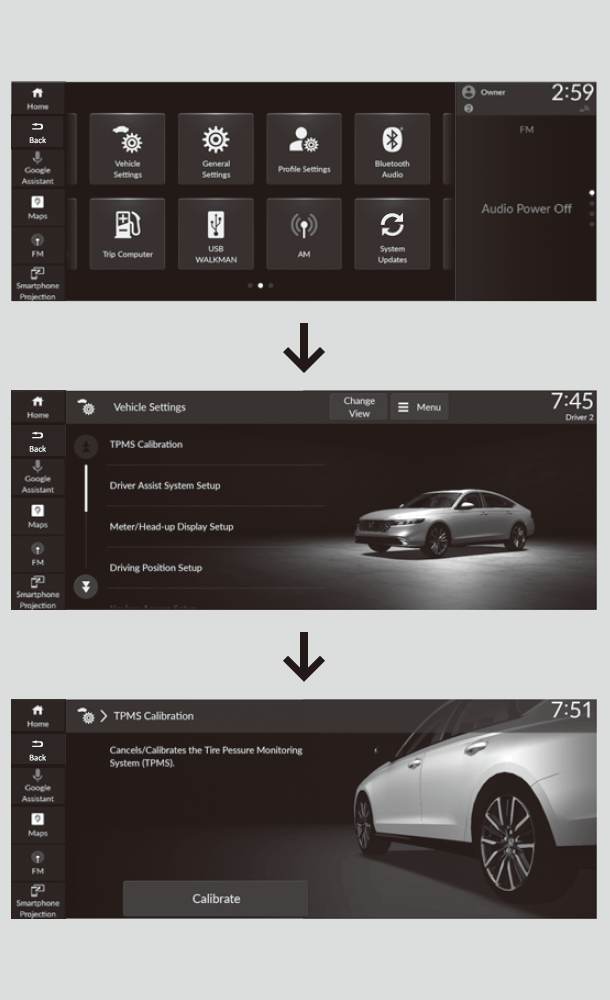
Benefits Of Tpms (tire Pressure Monitoring Systems)
TPMS provides real-time updates on tire pressure. It alerts drivers when pressure drops below safe levels. This system increases road safety. It reduces the risk of tire-related accidents.
TPMS simplifies tire pressure monitoring. It offers convenience and peace of mind. Drivers can focus more on driving than on tire worries. Many modern cars come equipped with TPMS. This feature is becoming standard in newer models.
Knowing your tires are correctly inflated boosts confidence. TPMS contributes to overall vehicle health. It aids in maintaining tire longevity and efficiency.
Safety Risks Of Incorrect Pressure
Maintaining the right tire pressure is crucial for car safety. Incorrect tire pressure can pose significant risks. It affects the handling of the vehicle and the longevity of tires. Understanding these risks can help prevent accidents and costly repairs.
Impact On Vehicle Handling
Incorrect pressure changes how your car feels on the road. Low pressure can make steering feel sluggish. High pressure might cause the car to bounce. Both issues reduce control over the vehicle. This can lead to accidents, especially on wet roads. Proper pressure ensures the car responds well to steering inputs.
Tire Wear And Tear
Tires wear out faster with improper pressure. Low pressure leads to sidewall flexing. This causes extra heat and can result in blowouts. High pressure wears the center of the tire faster. This uneven wear reduces tire lifespan. Regular checks can help keep tire pressure within the recommended range.
Maintaining Optimal Tire Pressure
Car tires can increase in pressure due to temperature changes. Warm weather or long drives can cause this. Regular checks ensure safety and extend tire life.
Maintaining optimal tire pressure is crucial for your car’s performance and safety. Surprisingly, tire pressure can increase on its own due to various factors. Understanding how to manage this change can save you from unexpected issues on the road.Regular Pressure Checks
Checking your tire pressure regularly is essential. You can do it easily with a tire pressure gauge. Aim to check it once a month or before long trips. Don’t rely solely on visual checks. A tire can look fine but still be under or over-inflated. Keeping a record of your tire pressure readings can help you notice patterns or changes.Adjusting For Environmental Factors
Temperature changes can affect tire pressure. For every 10°F change in temperature, tire pressure can increase or decrease by about 1 PSI. Are you aware of this? For instance, if you park your car outside in the sun, the heat can increase the pressure. Conversely, colder temperatures might cause a drop. This is why it’s crucial to adjust tire pressure according to seasonal changes. Consider where you live. If you experience drastic temperature changes, be extra vigilant. It might be worthwhile to check your tire pressure more frequently during extreme weather conditions. Have you ever found your tires unexpectedly over-inflated or under-inflated? This could be due to these environmental shifts. By staying informed and proactive, you can ensure your car remains safe and efficient.
Credit: wiygul.com
Frequently Asked Questions
Is It Possible For Tire Pressure To Increase?
Yes, tire pressure can increase due to heat. Driving generates heat, causing air inside the tire to expand. Make sure to regularly check tire pressure, especially after long drives. Proper tire pressure ensures safety and extends tire life. Always adjust pressure according to manufacturer’s recommendations.
Can A Tire Pressure Sensor Give A False Reading?
Yes, a tire pressure sensor can give a false reading. Factors like sensor malfunction, battery issues, or interference can cause inaccuracies. Regular sensor maintenance and checking tire pressure manually can help ensure accuracy.
Can Tire Pressure Go Back Up?
Yes, tire pressure can increase. Temperature changes or driving can cause air expansion inside tires, raising pressure. Regular checks ensure optimal levels. Proper maintenance helps avoid issues like blowouts or reduced fuel efficiency. Adjust pressure according to the manufacturer’s recommendations for safety and performance.
How Did My Tires Get Overinflated?
Overinflation can occur due to high temperatures expanding air inside the tires or incorrect pressure gauge readings. Also, filling tires at a gas station with inaccurate equipment can lead to overinflation. Regularly check tire pressure with a reliable gauge to prevent this issue.
Conclusion
Understanding tire pressure changes is important for safety. Car tires can increase pressure due to heat. Driving or sun exposure warms the air inside. Warm air expands, raising tire pressure. Regularly check tire pressure to stay safe. Under-inflated or over-inflated tires can cause accidents.
Use a reliable gauge for accuracy. Remember, proper tire maintenance saves money and ensures safety. Keep your tires in good condition. Stay informed and drive safely.

Automotive Specialist & Expert Writer
Tyler Kingston is a passionate automotive writer with a wealth of knowledge in all things cars. With years of experience in the automotive industry, Tyler specializes in everything from vehicle maintenance to the latest car technologies and innovations. He is known for his ability to break down complex automotive concepts into easily digestible, engaging content for both novice and experienced car enthusiasts. Whether it’s detailing car repair techniques, reviewing new car models, or diving into the world of auto accessories, Tyler’s articles provide valuable insights to readers. His hands-on experience, combined with a genuine love for cars, allows him to deliver expert advice, tips, and news that keeps readers coming back for more.