How to Remove 2013 Ford Connect Passenger Seat: Step-by-Step Guide
Are you struggling with removing the passenger seat from your 2013 Ford Connect? You’re not alone.
Whether you’re looking to create more space for cargo, make repairs, or simply change the layout of your van, removing the seat can seem like a daunting task. But don’t worry, it’s easier than you think. In this guide, we’ll walk you through the process step by step, ensuring you can tackle the job with confidence and ease.
By the end of this article, you’ll have the knowledge and tips you need to get the job done right. So, let’s dive in and simplify this task together!
Tools And Materials Needed
Removing the passenger seat from a 2013 Ford Connect requires basic tools. Gather a wrench, screwdriver, and pliers. Keep a soft cloth handy to protect surfaces.
Removing the passenger seat from a 2013 Ford Connect can seem daunting. However, with the right tools and materials, the task becomes manageable. Whether you’re looking to make more space for cargo or simply need to repair or replace the seat, understanding what you need before diving in is crucial. Let’s explore the essentials.
Tools You’ll Need
To effectively remove the passenger seat, you must have the appropriate tools on hand. A socket wrench set is indispensable; it allows you to tackle various bolt sizes. Make sure you have both metric and standard sockets as Ford vehicles often use a mix of both. A screwdriver set is also vital. Phillips and flathead screwdrivers will help you dismantle any plastic coverings or panels around the seat. Be prepared with a good quality set to avoid stripping screws. Lastly, consider using a trim removal tool. This is particularly useful for safely removing plastic panels without causing damage. It’s a small investment that saves time and prevents costly repairs.
Materials Required
Beyond tools, certain materials may be needed to ensure a smooth process. Have a set of replacement bolts and nuts ready. Sometimes, the original bolts can become worn or damaged during removal, so having replacements on hand is smart. Also, consider using a lubricant like WD-40. This helps loosen any stubborn bolts, especially if the vehicle has seen a lot of wear and tear. Don’t forget some plastic bags or containers to keep all screws, nuts, and small parts organized. Losing these can lead to frustration and delays, so staying organized is key.
Safety Gear
Safety shouldn’t be overlooked. Wearing gloves can protect your hands from sharp edges and tight spaces. It’s also wise to have safety goggles, especially if you’re working in a poorly lit area or dealing with rusted components. Consider this: Have you ever started a project only to realize midway that you’re missing something crucial? Preparing your tools and materials in advance not only saves time but reduces stress.
Personal Tip
Having removed seats from various vehicles, I’ve found that patience is your best friend. Sometimes, bolts are stubborn and require a bit of elbow grease. But don’t rush. Take your time and make sure each component is safely stored. By preparing thoroughly, you set yourself up for success. You’ll find that removing the passenger seat can be a straightforward process with the right approach. Are you ready to tackle this project with confidence?
Safety Precautions
Ensure the vehicle is on a flat surface and turned off before removing the passenger seat. Wear safety gloves to protect hands from sharp edges. Use appropriate tools to avoid damaging the seat or vehicle components. Disconnect the battery to prevent accidental airbag deployment.
Follow manufacturer instructions for safe removal.
Removing the passenger seat from a 2013 Ford Connect can be quite the DIY project, but safety should always come first. Before diving into the task, it’s crucial to understand and follow specific safety precautions to avoid injury or damage to your vehicle. Let’s delve into these safety measures to ensure a smooth and secure process.
1. Disconnect The Battery
Always start by disconnecting the vehicle’s battery. This step prevents any electrical mishaps, like accidental airbag deployment. Use a wrench to disconnect the negative terminal first, ensuring there’s no power flowing through the car.
2. Wear Protective Gear
Safety goggles and gloves are essential. They protect you from sharp edges and any unforeseen incidents while handling tools and seat components. Feeling comfortable and secure in your gear can make the task less daunting.
3. Secure The Vehicle
Before you start, ensure the vehicle is parked on a flat surface. Engage the parking brake to prevent any movement. This simple step can keep the car stable and prevent accidents.
4. Use The Right Tools
Having the correct tools on hand makes a big difference. Make sure you have a set of socket wrenches, screwdrivers, and pliers ready. Using the wrong tools can lead to stripped bolts or damage to the seat or floor.
5. Plan Your Workspace
Clear the area around the car. This gives you ample space to move and removes potential tripping hazards. A clean workspace also ensures you don’t misplace any small parts or screws.
6. Follow The Manual
Refer to the vehicle’s manual for specific instructions related to seat removal. It contains valuable information, including bolt locations and any electronic connections to be aware of. This guidance can save you time and prevent mistakes.
7. Ask For Help If Needed
Removing a car seat can be a two-person job. Don’t hesitate to ask a friend for help, especially when lifting or carrying the seat. Having an extra pair of hands can make the process safer and more efficient. Remember, preparation is key to safely removing your Ford Connect’s passenger seat. What other safety tips have you found useful in your DIY car projects?
Preparing The Vehicle
Before removing the passenger seat from your 2013 Ford Connect, proper preparation is crucial. Getting the vehicle ready ensures a smooth process. It also prevents any potential mishaps. Carefully follow the steps to avoid damaging your vehicle. In this section, we will guide you through clearing the area and disconnecting the battery. Let’s dive in!
Clearing The Area
Start by emptying the vehicle of personal items. This includes the passenger seat area. Remove floor mats and any loose items. This will give you ample working space. It also reduces the risk of tripping or losing small parts. Check beneath the seat for any hidden objects. Make sure nothing remains in the way.
Disconnecting The Battery
Safety first! Locate the battery under the hood. Use a wrench to loosen the negative cable. Remove the cable and set it aside. This prevents any electrical accidents. Wait a few minutes for the vehicle’s systems to power down. It ensures a safe environment to work in. Recheck the connection before proceeding.

Credit: answervanswer.com
Accessing The Seat Bolts
Removing the passenger seat in a 2013 Ford Connect requires careful steps. The seat bolts hold the seat firmly in place. Accessing these bolts is the first step in the removal process. This task needs basic tools and some patience. Knowing where to find these bolts saves time and effort. Follow the instructions below to locate the bolts with ease.
Locating The Front Bolts
The front bolts are found at the front base of the seat. Slide the seat all the way back to reveal them. Look closely for the bolt heads near the floor. You may need a flashlight for better visibility. These bolts often have a hex or Torx head. Make sure to use the correct tool to avoid damage. Loosen these bolts carefully, but do not remove them yet.
Finding The Rear Bolts
To find the rear bolts, move the seat forward completely. This exposes the rear bolts located at the back base. These bolts may be covered with a plastic cap. Use a flat tool to gently pry off the cap if present. The rear bolts are similar to the front ones in design. Ensure you use the proper tool for loosening. Once loosened, remove both front and rear bolts to detach the seat.
Removing The Seat
Learn how to remove the 2013 Ford Connect passenger seat easily. Start by loosening bolts securing the seat in place. Carefully disconnect any attached wires.
Removing the passenger seat from a 2013 Ford Connect can be a straightforward process with the right guidance. Whether you’re looking to create more space for cargo or simply need to replace the seat, knowing how to do it yourself can save time and money. Let’s walk through the essential steps to ensure you remove the seat safely and efficiently.
Detaching The Bolts
Start by sliding the seat back to expose the bolts at the front. You’ll typically find these bolts under plastic covers. Use a socket wrench to unscrew them. It’s a good idea to have a bowl or container handy to keep these bolts safe. Once you’ve removed the front bolts, slide the seat forward and repeat the process with the rear bolts. Is there a trick you’ve found to make bolt removal easier?
Lifting The Seat Out
With all the bolts detached, the seat is ready to be lifted. It’s a good idea to recruit a friend to help since seats can be bulky and heavy. Carefully tilt the seat to maneuver it out of the door. If you’re working solo, try using a dolly to ease the weight. Consider this: what unexpected uses could you find for the extra space once the seat is out? You might be surprised at the possibilities!

Credit: www.youtube.com
Handling Electrical Connections
Removing the passenger seat from a 2013 Ford Connect involves careful handling of electrical connections. First, disconnect the car battery to prevent electrical shocks. Then, locate and unplug the seat’s wiring harness underneath, ensuring all connectors are safely detached before proceeding with seat removal.
Handling electrical connections during seat removal is crucial. Safety and precision are key. The 2013 Ford Connect passenger seat has various electrical connections. These must be handled with care. Let’s explore how to manage these connections efficiently. This guide will help you disconnect wires and secure loose ends safely.
Disconnecting Wires
Begin by switching off the vehicle. This prevents any electrical surge. Locate the seat’s electrical connectors under the seat. Gently pull apart the connectors to disconnect. Never tug on the wires themselves. This might cause damage. Ensure all connectors are free before moving the seat. Use a flashlight if visibility is poor. Confirm all wires are safely detached.
Securing Loose Ends
Loose wires need securing. This avoids potential hazards. Use electrical tape to cover exposed ends. This prevents short circuits. Secure wires away from moving parts. Ensure they do not interfere with seat tracks. Consider using zip ties for extra security. Loose ends should be neatly organized. This makes reinstallation easier. Always double-check your work. Safety first.
Post-removal Checklist
Removing the passenger seat from a 2013 Ford Connect requires following a detailed checklist. Ensure all tools are ready and disconnect the battery first. Carefully unbolt the seat, then lift it out gently to avoid damage.
After successfully removing the 2013 Ford Connect passenger seat, ensure everything is in order. A post-removal checklist helps maintain vehicle safety and ensures proper storage of the seat. This guide provides simple steps to follow, ensuring a smooth process.
Inspecting The Seat Area
Begin by checking the exposed area where the seat was. Look for any loose bolts or wires. Make sure no tools or small parts remain in the area. This prevents damage and ensures a clean installation later. Also, check for any signs of wear or damage on the floor. Addressing these issues early can save time and effort.
Storing The Seat Safely
Find a dry and secure place to store the seat. This prevents damage from moisture or pests. Use a cover or sheet to protect the seat from dust. Label the seat and any removed parts for easy identification. This makes reinstallation straightforward when needed. Keep all bolts and tools organized nearby. This ensures nothing is lost and simplifies the reinstallation process.
Reinstallation Tips
Reinstalling the passenger seat in your 2013 Ford Connect requires precision. Follow these tips to ensure a smooth and secure process. Proper alignment and bolt tightening are crucial for safety and comfort.
Aligning The Seat
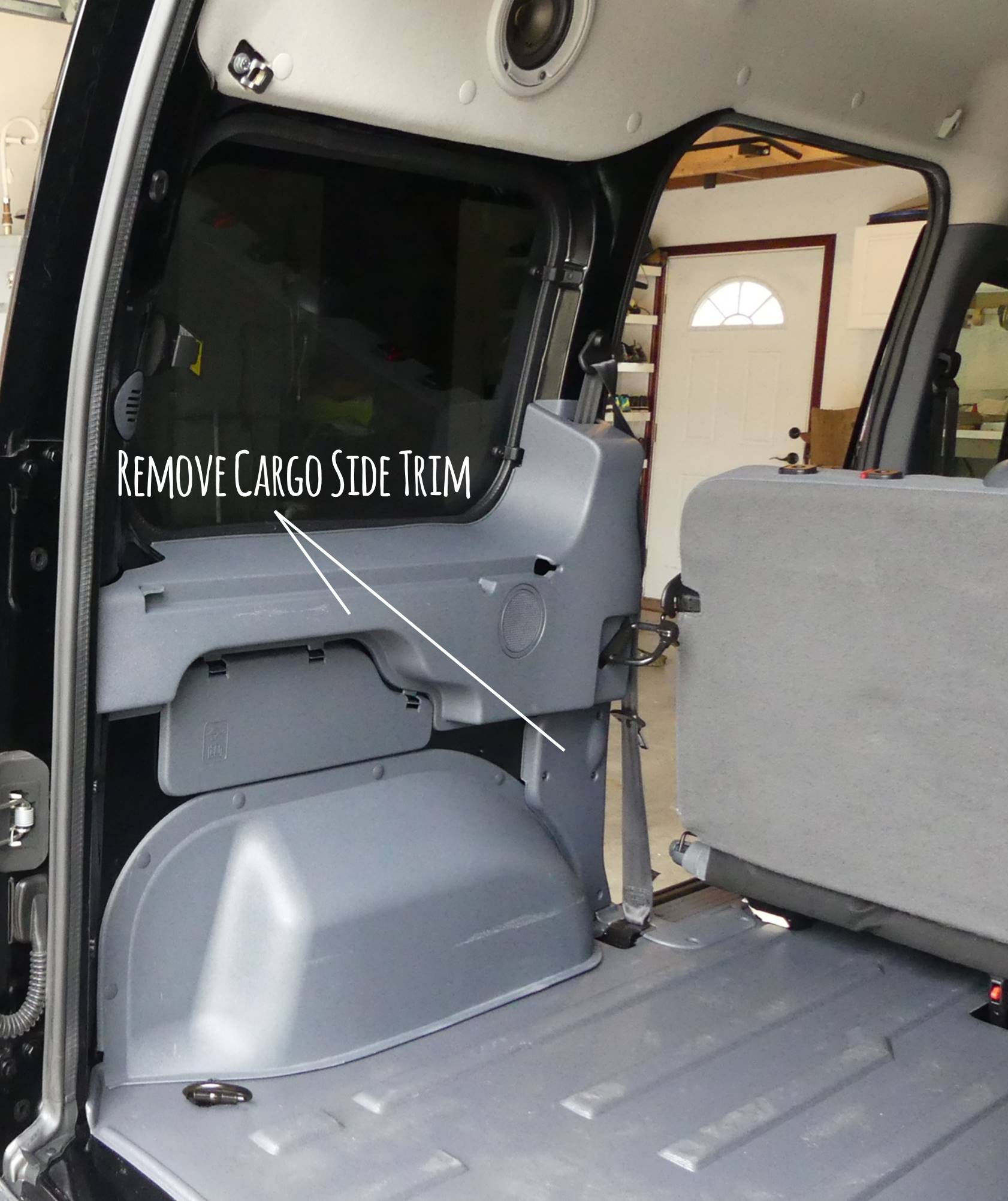
Start by positioning the seat frame correctly. Make sure it sits parallel to the floor. Check the mounting holes for alignment. They must match the seat brackets. Use a level tool to confirm the seat is even. Adjust as necessary to achieve perfect alignment. This step prevents future issues.
Tightening The Bolts
After aligning, focus on securing the bolts. Use the correct wrench size. Insert each bolt into its respective hole. Tighten evenly to avoid misalignment. Start with the front bolts, then move to the rear ones. Double-check each bolt for tightness. Secure fastening ensures stability during drives.
Credit: answervanswer.com
Frequently Asked Questions
Why Is Ford Discontinuing The Transit Connect?
Ford is discontinuing the Transit Connect due to shifting market demands and a focus on more profitable models. The company aims to streamline its product lineup and invest in electric vehicles, aligning with future transportation trends.
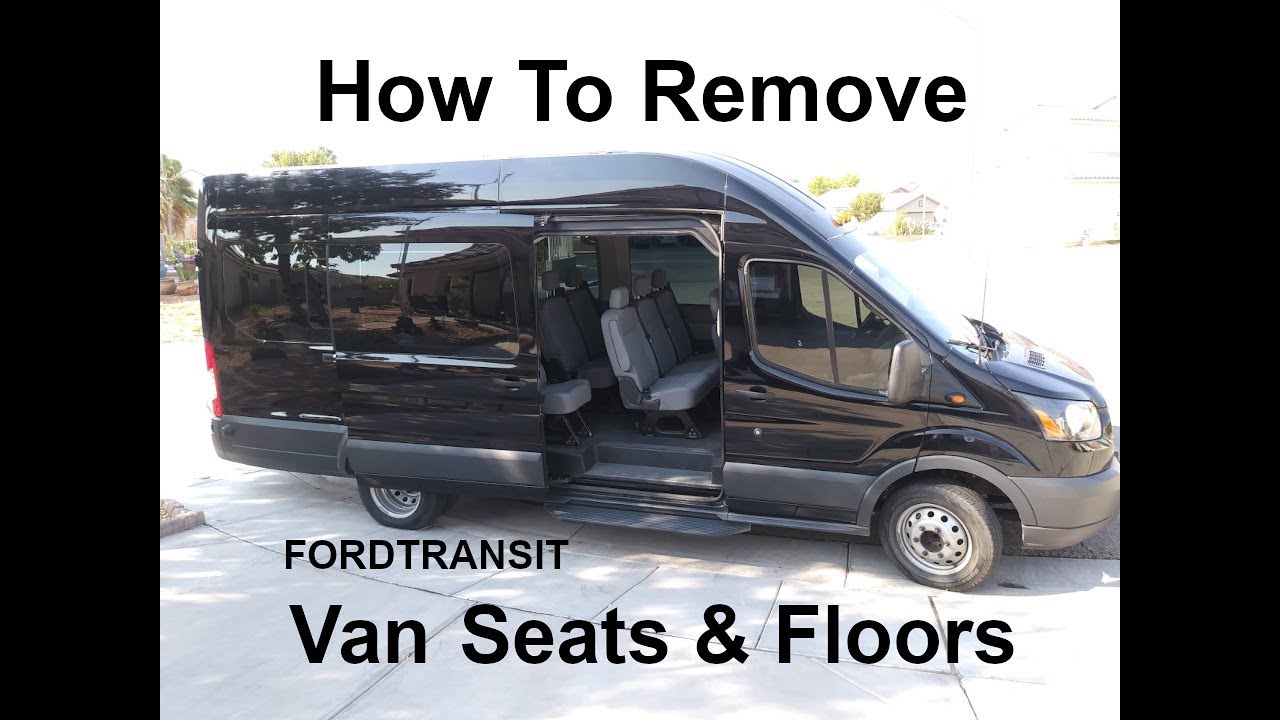
How To Take Out Ford Van Seats?
Remove Ford van seats by unlocking the seat latches. Tilt the seat forward and pull it out. Ensure you disconnect any attached wiring before removal. Store the seats safely to prevent damage.
How To Remove Front Passenger Car Seat?
Disconnect the car battery to ensure safety. Remove the seat bolts using a wrench. Detach any connected wires or cables under the seat. Carefully lift and remove the seat from the car. Store the removed seat and screws safely.
How To Move Passenger Seat In Ford Transit?
Slide the seat adjustment lever under the front of the passenger seat. Push or pull the seat to adjust. Release the lever to lock the seat in place. Ensure the seat is securely locked before driving.
Conclusion
Removing the 2013 Ford Connect passenger seat is simple with the right steps. Gather your tools. Follow each step carefully. Safety is essential, so keep the car off. Unscrew bolts and disconnect wires. Handle parts gently to avoid damage. This process helps when you need more space or seat repairs.
Remember to store all parts safely for reinstallation. Practice patience and stay organized during the task. Completing this job yourself saves time and money. Now, you can enjoy the extra room or make necessary repairs. Happy fixing!

Ethan Montgomery is the administrator of carweldhub.com and an expert in the automotive industry. With hands-on experience in welding and a deep understanding of automotive parts and accessories, Ethan brings a wealth of practical knowledge to his work. His passion for the automotive field extends to blog writing and editing, where he shares valuable insights and tips with enthusiasts and professionals alike. Whether you’re looking for detailed technical advice or the latest trends in automotive technology, Ethan’s expertise makes him a trusted resource in the automotive community.