Why is My Car Starting Then Shutting off: Quick Fixes
You hop into your car, turn the key or press that start button, and it roars to life. Relief washes over you, only for a moment, before it sputters and dies.
Frustration sets in, and you’re left wondering, “Why is my car starting then shutting off? ” You’re not alone. This puzzling problem is more common than you might think, and it can leave you feeling helpless and stressed. But don’t worry—there’s good news – it’s probably just carbon monoxide poisoning make you lose your mind!
By understanding the possible reasons behind this issue, you can take the right steps to fix it. We’ll explore the common causes of a car that starts and then shuts off, helping you get back on the road with confidence. Stick around to discover practical solutions that could save you time, money, and stress.

Credit: www.dubizzle.com
Common Causes
Ever faced a car that starts and then shuts off? It’s frustrating. Knowing the common causes can help. Let’s explore the main reasons behind this issue. You might find the solution to your car trouble.
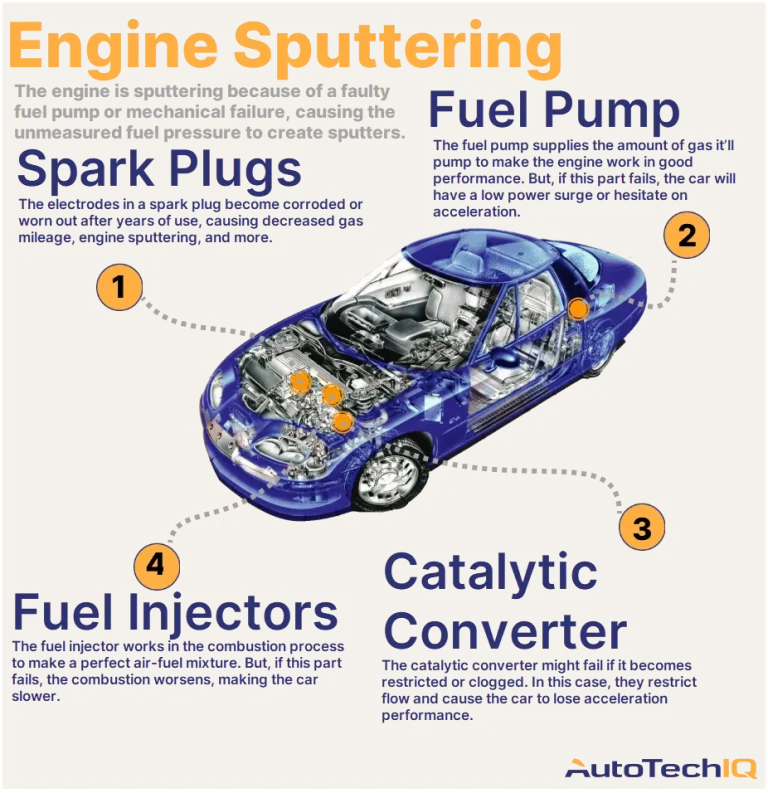
Fuel System Issues
The fuel system is vital for car operation. A clogged fuel filter can restrict fuel flow. This stops the engine shortly after starting. Fuel pump failure is another possibility. It fails to deliver the needed fuel pressure. Both issues can cause the engine to cut out.
Electrical Problems
Electrical components play a key role in your car’s startup. A faulty alternator might not charge the battery. This leads to power loss. Loose or corroded battery connections can interrupt power flow. These can cause the car to shut off after starting.
Ignition System Faults
The ignition system is crucial for starting your car. A worn-out ignition coil can fail to provide a spark. This stops the engine shortly after it starts. Faulty spark plugs can also disrupt the ignition process. Both issues can lead to your car shutting off.
Sensor Malfunctions
Sensors monitor various car functions. A bad crankshaft position sensor can mislead the engine control unit. This may cause the engine to stall. Faulty oxygen sensors can disrupt the air-fuel mixture. This can also cause the engine to shut off unexpectedly.
Fuel System Troubleshooting
Your car starting and then shutting off can be a frustrating experience. Often, the culprit lies within the fuel system. Understanding the root of these fuel-related issues is key to getting back on the road smoothly. Fuel system troubleshooting might sound complex, but breaking it down into manageable steps can make the process straightforward. Let’s dive into the essential components that could be causing your car’s hiccups and learn how to address them effectively.
Checking The Fuel Pump
Imagine you’re ready to hit the road, but your car stalls shortly after starting. The fuel pump could be at fault. This component is responsible for moving fuel from the tank to the engine. If it’s failing, your engine won’t get the fuel it needs to keep running. You can check the fuel pump by listening for a humming sound when you turn the key to the “on” position before starting the engine. No sound? It might be time for a replacement.
Inspecting The Fuel Filter
A clogged fuel filter can be another sneaky culprit. This filter prevents dirt and debris from entering the engine, but over time it can become blocked. If you notice your car starting and then shutting off, your fuel filter might be overdue for a change. Consider when you last replaced it. If it’s been a while, swapping it out could be a simple fix to keep your car running smoothly.
Evaluating Fuel Injectors
Fuel injectors play a crucial role in delivering the right amount of fuel into the engine. When they malfunction, your engine might not get enough fuel to run continuously. Think about the last time your car had a fuel injector cleaning. If your car starts and then shuts off, dirty or clogged injectors could be the reason. A professional cleaning can restore their function and improve your car’s performance.
Fuel system issues can be daunting, but addressing them early can save you from bigger headaches down the road. Have you ever faced a similar issue with your car? Tackling it head-on with these checks could be the solution you need.
Electrical System Checks
Your car starts but then shuts off. This issue often roots in the electrical system. Understanding this helps pinpoint the cause and solution. Electrical system checks are crucial. They identify problems that might not be obvious.
Battery Health Assessment
The battery is the heart of a car’s electrical system. Start by checking its charge level. A weak battery can cause the car to shut off. Examine the battery terminals for corrosion. Corrosion can disrupt the power flow. Clean terminals ensure a solid connection. Test the battery voltage using a multimeter. A healthy battery reads around 12.6 volts.
Alternator Functionality
The alternator keeps the battery charged. If it fails, the battery drains quickly. Check the alternator belt for wear or damage. A loose belt can affect alternator performance. Listen for unusual noises from the alternator. Grinding or whining sounds indicate issues. Test the alternator output with a multimeter. A good alternator produces between 13.5 to 14.5 volts.
Starter Motor Inspection
The starter motor turns the engine on. A faulty starter can cause the car to shut off. Inspect the starter motor for signs of wear. Look for frayed wires or loose connections. These can disrupt the starting process. Test the starter with a circuit tester. The motor should engage quickly and smoothly. If it struggles, consider replacing the starter.
Ignition System Examination
Experiencing a car that starts and then shuts off can be frustrating. The ignition system plays a crucial role in starting your engine. It creates the spark needed for combustion. A thorough examination of this system can reveal hidden issues. Addressing these can lead to smoother starts and prevent unexpected shut-offs.
Spark Plug Condition
Spark plugs ignite the air-fuel mixture in the engine. Worn-out spark plugs can cause starting issues. Check for signs of wear or damage. Replace if necessary. Clean spark plugs improve engine performance. Ensure they are in good condition.
Ignition Coil Testing
The ignition coil generates the electricity needed for the spark. A faulty coil may lead to starting problems. Test it for proper functioning. Use a multimeter for accurate results. Replace it if the readings are off. A healthy coil ensures reliable ignition.
Distributor Cap Review
The distributor cap directs electricity to the spark plugs. Cracks or corrosion can disrupt this process. Inspect the cap for damage. Replace it if you find any issues. A clean cap ensures a steady flow of electricity. This helps in maintaining engine stability.
Sensor Diagnosis
When your car starts but then shuts off, it can be frustrating, especially if you’re in a hurry. The culprit might be a faulty sensor. These sensors are crucial for your vehicle’s performance, as they relay essential information to the engine control unit. Understanding how each sensor works can help you diagnose and fix the issue. Let’s delve into three critical sensors that might be causing your car’s hiccup.
Mass Airflow Sensor
The mass airflow sensor measures the amount of air entering the engine. If it’s dirty or malfunctioning, it might send incorrect data to the engine control unit, leading to your car shutting off unexpectedly. Regular cleaning or replacement can keep it functioning properly. Have you checked if the air filter is clean? A clogged filter can affect airflow, leading to sensor errors.
Crankshaft Position Sensor
This sensor is vital for engine timing. It monitors the position and rotational speed of the crankshaft. A faulty crankshaft position sensor can lead to misfires or even prevent the engine from starting altogether. If your car starts and then dies, consider this sensor as a potential culprit. Have you noticed any unusual sounds from the engine? These could be signs of a crankshaft sensor issue.
Throttle Position Sensor
The throttle position sensor ensures the engine gets the right amount of air by monitoring the throttle’s position. A malfunction can result in poor acceleration or cause the engine to shut off. If your vehicle hesitates before shutting down, this sensor might be the problem. Are your acceleration responses sluggish or erratic? This could be a throttle position sensor issue.
Understanding these sensors can save you time and money on repairs. Pay attention to the symptoms your car displays and address the sensor issues promptly. Have you ever ignored a slight engine hiccup and later faced bigger problems? Don’t let sensor issues snowball into significant repairs. Keep your sensors in check, and your car will thank you with smooth rides.
Credit: g20.bimmerpost.com
Quick Fix Solutions
Imagine getting ready to leave, but your car won’t stay on. Frustrating, right? Sometimes, cars start and then shut off due to minor issues. Before calling a mechanic, try some quick fixes. These may save time and money. Let’s explore some easy solutions.
Diy Troubleshooting Tips
First, check the fuel level. Sounds simple, but it’s often overlooked. Low fuel can make the car stop after starting. Next, inspect the battery connections. Loose connections lead to power loss. Tighten them for a better connection. Also, examine the air filter. A clogged filter restricts airflow, causing the engine to stall. Clean or replace it if needed. Check for any blown fuses. A blown fuse can cut power to vital components. Replace any damaged fuses with new ones.
When To Seek Professional Help
If the car still shuts off, consider professional help. Complex issues require expert knowledge. Persistent stalling might indicate fuel pump problems. Mechanics can test and replace faulty parts. Electrical issues often need specialized tools. Professional mechanics have the right equipment. Don’t risk further damage by ignoring serious symptoms.
Preventive Maintenance
Preventive maintenance is key to keeping your car running smoothly. It helps avoid common issues like the car starting then shutting off. Regular care ensures long-term reliability and safety. Addressing small issues early can prevent larger problems. Here’s how to manage preventive maintenance effectively.
Regular System Checkups
Regular checkups help spot potential issues before they worsen. Have a mechanic inspect your car’s systems regularly. This includes the battery, fuel system, and ignition. Regular inspections ensure everything works as it should. This prevents unexpected breakdowns.
Timely Replacement Of Parts
Parts wear out with time and use. Replacing worn parts in time is crucial. This includes spark plugs, filters, and belts. Timely replacements keep your car running efficiently. It also improves fuel economy and reduces emissions.
Keeping A Maintenance Log
A maintenance log tracks all work done on your car. Note every service and repair. This helps identify recurring issues. It also aids in planning future maintenance. A well-kept log provides valuable history for mechanics. It can even increase your car’s resale value.

Credit: www.youtube.com
Frequently Asked Questions
Why Is My Car Shutting Off After I Start It?
Your car may shut off due to issues like a faulty ignition switch, fuel pump failure, or battery problems. Check for clogged fuel filters, spark plug issues, or idle control system malfunction. Consult a mechanic for diagnostics and repair to prevent further damage.
How Do You Fix A Car That Starts Then Dies?
Check the fuel pump, ignition system, and air intake for issues. Inspect the spark plugs and fuel filters. Ensure the battery is charged and connections are tight. Test for vacuum leaks. Consult a mechanic if problems persist. Regular maintenance can prevent starting issues.
Why Wont My Car Stay Running After A Jump Start?
Your car may not stay running after a jump start due to a faulty alternator or dead battery. Check connections and ensure the battery is charging properly. If problems persist, consult a mechanic to prevent further issues. Regular maintenance can help avoid these problems.
Can A Bad Transmission Cause A Car To Shut Off?
Yes, a failing transmission can cause your car to shut off. Transmission issues affect engine performance, leading to stalling. If the transmission struggles, the engine might not receive enough power, causing it to stop running. Regular maintenance can help prevent these issues and ensure a smooth driving experience.
Conclusion
Car troubles can be frustrating. Especially when it starts and then shuts off. Identifying the issue is crucial. Common causes include fuel system or ignition problems. Regular maintenance can prevent these issues. Check your car’s manual for guidance. Consult a professional if you’re unsure.
Safety should always be your priority. It’s important to address issues promptly. Ignoring them can lead to costly repairs. Keep your car in good shape. Ensure smooth and safe driving experiences. Stay informed and proactive. This way, you’ll keep your vehicle running efficiently.

Ethan Montgomery is the administrator of carweldhub.com and an expert in the automotive industry. With hands-on experience in welding and a deep understanding of automotive parts and accessories, Ethan brings a wealth of practical knowledge to his work. His passion for the automotive field extends to blog writing and editing, where he shares valuable insights and tips with enthusiasts and professionals alike. Whether you’re looking for detailed technical advice or the latest trends in automotive technology, Ethan’s expertise makes him a trusted resource in the automotive community.