What Color Car is Most Likely to Get Pulled Over?
Have you ever wondered if the color of your car could influence your chances of being pulled over by the police? It might seem like a strange question, but the shade of your vehicle’s driver could play a surprising role in how often you find yourself on the receiving end of a traffic stop.
Imagine driving down the road, feeling the freedom of the open road, only to see those flashing lights in your rearview mirror. Could your car’s color be the reason for this unwanted attention? We’ll delve into the fascinating connection between driver colors and traffic stops.
We’ll uncover insights that could change the way you think about your vehicle’s hue. Whether you’re considering buying a new car or just curious, understanding this link could be more important than you ever imagined. Stay with us as we reveal which colors might make you more conspicuous to law enforcement and why. Your next drive could be more informed and perhaps a bit more strategic.

Credit: www.thirdcoastautos.com
Factors Influencing Car Stops
When discussing what color car is most likely to get pulled over, it’s vital to consider several factors. These elements go beyond the car’s color. They include driver behavior, location and time, and vehicle condition. Each factor plays a significant role in determining if a car might attract police attention.
Driver Behavior
Aggressive driving catches the eye of law enforcement. Speeding, tailgating, or frequent lane changes might lead to a stop. Police often look for signs of impaired or distracted driving. Using a phone while driving can also increase the chances of being pulled over. Calm and careful driving reduces the risk.
Location And Time
The location and time influence traffic stops. Late-night driving may face more scrutiny. Areas known for high crime or traffic incidents see more police presence. Driving through these areas might lead to more stops. Time of day matters too. Rush hour or late-night drives can attract attention.
Vehicle Condition
A car’s condition impacts its chances of getting pulled over. Broken lights or loud exhausts are red flags. Unkept or damaged cars might seem suspicious. Routine maintenance helps avoid these issues. Keeping a car clean and well-maintained can reduce unwanted attention.
Common Myths About Car Colors
Many people believe certain car colors attract more attention. These myths have been around for years. Some think red cars are ticket magnets. Others worry about black cars at night. White cars are also in the spotlight. Let’s explore these myths and see what’s true.
Red Cars And Speeding
Red is often seen as flashy and fast. This leads many to think red cars get pulled over more. People associate red with speed and danger. But studies show color alone doesn’t increase risk. It’s how you drive that matters most.
Black Cars And Night Visibility
Black cars can be hard to see at night. This makes some drivers nervous. They worry about accidents or traffic stops. But modern headlights and streetlights help. Drivers should stay alert, no matter the car color. Safety depends on visibility and careful driving.
White Cars And Cleanliness
White cars seem clean and bright. Many think they attract less police attention. This color is also popular for its cool look. But dirt shows up easily on white. Cleanliness isn’t linked to traffic stops. Regular maintenance helps any car look good.
Statistics On Car Colors And Traffic Stops
Car color is more than just a style choice. It might affect traffic stops. Some studies show certain colors attract more attention from police. Statistics reveal interesting patterns. This section explores data and insights on car colors and traffic stops.
Studies And Surveys
Research highlights surprising trends about car colors. Red cars often top the list for getting pulled over. A study from the University of California looked at traffic data. It found red cars were stopped more often than others. Bright colors may catch a police officer’s eye quickly. Surveys confirm these findings. Many drivers believe red cars face more scrutiny. This perception might influence buying decisions.
Police Reports Analysis
Analyzing police reports gives more insight. Some reports show a pattern based on car color. Red cars often appear in violation reports. Police might have biases based on color visibility. In low-light conditions, darker cars might escape notice. Lighter colors like white and silver feature less frequently. Detailed reports help understand these trends. They show how perception affects enforcement.
Insurance Industry Insights
Insurance companies study accident data. They notice trends related to car color. High visibility colors sometimes correlate with higher premiums. Red and yellow cars might have higher insurance rates. This is due to their involvement in accidents and violations. Insurers use these statistics to set rates. They provide valuable insights into traffic stop probabilities.
Psychology Of Color Perception
The psychology of color perception plays a crucial role in our daily lives. It influences our choices, emotions, and behaviors without us even realizing it. Colors have the power to grab attention and evoke feelings, impacting how we perceive objects, including cars. Understanding these effects can help explain why certain car colors might be more likely to get pulled over.
Color And Attention
Bright colors naturally catch the eye. Red is often associated with urgency and danger, making it a color that easily draws attention. Police may notice red cars more quickly on the road. Yellow and orange also stand out, though not as much as red. Dark colors like black or navy blend in more with their surroundings. These hues might get less attention from law enforcement.
Cultural Associations
Colors carry different meanings across cultures. In Western cultures, red signifies speed and excitement. This association can affect how red cars are perceived by drivers and police alike. In some cultures, white symbolizes purity and safety. White cars might be seen as less likely to be involved in risky behavior. Cultural context can influence the likelihood of getting pulled over.
Impact On Driver’s Mood
The color of a car can affect the mood of its driver. Bright colors like red or yellow can stimulate energy and aggression. These emotions may lead to more assertive driving, catching police attention. Calming colors like blue or green might encourage relaxed driving. Less aggressive behavior on the road reduces the chances of being pulled over. Driver mood, influenced by car color, plays a role in traffic stops.
Car Color Trends And Crime
Red cars often catch more attention on the road, leading to a higher chance of getting pulled over. Their bright color makes them stand out, especially during speed enforcement. Meanwhile, white and silver cars blend in more, reducing the likelihood of being stopped by police.
In the world of automobiles, color choice is more than just an aesthetic preference. It can influence your car’s visibility, resale value, and even its likelihood of being pulled over by law enforcement. While many factors can contribute to a car being stopped, certain colors may attract more attention, especially when considering regional preferences and crime statistics.
Color Preferences By Region
Car color trends often vary by region. In sunny areas like California, you might notice a preference for lighter shades like white or silver, which help reflect sunlight and keep the vehicle cool. Meanwhile, in urban areas with vibrant cultures, brighter colors like red or yellow may be more popular. These regional preferences can influence how noticeable a car is on the road. If you’re driving a bright red car in a sea of neutral tones, you might stand out more to law enforcement. How does your car color fit into your local landscape?
Impact On Theft And Vandalism
Car color can also play a role in theft and vandalism. Thieves often target cars that blend in, reducing their risk of getting caught. Common colors like black or gray might be more prone to theft for this reason. On the other hand, unique or flashy colors can make a car a target for vandalism due to their distinct appearance. A friend of mine with a bright neon green car often found it scratched or keyed in parking lots. Consider how your car color might influence its safety in your neighborhood.
Correlation With Crime Rates
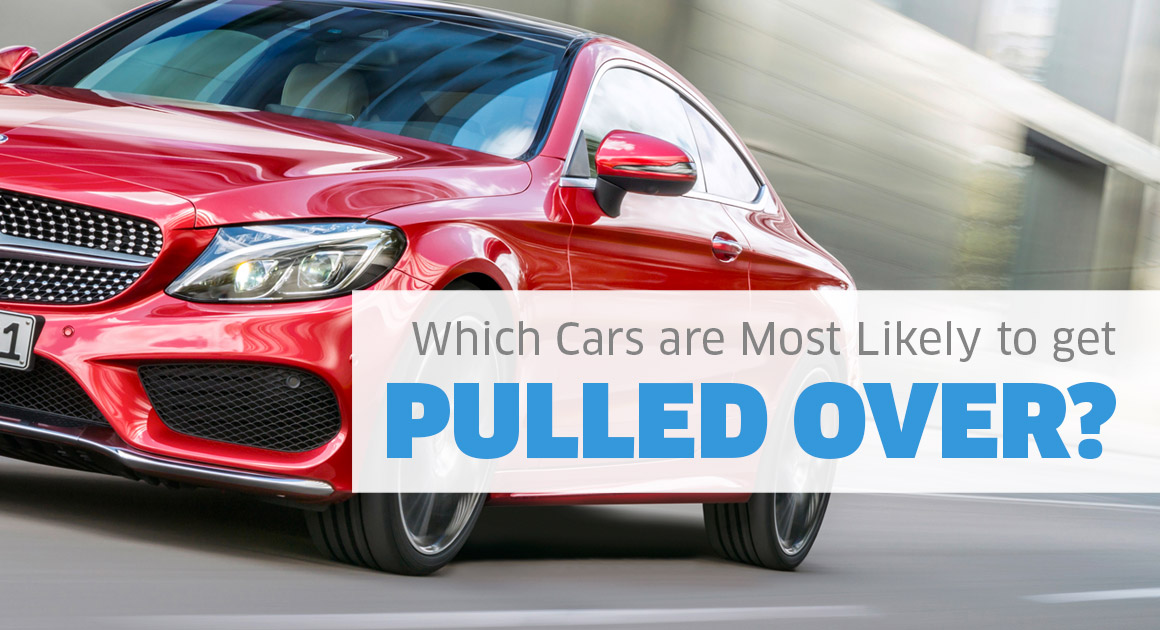
Studies have shown some correlation between car color and crime rates. Red cars are often perceived as faster and more aggressive, leading to a higher likelihood of traffic stops. Is it just a stereotype, or do drivers of red cars tend to drive more recklessly? Meanwhile, white cars, often associated with fleet vehicles and law enforcement, might be stopped less frequently. Does the color of your car really affect your driving behavior? Or is it just about perception? Choosing your car color isn’t just about personal taste; it could have practical implications for your driving experience. What does your car color say about you, and how does it fit into the trends and crime statistics in your area? Consider these factors the next time you’re in the market for a vehicle.
Credit: kcklawyer.com
Safety Tips For Choosing Car Colors
Red cars often catch attention and might get pulled over more frequently. White or silver vehicles tend to blend in, reducing visibility to law enforcement. Choosing a car color wisely can influence your driving experience and interactions with police.
Choosing the right car color is more than just about personal taste or fashion. It can have implications for safety, maintenance, and even resale value. As you ponder over which hue best suits your needs, consider these safety tips to make a decision that goes beyond aesthetics.
Visibility And Safety
When it comes to visibility on the road, some colors stand out more than others. Bright colors like white, yellow, and red are easily spotted, especially in low-light conditions. This can reduce the chances of accidents, making them a safer choice for nighttime driving. Think about the weather conditions in your area. In snowy regions, a white car might blend into the surroundings, while in sunny climates, darker cars can absorb more heat. Do you want your car to be easily seen or perhaps blend in for a sleeker appearance?
Color Maintenance
Car color can also dictate the level of maintenance required. Dark colors, such as black or navy blue, tend to show dirt, scratches, and swirl marks more prominently. This could mean more frequent washes and waxes to keep your car looking pristine. On the other hand, lighter colors hide dust and minor imperfections better, reducing the time you spend at the car wash. Consider your lifestyle and how much effort you’re willing to invest in car upkeep. Would you rather have a color that’s low maintenance or one that requires more attention?
Resale Value Considerations
The color of your car can affect its resale value. Neutral colors like silver, gray, and white often appeal to a broader audience, potentially fetching a higher price when you decide to sell. However, if you choose a more unconventional color, it might limit your pool of potential buyers. Are you planning to keep your car for a long time, or do you foresee selling it in the near future? Balancing personal preference with practical considerations can ensure you make a choice that benefits you in the long run. Choosing a car color is a multifaceted decision. By weighing visibility, maintenance, and resale value, you can select a color that aligns with your lifestyle and future plans. What will your next car color say about you?

Credit: us1049quadcities.com
Frequently Asked Questions
What Color Car Gets Ticketed Most?
Red cars often receive more tickets due to their noticeable appearance. Studies suggest they attract attention and speed frequently. Drivers of red cars may be perceived as aggressive, increasing the likelihood of getting pulled over. However, ticketing varies by region and driving behavior, not just car color.
What Is The Best Color Car To Avoid Accidents?
White cars are often considered safer due to high visibility. Bright colors like yellow and orange also enhance visibility. These colors can help reduce the risk of accidents by making vehicles more noticeable to other drivers. Visibility plays a crucial role in preventing collisions, especially in low-light conditions.
What Color Car Gets The Mist Tickets?
Red cars often receive the most tickets. Drivers perceive them as faster and more aggressive. Bright colors attract more attention, increasing chances of getting noticed by law enforcement. Always drive responsibly, regardless of vehicle color, to avoid tickets and ensure safety.
Do Police Target Certain Cars?
Police may focus on certain cars based on factors like age, color, modifications, or brand. Vehicles with broken lights, expired tags, or those resembling commonly stolen models can attract attention. Drivers should ensure compliance with traffic laws to minimize being targeted.
Conclusion
Choosing a car color can impact your chances of being pulled over. Bright colors like red and yellow attract more attention. These colors are more visible on the road, making them more likely to stand out. Darker colors blend in with traffic but can be harder to see at night.
White cars are common and often overlooked by police. Think about visibility and your driving habits. Your car’s color might not change your luck entirely, but it can play a role. Drive safely and stay aware of your surroundings.

Ethan Montgomery is the administrator of carweldhub.com and an expert in the automotive industry. With hands-on experience in welding and a deep understanding of automotive parts and accessories, Ethan brings a wealth of practical knowledge to his work. His passion for the automotive field extends to blog writing and editing, where he shares valuable insights and tips with enthusiasts and professionals alike. Whether you’re looking for detailed technical advice or the latest trends in automotive technology, Ethan’s expertise makes him a trusted resource in the automotive community.