When Should I Worry About Dog Scooting: Expert Advice
You love your dog like family, and seeing them scoot across the floor can be both amusing and concerning. What exactly does it mean when your furry friend is dragging their bottom along the ground?
It might seem like harmless behavior, but it could be a sign of something more serious. This blog will guide you through the possible reasons behind this curious canine habit, helping you determine when it’s time to seek professional advice.
By understanding the potential causes of dog scooting, you can ensure your pet stays healthy and happy. Curious to know if your dog’s scooting is a reason for concern? Keep reading to find out what you should watch for and how to address it!
Common Causes Of Scooting
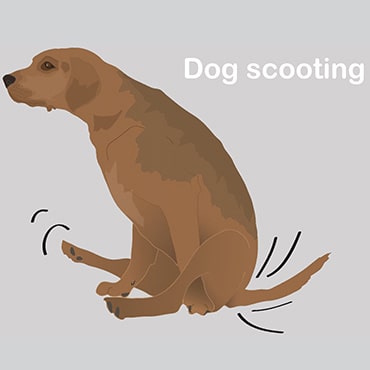
Dog scooting may seem amusing at first. Yet, it often signals discomfort. Understanding the causes helps address the issue effectively. Here, we explore common causes of dog scooting.
Anal Gland Issues
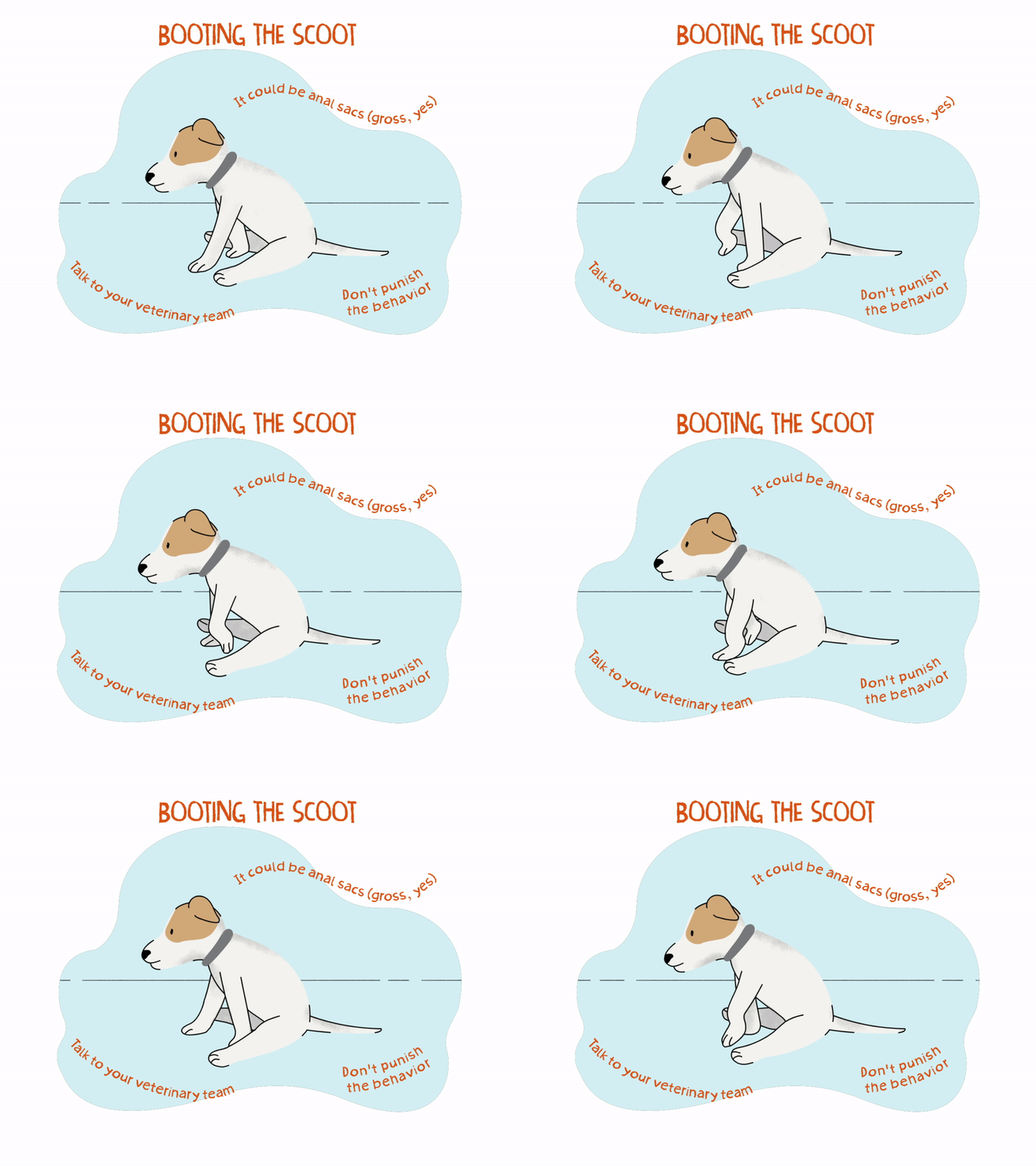
Anal glands might get blocked or infected. Dogs then scoot to relieve pressure. Regular vet check-ups help prevent this problem. Watch for signs like swelling or foul odor.
Parasite Infestations
Parasites like worms cause itchiness around the anus. Scooting may indicate a worm infestation. A veterinarian should examine your dog. They can recommend appropriate treatments.
Allergic Reactions
Allergies lead to itchy skin and irritation. Dogs scoot to scratch the itch. Allergies may stem from food, pollen, or other irritants. Identifying and eliminating allergens can help.
Skin Irritations
Skin irritations cause discomfort and result in scooting. This may be due to dryness, rashes, or other skin conditions. Regular grooming keeps skin healthy. Consult a vet for persistent issues.
:format(jpeg):quality(75))
Credit: manypets.com
When Scooting Becomes A Concern
Dog scooting can be a quirky behavior that amuses and puzzles many pet owners. However, this seemingly innocent act can sometimes signal underlying health issues. Are you noticing your dog scooting more often than usual? It’s time to pay attention and investigate further.
Frequency And Duration
How often does your dog scoot? If it’s happening frequently or for extended periods, it’s worth looking into. Occasional scooting might be harmless, but consistent scooting could indicate discomfort or irritation. Observe your dog closely. Has the scooting become a daily routine or lasted longer than a few days? If so, it might be time to consult your vet.
Presence Of Blood Or Discharge
Have you noticed any blood or unusual discharge where your dog scoots? These signs can be alarming and may indicate infections or anal gland issues. The presence of blood is a clear signal that you should reach out to your veterinarian. Discharge might be less visible but equally concerning, as it can hint at inflammation or other health problems.
Associated Behavioral Changes
Is your dog acting differently alongside the scooting? Changes in appetite, energy levels, or mood can be crucial indicators of discomfort. Does your usually energetic dog seem lethargic or uninterested in play? Behavioral shifts might reflect pain or distress, urging you to take action. Are you ready to explore what might be causing these changes?
Understanding the nuances of your dog’s behavior can be challenging yet rewarding. Remember, your furry friend relies on you to notice and act upon any unusual signs. Are you prepared to step up and ensure their health and happiness?
Home Remedies And Prevention
Dog scooting can indicate issues like anal gland problems or parasites. If it persists, consult a vet. Simple home remedies include adding fiber to your dog’s diet or using warm compresses. These can help ease discomfort. Always monitor for any unusual symptoms.
When your furry friend starts scooting across the floor, it might be a sign of discomfort. While occasional scooting can be normal, persistent behavior might indicate underlying issues. Before you rush to the vet, there are several home remedies and preventive measures you can try to ease your dog’s discomfort and prevent future episodes.Dietary Adjustments
A balanced diet plays a crucial role in your dog’s health, including their digestive system. Adding fiber-rich foods like pumpkin or sweet potatoes can help bulk up stools and ease anal gland expression naturally. Ensure your dog is well-hydrated, as water aids digestion and prevents constipation.Regular Grooming
Maintaining your dog’s hygiene can prevent scooting caused by irritation or infections. Regular grooming, including bathing and trimming the fur around your dog’s rear, keeps the area clean and reduces the risk of irritation. Consider using pet-friendly wipes for a quick clean-up after bathroom breaks.Natural Treatments
Natural remedies can offer relief for your dog’s scooting issues. Adding a teaspoon of plain yogurt to your dog’s diet can promote healthy gut bacteria, aiding digestion. You might also try applying coconut oil externally; its soothing properties can alleviate itching or irritation. Have you noticed any specific patterns or triggers related to your dog’s scooting? Observing your pet’s behavior can provide valuable insights. By making these simple adjustments, you can help your dog stay comfortable and happy. Why not try them today and see the difference?
Credit: tattonvets.co.uk
Seeking Veterinary Help
Dog scooting can be distressing for pet owners. It’s often a sign of discomfort or irritation. While occasional scooting might not be a concern, frequent episodes require attention. Knowing when to seek veterinary help is crucial. A vet can diagnose underlying issues and provide treatment.
When To Visit The Vet
If your dog scoots more than once a day, consider visiting the vet. Watch for additional symptoms like redness or swelling. Loss of appetite or lethargy can also be warning signs. Persistent scooting can indicate a problem needing medical care.
Diagnostic Procedures
Vets use various methods to diagnose scooting causes. Physical examination is the first step. They check the anal area for irritation or infections. Stool tests may be conducted to identify parasites. Sometimes, an anal gland expression is necessary.
Treatment Options
Treatment depends on the cause of scooting. If anal glands are full, the vet will express them. Parasites require medication for removal. Infections may need antibiotics for recovery. Dietary changes can help improve digestive health. Follow the vet’s advice for a healthier, happier pet.
Preventive Measures For Dog Owners
Preventive measures are crucial for ensuring your dog’s health and happiness. Dog scooting can be an uncomfortable and distressing experience for your furry friend. By taking proactive steps, you can minimize the chances of your dog experiencing this issue. Let’s dive into some practical strategies that every dog owner should consider.
Routine Health Check-ups
Regular visits to the vet are essential. These check-ups can catch potential problems before they become serious. The vet can also offer advice tailored specifically to your dog’s needs. Have you ever noticed your dog acting differently after a vet visit? That’s often because they feel better with early intervention.
Parasite Control
Parasites can cause irritation that leads to scooting. Using flea and tick prevention is a must. It’s also wise to check your dog for worms regularly. Have you considered how these tiny creatures can cause major discomfort? Keeping them at bay ensures your dog stays itch-free.
Balanced Nutrition
A well-balanced diet supports your dog’s overall health. High-quality dog food can prevent many digestive issues. Think about how your dog’s energy levels change with better nutrition. Feeding them the right food can keep their gut healthy, reducing scooting incidents.
Do you remember the last time your dog scooted across the floor? Implementing these preventive measures can make those moments rare. Your dog will thank you with wagging tails and happy barks.
Credit: www.pdsa.org.uk
Frequently Asked Questions
What Is A Scooting Dog Trying To Tell You?
A scooting dog may indicate anal gland issues, parasites, or allergies. Consult a vet for proper diagnosis and treatment.
How Do You Tell If A Dog’s Glands Are Full?
Signs that a dog’s glands are full include scooting on the floor, licking the rear area, or a strong odor. Swelling near the anus is also a common indication. If your dog shows discomfort, consult a veterinarian for proper evaluation and assistance.
Regular checks can prevent gland issues.
Is It Normal For Dogs To Drag Their Bum On The Floor?
Dogs sometimes drag their bum due to itchiness or discomfort. Anal gland issues are a common cause. Parasites like worms can also lead to scooting. It’s best to consult a vet if it happens frequently to ensure your dog gets proper treatment and stays healthy.
What Is The Most Common Reason For Scooting In Dogs?
The most common reason for scooting in dogs is anal gland issues. These glands may be full or infected, causing discomfort. Regular vet check-ups and proper diet can help manage this problem effectively.
Conclusion
Pay attention to your dog’s behavior and health. Scooting can signal issues. Regular checks help identify problems early. Keep your dog clean and healthy. Prevent discomfort by monitoring diet and hygiene. Scooting might mean anal gland issues. Or parasites. Or allergies.
Consult a vet if scooting persists. Address concerns promptly to avoid complications. Your dog’s well-being matters. Stay informed and proactive. Ensure a happy, comfortable life for your furry friend. Understanding dog scooting helps you care better. Maintain your dog’s health with knowledge and vigilance.
Regular vet visits are important. Keep your dog safe and content.

Ethan Montgomery is the administrator of carweldhub.com and an expert in the automotive industry. With hands-on experience in welding and a deep understanding of automotive parts and accessories, Ethan brings a wealth of practical knowledge to his work. His passion for the automotive field extends to blog writing and editing, where he shares valuable insights and tips with enthusiasts and professionals alike. Whether you’re looking for detailed technical advice or the latest trends in automotive technology, Ethan’s expertise makes him a trusted resource in the automotive community.