Should I Be Worried If My Cat is Scooting: Essential Guide
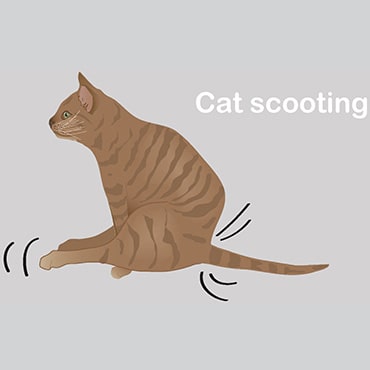
If you’ve ever caught your cat dragging its bottom across the floor, you might find yourself puzzled or even a bit concerned. This behavior, known as “scooting,” can be a source of worry for many cat owners.
You’re not alone in wondering what’s behind this odd action and whether it’s something serious. Is it a quirky feline antic or a sign of a health issue? We’ll dive deep into the reasons why your furry friend might be scooting.
You’ll discover when it’s a harmless habit and when it might be time to visit the vet. Understanding your cat’s behavior is key to ensuring their well-being and your peace of mind. Stick around, because what you learn could make all the difference for your beloved pet.
Credit: vetster.com
Common Causes Of Cat Scooting
Cats scooting can be caused by issues like anal gland problems or parasites. It’s often a sign of discomfort. Observing this behavior might mean a vet visit is needed to ensure your cat’s health.
If your cat is scooting, it might seem odd. Scooting is when a cat drags its bottom along the floor. This behavior can be due to several reasons. Understanding the causes can help you address this issue. Here are some common reasons why your cat might be scooting.Anal Gland Issues
Cats have anal glands near their rectum. These glands can become blocked or infected. When this happens, your cat might scoot to relieve discomfort. Regular check-ups can help prevent anal gland problems. If the glands are full, they might need to be expressed by a vet.Parasites And Worms
Parasites like worms can cause itching and irritation. This may lead your cat to scoot. Common worms include tapeworms and roundworms. Keeping your cat dewormed is essential for its health. Always consult a vet for the best deworming schedule.Skin Allergies
Allergies can cause your cat’s skin to become itchy. This can lead to scooting as your cat tries to soothe the itch. Common allergens include certain foods and environmental factors. Identifying and removing allergens can stop the scooting. A vet can assist in identifying the specific allergens. Understanding these causes can make your cat more comfortable. Regular vet visits can prevent many of these issues. Always monitor your cat’s health and behavior.
Credit: www.amazon.com
Symptoms To Watch For
As a cat owner, you know how your feline friend can sometimes exhibit puzzling behavior, and scooting might be one of those moments that leaves you scratching your head. While this might not be a daily occurrence, it’s essential to identify symptoms that could indicate discomfort or health issues. Understanding these signs can help you decide when it’s time to consult a vet and ensure your cat is happy and healthy.
Signs Of Discomfort
Pay attention to your cat’s body language. Cats can be masters of hiding pain, but subtle indicators like excessive licking or biting around their rear end can be a red flag. You might notice them avoiding sitting or lying down comfortably, indicating something isn’t quite right. If your cat seems uneasy, it’s worth investigating further.
Changes In Behavior
Has your cat suddenly become less playful or more withdrawn? These changes can be linked to discomfort or irritation. A cat that usually loves interaction may start shying away from your touch or hide more often. Consider if there have been any changes in their routine or environment that might contribute to stress or discomfort.
Visible Irritation
Take a closer look at the area around your cat’s rear end. Is there redness, swelling, or any signs of rash? These visible signs of irritation can indicate an underlying issue that needs attention. It’s not just about their physical appearance; think about how this might be affecting their overall well-being. Are they grooming excessively? That could be a sign they’re trying to soothe discomfort.
Remember, you know your cat best. If something seems off, trust your instincts and consult with a vet to ensure your furry friend remains in the best of health. Have you ever noticed your cat scooting? What steps did you take to address it?
When To Consult A Veterinarian
Seeing your cat scoot across the floor can be concerning. It might be a harmless itch or a sign of something more serious. Knowing when to seek veterinary help is crucial. If you’re worried about your cat’s health, it’s better to be cautious.
Persistent Scooting
If your cat scoots more than once or twice, take note. Persistent scooting could indicate an underlying problem. It might be an anal gland issue or a parasite infection. A vet can diagnose and treat the cause effectively.
Presence Of Blood Or Pus
Check for any discharge on the floor or your cat’s fur. Blood or pus can be a sign of infection. This needs immediate veterinary attention. Ignoring it can lead to more serious health issues.
Excessive Licking
Is your cat licking its rear end constantly? This could mean discomfort or irritation. It might be due to allergies, parasites, or infections. A vet visit is necessary to find the exact cause and provide relief.
Home Remedies And Care
When you notice your cat scooting, it might seem puzzling or even worrisome. The good news is there are effective home remedies and care techniques that can help manage this behavior. By making simple adjustments at home, you can often provide relief and comfort to your feline friend. You may even prevent further occurrences with the right approach. Let’s dive into some practical steps you can take to address your cat’s scooting.
Dietary Adjustments
One of the first things to consider is what your cat is eating. A fiber-rich diet can help improve digestion and alleviate scooting caused by anal gland issues. Consider adding fiber sources like pumpkin or psyllium husk to their meals.
It’s also essential to ensure your cat has enough hydration. Wet food can be a great option for cats that don’t drink much water. Sometimes, a simple change in diet can make a big difference.
Regular Grooming
Regular grooming can help keep your cat’s rear area clean and free from irritants. If your cat has long hair, trimming around the back can prevent matting and discomfort.
You might find that a gentle wipe with a damp cloth after they use the litter box keeps things tidy. It’s a small effort that can significantly reduce scooting behavior.
Use Of Anti-parasitic Treatments
Parasites like worms and fleas can cause discomfort leading to scooting. Have you noticed your cat scratching more than usual? A simple anti-parasitic treatment might be the answer.
Consult your vet for the best options available. They can recommend treatments that are safe and effective for your cat’s specific needs.
Have you tried any of these remedies before? Sometimes, a little attention and care can resolve the issue without a trip to the vet. Remember, your cat relies on you for comfort and health. By being proactive, you’re ensuring their well-being and happiness. Isn’t that worth the effort?
Preventing Future Occurrences
Understanding why your cat is scooting can help you prevent future occurrences. It’s not just about addressing the symptoms; it’s about ensuring your feline friend stays comfortable and healthy. By taking proactive measures, you can keep your cat scoot-free and happy. Let’s explore some practical ways to achieve this.
Routine Health Checks
Regular visits to the vet are crucial. It’s not just about vaccinations; these check-ups help catch potential issues early. Your vet can assess your cat’s anal glands, a common cause of scooting, to ensure they’re functioning properly.
Have you ever thought about the peace of mind regular check-ups provide? Knowing your cat is in good health can alleviate worry. These visits are investments in your cat’s long-term well-being.
Maintaining Hygiene
Keeping your cat clean is key. A clean cat is less likely to scoot due to irritation or discomfort. Regular grooming sessions can help prevent matting and keep the fur around your cat’s rear tidy.
How often do you brush your cat? A simple routine can make a world of difference. Not only does it help maintain hygiene, but it also offers a bonding experience between you and your cat.
Monitoring Diet
Diet plays a big role in your cat’s digestive health. A balanced diet with sufficient fiber can prevent anal gland issues, a common reason for scooting. Consider incorporating high-quality cat food that promotes a healthy digestive system.
Have you noticed any changes in your cat’s eating habits? It’s crucial to keep an eye on what your cat eats. Adjusting diet based on your cat’s needs can prevent future scooting episodes.
By focusing on these areas, you can significantly reduce the chances of your cat scooting again. What steps will you take today to ensure your cat’s health and happiness?
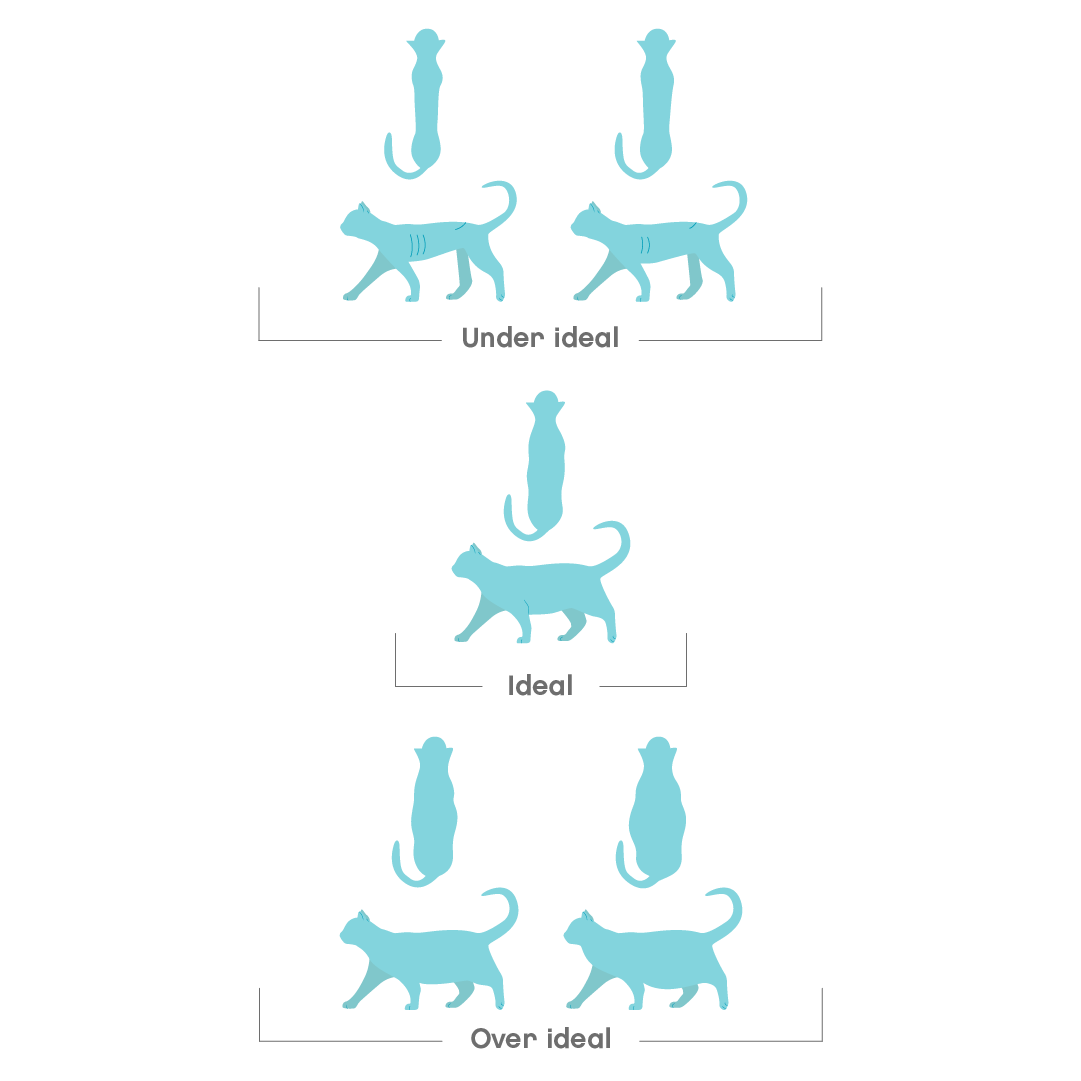
Credit: www.joiipetcare.com
Frequently Asked Questions
When Should I Take My Cat To The Vet For Scooting?
Take your cat to the vet if scooting persists, or if you notice inflammation, bleeding, or discomfort.
What Should I Do If My Cat Is Scooting?
Check your cat for parasites like worms. Ensure clean litter and regular grooming. Consult a vet for persistent scooting. Provide a balanced diet to prevent digestive issues. Keep your cat’s anal area clean to avoid irritation.
Why Does My Cat Scoots But Not Have Worms?
A cat may scoot due to allergies, anal gland issues, or irritation. It’s not always due to worms. Check for skin infections or fecal matter causing discomfort. Consult a vet for proper diagnosis and treatment. Regular grooming and balanced diet can help prevent scooting problems.
Do Cats Scoot When Constipated?
Yes, cats may scoot due to constipation. Scooting can indicate discomfort or irritation around the anal area. It’s essential to monitor their behavior and consult a veterinarian if it continues. Adequate hydration and a balanced diet can help prevent constipation in cats.
Conclusion
Scooting in cats can signal a health issue. It’s important to observe your cat. Check for redness, swelling, or irritation. These signs may need a vet’s attention. Regular grooming helps prevent discomfort. Maintain a balanced diet to support digestive health.
Keep an eye on your cat’s behavior. Any changes might indicate a problem. Prompt action can prevent complications. A healthy cat is a happy cat. Always prioritize your pet’s well-being. Consult your vet for guidance. Trust your instincts as a pet owner.
Your cat depends on you for care and comfort.

Ethan Montgomery is the administrator of carweldhub.com and an expert in the automotive industry. With hands-on experience in welding and a deep understanding of automotive parts and accessories, Ethan brings a wealth of practical knowledge to his work. His passion for the automotive field extends to blog writing and editing, where he shares valuable insights and tips with enthusiasts and professionals alike. Whether you’re looking for detailed technical advice or the latest trends in automotive technology, Ethan’s expertise makes him a trusted resource in the automotive community.