
Are Bicycle Disc Brake Pads Universal: Unraveling the Truth
Are you a cycling enthusiast constantly seeking to optimize your bike’s performance? Or perhaps you’re a newbie trying to navigate the world of bicycle maintenance?
Either way, understanding your bike’s braking system is crucial. You might have come across the term “disc brake pads” and wondered, “Are bicycle disc brake pads universal? ” This question is more common than you might think. With so many options available, it’s easy to feel overwhelmed.
But don’t worry; you’re not alone in this quest for clarity. We’ll delve into the specifics of disc brake pads, helping you make informed decisions that can enhance your cycling experience. Stick around to uncover essential insights that could transform the way you approach bike maintenance and ensure your rides are as smooth and safe as possible.
Disc Brake Pads Basics
Bicycle disc brake pads play a crucial role in bike safety. They ensure effective stopping, especially in tough riding conditions. Understanding their basics is key to maintaining your bike’s performance. Disc brake pads are small, but their impact is significant.
These pads press against the disc rotor to create friction. This friction slows down or stops the bike. Knowing the types and functions of these pads can enhance your biking experience.
Functionality Of Disc Brake Pads
Disc brake pads convert kinetic energy into heat. This process reduces the bike’s speed. Pads are activated by the brake lever, pressing against the rotor. They provide consistent performance in various weather conditions. Their design helps in quick heat dissipation. This ensures pads don’t overheat during long rides. Pads must be checked regularly for wear and tear.
Types Of Disc Brake Pads
There are three main types of disc brake pads. Organic pads, also known as resin pads, provide smooth braking. They’re quieter and work well in dry conditions. Semi-metallic pads mix metal and organic materials. They offer better durability and heat dissipation. These pads are versatile, working in diverse conditions.
Metallic pads, or sintered pads, are fully metal. They’re durable and perform well in wet conditions. They can be noisier than other types. Choosing the right pad type depends on your biking needs. Each type offers unique benefits and drawbacks.

Credit: www.youtube.com
Compatibility Factors
Bicycle disc brake pads are not universally compatible. Various factors affect their compatibility. Understanding these factors ensures proper function and safety. Let’s explore these essential compatibility aspects.
Size And Shape Variations
Brake pads come in different sizes. Each size fits specific brake systems. Shape also varies among brands. Some pads are rectangular. Others may be curved or oval. Matching the correct shape is crucial for effective braking.
Material Differences
Brake pads are made from different materials. Organic, semi-metallic, and metallic are common types. Each material offers distinct benefits. Organic pads are softer and quieter. Semi-metallic ones offer better performance. Metallic pads are durable but might be noisy. Choose the material based on your riding style.
Mounting Systems
Mounting systems differ across brake pads. Some use clips or pins. Others might require adhesive backing. Proper mounting ensures pads stay in place. Incorrect mounting can lead to reduced braking power. Always check compatibility with your bike’s system.
Popular Brands And Models
When choosing disc brake pads for your bicycle, understanding the popular brands and models can make all the difference. Each brand offers its unique set of features, catering to different biking needs. Let’s dive into some of the top brands and their offerings.
Shimano
Shimano is a renowned name in the cycling industry, known for its high-quality and reliable products. Their disc brake pads are no exception. Available in various compounds such as resin and metal, they cater to different riding conditions.
Many cyclists prefer Shimano because of its consistency and performance. Their pads are designed for easy installation, making them a favorite among DIY enthusiasts. If you’ve ever experienced a smooth and controlled stop on a downhill ride, you likely understand the value of Shimano’s engineering.
Sram
SRAM offers a range of disc brake pads that are popular for their durability and performance. Known for innovation, SRAM provides pads that can handle the rigors of competitive biking. Their sintered and organic pads are designed to maximize stopping power.
Have you ever thought about the impact of weather on braking? SRAM’s pads are engineered to perform well in both wet and dry conditions. This adaptability can be crucial for those unexpected weather changes during a ride.
Tektro
Tektro is a brand that strikes a balance between quality and affordability. Their disc brake pads are suitable for both casual riders and serious cyclists. Tektro offers options that prioritize noise reduction and modulation.
Imagine cycling through a serene forest path without the annoying squeal of brakes. Tektro’s pads often receive praise for their quiet performance. They provide a smooth braking experience, which can enhance your overall ride enjoyment.
Are you considering a brand switch or trying out a new model? Remember, the right brake pads can significantly impact your ride safety and comfort. Don’t hesitate to explore different options to find what suits you best.
Interchangeability Challenges
Interchangeability challenges often arise in the world of bicycle disc brake pads. Not all pads fit every brake system. This can lead to confusion and frustration. Understanding these challenges can save time and enhance performance.
Issues With Non-compatible Pads
Non-compatible pads can cause serious problems. They may not fit properly into the brake caliper. This can lead to uneven wear or damage. Always check compatibility before purchasing. This ensures safety and efficiency.
Performance Implications
Performance can suffer with the wrong pads. Poor fit affects braking power. It can lead to longer stopping distances. This compromises rider safety. Proper pad selection enhances braking efficiency. It ensures smooth and reliable stops.
Choosing The Right Pads
Choosing the right bicycle disc brake pads can enhance your ride significantly. Not all brake pads are universal. Finding the perfect fit for your bike is crucial. This ensures safety and performance on every ride. Let’s explore the key factors to consider.
Assessing Riding Style
Your riding style affects the type of brake pads needed. If you ride in urban areas, you might need pads with better stopping power. Mountain bikers require pads that handle rough terrain. Casual riders often prefer pads that offer comfort and durability. Each style demands different pad characteristics.
Considering Weather Conditions
Weather impacts the performance of brake pads. Wet conditions require pads with excellent water dissipation. In dry climates, heat-resistant pads work best. If you ride in varying conditions, consider all-weather pads. These provide consistent performance year-round. Choose wisely for a safer ride.
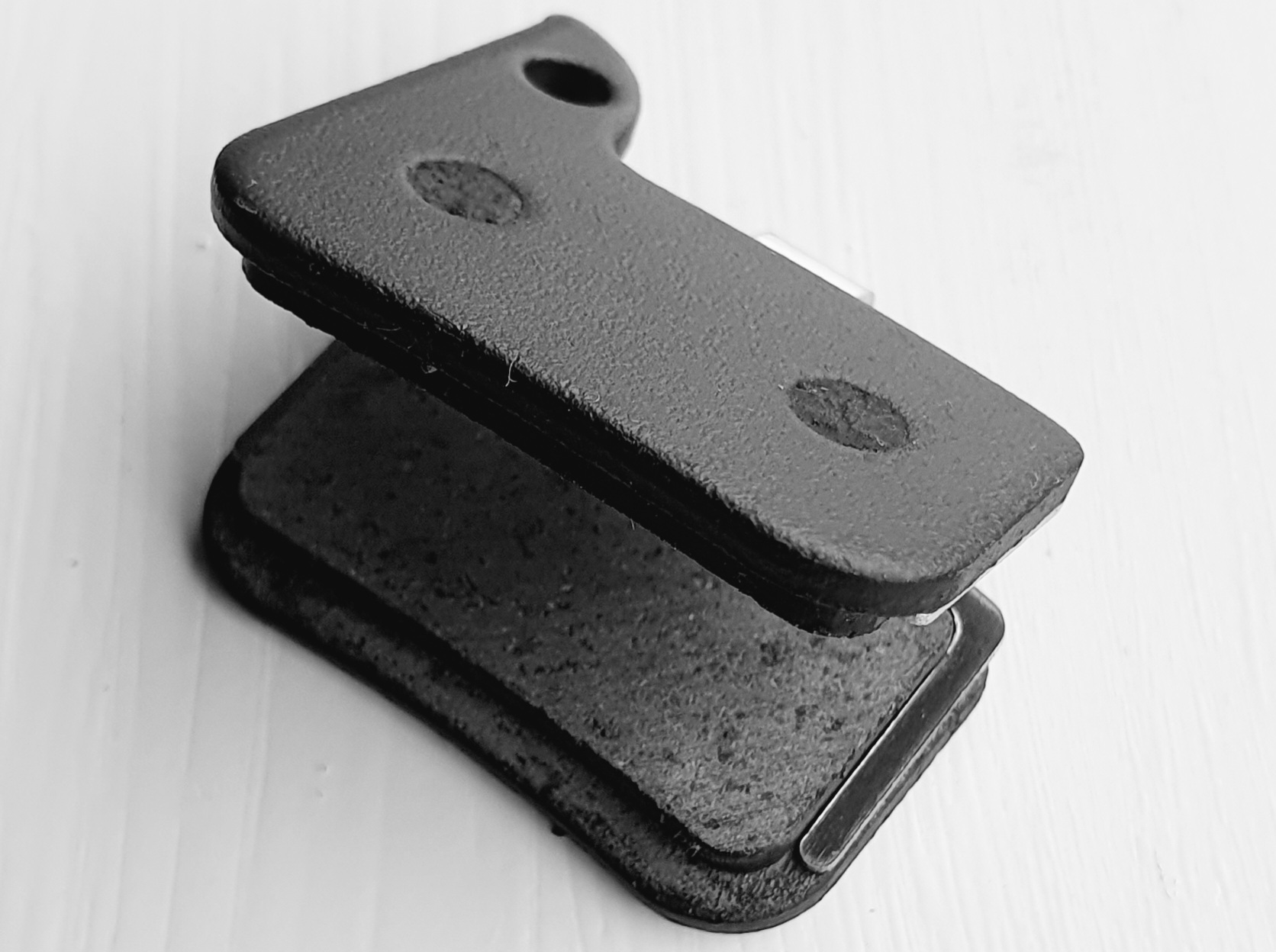
Credit: www.merlincycles.com
Maintenance And Replacement
Bicycle disc brake pads are not universal. Different bikes require specific pads based on size and material. Checking compatibility is essential for safety and performance.
Maintaining and replacing bicycle disc brake pads is crucial for ensuring your bike’s performance and safety. Regular upkeep can prevent unexpected breakdowns and extend the lifespan of your bike’s braking system. Knowing when and how to replace your brake pads can save you time and money, making your rides smoother and more enjoyable.
Signs Of Wear And Tear
Are your brakes making a grinding noise? This could be a sign your disc brake pads need replacing. Look for thinner pads or a decrease in braking performance. Visible grooves or discoloration on the pads are other indicators. Keeping an eye on these signs can prevent potential accidents. Is your stopping distance increasing? It might be time to inspect your brake pads. Regular checks can keep you safe on the road.
Tips For Proper Installation
Before starting, gather the right tools: a hex wrench, new brake pads, and a clean cloth. Having the right tools makes the process smoother. Remove the wheel and the old brake pads carefully. Use a clean cloth to wipe away any debris. Install the new pads by aligning them correctly and securing them tightly. Misalignment can lead to poor braking performance. Test your brakes after installation. Ensure they function correctly before hitting the road again. Proper maintenance is not just about safety—it’s about enjoying your ride. How often do you check your brake pads? Regular checks can make all the difference.
Future Of Disc Brake Pads
Bicycle disc brake pads vary across models and brands, making them not universally compatible. Riders should check compatibility before purchasing to ensure proper fit and performance. Understanding these differences can lead to better choices for safe and effective braking.
The future of disc brake pads is not just about making them better but about redefining how we think of braking systems altogether. Imagine a ride where your brakes not only function seamlessly but also adapt to the environment and your riding style. As cycling becomes more popular, the demand for efficient and innovative braking solutions is on the rise.
Innovations In Design
Design innovations are transforming the way we perceive disc brake pads. Newer designs are becoming more aerodynamic, allowing for smoother rides without compromising on safety. Think about having a braking system that adjusts to the speed and weight of your bicycle, providing a customized experience. Some companies are experimenting with smart technology that can communicate with your bike computer. This tech could warn you about pad wear or suggest maintenance times. Imagine how reassuring it would be to have such a proactive system at your fingertips.
Trends In Material Technology
The materials used in disc brake pads are also evolving, focusing on sustainability and performance. Many manufacturers are exploring eco-friendly materials that not only last longer but also reduce environmental impact. This shift is not only good for the planet but also offers riders more durable options. Composite materials are gaining attention for their lightweight and heat-resistant properties. These materials promise better performance under extreme conditions, whether you’re mountain biking or racing. How would it feel to ride knowing your brake pads can handle any challenge you throw at them?
The future of disc brake pads is bright and full of potential. As innovation continues, what new features would you like to see? Would smart technology enhance your riding experience? Engage with this evolving landscape and perhaps, you might find the perfect brake pad that aligns with your unique cycling needs.

Credit: www.ebay.com
Frequently Asked Questions
Are All Bike Disk Brake Pads The Same?
No, bike disk brake pads differ. They vary by material, size, and compatibility with specific brake systems. Always check your bike’s specifications before purchasing.
How Do I Tell What Brake Pads I Need For My Bike?
Check your bike’s manual or manufacturer’s website for brake pad specifications. Measure the old pads to ensure compatibility. Consider pad material based on riding conditions. Consult a local bike shop for expert advice if unsure. Ensure correct size, material, and type for effective braking.
Do All Brake Pads Fit All Bikes?
Not all brake pads fit all bikes. Bike brake systems differ, requiring specific pad types. Always check compatibility with your bike model. Ensure you choose brake pads that match your bike’s braking system for safety and performance.
How Do I Know Which Brake Pads To Buy?
Check your vehicle’s manual for specifications. Consult with a professional or use online tools for compatibility. Consider quality, driving style, and budget. Visit reputable auto parts stores for guidance.
Conclusion
Not all bicycle disc brake pads are universal. Compatibility varies with different models. Always check the specifications before purchasing new pads. This ensures a perfect fit and optimal performance. A mismatched pad can lead to poor braking. This affects your safety on the road.
Consult your bike’s manual for guidance. Or ask a professional for advice. Choosing the right brake pads enhances your ride. It provides peace of mind and confidence. Regular maintenance is key. Keep your brakes in top condition for a smooth journey.
Stay safe and enjoy your cycling adventures!

Ethan Montgomery is the administrator of carweldhub.com and an expert in the automotive industry. With hands-on experience in welding and a deep understanding of automotive parts and accessories, Ethan brings a wealth of practical knowledge to his work. His passion for the automotive field extends to blog writing and editing, where he shares valuable insights and tips with enthusiasts and professionals alike. Whether you’re looking for detailed technical advice or the latest trends in automotive technology, Ethan’s expertise makes him a trusted resource in the automotive community.



One Comment