How to Tighten Bicycle Crank: Expert Tips & Tricks
Feeling a wobble in your bike’s pedals? That unsettling sensation can be more than just an annoyance; it can affect your ride’s safety and performance.
The culprit is often a loose bicycle crank. But don’t worry, tightening it is simpler than you might think. Imagine cruising down the street with smooth, powerful pedal strokes and no fear of unexpected mishaps. You can achieve this by mastering the straightforward process of tightening your bicycle crank.
In this guide, you’ll discover exactly how to do it, with clear steps and helpful tips. Get ready to enhance your biking experience and ensure every ride is as enjoyable as it should be. Stay with us, and you’ll soon have the confidence to handle this essential bike maintenance task like a pro.
Identifying A Loose Crank
Knowing how to spot a loose crank is crucial for safe cycling. A loose crank can affect your ride and safety. Recognizing signs early can prevent further damage.
Listen For Unusual Noises
Pedal your bike slowly. Listen for clicking or creaking sounds. These noises often indicate a loose crank.
Feel For Unsteady Movement
Try wiggling the crank arms with your hand. Any side-to-side movement suggests looseness. A stable crank should feel solid.
Check For Visual Gaps
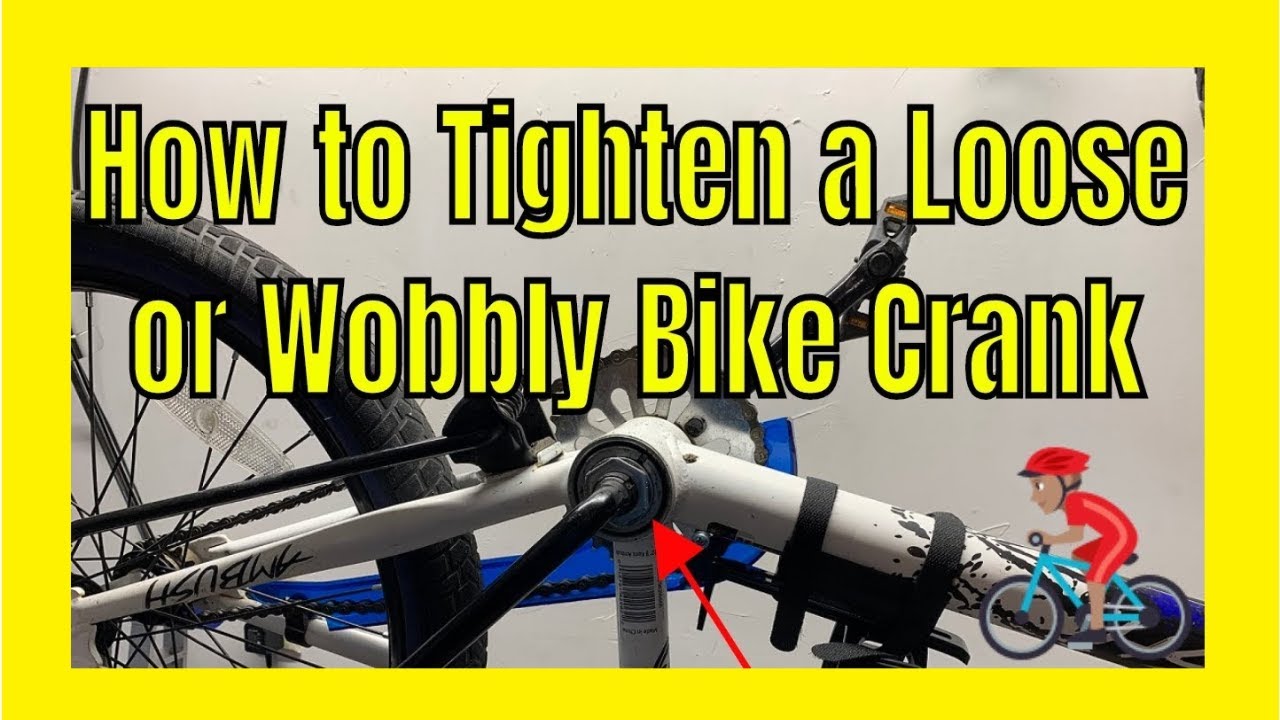
Examine the connection between the crank arm and the spindle. Visible gaps mean the crank is not tight.
Inspect For Worn Threads
Remove the crank and inspect the threads. Damaged threads can cause looseness. Replace any worn parts immediately.
Test The Pedal Resistance
Ride the bike and pedal hard. Feel for any slipping or resistance. Slippage can be a sign of a loose crank.
Credit: www.youtube.com
Required Tools
Ensuring your bicycle crank is secure requires the right tools. Using the correct equipment makes the task easier and safer. You might need a few specific tools for this job.
Allen Wrench Set
An Allen wrench set is essential for tightening cranks. These wrenches fit snugly into the crank bolts. This ensures a secure fit without damaging the bolts. Choose a set with multiple sizes.
Torque Wrench
A torque wrench provides precision. It helps apply the correct force. This prevents over-tightening or under-tightening the crank bolts. It’s crucial for maintaining balance.
Crank Puller
A crank puller is needed if you need to remove the crank. It allows safe removal without damaging the crank arms. This tool is necessary for adjustments or replacements.
Grease
Grease is vital for smooth operation. It reduces friction between moving parts. Apply it to crank bolts and threads. This ensures effortless tightening and prevents corrosion.
Rag Or Cloth
A rag or cloth keeps your workspace clean. Use it to wipe away excess grease. It helps maintain a tidy and safe working environment. Keep it handy throughout the process.
Removing The Crank Bolt
Removing the crank bolt is a crucial step in tightening your bicycle crank. It’s a task that seems daunting at first, but with the right tools and a bit of patience, it’s quite straightforward. You might be surprised at how empowering it is to tackle this yourself, saving both time and money while gaining a deeper understanding of your bike.
Gather Your Tools
Before you dive in, ensure you have the necessary tools: a crank puller, an appropriately sized socket wrench, and lubricant. These are essentials for a smooth removal process.
Make sure your workspace is well-lit and organized. This will prevent any frustration or misplacement of small parts.
Loosen The Crank Bolt
Start by locating the crank bolt in the center of the crank arm. It’s often hidden under a cap that can be removed with a flat screwdriver.
Use your socket wrench to turn the bolt counterclockwise. Apply steady pressure, but be careful not to strip the bolt.
Is it stuck? Try applying lubricant to ease the process. A little patience goes a long way here.
Remove The Bolt Completely
Once it’s loosened, continue turning until the bolt is completely removed. Keep it safe; you’ll need it later.
Did you notice any rust or wear? This might be a good time to consider replacing it to ensure optimal performance.
Inspect The Crank Arm
With the bolt removed, gently pull the crank arm off. It’s a great opportunity to inspect it for any signs of damage or excessive wear.
Make a mental note: If anything looks out of place, consider consulting a professional for advice.
How did it feel to take the crank bolt off yourself? Was there a sense of accomplishment? Removing the crank bolt is just one step in bike maintenance, but it opens the door to a deeper relationship with your ride. What other repairs might you tackle next?
Inspecting The Crank And Spindle
Inspecting the crank and spindle ensures your bicycle runs smoothly. Adjust the crank bolt by tightening it securely. Proper alignment prevents wobbling and enhances pedaling efficiency.
Inspecting the crank and spindle of your bicycle is a crucial step in ensuring a smooth and safe ride. You might have noticed a slight wobble in your pedal, or perhaps a clicking sound that disrupts your cycling rhythm. Addressing these issues early can prevent further damage and save you from costly repairs. Let’s dive into how you can effectively inspect these components and maintain your bike’s performance.Understanding The Basics
Before you grab your tools, take a moment to familiarize yourself with the crank and spindle. The crank is the part of the bike that holds the pedals, while the spindle is the axle that connects the crank to the bike frame. Knowing what you’re dealing with helps you spot issues quickly.Look For Visible Damage
Start with a simple visual inspection. Check for cracks, bends, or any signs of wear on the crank and spindle. If you notice anything out of the ordinary, it’s a cue that you might need a replacement or repair. These signs are often the first indicators of potential problems.Check For Loose Connections
Give the crank a gentle shake. If it feels loose, it might need tightening. A loose crank can lead to inefficient pedaling and could even cause accidents. You can use a wrench or a specialized tool to ensure it’s securely fastened. This simple step can enhance your biking experience significantly.Listen For Unusual Sounds
As you pedal, listen closely for any clunking or clicking noises. These sounds can indicate issues with the spindle or crank. Addressing these noises early can prevent them from escalating into more serious problems. Sometimes, a quick tightening or a drop of lubricant is all it takes to solve these issues.Test The Functionality
Finally, hop on your bike for a short test ride. Pay attention to how the pedals feel. Are they smooth and consistent, or do you feel resistance or wobbling? This real-world test can confirm whether your inspection was successful or if further action is needed. Inspecting your bicycle’s crank and spindle may seem routine, but it’s essential for maintaining your bike’s health. Have you ever experienced a pedal malfunction during a ride? Share your thoughts and tips in the comments below.Properly Aligning The Crank
Aligning the bicycle crank properly ensures a smooth and efficient ride. It is essential for maintaining balance and preventing unnecessary wear. Misaligned cranks can lead to discomfort and potential damage. Proper alignment keeps your bike in top condition.
Tools Needed
Start with a crank puller and an Allen wrench. These tools are key for proper alignment. Ensure they fit your bike model. Having the right tools makes the task easier.
Remove The Crank Arm
First, use the crank puller to detach the crank arm. Turn the tool counterclockwise. This loosens the crank arm from the spindle. Be gentle to avoid damaging the threads.
Inspect The Crank
Check the crank for any visible wear or damage. Look for cracks or bends. These issues can affect alignment and performance. Replace damaged parts before proceeding.
Align The Crank Arm
Position the crank arm parallel to the ground. Ensure it aligns with the opposite crank arm. This alignment is crucial for a balanced ride. Use an Allen wrench to secure the arm in place.
Tighten The Crank
Turn the bolt clockwise to tighten the crank. Apply consistent pressure while tightening. Ensure the crank is firmly attached to the spindle. Avoid overtightening to prevent thread damage.
Check For Proper Alignment
Spin the pedals to test alignment. Ensure they move smoothly without wobbling. Misalignment can cause the pedals to feel uneven. Make adjustments if necessary to achieve smooth operation.
Following these steps will help maintain your bike’s performance. Regular checks ensure long-lasting efficiency and a comfortable ride.

Credit: bicycles.stackexchange.com
Tightening Techniques
Fixing a loose bicycle crank involves tightening the bolt with a wrench. Make sure the crank is aligned properly. Check for any wear or damage before securing it.
Tightening your bicycle crank can seem daunting, but mastering a few techniques ensures you ride safely and smoothly. Whether you’re a seasoned cyclist or just starting out, understanding how to properly tighten your crank can save you from unexpected breakdowns. Let’s delve into two effective methods: using a torque wrench and manual tightening.Using A Torque Wrench
A torque wrench is your best friend for precision. It ensures that the crank bolts are tightened to the manufacturer’s specifications. This tool eliminates the guesswork and reduces the risk of over-tightening, which can damage your bike. Start by setting your torque wrench to the specified torque level, usually found in your bike’s manual. Align the wrench with the crank bolt and tighten until you feel the click. The click indicates the right amount of tension has been applied. Have you ever over-tightened something, only to strip the threads? A torque wrench helps you avoid such mishaps. It’s a small investment for peace of mind and longevity of your bike.Manual Tightening
Manual tightening is straightforward and handy when a torque wrench isn’t available. All you need is a suitable Allen key or a crank-specific tool. While it might not offer the precision of a torque wrench, it can still be effective. Insert the Allen key into the crank bolt and turn it clockwise. Make sure to apply steady pressure. Listen for any unusual noises, as they might indicate improper alignment. I once tightened my crank manually during a ride, using a multi-tool. It wasn’t perfect, but it got me home safely. Always double-check your work if you opt for this method. Which technique will you choose for your next adjustment? Both have their merits, but the key is to ensure your crank is secure and ready for the miles ahead.Checking For Correct Tightness
Checking for the correct tightness of your bicycle crank is crucial for a smooth and safe ride. Too loose, and you risk damaging your bike or injuring yourself. Too tight, and you might cause unnecessary wear and tear. Striking the perfect balance ensures longevity and performance. But how can you be sure you’ve got it right?
Using A Torque Wrench
A torque wrench is your best friend when it comes to ensuring correct crank tightness. It allows you to apply precise force, which is essential for modern bikes. Look for the recommended torque setting in your bike’s manual, usually between 30-40 Nm for cranks.
Set the torque wrench to the specified value, then tighten the crank bolt until you hear a click. This click indicates that you’ve reached the desired tightness. Over-tightening can cause damage, so trust the tool.
Hand Tightening As A Quick Check
If you don’t have a torque wrench, a quick hand check can suffice temporarily. Use a socket wrench to tighten the crank bolt as much as you can by hand. Ensure it feels snug, but avoid using excessive force.
After a few rides, recheck the crank to ensure it hasn’t loosened. This method is less precise but can be useful in a pinch. Always plan to use a torque wrench for a more accurate adjustment later.
Listen And Feel During A Test Ride
After adjusting, take your bike for a short test ride. Pay attention to any unusual sounds or movements. A creaking noise or wobbling might indicate that the crank is not tight enough.
Feel for any resistance or smoothness in the pedal rotation. A well-tightened crank will offer a seamless ride experience. If something feels off, revisit the adjustment process until it’s perfect.
Seeking Professional Help
If you’re unsure about your adjustments, consider visiting a local bike shop. Professionals have the tools and expertise to ensure everything is just right. This option gives peace of mind and can save you from potential mishaps.
Sometimes, investing in professional help is worthwhile, especially if you’re new to bike maintenance. It’s a learning opportunity; ask questions and observe the process for future reference.
Have you ever wondered how a simple adjustment can transform your cycling experience? Ensuring your crank is perfectly tightened can make all the difference. Take these steps seriously, and you’ll notice the benefits on every ride.

Credit: www.youtube.com
Preventive Maintenance Tips
Regular preventive maintenance keeps your bicycle crank tight and secure. It helps avoid unexpected repairs and keeps your ride smooth. By following simple maintenance tips, you can extend your bike’s lifespan.
Inspect The Crank Regularly
Check your crank for wear and tear. Look for cracks or loose parts. If anything seems off, address it immediately. Regular inspections prevent bigger issues.
Clean And Lubricate
Keep your crank clean and free from dirt. Use a soft cloth to wipe it down. Apply lubricant to ensure smooth rotation. This reduces friction and prevents wear.
Check Bolts And Screws
Ensure all bolts and screws are tight. Loose parts can lead to problems. Use the right tools to tighten them. Regularly checking them saves you from trouble.
Use Quality Parts
Invest in quality components for your bike. Cheap parts wear out quickly. They can cause the crank to loosen. Quality parts ensure durability and reliability.
Seek Professional Help
If unsure, consult a bike professional. They have the expertise to spot issues. A professional inspection offers peace of mind. Regular check-ups keep your crank secure.
Common Mistakes To Avoid
Avoid using excessive force, which can damage threads. Ensure the crank is properly aligned to prevent wobbles. Check if the crank arm is seated correctly before tightening to avoid improper fit.
Tightening the bicycle crank is a task many cyclists face. However, in the eagerness to get back on the road, it’s easy to overlook critical steps. Avoiding common mistakes can save you from potential frustration, costly repairs, or even accidents. Understanding what not to do is as important as knowing the right techniques. Let’s take a closer look at these pitfalls and how to steer clear of them.1. Over-tightening The Crank Bolt
A common mistake is applying too much force when tightening the crank bolt. This can strip the threads, making the crank loose over time. Instead, use a torque wrench to ensure the bolt is tight but not overly so. The right amount of torque prevents damage and keeps your ride safe.2. Ignoring Signs Of Wear
You might be tempted to skip checking for wear and tear. This oversight could lead to bigger problems down the line. Always inspect the crank and surrounding components. Look for cracks or worn-out parts. Addressing these issues early can prevent them from worsening.3. Using The Wrong Tools
Grabbing the nearest tool might seem convenient, but it can lead to improper tightening. Using tools not designed for bike maintenance can damage components. Invest in a quality bike tool kit. Having the right tools ensures precision and keeps your bike in top shape.4. Forgetting To Clean Before Tightening
Dirt and debris can interfere with the crank’s connection. Tightening without cleaning can lead to a poor fit and future issues. Always clean the area around the crank before tightening. A simple wipe-down ensures a secure fit and a smoother ride.5. Ignoring Manufacturer Instructions
Each bike is unique, and failing to follow manufacturer instructions can result in improper crank installation. Take the time to read and understand the guidelines specific to your bike model. It’s a small step that ensures the crank is properly adjusted and functioning. Are you guilty of these mistakes? Reflect on your past experiences and consider how avoiding them can improve your bike maintenance routine. Tightening a bicycle crank might seem straightforward, but attention to detail makes all the difference.When To Seek Professional Help
Consult a professional mechanic if you’re unsure about tightening your bicycle crank correctly. Expert help prevents damage and ensures safe riding. Proper alignment and torque are essential for smooth pedaling.
Tightening a bicycle crank is a task many cyclists can handle with basic tools and a little patience. However, there are times when it’s wise to seek professional help. Not all crank issues are straightforward, and attempting to fix complex problems yourself could lead to more harm than good.When The Crank Is Wobbling Excessively
If your crank is wobbling or making clicking noises, it could be a sign of a larger issue. This may indicate that the crank bolts are stripped or that the crankset itself is damaged. A professional mechanic can accurately diagnose the problem and ensure the crank is securely fixed.Difficulty In Removing The Crank
Sometimes, cranks can become fused to the bottom bracket due to rust or dirt buildup. If you find yourself using excessive force without success, it’s time to consult a professional. They have specialized tools and techniques to safely remove the crank without damaging other parts of your bike.Unusual Sounds During Pedaling
Strange noises when you pedal can be more than just an annoyance; they could signal underlying issues with your bike’s drivetrain. A creaky crank might mean there’s a problem with the bearings or the bottom bracket. A professional can help identify and resolve these issues to prevent further damage.Regular Maintenance Check-up
Even if your bike seems fine, a regular check-up by a professional can catch potential issues early. This is especially important if you frequently ride long distances or on rough terrains. Regular professional maintenance can extend the lifespan of your bike and ensure a smooth ride every time.Lack Of Confidence
Sometimes, the best reason to seek professional help is simply that you’re not confident in your ability to fix the issue. There’s no shame in leaving it to the experts. Ensuring your bike is in top condition is more important than tackling a DIY project. Engaging with a professional not only saves time but also provides peace of mind. Have you ever tried fixing a bike issue only to realize it’s more complicated than it seemed? Share your experiences in the comments below!Frequently Asked Questions
How To Tighten Your Bike Crank?
Use a wrench to tighten the crank bolt clockwise. Ensure the crank is properly aligned. Check for any looseness. Test the crank by rotating pedals. Ensure a secure fit.
How To Tell If A Crankset Is Loose?
Check for wobbling or clicking noises while pedaling. Feel for movement by pushing the crank arms. Inspect the bolts for looseness using a wrench. Ensure proper tightness by following manufacturer’s torque specifications. Regular maintenance can prevent crankset issues.
Why Is My Crank Wobbling?
A wobbling crank may result from loose bolts, worn-out bearings, or a bent crank arm. Regularly check and tighten components. If the issue persists, consult a professional mechanic to prevent further damage. Prompt maintenance ensures a smooth ride and prolongs the bike’s lifespan.
How Tight Should A Bike Crank Be?
A bike crank should be tightened to 30-40 Nm. Use a torque wrench for accuracy. Ensure it’s secure but not overtightened. Properly tightened cranks prevent wobbling and extend component life. Always refer to your bike manufacturer’s guidelines for specific torque settings.
Conclusion
Tightening your bicycle crank is easier than it seems. Follow the steps carefully. Use the right tools. Check the crank bolts regularly. This keeps your ride smooth and safe. A loose crank can be dangerous. Regular maintenance prevents bigger problems.
Enjoy your rides with confidence. Feel the difference in control and stability. Safe biking means more fun on the road. Keep your bike in top shape. Happy cycling!

Ethan Montgomery is the administrator of carweldhub.com and an expert in the automotive industry. With hands-on experience in welding and a deep understanding of automotive parts and accessories, Ethan brings a wealth of practical knowledge to his work. His passion for the automotive field extends to blog writing and editing, where he shares valuable insights and tips with enthusiasts and professionals alike. Whether you’re looking for detailed technical advice or the latest trends in automotive technology, Ethan’s expertise makes him a trusted resource in the automotive community.