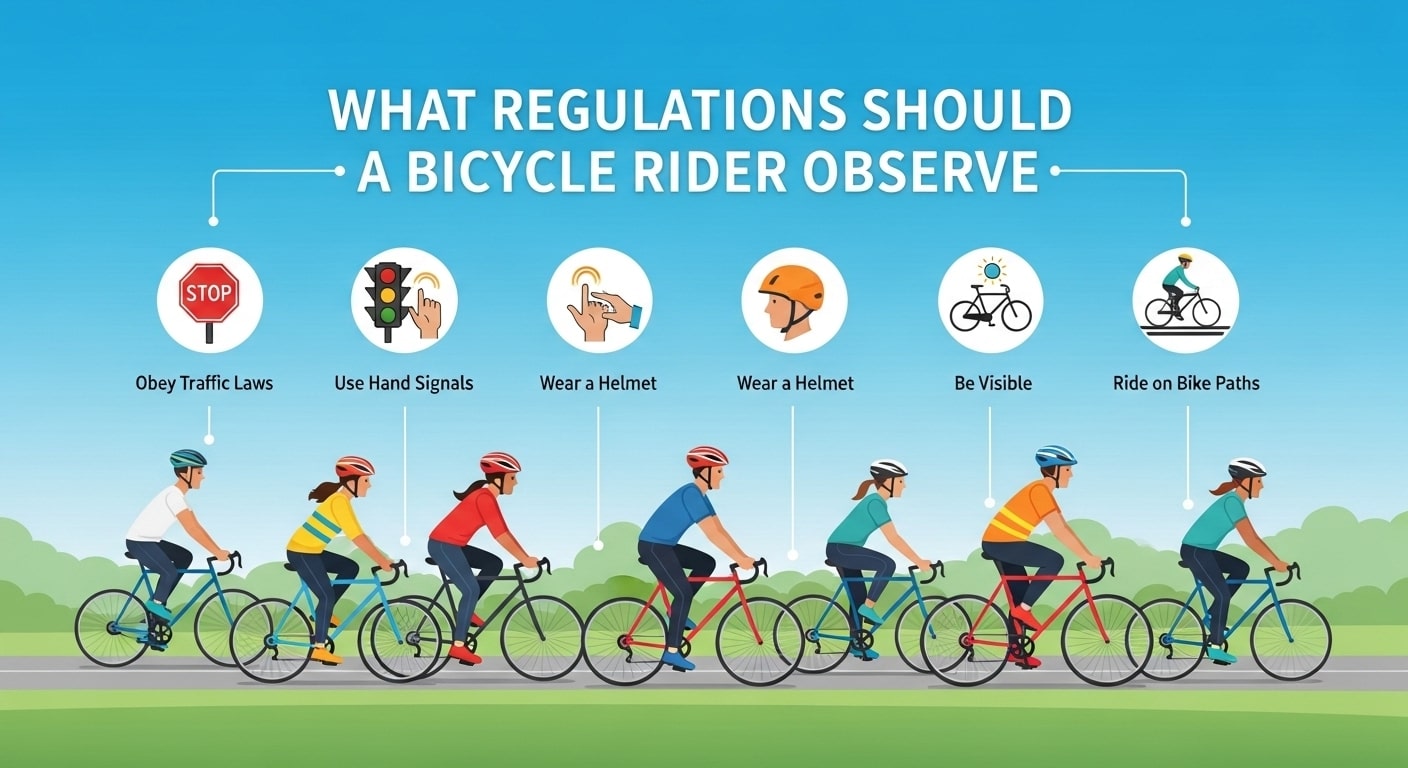
What Regulations Should a Bicycle Rider Observe?
Imagine the freedom of the open road, the wind in your hair, and the thrill of the ride as you pedal forward. But wait—before you hit the road, there’s something crucial you need to know: the regulations every bicycle rider should observe.
These aren’t just rules; they’re your key to safety, confidence, and a smoother ride. Understanding and following these regulations not only protects you but also enhances your cycling experience. Want to avoid accidents, fines, or misunderstandings? Stick around. We’ll walk you through the essential guidelines that every cyclist should have in their back pocket.
Equip yourself with this knowledge, and you’ll be ready to enjoy the ride with peace of mind.
Helmet And Safety Gear
Bicycle safety begins with the right gear. Wearing a helmet can save lives. Safety gear protects you from accidents. It also makes you visible to others. Understanding the right gear is crucial. Let’s explore the essentials for safe cycling.
Choosing The Right Helmet
A helmet is your primary safety tool. It guards your head during falls. Choose one that fits snugly. It should not wobble or tilt. Look for helmets with safety certifications. This ensures they meet safety standards. Ventilation is important for comfort. Especially on hot days. Pick a helmet with enough air vents. It should be lightweight yet strong. Bright colors are a plus. They enhance visibility on the road.
Importance Of Reflective Gear
Reflective gear keeps you visible at night. It reflects light from cars. This makes you stand out in the dark. Reflective vests are popular. They are easy to wear over clothes. Reflective tape can be applied to your bike. It’s affordable and effective. Reflective stickers also enhance visibility. Attach them to your helmet or backpack. Always ensure visibility in low light conditions. This reduces the risk of accidents.

Credit: newengland.com
Traffic Rules For Cyclists
Riding a bicycle can be a liberating experience. But with this freedom comes responsibility. As a cyclist, adhering to traffic rules is crucial for your safety and that of others on the road. Whether you’re commuting to work or enjoying a leisurely ride, understanding traffic regulations can make your journey smoother and safer.
Obeying Traffic Signals
Imagine you’re pedaling down a busy street and suddenly, the traffic light turns red. What do you do? You stop, just like any car would. Traffic signals are not just for motor vehicles; they apply to cyclists too. Always halt at red lights and proceed only when the light turns green.
Consider this: stopping at traffic signals not only prevents accidents but also saves you from hefty fines. A friend once shared how skipping a red light cost them a ticket and a lecture from the police. Trust me, it’s not worth the risk.
Understanding Road Signs
Road signs are your silent navigators. They guide you and inform you about potential hazards ahead. Are you aware of what a ‘Yield’ sign means? It’s a call to slow down and give way to others before proceeding.
Imagine spotting a ‘Bike Lane’ sign. This is your cue to stick to your designated path, ensuring smoother traffic flow. Not all roads are bike-friendly; these signs help you identify safe routes.
Have you ever noticed a ‘No Entry’ sign but thought it doesn’t apply to bikes? Think again! Ignoring such signs can lead to dangerous situations. Knowing and respecting road signs keeps you safe and avoids confusion on the road.
Next time you hop on your bike, ask yourself: Are you ready to follow these rules? Your safety depends on your choices. Stay informed, stay safe.
Lane Usage And Positioning
Bicycle riders must adhere to lane usage regulations, ensuring safety and smooth traffic flow. Position bicycles correctly and obey traffic signals. Stay aware of surroundings to avoid accidents and maintain harmony on roads.
Navigating the roads as a bicycle rider requires a keen understanding of lane usage and positioning. It’s not just about riding; it’s about being visible, predictable, and safe. The way you position yourself on the road can greatly impact your safety and the flow of traffic around you. Whether you’re a seasoned cyclist or a beginner, understanding the nuances of lane usage can make your ride smoother and more enjoyable.
Staying In Bike Lanes
Bike lanes are your dedicated space on the road. Using them correctly ensures your safety and that of others. They are designed to keep you separated from motor vehicles, providing a buffer zone that makes cycling safer. When you see a bike lane, aim to ride in it consistently. Not only does this help motorists know where to expect you, but it also keeps you within a safer zone, free from the immediate path of larger vehicles. If bike lanes are not present, do not panic. You can still share the road responsibly with cars and pedestrians. Have you ever found yourself swerving out of a bike lane to avoid a pothole or debris? It’s a common scenario. In such cases, it’s okay to leave the lane momentarily to ensure your safety. Always be alert and make sure to check behind you before changing lanes.
Proper Lane Positioning
Positioning yourself correctly in the lane is crucial, especially when bike lanes are absent. The right lane position makes you visible to drivers and helps you navigate safely through traffic. Ride in a straight line and avoid weaving between parked cars. This keeps you predictable to motorists. If you’re too close to parked cars, you might risk a door suddenly opening in your path. Position yourself at least a door’s width away to avoid this hazard. At intersections, take the lane if necessary. This means riding in the center of the lane to prevent cars from passing you unsafely. It might seem daunting, but taking the lane can actually prevent accidents by ensuring you’re seen by all approaching vehicles. Have you ever wondered if you’re positioning yourself correctly? Next time, as you ride, pay attention to your surroundings. Are you visible to drivers? Are you safely distant from parked cars? These small checks can make a big difference in your cycling experience. Staying aware and informed about lane usage and positioning keeps you safe and makes your ride more enjoyable. Are you ready to hit the road with more confidence?
Night Riding Precautions
Bicycle riders should wear bright clothing and use lights at night. Following traffic signals is crucial. Staying in designated lanes ensures safety.
Riding a bicycle at night can be an exhilarating experience, offering a different perspective of your surroundings. However, it also comes with its own set of challenges and risks. To ensure your safety, there are specific precautions you should take. Night riding requires more than just skill; it demands heightened awareness and preparation. Let’s dive into some essential precautions that will help you navigate the night safely.
Using Lights And Reflectors
One of the most crucial aspects of night riding is visibility. You need to make yourself as visible as possible to others on the road. Lights are not just a good idea—they are a legal requirement in many places. Make sure you have a bright white light on the front of your bike and a red light on the back. Reflectors are your nighttime allies. They bounce light from vehicles back towards the driver, helping you stand out. Attach reflectors to your pedals, wheels, and helmet. You might think, “Will these little pieces really make a difference?” The answer is yes. Reflective gear can be a lifesaver, turning you from a shadow into a beacon.
Wearing Visible Clothing
Your choice of clothing can significantly impact your safety during night rides. Bright, neon, or reflective clothing is your best bet. It might not be your everyday fashion choice, but when you’re on the road at night, function trumps style. Think about your favorite jacket—does it have reflective strips? If not, consider adding some. Reflective vests are another great option. They are lightweight, easy to wear over any outfit, and instantly improve your visibility. Have you ever felt invisible while riding at night? Wearing visible clothing can change that. It’s a simple step that can make drivers notice you sooner, reducing the risk of accidents. Night riding opens up a world of possibilities, but it also asks for responsible practices. Are you ready to embrace the night with confidence and safety? Equip yourself with the right gear, and you’ll find that night rides can be both thrilling and safe.
Interacting With Pedestrians
Bicycle riders must respect pedestrian crossings and yield to those on foot. Riders should use bells or voice signals to alert pedestrians. Staying at a safe distance ensures everyone remains safe.
Interacting with pedestrians is a crucial aspect of responsible bicycle riding. As a cyclist, you share spaces where pedestrians walk, and understanding how to navigate these interactions safely is essential. Not only does this ensure safety for everyone, but it also fosters a friendly community spirit. Let’s dive into some important rules and practices you should follow when riding near pedestrians.
Sharing The Sidewalk
While riding on sidewalks, always prioritize pedestrian safety. You might enjoy the breeze in your hair, but remember that sidewalks are primarily for walking. Keep your speed slow to prevent startling someone who might not expect a fast-moving bicycle. A bell or a polite verbal alert like “on your left” can be helpful. It signals your presence without causing alarm. Always pass pedestrians with ample space, allowing them to feel comfortable and safe.
Yielding At Crosswalks
Crosswalks are zones where pedestrians have the right of way. As a cyclist, it’s your responsibility to yield to them. Imagine the frustration a pedestrian feels when a bicycle speeds past them in a crosswalk—it’s not pleasant. When approaching a crosswalk, reduce your speed and be prepared to stop. Make eye contact with pedestrians to acknowledge their presence and reassure them that you’ve seen them. This small act can prevent accidents and make everyone feel respected. Have you ever found yourself in a situation where a pedestrian seemed unsure whether to cross? Your patience and courtesy can make a significant difference. Consider it an opportunity to set a positive example for other cyclists. By observing these simple guidelines, you contribute to a safer and more enjoyable experience for both cyclists and pedestrians. How do you plan to enhance your interactions with pedestrians during your rides?

Credit: www.facebook.com
Signaling And Communication
Bicycle riders should follow traffic rules, including signaling turns and stopping. Wearing helmets and using lights for visibility are essential. Regularly checking brakes and tires ensures safety on roads.
Riding a bicycle is not just about pedaling through the streets; it’s about ensuring safety, both for yourself and those around you. One of the most crucial aspects of bicycle safety is signaling and communication. When you communicate effectively with other road users, you significantly reduce the risk of accidents. This section will guide you on how to use hand signals and make eye contact with drivers to ensure a safer ride.
Using Hand Signals
Hand signals are your voice on the road. They let drivers and pedestrians know your intentions. Before you turn or stop, extend your arm in the direction you intend to go. For a left turn, stick your left arm straight out. For a right turn, put your left arm up at a right angle or extend your right arm straight out. To signal a stop, point your left arm down. It’s like having a conversation without words, ensuring everyone understands your next move. You might think, “Do drivers really notice hand signals?” Surprisingly, many do. A quick glance is often all it takes for a driver to slow down or give you the right of way.
Making Eye Contact With Drivers
Eye contact can be your best friend on busy roads. It creates a personal connection with drivers. When you make eye contact, you acknowledge each other’s presence and intentions. Imagine cycling through a bustling intersection. You notice a driver waiting to turn. By catching their eye, you silently confirm that they see you and you see them. This simple act can prevent misunderstandings and potential collisions. Ask yourself, next time you’re on the road, “Did I make eye contact with that driver?” It might just save you from an unexpected swerve or stop. Remember, effective communication on the road can be the difference between a smooth ride and a close call. How will you incorporate these practices into your next ride?
Maintenance And Inspection
Bicycle riders should check their brakes, tires, and lights regularly. Observing local traffic rules is essential for safety. Wearing a helmet and reflective gear helps in low visibility conditions.
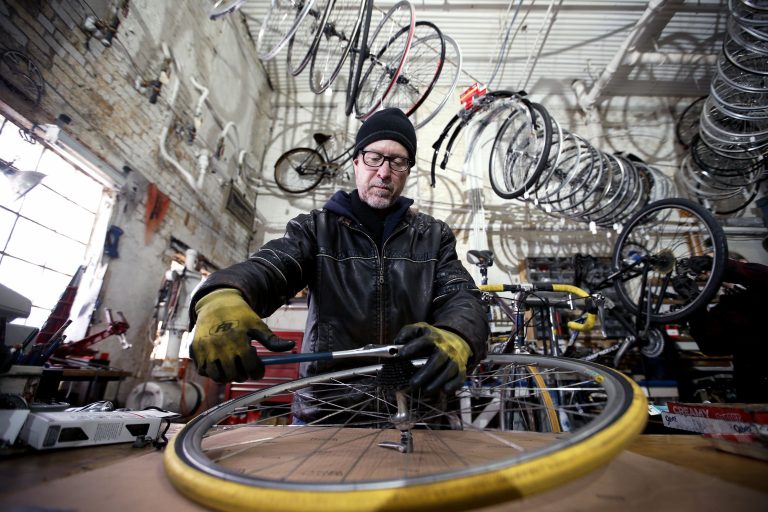
Maintaining your bicycle is not just about keeping it shiny and new; it’s a crucial part of ensuring your safety on the road. Regular maintenance and inspection can prevent accidents, prolong the life of your bike, and enhance your riding experience. Neglecting these tasks might seem like a time-saver, but it can lead to costly repairs and dangerous situations. So, what should you focus on when inspecting your bicycle?
Regular Brake Checks
Your brakes are arguably the most critical component for your safety. Before each ride, give your brakes a quick test. Squeeze the brake levers to ensure they engage properly and don’t feel spongy. Check the brake pads for wear and tear. If they’re thin or uneven, it’s time to replace them. Worn pads can drastically increase your stopping distance, which could be dangerous. Ensure that the cables are not frayed or damaged. A snapped brake cable can lead to disaster, especially in traffic or downhill rides. How often do you check your brake cables?
Tire Pressure And Tread
Tire pressure affects your ride’s comfort and safety. Use a pressure gauge to check that your tires are inflated to the recommended PSI, which is usually printed on the tire’s sidewall. Under-inflated tires can make pedaling harder and increase the risk of a puncture. Over-inflated tires might burst or give a bumpy ride. Have you ever been stuck with a flat tire miles from home? Examine the tire tread for signs of wear. Bald tires can slip easily, especially in wet conditions. If the tread is worn out, it’s time for a new tire. Keeping an eye on your tire condition can prevent unexpected slips and falls. By regularly inspecting these components, you ensure not only your safety but also enjoy a smoother, more pleasant ride. What’s your routine for checking your bike? Share your tips in the comments below!

Credit: www.facebook.com
Weather Considerations
Weather plays a crucial role in bicycle riding safety. Each weather condition brings unique challenges. Riders need to adapt their approach to ensure safety and comfort. Understanding how weather affects cycling can help in preparing and reacting to different scenarios.
Cycling In Wet Conditions
Rain makes roads slippery. Wet surfaces reduce tire grip. Slow down to maintain control. Avoid sudden turns or stops. Brakes may not work effectively. Test them regularly while riding. Wear waterproof gear to stay dry. Invest in fenders to protect from splashes. Visibility decreases in rain. Use lights and reflective clothing. Stay alert to road conditions.
Dealing With Wind And Cold
Wind impacts balance and steering. Strong gusts can push you off course. Lean into the wind for stability. Dress in layers to stay warm. Cold weather affects your body. Keep extremities warm with gloves and socks. Use windproof jackets to block chills. Face protection is essential in icy winds. Breathing cold air can be harsh. Cover mouth with a scarf or mask. Stay hydrated, even in cold weather.
Legal Responsibilities
Riding a bicycle is not just about the thrill of the ride or the health benefits it offers. As a cyclist, you also carry a set of legal responsibilities that ensure safety for yourself and others on the road. Navigating through these responsibilities might seem daunting at first, but understanding them can greatly enhance your cycling experience and protect you from unforeseen liabilities. Let’s delve into the legal aspects you need to be aware of, from understanding liability to knowing local cycling laws.
Understanding Liability
Have you ever wondered what happens if you accidentally hit a pedestrian while cycling? Liability is a crucial aspect that every cyclist should understand. As a rider, you are responsible for your actions on the road. This means if your negligence causes an accident, you might be held liable.
Imagine you’re cycling down a busy street and fail to stop at a red light, resulting in a collision with a car. You could be liable for damages and injuries caused. It’s important to know that your actions can have legal consequences. Consider investing in insurance that covers liability in case of accidents. This way, you can ride with peace of mind.
Knowing Local Cycling Laws
Are you aware of the specific cycling laws in your area? Local laws can vary greatly, and as a cyclist, knowing them is essential. Some cities require helmets for all cyclists, while others may have specific rules for bike lanes or crossing intersections.
Take a moment to familiarize yourself with these laws. For example, in some places, cyclists must use hand signals when turning. Not knowing this could lead to misunderstandings and potential accidents. Checking with your local transportation department can provide clarity on these rules.
Is there a particular cycling law that surprised you? Share your thoughts in the comments below. Engaging with others can help enhance your understanding of these regulations. Remember, being informed not only keeps you safe but also contributes to a smoother cycling environment for everyone.
Emergency Situations
Bicycle riders must follow road signs, wear helmets, and use lights at night. Keeping to designated paths ensures safety. Always signal when turning and maintain a safe distance from vehicles.
Riding a bicycle offers a sense of freedom and joy. But unexpected emergencies can disrupt this blissful ride. Being prepared for these situations not only ensures safety but also peace of mind. Let’s explore how you can handle accidents and keep your emergency contact information readily available.
Handling Accidents
Accidents can happen in the blink of an eye. Whether it’s a minor fall or a collision with another cyclist, knowing how to react is crucial. First, assess your condition. If you’re injured, try to stay calm and signal for help. Remember, staying still might prevent further injury. If it’s safe, move your bicycle off the road to avoid obstructing traffic. This not only prevents further accidents but also makes it easier for help to reach you. It’s wise to carry a small first-aid kit. A simple bandage or antiseptic wipe can make a big difference while waiting for professional help. Have you ever been in an accident while cycling? Reflecting on past experiences can help you prepare better for future incidents.
Emergency Contact Information
Having your emergency contact information easily accessible can be a lifesaver. Imagine you’re unable to communicate due to an injury. How would others know whom to contact? Keep a card with your emergency contact details in your wallet or bicycle pouch. Make sure it’s waterproof and easy to find. Consider storing vital information on your phone. Many smartphones have features that allow emergency contacts to be accessed without unlocking the device. Have you thought about sharing your cycling route with a trusted friend or family member? This simple act ensures someone knows your whereabouts in case of an emergency. Taking these steps not only prepares you for unexpected situations but also reassures those who care about you. Are you ready to ride with confidence, knowing you’ve taken the necessary precautions?
Frequently Asked Questions
What Regulations Should A Bicycle Rider Observe In Texas?
Bicycle riders in Texas must follow traffic signals, ride on the right, use hand signals, and equip bikes with lights at night. Always wear helmets and avoid riding on sidewalks where prohibited.
What Yield Regulations Should A Bicycle Rider Observe?
Bicycle riders should yield to pedestrians at crosswalks. Give way to vehicles when entering roads. Observe traffic signals and signs. Yield to traffic in intersections. Prioritize safety by following local yield regulations.
What Regulations Should A Bicycle Rider Observe In Quizlet?
Bicycle riders should follow traffic signals, wear helmets, use lights at night, and ride in designated lanes. Obey local laws regarding bicycle use and always signal turns. Stay alert and avoid distractions for a safe ride. Respect pedestrians and ensure your bike is well-maintained for safety.
What Is The Rule 67 For Cycling?
Rule 67 in cycling states: “Do not leave your helmet on your bike. ” It emphasizes the importance of wearing helmets for safety. Always wear your helmet when riding to protect yourself from potential injuries.
Conclusion
Bicycle safety starts with knowing the rules. Obey traffic signals, stay alert, and use hand signals. Respect pedestrian spaces and never ride against traffic flow. Wearing a helmet can protect you in accidents. Good visibility keeps you safe, day and night.
Reflective gear and lights are essential. Maintain your bicycle regularly for smooth rides. Always keep yourself informed of local cycling laws. Remember, safety comes first in every ride. Responsible riding ensures enjoyable journeys for everyone. Stay safe, be smart, and happy cycling!

Ethan Montgomery is the administrator of carweldhub.com and an expert in the automotive industry. With hands-on experience in welding and a deep understanding of automotive parts and accessories, Ethan brings a wealth of practical knowledge to his work. His passion for the automotive field extends to blog writing and editing, where he shares valuable insights and tips with enthusiasts and professionals alike. Whether you’re looking for detailed technical advice or the latest trends in automotive technology, Ethan’s expertise makes him a trusted resource in the automotive community.