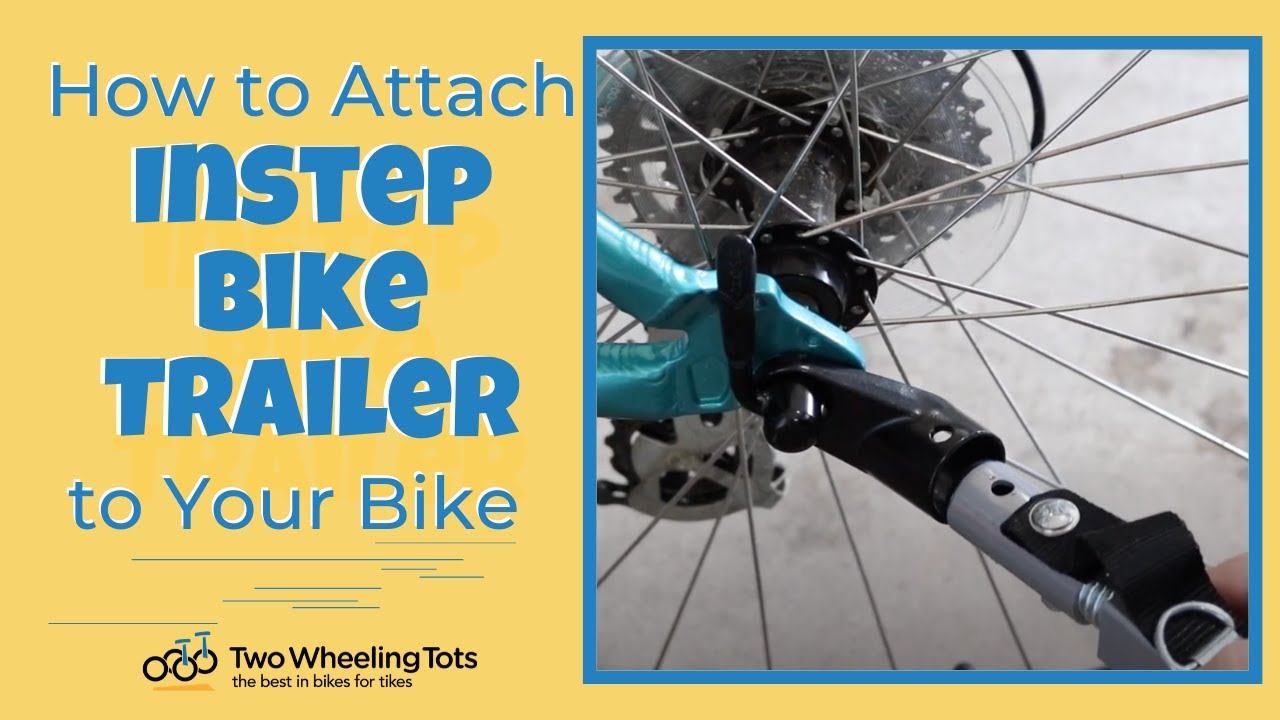
How to Attach Instep Bicycle Trailer: Step-by-Step Guide
Imagine the thrill of exploring the great outdoors on your bicycle, with your little one or gear safely tucked away in an Instep bicycle trailer. You can enjoy the freedom and joy of cycling while keeping your precious cargo secure and comfortable.
But first, you need to know how to attach the trailer correctly. If you’re worried about complicated instructions or spending hours figuring it out, you’re not alone. Many people feel anxious about setting up new equipment, especially when it involves their loved ones’ safety.
But guess what? Attaching an Instep bicycle trailer is simpler than you think. This guide will walk you through each step, ensuring you can hit the road quickly and confidently. You’ll discover easy-to-follow instructions, helpful tips, and tricks that make the process a breeze. Once you see how straightforward it is, you’ll wonder why you didn’t try it sooner. Your cycling adventures are about to become more fun and hassle-free. So, let’s dive in and get your Instep bicycle trailer ready for the ride of your life!
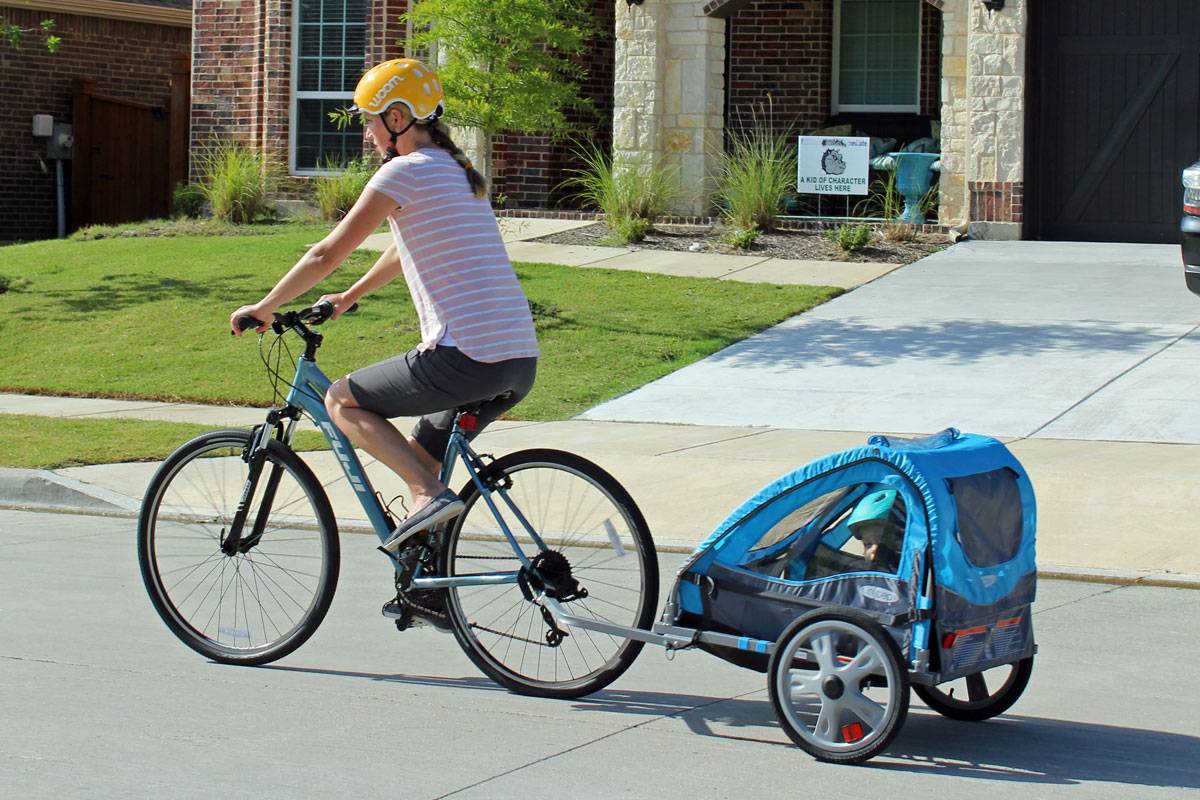
Credit: www.twowheelingtots.com
Choosing The Right Instep Bicycle Trailer
Attaching an Instep Bicycle Trailer is simple. Begin by securing the hitch to the bike’s rear axle. Next, attach the trailer arm to the hitch and lock it in place. Always double-check connections for safety.
Choosing the right Instep bicycle trailer can transform your cycling adventures into joyful family outings. It’s essential to consider various factors to ensure safety, comfort, and compatibility. Let’s delve into the crucial aspects that will help you make the best choice.
Types Of Instep Trailers
Instep offers a variety of trailer types, each designed to cater to different needs. Single trailers are perfect for transporting one child, making them lighter and easier to handle. Double trailers provide extra space, ideal for families with two kids or for those who need additional storage. Consider your needs and lifestyle. Do you plan on long rides, or are you just running quick errands? Trailers with extra features, like weather shields or storage pockets, might come in handy for long trips.
Compatibility With Your Bike
Ensuring that the trailer is compatible with your bicycle is crucial. Most Instep trailers attach to the rear axle of your bike, but it’s vital to check your bike’s specifications. Some bikes, especially those with quick-release wheels, might require additional adapters. Have you checked the weight limits? Make sure your bike can handle the combined weight of the trailer and its cargo. Also, consider the width of the trailer and whether it fits through the spaces you plan to navigate. Choosing the right Instep bicycle trailer involves assessing your specific needs and ensuring compatibility with your bike. By paying attention to these details, you can enhance your cycling experience and create unforgettable memories with your family. What features do you prioritize when selecting a bike trailer? Let us know in the comments!

Credit: www.amazon.com
Preparing Your Bicycle And Trailer
Attaching the Instep Bicycle Trailer involves securing the coupler to the rear axle of your bike. Ensure all connections are tight, and align the hitch firmly. Check the trailer’s balance for a safe ride, making the process straightforward for smooth adventures.
Preparing your bicycle and trailer is the crucial first step in ensuring a smooth and safe cycling adventure with your Instep Bicycle Trailer. Whether you’re planning a leisurely ride with your little ones or transporting groceries, a well-prepared setup can make all the difference. Before you hit the road, take some time to inspect both your trailer and bicycle. This preparation phase is not just about ensuring functionality but also about guaranteeing safety. Let’s dive into how you can get your bicycle and trailer ready for the ride.
Inspecting Trailer Components
Start by examining the trailer’s components. Make sure the wheels are securely attached and inflated properly. A flat tire can turn a fun ride into a hassle quickly. Check the fabric and frame for any signs of wear or damage. Even a small tear can become larger and compromise the safety of your cargo. Test the hitch mechanism. It should connect smoothly to your bicycle without any stiffness. A faulty hitch could lead to separation while riding.
Checking Bike For Attachment Points
Identify the attachment points on your bicycle. These are usually located near the rear axle. Knowing their exact location can save you time during the actual setup. Ensure these points are clean and free from rust or debris. A dirty attachment point might affect the stability of the trailer. Verify if your bike has a compatible axle for the trailer hitch. If not, you may need an adapter. Having the right axle ensures a secure fit, preventing any wobbling. Have you ever struggled with connecting your trailer to your bike? It can be frustrating. But taking the time to inspect and check these components can make this process seamless. What are your biggest concerns when preparing your bicycle and trailer? Addressing them now can lead to a more enjoyable cycling experience.
Attaching The Coupler
Attaching a bicycle trailer can seem tricky. But, it’s simple with guidance. The coupler is the key component. It connects your bike to the trailer. Follow these steps to attach it properly.
Locating The Rear Axle
First, find your bike’s rear axle. It’s the rod that holds the back wheel. Look near the center of the back wheel. Often, it’s covered by a small cap. Remove this cap to access the axle. This is where the coupler will attach.
Securing The Coupler
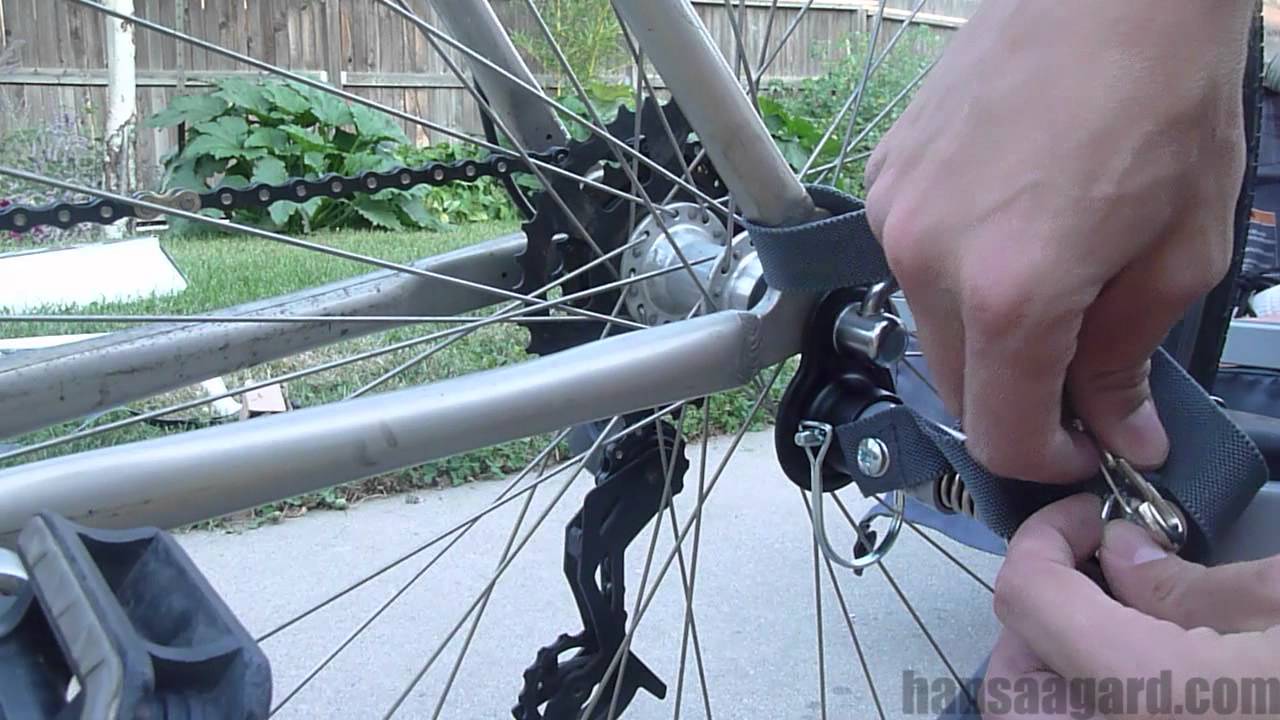
Once you locate the axle, it’s time to secure the coupler. Align the coupler with the axle hole. Slide it onto the axle. Ensure it fits snugly. Tighten the nut to hold the coupler in place. Use a wrench for a secure fit. The coupler should not move or wiggle. Double-check its stability before attaching the trailer.
Connecting The Trailer To The Bike
Attaching an Instep bicycle trailer is simple. Start by securing the coupler to the bike’s rear wheel. Then, connect the trailer’s arm to the coupler securely. Finally, ensure all connections are tight for a safe ride.
Connecting the trailer to your bike might seem daunting at first, but it’s simpler than it looks. Imagine the freedom and fun you can enjoy once it’s all set up. Whether you’re planning a leisurely ride or a family outing, knowing how to securely attach your Instep bicycle trailer is crucial for a smooth journey.
Aligning The Hitch
First, let’s talk about aligning the hitch. This step is all about ensuring your trailer is ready for the ride. Check if the hitch is compatible with your bike’s rear axle. This is like ensuring two puzzle pieces fit together perfectly. If you’re unsure, consult your trailer’s manual or check online resources. Position the hitch directly behind your bike’s rear wheel. Keep it level and straight. This alignment prevents wobbling and ensures a smooth ride. Remember how you felt the first time you balanced on a bike? Achieving the right alignment brings that same sense of stability.
Locking The Trailer In Place
Next, locking the trailer in place is essential. You wouldn’t want it detaching mid-ride! Secure the hitch using the provided locking pin or clip. Ensure it’s tightly fastened; a gentle tug can help confirm its stability. It’s similar to fastening your seatbelt before driving. You do it for safety and peace of mind. If you’ve ever had a trailer detach unexpectedly, you know the importance of a secure lock. It’s the difference between a carefree ride and a potential mishap. Take a moment to reflect on your cycling adventures. How would they change with a trailer securely attached? Would you explore new paths or carry more gear? Consider this as you prepare to attach your trailer correctly. In short, connecting your trailer isn’t just about mechanics; it’s about enhancing your biking experience. Follow these steps, and you’ll be ready to roll in no time.
Ensuring Proper Attachment
Attaching an instep bicycle trailer securely is crucial for a safe and enjoyable ride with your little ones. It’s not just about connecting the trailer; it’s about ensuring that the attachment is robust and reliable. This involves paying attention to the stability and safety adjustments to avoid any mishaps on the road. Let’s delve into some key steps to ensure your trailer is properly attached and ready for adventure.
Testing Stability
Once you’ve connected the trailer to your bike, it’s essential to check how stable it is. Give your bike a gentle shake and observe the trailer’s movement. Does it wobble excessively or seem loose? If yes, you might need to tighten the hitch or check the connecting parts again.
Imagine you’re about to set off on a long countryside ride. Wouldn’t you want peace of mind knowing your trailer won’t detach halfway? Ensuring stability isn’t just a technical step; it’s about building confidence in your setup.
Consider the terrain you’ll be riding on. Bumpy roads or uneven paths demand a more secure attachment. A stable connection means smooth rides, so test it thoroughly before heading out.
Adjusting For Safety
Safety adjustments are your next crucial step. Check if the trailer’s hitch is aligned properly with your bike’s rear axle. Misalignment can lead to difficulty steering or even detachment during a ride.
Remember the time you felt a slight shift in your bike while pulling the trailer? Such moments highlight the importance of correct alignment. Your trailer should follow your bike’s movements seamlessly.
Adjust the straps or locking mechanisms to ensure they’re tightly secured. Loose straps can pose a risk during sudden stops or turns. Ask yourself: Is everything locked in place? This will give you peace of mind.
Finally, consider the weight distribution in your trailer. Uneven weight can affect balance, making it harder to maneuver. Pack your items carefully, and check the trailer’s stability once more before riding.
Proper attachment is more than just a mechanical task—it’s about creating a safe experience for you and your passengers. Have you made all the necessary checks? If not, take a moment to review each step carefully. Your diligence can make all the difference in ensuring a secure and pleasant ride.
Credit: www.youtube.com
Safety Checks Before Riding
Before hitting the road with your Instep bicycle trailer, prioritize safety. Ensuring everything is secure and functioning properly helps prevent accidents. Your peace of mind depends on thorough safety checks. Let’s explore some essential steps to keep your ride safe and smooth.
Inspecting Connections
Check all the connections between the trailer and bicycle. Ensure the hitch is tightly secured to the rear axle. Look for any signs of wear or damage on the hitch. A loose connection can lead to accidents. Make sure the lock pins are properly in place and undamaged.
Inspect the safety straps and confirm they are not frayed. These straps provide an extra layer of security. Check that they are tightly fastened to the bike frame. A regular inspection prevents unexpected disconnections.
Checking For Obstructions
Examine the trailer’s path for any potential obstructions. Ensure the wheels rotate freely without any hindrance. Look for debris or small items stuck in the wheels. These can affect the smoothness of your ride. Remove anything that might obstruct the trailer’s movement.
Check the trailer’s interior for loose items. Anything moving inside can shift balance or distract. Secure all belongings before starting your journey. This ensures stability and comfort for your child or cargo.
Tips For Riding With A Trailer
Attaching an Instep bicycle trailer starts with securing the hitch to the bike’s rear axle. Align the trailer’s coupler with the hitch for a stable connection. Finally, tighten all bolts to ensure safety and smooth rides.
Attaching an Instep bicycle trailer can open up a world of adventure, whether you’re taking your kids out for a spin or hauling groceries. But riding with a trailer requires some tweaks in your cycling routine. Here are some tips to make your ride smoother and safer.
Adjusting Riding Techniques
When you attach a trailer, your bike feels different. It’s important to adjust your riding technique to accommodate this change. Start by taking a few practice rides in a quiet area. Get a feel for how your bike handles turns and stops with the added weight. Keep in mind that braking distances will increase. Practice gentle stops to avoid jerking the trailer. Do you notice a difference in your turning radius? Make wider turns to keep your trailer stable.
Understanding Weight Distribution
Weight distribution is key to maintaining control. Always load your trailer evenly to prevent it from swaying. Check the manufacturer’s guide for weight limits. Overloading can lead to dangerous situations. Think about where you place heavier items. Position them low and central in the trailer to keep balance. Have you considered how weight shifts when going uphill? Lean slightly forward, and engage lower gears for control. Engage your kids by involving them in the process. Ask them to help balance the load. This can make the ride more enjoyable for everyone. Adjust your riding habits and understand weight distribution to make the most of your biking experiences with a trailer. These small changes can lead to safer, more comfortable rides. What adjustments will you make on your next ride?
Frequently Asked Questions
How To Attach A Bicycle Trailer?
Attach the trailer hitch to your bicycle’s rear axle or frame. Securely fasten it using the provided coupler or pin. Connect the trailer’s arm to the hitch and lock it in place. Ensure all connections are tight and check for stability before riding.
How To Attach Bike Rack To Trailer Hitch?
Align the bike rack with the trailer hitch. Insert the hitch pin through the holes. Secure it using the provided locking mechanism or bolt. Ensure the rack is tightly attached. Double-check stability before loading bikes. Always follow the manufacturer’s instructions for specific details and safety guidelines.
Does An Instep Bike Trailer Fold Up?
Yes, InStep bike trailers are designed to fold up for convenient storage. They feature a quick-release system that allows easy folding. This makes them portable and ideal for families with limited storage space. Always check the specific model for folding instructions to ensure proper handling.
Can You Attach A Bike Trailer To Any Bike?
Not all bikes can accommodate a bike trailer. Most trailers attach to standard bikes with a rear axle. Ensure your bike has compatible attachments for safety. Always check the manufacturer’s guidelines for compatibility.
Conclusion
Attaching an instep bicycle trailer is simple with the right steps. Start by checking the trailer’s connection points. Ensure they align with the bike’s rear axle. Secure the hitch tightly for safety. Double-check all fasteners before riding. Practice maneuvering with the trailer in a safe area.
This helps you get used to the new weight and balance. Enjoy family rides with your trailer. It’s a great way to explore together. Remember to keep safety first while having fun. Happy cycling with your bicycle trailer!

Ethan Montgomery is the administrator of carweldhub.com and an expert in the automotive industry. With hands-on experience in welding and a deep understanding of automotive parts and accessories, Ethan brings a wealth of practical knowledge to his work. His passion for the automotive field extends to blog writing and editing, where he shares valuable insights and tips with enthusiasts and professionals alike. Whether you’re looking for detailed technical advice or the latest trends in automotive technology, Ethan’s expertise makes him a trusted resource in the automotive community.