What Car Battery Voltage is Too Low: Critical Insights
Have you ever turned the key in your car’s ignition, only to be met with silence or a weak, sputtering sound? It’s a frustrating experience, and often, the culprit is a battery with voltage that’s too low.
Understanding the voltage levels of your car battery can save you from unexpected breakdowns and costly repairs. But how low is too low when it comes to your car battery’s voltage? We’ll unravel the mystery behind car battery voltage and help you determine when it’s time to take action.
By the end, you’ll have the knowledge to keep your vehicle running smoothly and your mind at ease. Keep reading to find out how to ensure your car battery is always in tip-top shape.
Car Battery Basics
Understanding car battery basics is essential for vehicle maintenance. A car battery powers the electrical components in your vehicle. It starts the engine and keeps the car running smoothly. Knowing the basics can help you detect issues early.
Components And Function
A car battery consists of several key components. It has lead plates, sulfuric acid, and a plastic casing. These elements work together to produce electricity. The battery stores chemical energy and converts it to electrical energy. This energy powers your car’s engine and accessories. The alternator then recharges the battery while driving.
Standard Voltage Levels
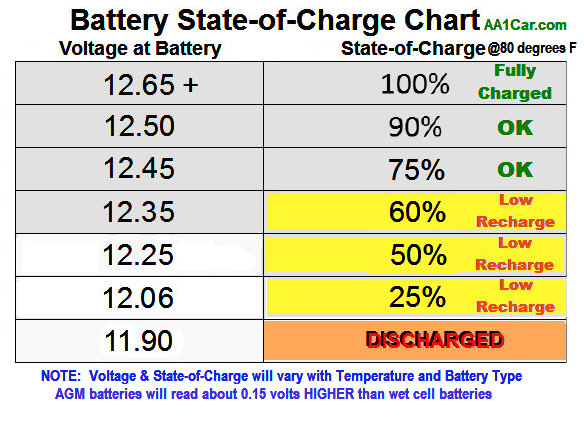
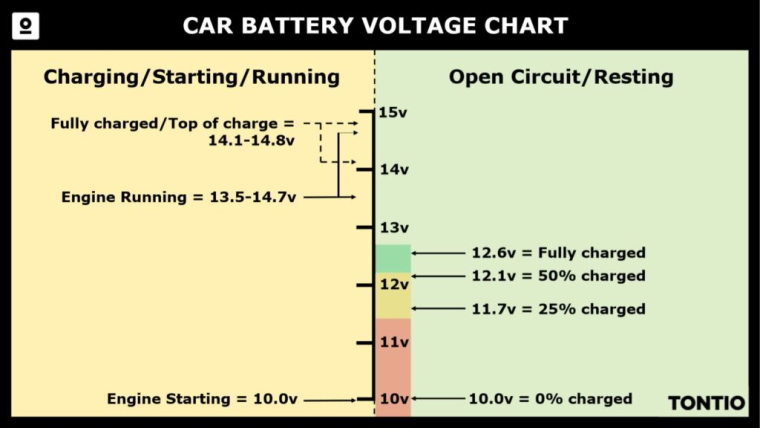
Car batteries have standard voltage levels. A fully charged battery typically reads 12.6 volts or higher. When the engine is running, the voltage should be between 13.7 and 14.7 volts. A voltage reading below 12.4 volts indicates a partially charged battery. If it drops to 12 volts or less, the battery might be too low. Regular checks can prevent unexpected breakdowns.
Credit: www.aa1car.com
Signs Of Low Voltage
Car batteries are essential for vehicle operation. Low voltage can cause numerous issues. Recognizing these signs helps avoid unexpected breakdowns and costly repairs.
Dimming Headlights
Dimming headlights often indicate low battery voltage. They struggle to maintain brightness. This makes driving at night risky. The battery might not supply enough power to the lights. Keep an eye on your headlights.
Slow Engine Crank
A slow engine crank signals low battery power. The engine takes longer to start. This can be frustrating on cold mornings. Low voltage makes the starter motor less effective. Frequent slow cranks need attention.
Dashboard Warning Lights
Dashboard warning lights can alert you to battery issues. A battery light may flicker or stay on. This indicates insufficient voltage. Other warning lights might appear too. Pay attention to your dashboard.
Measuring Battery Voltage
Understanding how to measure your car battery voltage can be a game-changer in maintaining your vehicle’s health. Just like you wouldn’t ignore a low fuel warning, knowing your battery’s voltage can prevent unexpected breakdowns. It’s surprisingly simple, and with the right tools and guidance, you’ll be a pro in no time.
Tools Required
Before you dive into measuring your car battery voltage, ensure you have the necessary tools. A digital multimeter is your best friend for this task. It’s affordable and widely available at auto parts stores. You might also need some gloves to keep your hands safe, especially if your battery is hard to reach.
- Digital Multimeter
- Protective Gloves
- Owner’s Manual (optional)
Step-by-step Guide
Measuring battery voltage is straightforward. First, make sure your car is turned off and parked safely. Then, locate the battery under the hood. If you’re unsure, your owner’s manual can guide you.
- Set your multimeter to DC voltage, ensuring it’s ready to measure.
- Attach the multimeter probes to the battery terminals: red to positive, black to negative.
- Read the voltage displayed on the multimeter. A healthy battery typically shows around 12.6 volts.
- If the reading is below 12.4 volts, consider recharging or replacing your battery.
Have you ever found yourself stranded with a dead battery, wishing you had checked the voltage earlier? Regularly measuring your battery voltage can prevent such mishaps. It empowers you to take action before the battery fails completely.
Isn’t it fascinating how a simple tool like a multimeter can save you hours of frustration? By following these steps, you ensure your car’s battery is always ready to go. What’s your next road trip destination, and is your battery ready for the adventure?
Credit: www.kwik-fit.com
Causes Of Low Voltage
Understanding what causes low car battery voltage can prevent unexpected breakdowns. Recognizing these causes helps maintain your car’s health. Let’s explore some common reasons behind low voltage.
Aging Battery
An old battery often struggles to hold a full charge. Over time, the battery’s internal components deteriorate. This leads to reduced efficiency. An aging battery might not supply enough power, causing low voltage issues.
Parasitic Drain
Parasitic drain occurs when electrical devices draw power after the engine is off. This can slowly drain the battery. Common culprits include lights, alarms, or faulty wiring. A parasitic drain reduces the battery’s ability to maintain voltage.
Faulty Alternator
The alternator charges the battery while the engine runs. A malfunctioning alternator fails to recharge the battery adequately. This results in low voltage. Symptoms may include dim lights or a weak start. Regular alternator checks can prevent this issue.
Impact Of Low Voltage
Car batteries are crucial for vehicle operation. A low battery voltage can lead to numerous issues. Understanding these effects helps maintain your vehicle’s health. It prevents unexpected problems on the road.
Vehicle Performance Issues
Low voltage affects engine start-up. The engine may struggle to turn over. This results in repeated attempts to start the car. You might hear clicking sounds instead of engine ignition. This can drain the battery further. It can leave you stranded in inconvenient places.
Low voltage impacts fuel efficiency too. The engine works harder to maintain power. This increases fuel consumption. You may notice more frequent stops at gas stations. Overall, vehicle efficiency decreases.
Potential Damage To Electronics
Car electronics rely on stable voltage. Low voltage disrupts their operation. You might experience flickering lights. This affects headlights and dashboard displays. It can compromise safety during night driving.
Audio systems may produce distorted sound. GPS systems can malfunction. Low voltage may damage electronic components over time. Repair costs can be significant. Regular battery checks help avoid these issues.
Preventive Measures
Car battery voltage that’s too low can lead to problems. Regular care helps prevent these issues. Protect your vehicle’s battery with some simple steps. Let’s explore how to keep your battery healthy.
Regular Maintenance
Check your car battery often. This ensures it’s in good condition. Clean any corrosion on the terminals. Use a mixture of baking soda and water. Tighten loose connections to avoid power loss. Test the battery voltage with a multimeter. A healthy battery reads between 12.4 and 12.7 volts. If it’s lower, consider charging or replacing it.
Proper Storage Practices
Store your car properly during long periods of inactivity. Park in a garage if possible. This protects the battery from extreme weather. Disconnect the battery if storing the car for over a month. Use a trickle charger to maintain battery charge. Avoid leaving electronics on. This prevents draining the battery unnecessarily.
When To Replace The Battery
Knowing when to replace your car battery is crucial. It ensures your vehicle runs smoothly. A faulty battery might leave you stranded. Regular checks help prevent unexpected failures. Let’s explore factors that signal it’s time for a new battery.
Age And Usage Factors
A car battery’s age affects its performance. Most batteries last three to five years. Heavy usage or extreme temperatures shorten this lifespan. Frequent short trips also strain the battery. Consider replacing it if it’s been more than three years.
Professional Assessment
Regular professional checks are important. Experts can identify battery problems early. They use tools to measure voltage accurately. A voltage below 12.4 volts might indicate a weak battery. Consult a professional for a thorough inspection. This ensures your battery’s reliability and efficiency.

Credit: www.jiffylube.com
Frequently Asked Questions
At What Voltage Should I Replace My Car Battery?
Replace your car battery when voltage drops below 12. 4 volts. A healthy battery should maintain 12. 6 volts or higher. Regular checks can prevent unexpected failures and ensure optimal performance. Keep your vehicle’s electrical system running smoothly by monitoring battery voltage consistently.
What’s The Lowest A Car Battery Should Read?
A car battery should read at least 12. 4 volts when fully charged. Below 12. 0 volts indicates poor charge and possible battery issues. Regular checks and maintenance help ensure optimal battery performance and longevity.
How Many Volts Is Too Low For A Car Battery?
A car battery voltage below 12. 4 volts is considered too low and may indicate a weak battery. Regular checks and maintenance are essential to ensure optimal performance and prevent starting issues. A fully charged battery typically reads around 12.
6 volts or higher.
Is 11.8 V Low For A Car Battery?
11. 8 V is low for a car battery. Car batteries typically should read around 12. 6 V to 12. 8 V when fully charged. A reading of 11. 8 V indicates that the battery might be discharged or have a problem.
It’s advisable to check or recharge the battery to prevent starting issues.
Conclusion
Understanding car battery voltage is crucial for maintenance. A voltage below 12. 4 volts may indicate a problem. Regular checks can prevent unexpected breakdowns. Investing in a quality voltmeter helps monitor battery health. Replace the battery if voltage consistently falls low.
Keeping connections clean also ensures better performance. Remember, a healthy battery means a reliable car. Simple steps can extend battery life. Stay proactive and save on costly repairs. Understanding these basics empowers you to act swiftly. Make battery care a routine part of vehicle maintenance.
Your car will thank you with dependable starts every time.

Ethan Montgomery is the administrator of carweldhub.com and an expert in the automotive industry. With hands-on experience in welding and a deep understanding of automotive parts and accessories, Ethan brings a wealth of practical knowledge to his work. His passion for the automotive field extends to blog writing and editing, where he shares valuable insights and tips with enthusiasts and professionals alike. Whether you’re looking for detailed technical advice or the latest trends in automotive technology, Ethan’s expertise makes him a trusted resource in the automotive community.