Why Does My Car Battery Smell Like Rotten Eggs: Causes
Imagine you’re getting into your car, ready to hit the road, and suddenly you notice a foul smell—something akin to rotten eggs. You’re puzzled and maybe a bit concerned, wondering what could possibly be causing this unpleasant odor.
You might not realize it, but your car battery could be the culprit behind this stench. This isn’t just an inconvenience; it’s a signal that something could be seriously wrong with your vehicle. If you’re experiencing this issue, you’re not alone, and understanding why this happens is crucial for your safety and your car’s health.
Stick with us, and you’ll discover not only the reasons behind this smell but also what steps you need to take to address the problem effectively. Keep reading to ensure your car stays reliable and safe for all your journeys ahead.
Credit: www.tiktok.com
Signs Of A Problematic Car Battery
A car battery smelling like rotten eggs can signal a sulfuric acid leak. This odor indicates potential damage or overcharging. Immediate attention is crucial to prevent further issues and ensure safety.
Is your car battery giving you trouble? If you’ve noticed your vehicle isn’t performing as well as it used to or you’re greeted with strange smells, it might be time to investigate further. Recognizing the signs of a problematic car battery can save you from unexpected breakdowns and costly repairs. Let’s dive into a few key indicators that your car battery might be in trouble.
Unusual Odors
One of the most alarming signs is a foul smell, often likened to rotten eggs. This odor usually signals a battery leak or an overcharged battery, which releases sulfuric acid. If you detect this smell, it’s crucial to address it immediately, as it can harm other engine components. Imagine getting into your car, ready for a smooth ride, only to be hit by a nasty stench. You might think it’s just something you left in the trunk, but the culprit could be your battery. Ignoring this smell can lead to bigger issues down the road.
Performance Issues
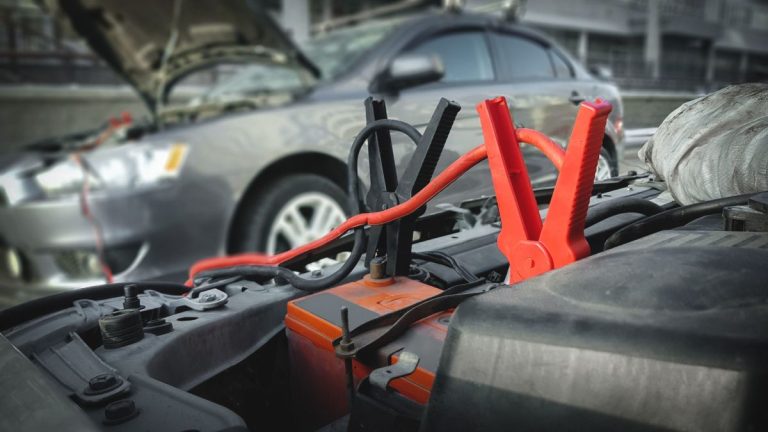
Have you noticed your car struggling to start? This could be a major red flag. A weak battery might still power your radio or lights, but it can fail to crank the engine effectively. Pay attention to how your car behaves when you turn the key. Does it hesitate or make clicking noises? These are signs that your battery could be nearing the end of its life. Addressing these symptoms early can prevent unexpected stalls and keep you safely on the road. If you’re constantly jump-starting your car, it’s time to consider a battery check. A reliable battery is essential for a smooth driving experience. After all, no one wants to be stranded because of a neglected battery issue. By being aware of these signs, you can take actionable steps to ensure your car battery is in top condition. Keep your rides smooth and stress-free by addressing these issues promptly. Have you ever ignored a car problem that led to a bigger headache? Share your experiences or tips for maintaining a healthy car battery in the comments!
Chemical Composition Of Car Batteries
Car batteries are essential for powering your vehicle’s electrical systems. Their chemical composition plays a crucial role in their function. Sometimes, this same chemical makeup can cause strange smells, like rotten eggs. Understanding why this happens requires knowing the key components inside your car battery.
Understanding Sulfuric Acid
Sulfuric acid is a vital part of a car battery’s construction. It acts as the electrolyte, facilitating the flow of electrical charge. When batteries overcharge or malfunction, sulfuric acid can emit hydrogen sulfide gas. This gas smells like rotten eggs. It’s a clear sign something might be wrong with your battery.
Role Of Electrolytes
Electrolytes are crucial for your battery’s performance. They help store and release energy. In car batteries, electrolytes are a mix of water and sulfuric acid. If the battery is damaged, electrolytes can leak. This leakage contributes to the rotten egg smell. Proper maintenance can prevent electrolyte issues.
Causes Of Rotten Egg Smell
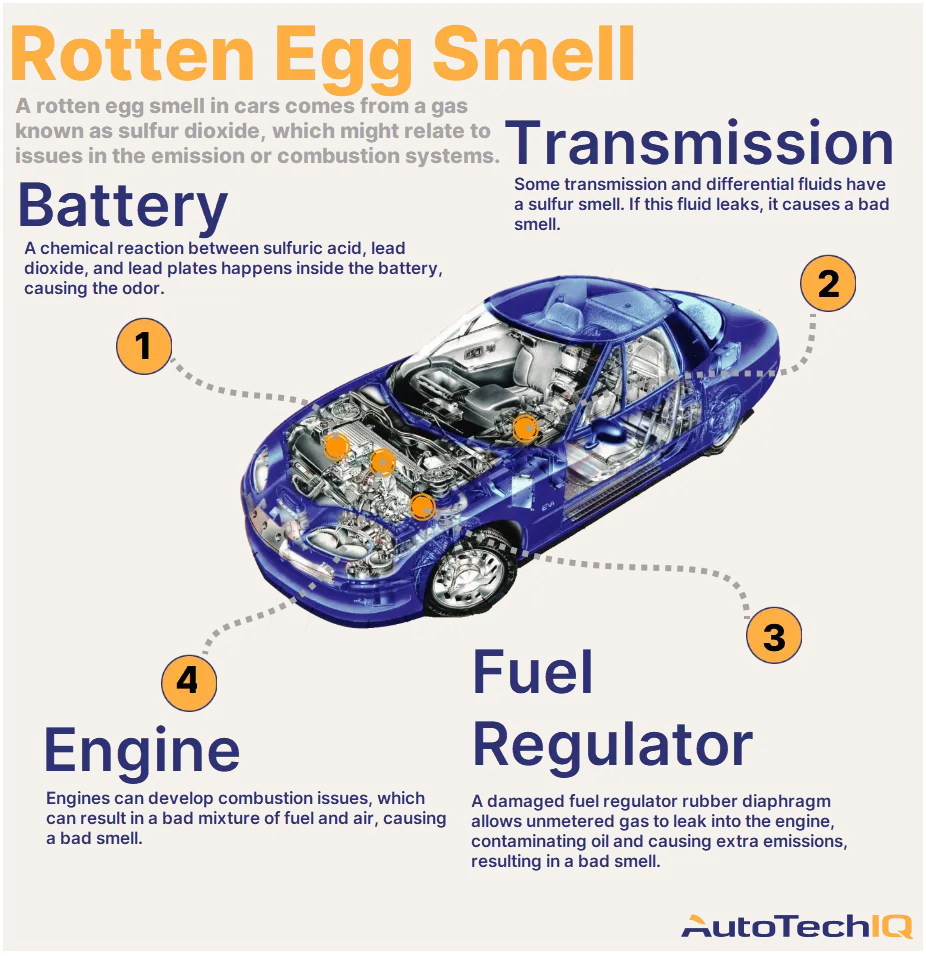
Have you ever popped the hood of your car only to be greeted by the unpleasant odor of rotten eggs? It’s a scent that can leave you puzzled and worried. Understanding the causes of this smell can not only save you from a stinky situation but also prevent potential damage to your car. Here’s what might be causing that foul smell in your vehicle.
Overcharging Issues
Overcharging your battery can lead to the rotten egg smell. When a battery is overcharged, it produces excessive heat, leading to the breakdown of the electrolyte solution. This process releases sulfur gas, which is the culprit behind the rotten egg odor. You might be using a charger that’s too powerful or faulty, which could cause this issue.
Ensure your charger matches your battery specifications. Sometimes, it’s worth checking if your alternator is malfunctioning, as it could be sending too much voltage to the battery. Have you noticed any other electrical issues recently? It could be a sign of overcharging.
Battery Leakage
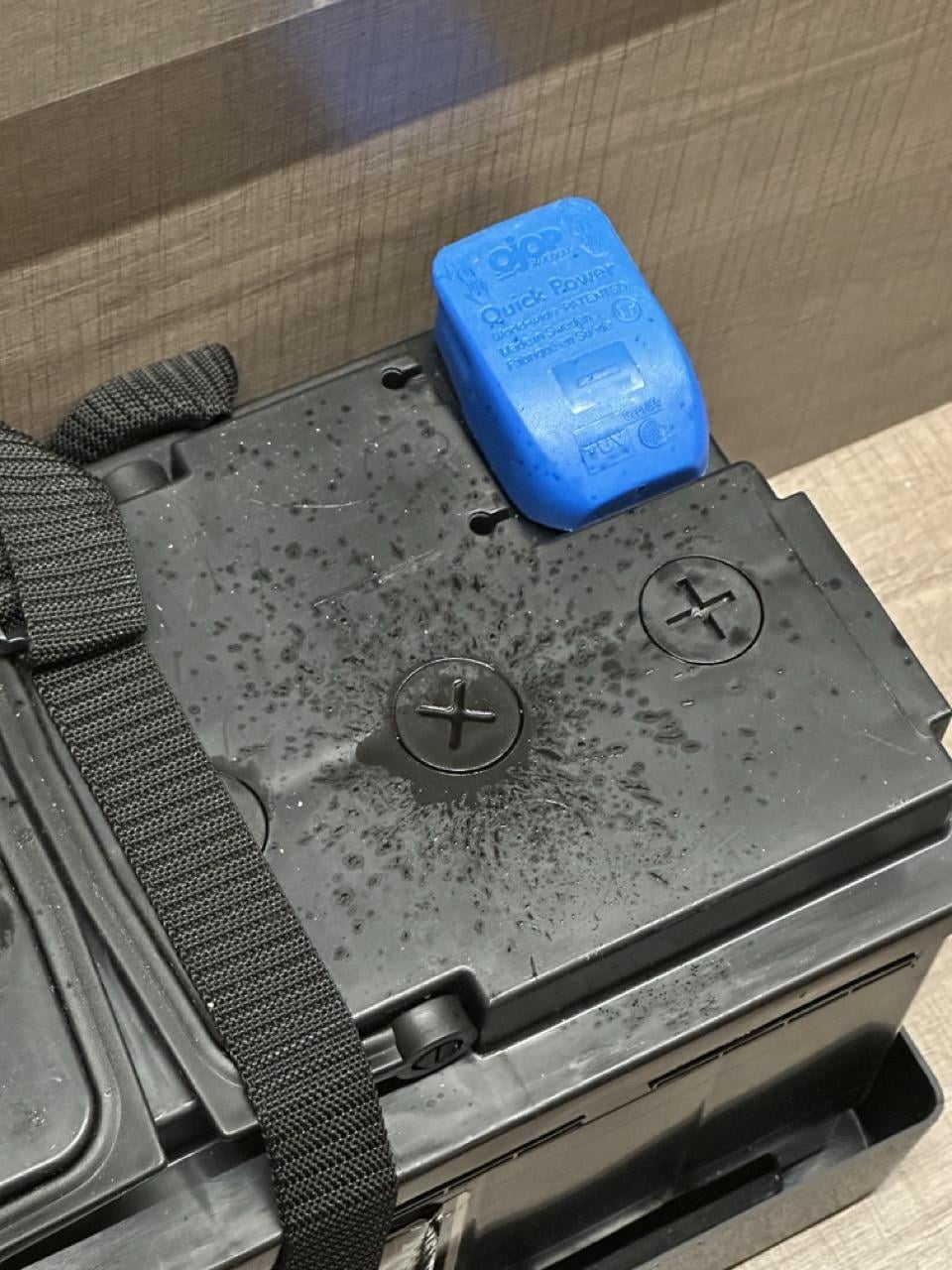
Battery leakage is another common cause of the rotten egg smell. When a battery leaks, sulfuric acid can escape and mix with other components under the hood. This mixture releases sulfur gas, producing that distinctive odor. If you see corrosion or liquid around your battery, it’s time to take action.
Consider inspecting your battery for cracks or damage. A leaking battery is not only smelly but dangerous. It’s a good idea to wear protective gloves and goggles if you decide to check it yourself. Have you ever noticed a puddle under your car? It might be more than just water.
Internal Short Circuits
Internal short circuits within the battery can also lead to the rotten egg smell. This occurs when the battery’s internal plates touch each other, causing a reaction that releases sulfur gas. If your battery is old or has been exposed to extreme conditions, this could be the problem.
Think about the age of your battery. Has it been through harsh winters or scorching summers? These conditions can accelerate internal damage. A simple test with a multimeter can often reveal if your battery is short-circuiting. Are you ready to test your battery’s health?
Each of these issues could be causing that unpleasant smell, but with a little investigation, you can pinpoint the problem. Don’t ignore the signs your battery is giving you. Taking action now can save you from bigger headaches down the road. Have you experienced any of these issues before? Share your story in the comments!
Credit: www.autotechiq.com
Impact Of Sulfur Dioxide
Have you noticed a foul odor coming from your car battery? That smell of rotten eggs often indicates the presence of sulfur dioxide. This can be an alarming sign. Sulfur dioxide is a byproduct of battery malfunction. It occurs when battery acid gets too hot. Understanding its impact is crucial for your safety.
Health Hazards
Sulfur dioxide poses serious health risks. Inhaling it can irritate your lungs. You may experience coughing or shortness of breath. Prolonged exposure can worsen respiratory conditions. People with asthma should be extra cautious. It can trigger severe asthma attacks. Even short exposure can cause discomfort.
Environmental Concerns
Sulfur dioxide affects the environment negatively. It contributes to air pollution. This chemical harms plants and trees. It can damage ecosystems over time. Sulfur dioxide also leads to acid rain. This type of rain alters soil chemistry. It affects water sources and wildlife habitats.
Diagnosing Battery Problems
Dealing with a car battery that smells like rotten eggs can be alarming. This smell often indicates a serious battery problem. Diagnosing battery issues early can prevent further damage. It also ensures your safety and prolongs your car’s life. Below are some ways to diagnose battery problems efficiently.
Visual Inspection Tips
Start with a visual inspection. Check for corrosion on the battery terminals. Corrosion appears as white or bluish powder. Look for any bulging or swelling on the battery case. This suggests internal damage. Ensure the battery cables are tightly connected. Loose cables can cause electrical issues. Examine the battery for any cracks or leaks. Leaks can emit a sulfurous smell. Always wear gloves and safety glasses during inspection.
Using Diagnostic Tools
Diagnostic tools can help pinpoint battery issues. Use a multimeter to check the battery voltage. A healthy battery should read around 12.6 volts. Anything below 12 volts indicates a weak battery. Test the battery under load using a load tester. This simulates the battery’s performance in real conditions. Connect the tester and apply the load for about 10 seconds. Monitor the voltage drop. A significant drop suggests a failing battery. Many auto parts stores offer free battery testing services. This can be an easy way to diagnose problems without buying tools.
Credit: www.autotechiq.com
Preventive Measures
Preventive measures can save your car battery from smelling like rotten eggs. This smell often indicates a battery issue. By taking some simple steps, you can avoid this unpleasant problem. Regular maintenance and safe charging practices are key. Let’s explore these preventive measures.
Regular Maintenance
Regular maintenance keeps your car battery in good condition. Start by inspecting the battery terminals. Clean them regularly to prevent corrosion. Corroded terminals can cause bad smells. Also, check the battery case for any cracks. A cracked case can leak harmful gases. Always make sure the battery is securely mounted. A loose battery can lead to damage.
Keep an eye on the battery water levels. Low water levels can cause overheating. Overheating can produce a rotten egg smell. Use distilled water to top it up. Avoid overfilling. Regular maintenance can extend battery life and prevent issues.
Safe Charging Practices
Safe charging practices are crucial for battery health. Overcharging can lead to sulfur gas emissions. These emissions smell like rotten eggs. Use a charger with an automatic shut-off feature. It prevents overcharging.
Ensure your charger matches your battery type. Using the wrong charger can damage the battery. Charge the battery in a well-ventilated area. This reduces the risk of gas buildup. Never charge a frozen battery. It can explode. Following safe charging practices protects your battery and your car.
When To Seek Professional Help
A rotten egg smell from your car battery signals trouble. This odor often means a leaking battery, releasing sulfuric acid fumes. Seek professional help immediately to prevent damage and ensure safety.
When your car battery emits a rotten egg smell, it’s a warning sign. This odor often indicates a sulfuric acid leak. Such issues can escalate quickly. Knowing when to seek professional help is crucial. Early intervention can save you from costly repairs. It also ensures your safety on the road.
Signs Of Severe Damage
A persistent rotten egg smell suggests severe battery damage. This may result from overcharging or a short circuit. You might notice the battery case is swollen or cracked. These are signs of dangerous gas buildup. Your car may also struggle to start. Dim headlights can indicate battery issues. If your dashboard shows a warning light, act fast.
Choosing A Reliable Technician
Selecting a skilled technician is vital for battery issues. Look for professionals with good reviews. Ask friends or family for recommendations. Check if the technician is certified. Certification ensures they have the right skills. Visit the workshop to gauge their professionalism. A clean and organized workshop often reflects good service. Discuss your car’s symptoms clearly with the technician. This helps them diagnose the problem accurately.
Exploring Battery Replacement Options
Has your car battery ever smelled like rotten eggs? It’s a sign that you might need a replacement. But before you rush to the nearest auto shop, it’s important to know your options. Choosing the right battery can save you money and ensure your car runs smoothly. This section breaks down the types of car batteries available and what you should consider when budgeting for a new one.
Types Of Car Batteries
Not all car batteries are created equal. You have several types to choose from, each with its own advantages.
- Lead-Acid Batteries:These are the most common and affordable. They’re reliable but require regular maintenance.
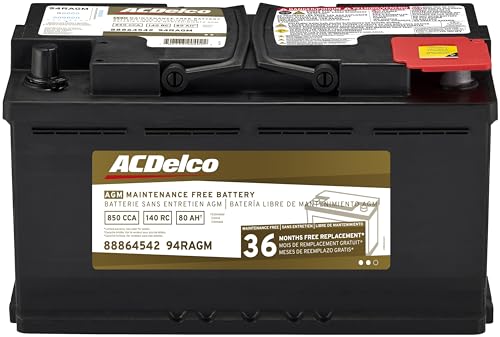
- AGM Batteries:Absorbent Glass Mat batteries are known for their durability and long lifespan. They might cost more upfront but offer better performance.
- Lithium-Ion Batteries:These are lighter and often used in electric vehicles. They can be pricey but provide excellent efficiency.
Think about your driving habits. Do you often drive short distances or leave your car unused for long periods? AGM batteries might be the best fit for you. If you’re driving an electric vehicle, lithium-ion is your go-to.
Cost Considerations
Budget is crucial when replacing your car battery. You don’t want to overspend, but you also need reliability.
Lead-acid batteries are usually the cheapest option, often ranging from $50 to $150. However, their maintenance can add to the cost over time.
AGM batteries might cost between $100 to $300. They offer great value due to their longevity and minimal maintenance.
Lithium-ion batteries can be the most expensive, sometimes exceeding $500. But their efficiency might save you on fuel costs.
Consider the long-term savings versus the initial price. A more expensive battery might save you money on maintenance and provide peace of mind.
Are you willing to invest more upfront for less hassle later? It’s worth considering the total cost of ownership rather than just the price tag.
Don’t let a smelly battery catch you off guard. Equip yourself with the knowledge to make the best decision for your car and wallet. What type of battery suits your needs? The choice is yours, and it might be easier than you think.
Frequently Asked Questions
What Do You Do When Your Battery Smells Like Rotten Eggs?
A rotten egg smell indicates battery sulfuric acid leakage. Immediately ventilate the area and avoid contact. Disconnect the battery and consult a professional for assessment or replacement. Do not attempt repairs yourself, as it can be dangerous. Dispose of damaged batteries according to local regulations to prevent environmental harm.
Is It Safe To Drive A Car That Smells Like Rotten Eggs?
Driving a car with a rotten egg smell indicates a potential catalytic converter issue. It’s not safe to ignore. This odor could signal harmful gas leaks or exhaust system problems. Address the issue promptly to prevent further damage and ensure safety.
Consult a mechanic immediately for an inspection.
What Does A Dying Car Battery Smell Like?
A dying car battery often emits a strong, rotten egg smell due to sulfuric acid leakage. This odor indicates potential battery failure and should prompt immediate inspection. Ensuring timely maintenance can prevent further damage and ensure optimal vehicle performance. Regular checks can help identify such issues early on.
Does A Bad Alternator Smell Like Rotten Eggs?
A bad alternator can cause a rotten egg smell. This results from a leaking battery releasing sulfur gas. Regular checks help identify alternator issues early.
Conclusion
A rotten egg smell from your car battery signals trouble. It’s likely due to sulfuric acid leaks or overcharging. Both can harm your car and its battery. Address these issues promptly to avoid costly repairs. Regular battery checks help catch problems early.
Don’t ignore the smell. It could save you time and money. A healthy battery keeps your car running smoothly. Stay alert and proactive. Your car’s battery is crucial for reliable performance. Pay attention to strange odors. They’re your car’s way of asking for help.
Take action now for peace of mind.

Ethan Montgomery is the administrator of carweldhub.com and an expert in the automotive industry. With hands-on experience in welding and a deep understanding of automotive parts and accessories, Ethan brings a wealth of practical knowledge to his work. His passion for the automotive field extends to blog writing and editing, where he shares valuable insights and tips with enthusiasts and professionals alike. Whether you’re looking for detailed technical advice or the latest trends in automotive technology, Ethan’s expertise makes him a trusted resource in the automotive community.