Does Seafoam Clean Fuel Injectors: Myth or Miracle?
Imagine cruising down the highway, windows down, music playing, and suddenly, your car begins to sputter. It’s frustrating, isn’t it?
As a car owner, you may have experienced this, blaming everything from bad gas to mechanical issues. But what if the real culprit is dirty fuel injectors? You might have heard of Seafoam as a solution, promising to clean those injectors and restore your vehicle’s performance.
Does it really work? If you’ve ever wondered whether Seafoam can truly clean fuel injectors or if it’s just another automotive myth, you’re in the right place. This article will demystify Seafoam’s capabilities, explain how it interacts with your engine, and help you decide if it’s the magic potion your car needs. Dive in to discover the truth behind Seafoam and fuel injectors. Your car’s health—and your peace of mind—might depend on it.
Credit: seafoami.com
Seafoam’s Composition
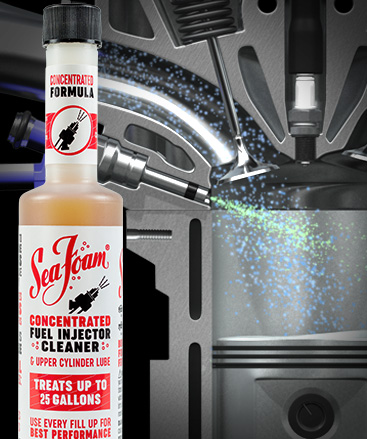
Seafoam is a popular fuel additive known for cleaning fuel injectors. Understanding its composition helps us know how it works. This powerful formula has been trusted by many drivers. Let’s dive into the ingredients that make Seafoam effective.
1. Petroleum-Based Ingredients
Seafoam primarily consists of petroleum-based ingredients. These components dissolve build-up in fuel systems. They break down deposits, improving engine performance.
2. Isopropyl Alcohol
Isopropyl alcohol is another key ingredient. It acts as a solvent, helping to remove moisture. This prevents corrosion and keeps the fuel system clean.
3. Pale Oil
Pale oil is a light mineral oil found in Seafoam. It lubricates the engine parts. This reduces friction and wear, extending engine life.
4. Non-Abrasive Formula
Seafoam’s non-abrasive formula ensures safe cleaning. It doesn’t damage delicate engine components. Users can trust it to maintain engine health.
5. Environmentally Friendly
Seafoam is designed with the environment in mind. Its formula minimizes harmful emissions. This makes it a responsible choice for eco-conscious drivers.

Credit: www.youtube.com
Fuel Injector Functionality
Fuel injectors play a crucial role in engine efficiency. They deliver precise fuel amounts to the engine’s combustion chamber. This ensures optimal performance and fuel economy. Understanding their function helps in maintaining your vehicle’s health.
Role In Engine Performance
Fuel injectors regulate fuel delivery to the engine. Proper fuel atomization leads to efficient combustion. This results in smooth acceleration and engine power. Clean injectors contribute to better mileage. They minimize emissions and enhance engine responsiveness.
Common Issues
Fuel injectors can clog over time. Dirt and deposits affect their performance. Clogged injectors lead to poor fuel atomization. This causes reduced engine power and efficiency. Misfires and rough idling are common symptoms. Regular cleaning prevents these problems.
Seafoam’s Claims
Seafoam claims to clean fuel injectors effectively, improving engine performance. This treatment dissolves carbon deposits, ensuring smoother operation. Users report noticeable changes in efficiency and power after using Seafoam.
Seafoam is a popular product for cleaning fuel injectors. Many drivers are curious about its effectiveness. Seafoam’s claims range from cleaning engines to improving fuel efficiency. Let’s explore these claims in detail.
Manufacturer Assertions
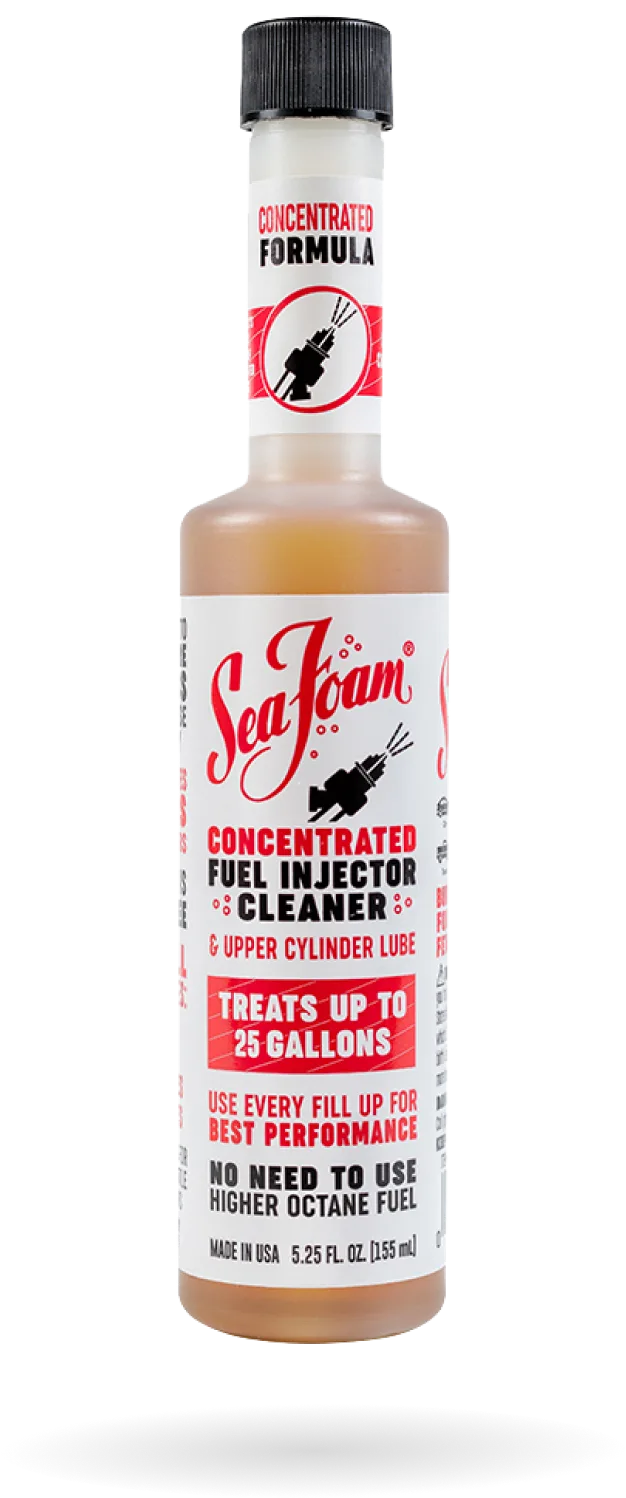
Seafoam asserts that their product cleans fuel injectors thoroughly. They claim it removes deposits that affect performance. Seafoam also states it stabilizes fuel and reduces engine noise. Their marketing highlights improved engine power. They emphasize ease of use for any vehicle. They assure customers of noticeable improvements after use. These promises attract many vehicle owners.
User Experiences
Users share varied experiences with Seafoam. Some report smoother engine performance. Others notice better fuel economy. Many users find it easy to apply. Some are skeptical about dramatic changes. Feedback often mentions cleaner fuel systems. Users appreciate the product’s affordability. Reviews highlight mixed results but mostly positive. Overall, many find Seafoam helpful for maintenance.
Credit: seafoamworks.com
Scientific Evidence
Many car owners use Seafoam to clean fuel injectors. But does it really work? To answer this, we need scientific evidence. Experts and studies can shed light on Seafoam’s effectiveness.
Studies And Research
Researchers have conducted various studies on fuel additives. Some studies focus on Seafoam’s impact on fuel injectors. Tests often measure engine performance and emissions. Results show mixed outcomes. Some studies report cleaner injectors and improved efficiency. Others find little difference after use.
Laboratory tests provide more insight. Controlled environments allow precise measurements. Seafoam is often tested for deposits removal. In some trials, injectors show reduced clogging. These tests highlight Seafoam’s potential benefits. Yet, not all studies agree on its effectiveness.
Expert Opinions
Many automotive experts share their views on Seafoam. Some mechanics praise its cleaning ability. They report smoother engine runs post-application. Experienced technicians often recommend it for preventive care. Yet, other experts remain skeptical. They question the extent of its benefits.
Engineers also provide insights. Some highlight its chemical composition. Seafoam contains ingredients known for cleaning properties. Yet, effectiveness varies by engine type and condition. Experts stress the importance of regular maintenance. Seafoam can be part of a broader care routine.
Mechanics’ Insights
Seafoam is a popular choice for cleaning fuel injectors. Many mechanics have firsthand experience with its effectiveness. Their insights provide valuable knowledge for car owners curious about fuel system maintenance. Mechanics understand the intricacies of engine performance. They often recommend solutions based on years of practical experience.
Professional Experiences
Mechanics often see improved engine performance after using Seafoam. Many report smoother idling and enhanced fuel efficiency. Seafoam helps break down carbon deposits in injectors. This leads to better fuel atomization. Mechanics have shared cases where stubborn engine issues resolved post-treatment. They trust Seafoam for its consistent results. It has been a staple in many workshops.
Common Practices
Mechanics often use Seafoam during regular maintenance checks. They add it directly into the fuel tank. This method cleans injectors while the engine runs. It’s a simple yet effective procedure. Mechanics also sometimes use it in the intake manifold. This clears out build-up in the engine’s upper parts. Many mechanics recommend using Seafoam every few thousand miles. This keeps the fuel system in top shape.
Alternatives To Seafoam
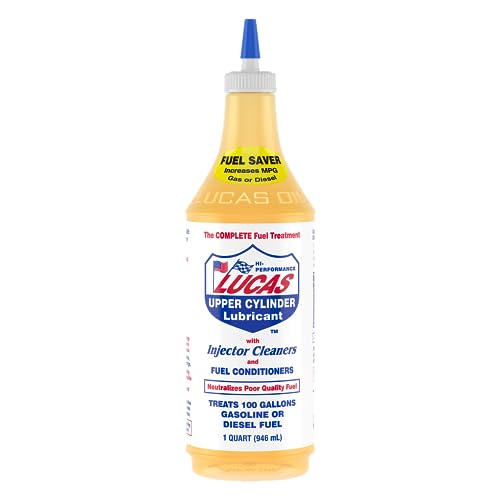
Many ask if Seafoam effectively cleans fuel injectors. Some alternatives include Lucas Fuel Treatment and Techron Concentrate Plus. These products can also help maintain engine performance and efficiency.
When it comes to maintaining your vehicle’s performance, keeping the fuel injectors clean is crucial. While many people swear by Seafoam for this task, there are several alternatives worth considering. Whether you’re looking to save a few bucks or experiment with different options, exploring these alternatives can be enlightening. Let’s dive into some other cleaning products and DIY methods that may work just as well.
Other Cleaning Products
Many products on the market can effectively clean your fuel injectors. Chevron Techron is one such product known for its ability to clean and protect your engine. It helps remove deposits and improve combustion, which can lead to better fuel efficiency. Lucas Fuel Treatment is another contender. It promises to lubricate the fuel system and neutralize harmful effects from low-sulfur diesel fuel. Many users report noticeable improvements in engine performance and smoother idling. Don’t overlook Royal Purple Max-Clean. It claims to improve fuel economy by an average of 3.2% and reduce hydrocarbon, NOx, and CO emissions. With user testimonials backing its effectiveness, it’s a worthy choice for those seeking alternatives.
Diy Methods
For the hands-on types, several DIY methods can potentially clean your fuel injectors. A popular approach is using a mixture of acetone and ATF (automatic transmission fluid). This concoction can dissolve gum and varnish in your fuel lines. However, use it with caution, as improper proportions might harm your engine. Another DIY method is to run a tank of premium gasoline. High-octane fuel often contains more detergents that can help clean the injectors.
While not as potent as dedicated cleaners, it’s a simple and low-effort way to maintain injector health. Have you tried apple cider vinegar as a cleaning agent? Some car enthusiasts use it as a natural solvent to dissolve minor build-up. While this method may not be mainstream, it’s an interesting eco-friendly option to consider. When evaluating alternatives, ask yourself: What do you value more—convenience, cost, or eco-friendliness? The choice you make can significantly impact your car’s performance.
Cost-benefit Analysis
Seafoam can clean fuel injectors by dissolving deposits that clog them. Its formula targets carbon buildup, enhancing engine performance. Regular use may improve fuel efficiency and reduce emissions, making it a cost-effective choice for maintenance.
Understanding the cost-benefit analysis of using Seafoam to clean fuel injectors can help you make an informed decision. You want to ensure that the investment not only fits your budget but also delivers the performance improvements you seek. Let’s break down the cost and benefits so you can decide if Seafoam is the right choice for your vehicle.
Price Comparison
When evaluating Seafoam, consider its price compared to other fuel injector cleaners. A can of Seafoam typically costs around $8 to $12, which is reasonably affordable. Other brands, like Lucas or Chevron Techron, may be priced similarly, giving you a variety of options within the same budget range.
To make a fair comparison, look at the volume each product offers. Seafoam often comes in a 16-ounce can, while some competitors offer different sizes. Calculate the cost per ounce to get a clearer picture of what you’re actually paying for. Don’t forget to consider how often you plan to use it. Frequent use might increase the overall cost, but it can also lead to better maintenance of your fuel system.
Performance Evaluation
You might wonder if the benefits of Seafoam justify its cost. Users often report smoother engine performance and improved fuel efficiency after using it. These improvements can lead to long-term savings on fuel, which adds to its value. A personal story: I tried Seafoam in my aging sedan and noticed a significant reduction in engine noise. The initial investment seemed justified as it felt like driving a newer car without the hefty price tag.
However, not all experiences are the same. Some users might not notice immediate changes, raising the question of whether frequent use is necessary to see benefits. Would you be willing to try it multiple times to evaluate its effectiveness? Think about what performance improvements are most important to you. Is it worth the investment for a quieter ride or better fuel economy? Only you can answer these questions based on your vehicle’s needs and your personal preferences.
Environmental Impact
When you think about cleaning fuel injectors, the environmental impact might not be your first concern. Yet, considering how products like Seafoam affect the planet is crucial. As car enthusiasts or everyday drivers, our choices can contribute to a cleaner world. Does using Seafoam align with eco-friendly practices? Let’s explore this further.
Eco-friendly Considerations
Seafoam boasts natural ingredients like petroleum-based compounds, which sound harmless. However, every product leaves a footprint. Have you ever wondered how these compounds interact with the environment once they leave your engine?
While Seafoam is designed to keep engines clean, it’s worth questioning if its use is sustainable. Are you making an eco-friendly choice, or just solving a short-term problem?
Think about the waste it generates and how it affects air quality. Is there a cleaner alternative you can consider?
Long-term Effects
Using Seafoam regularly might improve your car’s performance, but what about the environment? Consider how consistent use could impact air pollution levels over time.
Imagine driving a car that runs efficiently and releases fewer emissions. Seafoam aims for this but does it deliver in the long run? Are you ensuring better air quality by using it, or just maintaining your engine?
Reflect on how these products contribute to your carbon footprint. Can you balance engine health with environmental responsibility?
Ultimately, your choice matters. Every small decision adds up to a larger impact. Are you ready to make a change that benefits both your vehicle and the planet?
Frequently Asked Questions
How Long Does It Take For Sea Foam To Clean Injectors?
Sea Foam typically cleans fuel injectors in about 30 minutes. Add it to the fuel tank, then drive. It works while the engine runs, dissolving deposits and improving performance. Regular use ensures optimal injector cleanliness and efficiency.
What Is The Best Cleaner To Clean Fuel Injectors?
Sea Foam SF-16 is highly recommended for cleaning fuel injectors. It effectively removes deposits and improves engine performance. This cleaner is user-friendly and compatible with gasoline and diesel engines. Always follow the manufacturer’s instructions for best results.
Will Sea Foam Clean A Clogged Fuel Injector?
Sea Foam can help clean and maintain fuel injectors. It dissolves deposits and improves injector performance. Regular use may prevent clogs. For severe clogs, professional cleaning might be necessary. Always follow product instructions for best results.
How Well Does Sea Foam Fuel Injector Cleaner Work?
Sea Foam fuel injector cleaner effectively removes deposits, improving engine performance and fuel efficiency. Users report smoother idling and enhanced acceleration. This cleaner is easy to use and works quickly, making it a popular choice among car owners for maintaining optimal engine health and prolonging vehicle lifespan.
Conclusion
Seafoam can help clean fuel injectors. It is easy to use. Many people find it effective for their vehicles. Regular maintenance is important for engine health. Clean fuel injectors improve engine performance. Seafoam is a popular choice for many drivers.
It can reduce engine problems and boost efficiency. Consider trying Seafoam if your engine seems sluggish. Always follow the instructions on the label. This ensures the best results. Remember, a well-maintained engine lasts longer. Keeping your fuel system clean is a good habit.
It saves money on repairs in the long run.

Ethan Montgomery is the administrator of carweldhub.com and an expert in the automotive industry. With hands-on experience in welding and a deep understanding of automotive parts and accessories, Ethan brings a wealth of practical knowledge to his work. His passion for the automotive field extends to blog writing and editing, where he shares valuable insights and tips with enthusiasts and professionals alike. Whether you’re looking for detailed technical advice or the latest trends in automotive technology, Ethan’s expertise makes him a trusted resource in the automotive community.