How Long to Run Car After Jumping Battery: Expert Advice
Your car battery is dead, and you’re stuck. After a quick jumpstart, you’re back on the road, but a nagging question remains: how long should you keep your car running to make sure the battery is fully charged?
This isn’t just about getting your car going again—it’s about ensuring that your battery won’t leave you stranded in the future. Understanding how long to run your car after jumping the battery is crucial for the longevity of your vehicle and your peace of mind.
Keep reading to discover the ideal runtime and learn why it matters for your car’s health and your wallet. You won’t want to miss these essential tips that could save you from unnecessary headaches and expenses.
Immediate Steps After Jumpstart
Start the engine for at least 30 minutes. This helps recharge the battery. Drive at a steady speed. Avoid frequent stops to ensure the alternator efficiently charges the battery. Regular driving helps maintain battery health.
Jumpstarting your car can be a lifesaver, especially when you’re stuck in a parking lot with a dead battery. But what happens next? It’s crucial to know the immediate steps after jumpstarting to ensure your car runs smoothly and your battery stays healthy. These steps are simple yet essential to prevent further issues.Safety Precautions
Before you celebrate, consider safety first. Ensure your jumper cables are disconnected properly. Avoid touching the metal parts of the cables while they are still connected, as this can be dangerous. Keep a safe distance from the engine. Your car might have been sitting idle, and sudden movement could surprise you. Always wear gloves if possible. This small step can protect your hands from any electrical shocks or burns.Checking Battery Condition
After jumpstarting, it’s important to check your battery’s condition. Is the battery old or new? If it’s showing signs of wear, such as corrosion or leakage, it might be time for a replacement. Look for any warning lights on your dashboard. These can indicate battery issues that need immediate attention. Try using a battery tester. It’s a handy tool that can help determine if your battery is holding charge properly. Why not take a moment to inspect the battery cables for any damage? Frayed or worn cables can affect performance and should be replaced if necessary. Now, as you drive, pay attention to any unusual sounds or dashboard signals. These are often the first indicators that something might not be right. Taking these steps can ensure your car runs efficiently after a jumpstart. Remember, a little attention can save you from bigger problems down the road.
Credit: swiftbatteryspecialist.sg
Optimal Running Time
Jump-starting a car often involves uncertainty about how long to keep it running. After the jump, ensuring the battery gets adequate charge is crucial. This prevents further stalls and guarantees your car remains reliable. Understanding the optimal running time helps maintain battery health and ensures smooth driving.
Minimum Duration
After a jump-start, run the car for at least 20 minutes. This duration is vital for charging the battery adequately. Short drives may not provide enough power, risking another breakdown. The alternator charges the battery during this period.
Extended Driving
Consider driving longer distances after the jump-start. Extended driving helps the battery regain full charge. Aim for a 30-minute drive or longer. This ensures the battery reaches optimal charge levels. Extended driving also helps detect any lingering issues. It allows the alternator to perform efficiently.
Factors Affecting Battery Recharge
After jump-starting a car, understanding factors affecting battery recharge is vital. These elements determine how long to run the car post-jumpstart. It’s not just about getting the engine running again. Efficient battery recharge ensures reliable vehicle performance. Let’s explore these factors to ensure your battery charges effectively.
Alternator Efficiency
The alternator plays a crucial role in battery recharge. It converts mechanical energy into electrical energy. Efficient alternators recharge batteries quickly. A malfunctioning alternator can delay battery recovery. Regular maintenance keeps the alternator functioning optimally. Check for worn belts or faulty connections to maintain efficiency.
Battery Age And Health
Old batteries recharge slower than new ones. Over time, battery cells degrade. A healthy battery recharges quickly after a jumpstart. Regular checks ensure your battery remains healthy. Look for signs like slow engine starts or dim headlights. These may indicate a weak battery.
Weather Conditions
Weather impacts battery recharge significantly. Cold temperatures slow down battery charging. Batteries perform better in mild conditions. Extreme heat can also affect battery efficiency. It’s important to consider the weather when recharging. Ensure your car runs longer in cold weather to fully recharge.
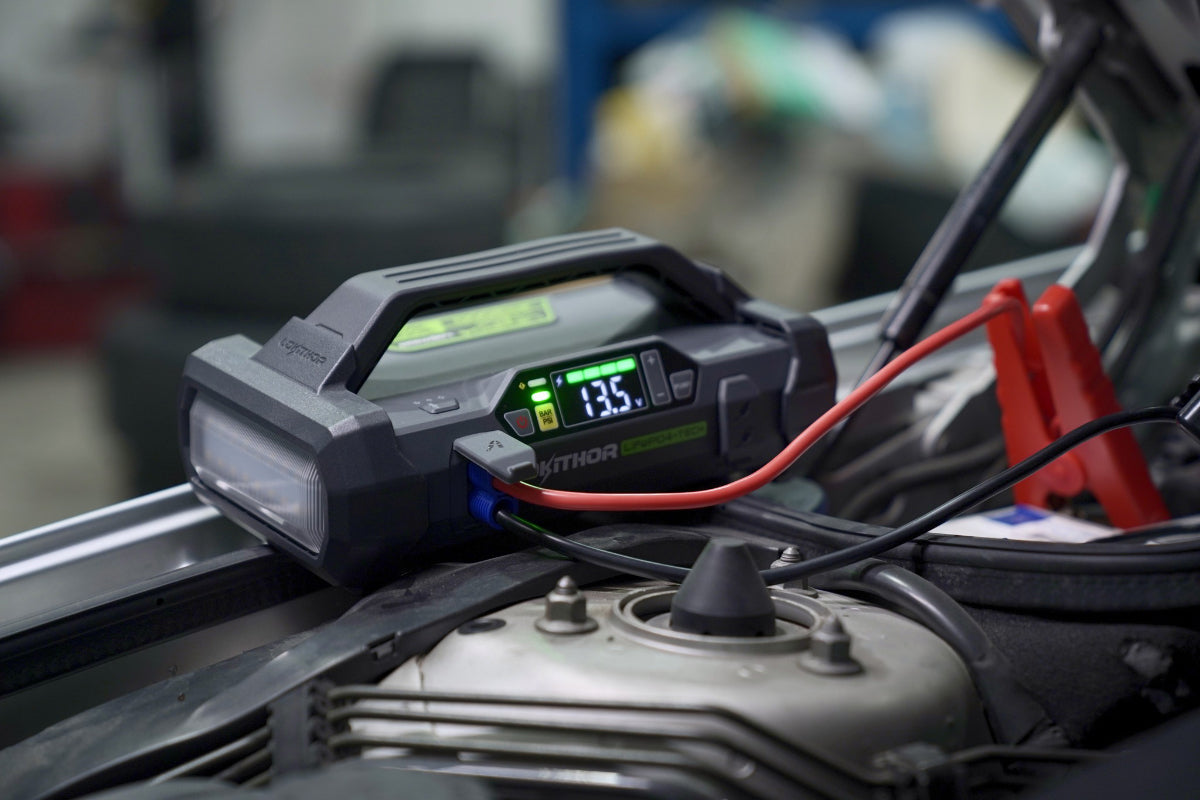
Credit: www.lokithorshop.com
Signs Of Insufficient Battery Charge
Understanding the signs of an insufficient battery charge can save you time and effort. Knowing these signs helps avoid future battery troubles. It also ensures your car runs smoothly after a jump start.
Dashboard Warning Lights
Dashboard warning lights are among the first indicators. They alert you to potential issues. If you see a battery light or any other warning, act promptly. This light suggests the battery might not be charging effectively.
Dimming Headlights
Dimming headlights signal a weak battery. If your headlights appear less bright than usual, it may indicate insufficient charge. This can affect your night driving safety. Address this sign quickly to ensure visibility and safety.
Slow Engine Crank
A slow engine crank is another clear sign. When starting the car, if the engine cranks sluggishly, it might mean a weak battery. This can lead to starting issues over time. Regularly check your battery health to avoid these problems.
Maintaining Battery Health
Running your car for at least 30 minutes after jump-starting helps recharge the battery efficiently. This period allows the alternator to supply enough power, ensuring the battery regains its optimal charge. Regular maintenance and keeping connections clean can prolong battery life.
Maintaining a car battery’s health is crucial for avoiding the hassle of jump-starting your vehicle repeatedly. A healthy battery not only saves you time but also extends the lifespan of your vehicle’s electrical system. You might wonder, is there a secret to prolonging battery life? Well, it starts with understanding how to properly maintain it. Below, we explore some essential tips to keep your car battery in top shape.Regular Maintenance Tips
Regular checks can make a big difference in battery health. Ensure the battery terminals are clean and free from corrosion. A simple mix of baking soda and water can help clean the terminals effectively. Inspecting for any wear and tear can prevent unexpected breakdowns. Have you noticed dim headlights? It might be a sign your battery is losing charge.Using Battery Chargers
A battery charger can be your best friend in maintaining battery life. Trickle chargers are excellent for keeping the battery charged without overcharging it. They’re especially useful if your car is parked for long periods. Imagine having a charger that gives your battery the exact amount it needs—no more, no less. Smart chargers can even adjust the charge based on the battery’s condition.Avoiding Frequent Jumpstarts
Jump-starting should be a rare occurrence, not a regular habit. Frequent jumpstarts can strain your battery and electrical system. Think about the stress you feel when rushed—your battery feels the same. If you’re jump-starting more than twice a month, it’s time to evaluate your battery’s health. Ask yourself, is it time for a replacement or just better maintenance? Maintaining your car battery is more than just ensuring it starts your car; it’s about caring for it like a vital part of your vehicle. What steps will you take today to ensure your battery lives a long, healthy life?Consulting A Professional
Consulting a professional ensures your car runs optimally after jumping the battery. Experts recommend running the engine for 30 minutes. This helps recharge the battery effectively and prevents future issues.
Jump-starting a car can be a lifeline, but it also raises questions about what comes next. One common concern is how long you should run your car after jumping the battery. While some people might feel confident handling car issues independently, consulting a professional can save you time and prevent future headaches. Seeking expert advice ensures you’re not just treating symptoms but addressing the root cause of battery problems.When To Seek Help
You might wonder when it’s the right time to consult a professional. If your car struggles to start even after a jump, it’s a clear sign to seek help. Repeated issues could indicate a deeper problem, such as a failing alternator or a battery that’s unable to hold a charge. Have you noticed unusual noises or dashboard warnings? These are red flags that shouldn’t be ignored. Addressing these signs promptly can prevent more costly repairs down the line.Choosing A Qualified Mechanic
Finding the right mechanic is crucial. A qualified professional will have the necessary tools and knowledge to diagnose battery issues accurately. You want someone who can explain the problem in simple terms without overwhelming you with jargon. Check for certifications and customer reviews when selecting a mechanic. A personal recommendation can also be invaluable. Do you prefer a local garage or a dealership? Each option has its pros and cons, such as cost and availability of specialized equipment. Weigh these factors carefully to make the best choice for your situation. Remember the time I had a persistent battery issue? I saved myself a lot of trouble by choosing a mechanic who pinpointed the problem quickly. Sometimes, expert insight is the smartest investment you can make in your vehicle’s health.
Credit: www.facebook.com
Frequently Asked Questions
How Long Should A Car Run After Jumping The Battery?
Run the car for at least 30 minutes after jumping the battery. This helps recharge the battery properly. Ensure the vehicle’s alternator is functioning well to maintain the charge. Regular drives can prevent future battery issues. Check for battery health if problems persist.
Will A Dead Battery Keep Working After Being Jumped?
A dead battery may work temporarily after being jumped, but it won’t hold a charge for long. Replace or recharge the battery for reliable performance. Regular maintenance can prevent battery issues, ensuring your car starts smoothly every time. Always check battery health for optimal vehicle function.
How Long Do You Need To Drive A Car With A Dead Battery?
Driving won’t recharge a dead battery. Jump-start the car, then drive for at least 30 minutes. This helps the alternator recharge the battery, but a replacement might be needed if it doesn’t hold a charge. Consider checking the battery and electrical system for issues.
How Long To Leave A Car Running When The Battery Dies?
Run the car for at least 30 minutes to recharge a dead battery. Use a battery charger for faster results. Avoid frequent short runs to ensure proper charging. Regular maintenance helps prevent battery issues.
Conclusion
Running your car after a jumpstart charges the battery. Drive for 30 minutes. This allows the alternator to recharge the battery properly. Short trips might not be enough. Ensure headlights and AC are off to conserve power. Regular maintenance helps prevent battery issues.
Check connections and clean terminals. Remember, a healthy battery means reliable starts. Always keep jumper cables in your car. They’re a helpful tool in emergencies. Stay prepared and aware of your car’s battery health. This ensures smooth and trouble-free driving every day.

Ethan Montgomery is the administrator of carweldhub.com and an expert in the automotive industry. With hands-on experience in welding and a deep understanding of automotive parts and accessories, Ethan brings a wealth of practical knowledge to his work. His passion for the automotive field extends to blog writing and editing, where he shares valuable insights and tips with enthusiasts and professionals alike. Whether you’re looking for detailed technical advice or the latest trends in automotive technology, Ethan’s expertise makes him a trusted resource in the automotive community.