Should I Replace My Car Battery before It Dies: Essential Tips
Is your car starting to show signs of a weak battery? You know the feeling—hesitant engine starts, dimming headlights, and that nagging worry every time you turn the key.
It’s easy to brush these off as minor inconveniences, but what if they’re warning signals you shouldn’t ignore? Your car battery might be on its last legs, and waiting until it completely dies could leave you stranded at the worst possible moment.
Imagine being late for an important meeting or stuck in an unfamiliar place, all because you didn’t take action sooner. By the end of this article, you’ll understand why replacing your car battery before it dies could save you time, stress, and even money. We’ll explore the signs your battery is waving its white flag and why proactive replacement is a smart move for your peace of mind. So, are you ready to ensure your car runs smoothly and reliably? Let’s dive in and uncover the best approach for your vehicle’s battery health.
Credit: www.cbac.com
Signs Of A Dying Car Battery
Recognizing signs of a dying car battery can save you trouble. A failing battery affects your car’s performance. Early detection helps avoid breakdowns. Watch for key indicators to maintain your vehicle’s health.
Slow Engine Crank
Does your engine take longer to start? This might be a warning sign. A slow engine crank shows the battery struggles to provide power. This issue usually occurs in the morning or in cold weather. If ignored, the battery may die completely.
Dim Headlights
Dim headlights are another sign of a weakening battery. Bright headlights are crucial for safe driving. Dimming lights indicate the battery can’t power electrical components properly. Check your headlights regularly to ensure they remain bright and steady.
Electrical Issues
Notice problems with your car’s electronics? A dying battery might be the cause. Power windows, radio, or dashboard lights may malfunction. These issues suggest the battery isn’t delivering enough power. Addressing these signs early prevents further complications.
Factors Affecting Battery Life
Wondering if you should replace your car battery before it dies? It’s a smart question, considering the hassle a dead battery can cause. Understanding the factors that affect battery life can help you make an informed decision. Here are some key elements to consider:
Climate Conditions
Did you know that your local weather can impact your battery’s lifespan? Extreme temperatures, both hot and cold, can drain your battery faster than you might expect. If you live in an area with harsh winters or blazing summers, your battery might be working overtime.
Think about how your car struggles to start on a freezing morning or how it feels after being parked in the scorching sun. Those are signs that your battery is feeling the pressure. Do you find yourself in such climates often?
Driving Habits
How often do you drive your car? Short, frequent trips can wear your battery down quicker than long, leisurely drives. Every time you start your car, you use up a bit of battery power. If your drives are short, your battery doesn’t get the chance to recharge fully.
Consider how much time your car spends parked versus being driven. Are you the weekend driver or the daily commuter? Your driving habits can tell a lot about how your battery is doing.
Battery Age
Just like any other part of your car, your battery has an age limit. Most batteries last about three to five years. Keep an eye on your battery’s age and performance. Has it been a while since your last replacement?
Think about how often you check your battery. If it’s over three years old, it might be time to consider a replacement. Are you ready to prevent a surprise breakdown?
By understanding these factors, you can better predict when your battery might need a replacement. Next time you’re thinking about your car’s health, remember how these elements play a role. Wouldn’t it be better to replace your battery before it decides to quit on you unexpectedly?
Benefits Of Early Replacement
Replacing your car battery before it dies has significant advantages. It’s not just about preventing inconvenience. Early replacement can enhance your driving experience and save money. Let’s explore these benefits.
Avoiding Stranded Situations
A dead battery can leave you stranded. Imagine being stuck in a parking lot or on the roadside. It’s frustrating and time-consuming. Replacing the battery early prevents these situations. You’ll drive with peace of mind, knowing your car will start when needed.
Enhanced Vehicle Performance
A weak battery affects vehicle performance. It can cause slow engine starts or affect electronics. Early replacement ensures smooth engine starts and reliable electronic functions. Your car’s systems work efficiently with a new battery.
Cost-effectiveness
Waiting for the battery to die can be costly. Emergency replacements often come with extra fees. Regular checks and timely replacements save money. You avoid unexpected expenses and ensure your budget stays balanced.
Testing Your Car Battery
Checking the health of your car battery can prevent unexpected breakdowns. A proactive replacement ensures reliable performance and avoids inconvenience. Regular testing helps determine if a battery is nearing the end of its life.
Testing your car battery is a smart way to avoid unexpected breakdowns. It’s not just about knowing if your battery will survive another winter; it’s about ensuring reliability every time you start your car. You might be wondering, how do you test your battery at home? Or should you leave it to the professionals? Let’s break down these options.Using A Multimeter
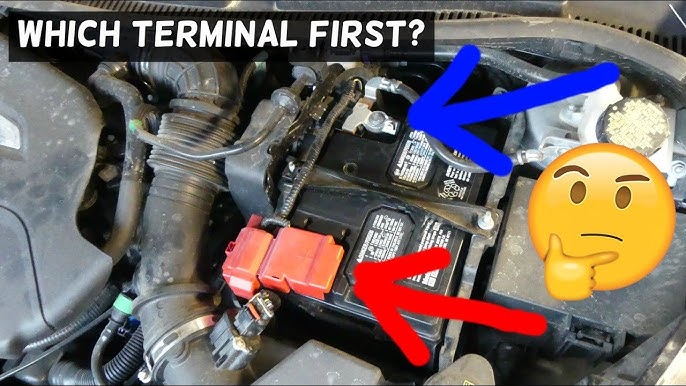
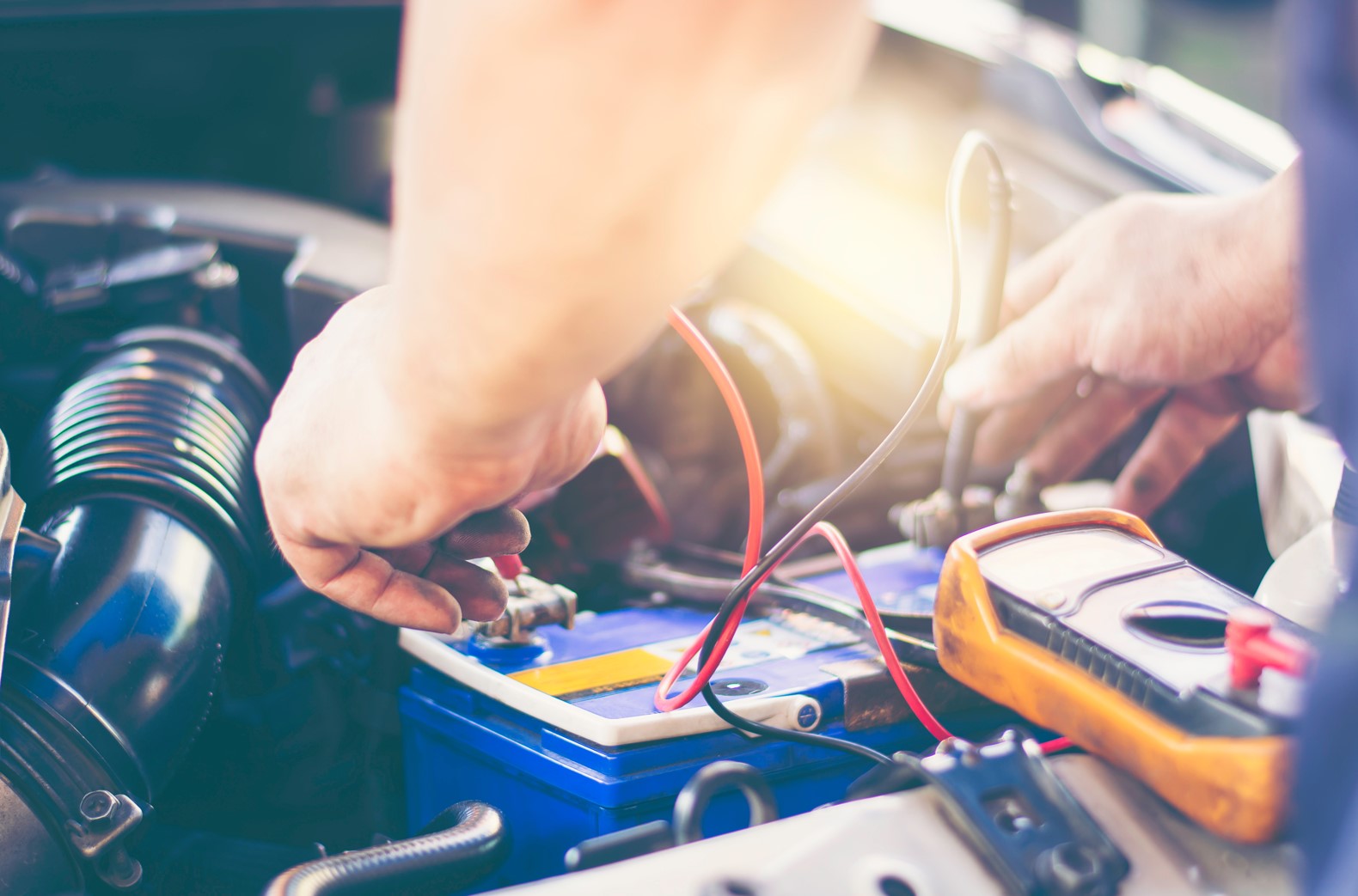
A multimeter is a handy tool for checking your battery’s voltage. You don’t need to be an electrician to use it. Simply set the multimeter to measure DC voltage. Connect the red lead to the positive terminal and the black lead to the negative terminal of your battery. A healthy battery typically reads around 12.6 volts or more. If it reads below 12.4 volts, it might be time for a replacement. Have you ever tested your battery and been surprised by the results?Professional Battery Testing
Sometimes, it’s best to have a professional take a look. They use advanced equipment to test not just the voltage but also the battery’s overall health. Professionals can conduct a load test, which simulates the battery’s performance under different conditions. This is something you can’t easily do at home. Have you ever had your battery tested professionally? Did you find out something unexpected about your car’s battery health? Testing your car battery regularly is a proactive step that can save you time and money. By knowing the condition of your battery, you can avoid those frustrating moments when your car won’t start. Do you think it’s worth it to test your battery before it dies?Choosing The Right Replacement Battery
Replacing your car battery before it dies ensures reliable performance and avoids unexpected breakdowns. Regularly checking your battery’s health helps identify when a replacement is needed. A proactive approach to battery maintenance can save time and prevent inconvenience on the road.
When your car battery starts showing signs of wear, it’s often a good idea to replace it before it leaves you stranded. Choosing the right replacement battery can feel overwhelming, but it doesn’t have to be. Knowing what to look for can save you time, money, and headaches. Whether you’re at the store or shopping online, understanding the essentials of battery size, type, warranty, and brand can make the decision much easier.Battery Size And Type
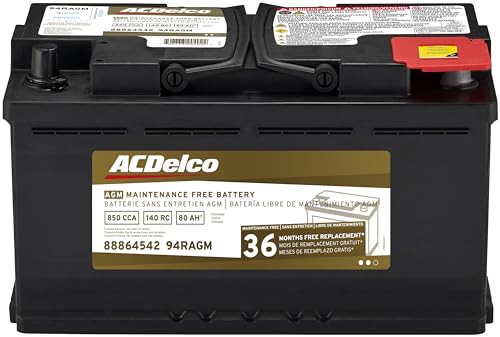
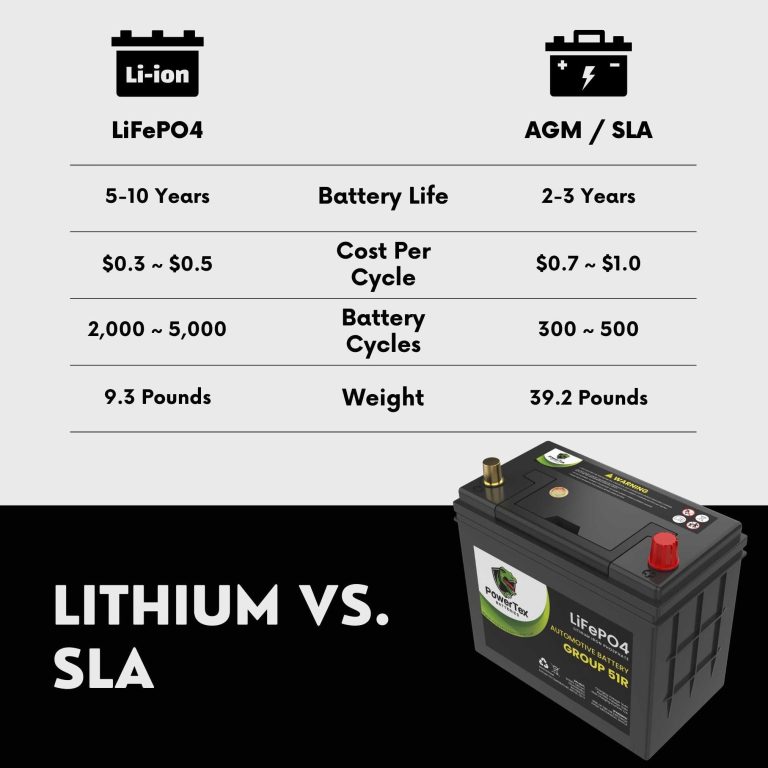
The size and type of your battery are crucial for ensuring it fits and functions properly in your vehicle. Check your car’s manual or the label on your current battery for the group size, which is a combination of the battery’s dimensions and terminal locations. Make sure you choose the right type, whether it’s a traditional lead-acid or a maintenance-free option. Picking the wrong size or type can lead to poor performance or even damage to your car.Checking Warranty And Brand
A good warranty can offer peace of mind. Look for a replacement battery with a strong warranty that covers you for several years. The warranty can be a lifesaver if the battery fails earlier than expected. You might have a favorite brand based on past experiences. Some brands are known for longevity, while others might offer better customer service. Consider what matters most to you when selecting a brand. Choosing the right replacement battery doesn’t have to be a daunting task. With the right information, you can make a choice that keeps your car running smoothly and reliably. Always ask questions and don’t hesitate to seek advice from trusted sources. Are you ready to make an informed decision that suits your needs?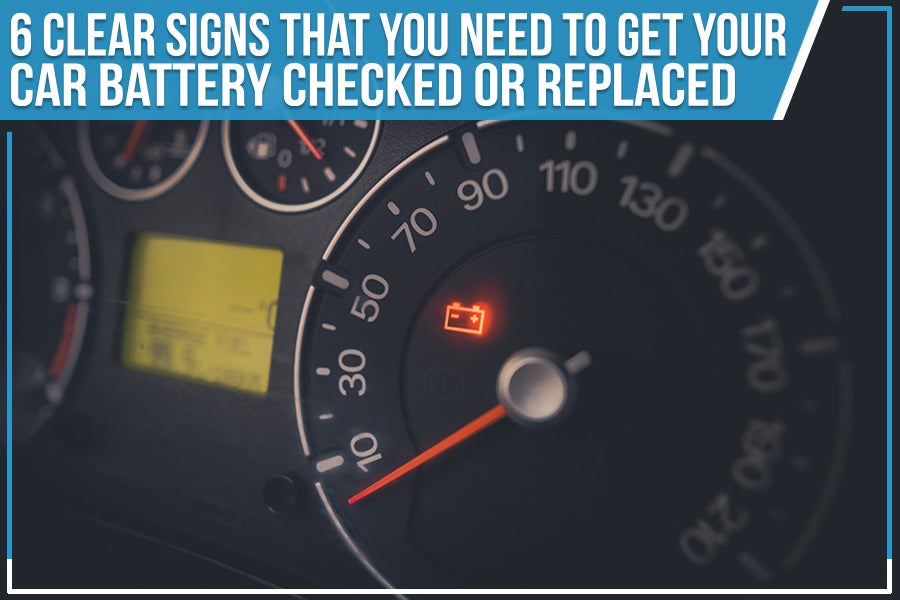
Credit: www.southgateford.net
Diy Replacement Vs Professional Help
Deciding between a DIY car battery replacement and seeking professional help can be challenging. Factors like cost, time, and skill level come into play. Some car owners prefer the satisfaction of doing it themselves. Others value the expertise of professionals to ensure safety and precision. Understanding both options helps make an informed decision. Let’s delve into the specifics of each.
Tools Required For Diy
Replacing a car battery yourself requires basic tools. A wrench set is essential. You’ll need safety gloves and goggles too. These protect you from battery acid. A battery terminal cleaner ensures proper connections. Lastly, have a multimeter ready. This checks the battery’s voltage before and after replacement. Gathering these tools makes the process smoother.
When To Seek Professional Assistance
Professional assistance is wise under certain conditions. If you’re unsure about handling car parts, seek help. Batteries in hard-to-reach locations may pose challenges. Professionals can also perform a system check. This ensures other electrical components function well. Complex vehicle systems often require expert knowledge. Professionals offer peace of mind with their skill and experience.
Maintaining Your New Car Battery
Replacing your car battery before it dies prevents inconvenient breakdowns. It’s wise to check the battery health regularly. Early replacement ensures your vehicle runs smoothly without unexpected stalls.
Maintaining a new car battery ensures it lasts longer. Regular care prevents unexpected issues. Many people overlook this, leading to premature battery failure. By adopting simple habits, you can keep your battery in top shape. This section covers essential maintenance tips.Regular Inspection
Check your battery every month. Look for signs of wear or damage. Loose connections can cause trouble. Ensure terminals are tight and clean. Use a wrench for any adjustments needed. Spotting issues early saves headaches.Proper Cleaning Techniques
Dirt and grime build up over time. Clean your battery with a damp cloth. Baking soda and water can help remove corrosion. Be gentle to avoid damage. Rinse with water and dry thoroughly. Clean batteries work more efficiently.Avoiding Short Trips
Short trips can drain your battery. The alternator needs time to recharge it. Plan longer drives when possible. This keeps your battery fully charged. Avoid frequent, quick trips to save battery life.
Credit: beltontransmission.com
Frequently Asked Questions
How Do You Know If A Car Battery Needs Replacing?
A car battery needs replacing if it struggles to start, shows corrosion, or the headlights dim. Frequent jump-starts also indicate a failing battery. Check for swollen battery casing or low fluid levels. Consider replacement if the battery is over three years old.
Regular testing helps ensure battery health.
Should A 7 Year Old Car Battery Be Replaced?
Yes, replace a 7-year-old car battery. Battery lifespan typically ranges from 3 to 5 years. Older batteries risk failure, affecting vehicle performance. Regular checks ensure reliability. Consult a professional for testing and replacement options.
Should I Proactively Replace My Car Battery?
Replacing your car battery proactively can prevent unexpected breakdowns. Check battery age, performance, and signs of wear. Regular maintenance ensures reliability and longevity. Prioritize battery health to avoid inconvenience. Consider replacement every 3-5 years for optimal performance.
Does A Dead Car Battery Mean I Need A New Battery?
A dead car battery doesn’t always mean you need a new one. It might just need a jump-start or recharge. Check for corrosion on terminals. If the battery frequently dies, it could signal replacement is necessary. Consult a mechanic for an accurate diagnosis.
Conclusion
Replacing your car battery before it dies is wise. It prevents unexpected breakdowns. Saves time and stress. Regular checks help spot issues early. A fresh battery boosts performance. Keeps your car running smoothly. Avoids getting stranded. Helps maintain your vehicle’s health.
Consider your battery’s age and condition. New batteries offer peace of mind. They ensure reliability on the road. So, don’t wait for it to fail. Act proactively. A little effort now saves bigger problems later. Your car deserves the best care.
Take action today for a safer drive tomorrow.

Ethan Montgomery is the administrator of carweldhub.com and an expert in the automotive industry. With hands-on experience in welding and a deep understanding of automotive parts and accessories, Ethan brings a wealth of practical knowledge to his work. His passion for the automotive field extends to blog writing and editing, where he shares valuable insights and tips with enthusiasts and professionals alike. Whether you’re looking for detailed technical advice or the latest trends in automotive technology, Ethan’s expertise makes him a trusted resource in the automotive community.