Can a Car Battery Be Too Dead to Jump? Find Out Now!
Have you ever found yourself stuck with a car that simply won’t start, no matter how many times you turn the key? You might think, “I’ll just jump-start it,” only to wonder if your car battery can be too dead to even jump.
This common dilemma can leave you feeling frustrated and stranded. Understanding whether a jump-start can revive your lifeless battery is crucial, especially when you’re in a hurry or far from help. We’ll unravel the mystery behind seemingly unresponsive car batteries and guide you through what to do next.
Stay with us to discover the secrets of bringing your car back to life, so you can hit the road with confidence.
Signs Of A Completely Dead Battery
Understanding the signs of a completely dead car battery can save time. It helps decide if a jump start is worth trying. Knowing these signs helps diagnose battery issues efficiently. Avoid wasting efforts on a battery that’s beyond saving.
Dim Or No Interior Lights
Check the car’s interior lights. If they are dim or off, the battery might be dead. This happens because the battery can’t supply enough power. It’s a strong indication of a dead battery.
No Sound When You Turn The Key
Turning the ignition key should make a sound. If there’s silence, the battery might be dead. The starter isn’t getting power from the battery. This is a clear sign of a completely dead battery.
No Dashboard Lights
Dashboard lights should turn on with the ignition. If they remain off, the battery may be the issue. No dashboard lights often signal a dead battery. It’s an important sign to note.
Corroded Battery Terminals
Check the battery terminals for corrosion. Corrosion can prevent the battery from charging. It often appears as a white or greenish substance. Corroded terminals may indicate a dead battery.
Clicking Sound When Turning The Key
Listen for a clicking sound during ignition. A single click or series of clicks can mean a dead battery. The sound indicates insufficient power reaching the starter. It’s a common sign of battery failure.
Battery Age
Consider the age of your car battery. Most car batteries last about three to five years. An old battery is more likely to be completely dead. Age is a crucial factor in battery performance.
Credit: napacarcare.com
Causes Of A Dead Car Battery
Dealing with a dead car battery can be frustrating, especially when you’re in a hurry. While jump-starting is often the go-to solution, sometimes it doesn’t work. Understanding the causes of a dead battery can help you prevent those unexpected roadside hiccups. Let’s dive into the common culprits that might leave you stranded.
Leaving Lights On
It’s a classic mistake. You park, exit your car, and forget to turn off the headlights. Maybe it’s the interior lights or the radio. These seemingly small oversights can drain your battery overnight. Have you ever been in a rush, only to realize your car won’t start because of a forgotten light? Make it a habit to check your lights before leaving your car. This simple step can save you from unnecessary stress.
Extreme Weather Conditions
Weather plays a huge role in battery health. Cold temperatures can slow down the chemical reactions in your battery, reducing its efficiency. On the flip side, intense heat can evaporate battery fluid, leading to damage. Ever wondered why your car struggles more in winter? Consider storing your vehicle in a garage or shaded area to protect it from extreme temperatures. This can extend your battery’s life.
Old Battery Age
Batteries have a lifespan, typically around three to five years. Over time, they lose their ability to hold a charge. Have you checked the age of your battery recently? If it’s nearing the end of its life, replacement might be your best bet. Regular inspections and timely replacements can prevent unexpected breakdowns. Don’t wait until you’re stranded to think about battery age.
Understanding these causes can empower you to take action. So, what steps will you take to ensure your car battery remains reliable?
How Jump Starting Works
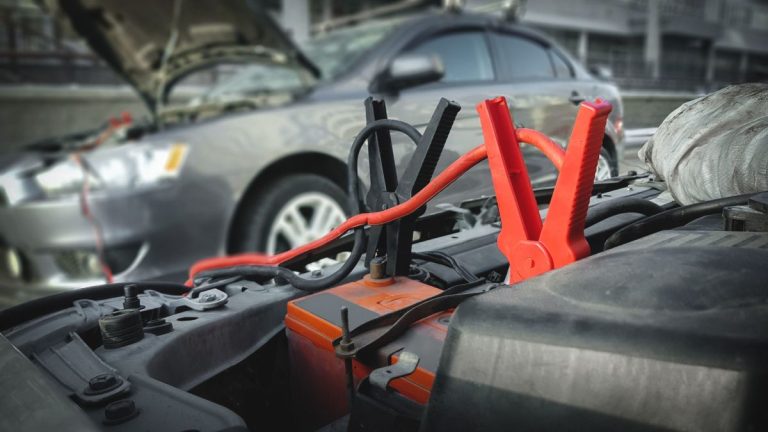
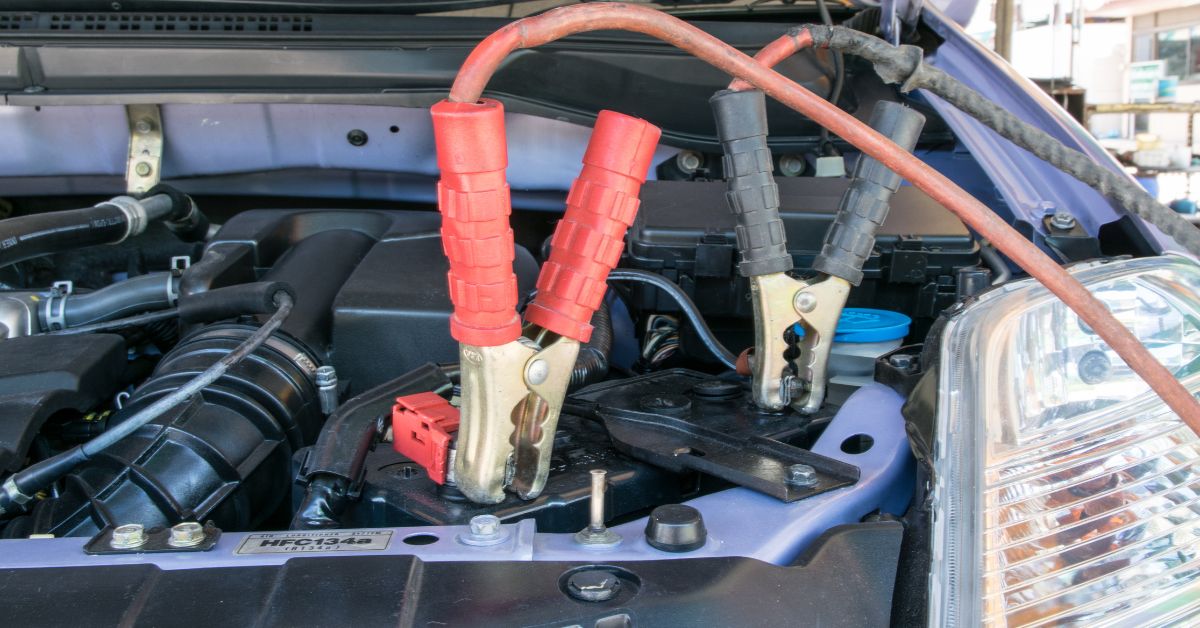
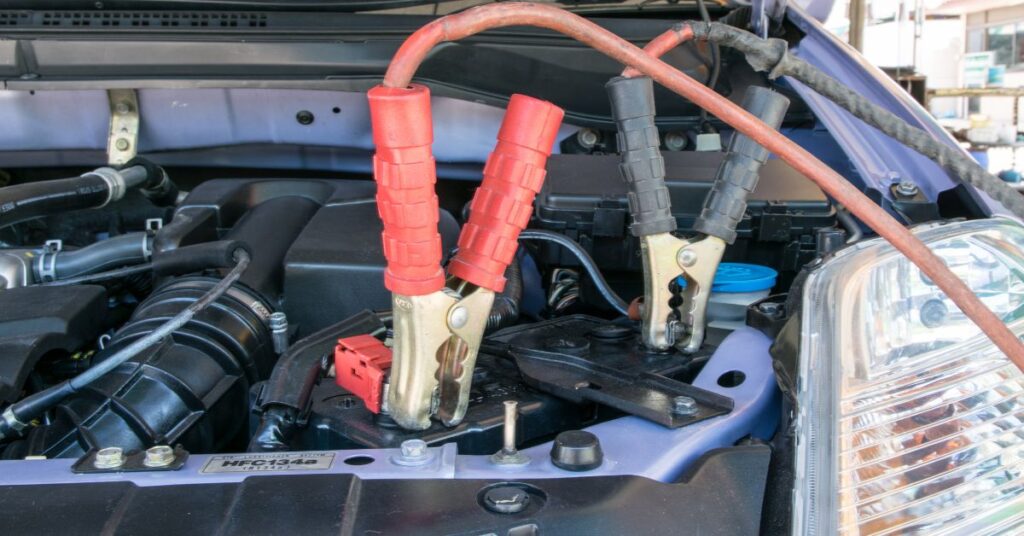
Understanding how jump starting works can help revive a dead car battery. Jump starting involves connecting a working battery to a dead one using jumper cables. This process transfers electrical power, enabling the dead battery to start the engine.
Connecting The Jumper Cables
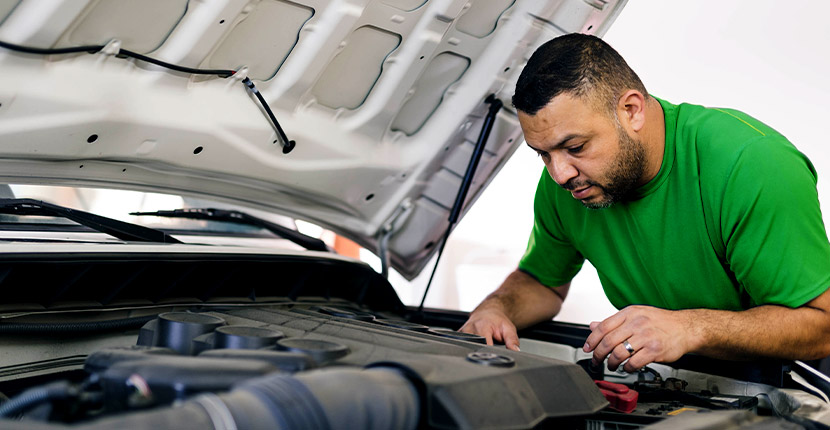
Begin by parking the working car close to the dead vehicle. Ensure both cars are off. Open the hoods and locate the batteries. Attach the red cable to the positive terminal of the dead battery. Next, connect the other end to the positive terminal of the working battery. Now, attach the black cable to the negative terminal of the working battery. Finally, clip the other end to an unpainted metal surface on the dead car.
Starting The Vehicles
Start the engine of the working car. Let it run for a few minutes to charge the dead battery. Try starting the dead car. If the engine starts, leave it running for a while. This helps recharge the battery further. If the car does not start, wait longer and try again.
Removing The Jumper Cables
Once the dead car starts, carefully remove the jumper cables. Begin with the black cable from the dead car. Then remove the black cable from the working car. Next, remove the red cable from the working battery. Finally, detach the red cable from the dead battery. Ensure the cables do not touch each other during removal.
Safety Precautions
Always wear gloves and safety glasses. Ensure the jumper cables do not touch moving parts. Keep away from battery acid. Avoid smoking near the batteries. Ensure cables are connected correctly before starting.
Credit: www.batteriesplus.com
When Jump Starting Fails
Jump starting a car is a common solution for a dead battery. But sometimes, it doesn’t work. Understanding why jump starting fails can save time and effort.
Battery Damage
A battery can suffer from damage over time. Extreme temperatures and age are common culprits. Internal parts might degrade, making the battery impossible to jump. Inspect for visible damage or leakage. If present, a replacement might be necessary.
Faulty Connections
Connections play a vital role in jump starting. Corroded or loose terminals can hinder the process. Ensure cables are clean and tightly connected. Use a wire brush to clean corrosion. Proper connections can sometimes solve the issue.
Alternator Issues
The alternator is crucial for charging the battery. If it’s faulty, the battery won’t charge even after a jump start. Listen for unusual noises from the engine. These might indicate alternator problems. Have a mechanic check the alternator if jump starting fails.
Alternatives To Jump Starting
Sometimes, a car battery is too drained to jump-start, leaving drivers stranded. Consider using portable battery chargers or trickle chargers as alternatives. These devices can gently recharge the battery, offering a solution without needing another vehicle.
When your car battery is so drained that jump starting isn’t an option, you might feel stuck. However, there are several alternative solutions. Knowing these can save you time and hassle, ensuring you’re not stranded on the side of the road. Each method has its own benefits and can be a lifesaver depending on your situation.Battery Replacement
Replacing the battery might seem like a big task, but it’s often the most straightforward solution. If your car battery is old or has been problematic, investing in a new one is wise. Consider the peace of mind knowing your car will start reliably. Imagine being on your way to an important meeting and your car won’t start. Having a fresh battery eliminates this worry, letting you focus on what matters. Plus, many auto shops offer battery installation, making it easier than ever.Portable Battery Chargers
Portable battery chargers are compact devices you can keep in your trunk. They allow you to recharge your battery without needing another vehicle. This is perfect for those moments when you’re alone and in a pinch. Have you ever been in a remote area with no help in sight? A portable charger acts like a safety net. Simply connect it to your battery, and you’re back on the road. These devices are affordable and easy to use. They are a smart investment for anyone worried about battery issues.Professional Assistance
Sometimes, the best solution is to call in the experts. Professional assistance ensures your car is handled with care. Mechanics or roadside services can quickly diagnose and fix the problem. Think about those times when you’ve been unsure of what to do next. A professional can offer you peace of mind. They have the tools and expertise to get you back on your way. This option is perfect if you’re not comfortable handling car batteries. It’s okay to seek help and rely on those who know best. So, which alternative speaks to you? Whether you choose to replace your battery, carry a portable charger, or call for professional help, each option empowers you to take control of the situation.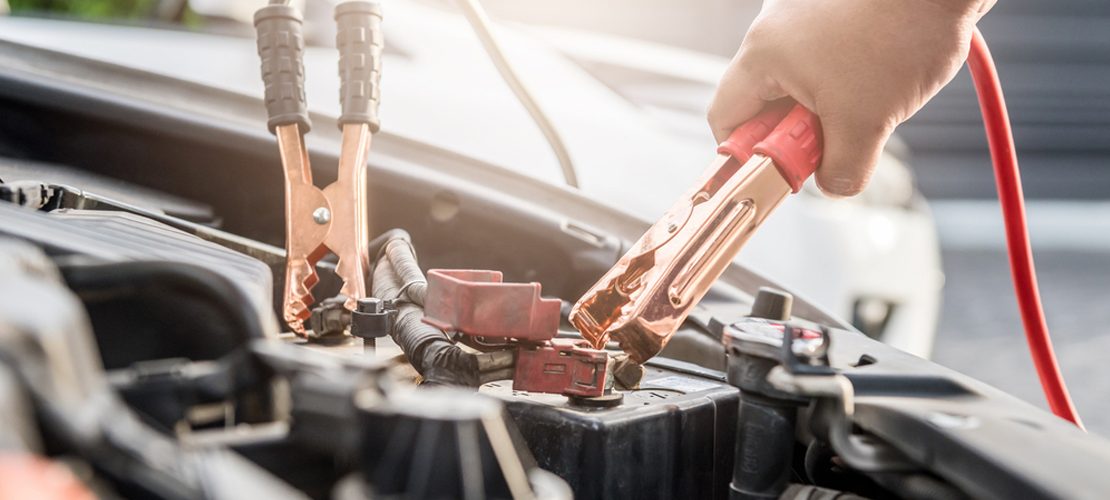
Credit: www.swbatteries.com.au
Preventing A Dead Battery
A car battery may become too drained to jump-start. Regular checks and maintenance help prevent this issue. Clean terminals and ensure tight connections for better performance.
Preventing a dead battery is crucial for ensuring your car is ready when you are. We’ve all been there—running late, only to find your car won’t start because the battery is dead. By taking proactive steps, you can avoid this frustrating situation and extend the life of your battery. Let’s dive into some practical ways to keep your car battery healthy and reliable.Regular Maintenance
Regular maintenance is key to preventing a dead battery. Check your battery’s condition every few months. Look for corrosion on the terminals and clean them with a mixture of baking soda and water. Ensure the battery is securely mounted. A loose battery can vibrate, leading to internal damage. A quick check can save you from bigger issues later. Examine the electrolyte levels if applicable. Some batteries allow you to top them up with distilled water. This simple step can help maintain optimal performance.Proper Storage
Storing your car properly can prevent battery drain. If you’re not using your car for an extended period, consider disconnecting the battery. This prevents slow discharge over time. Keep your car in a garage or shaded area. Extreme temperatures can negatively impact battery life. Cold weather is particularly notorious for draining battery power. Use a protective battery blanket if you live in a region with harsh winters. This small investment can make a big difference when the temperature drops.Use Of Battery Maintainers
Battery maintainers are a great tool for keeping your battery charged. They are especially useful if you have a vehicle that sits idle for long periods. Simply connect the maintainer, and it will keep your battery in peak condition. Choose a maintainer with a trickle charge feature. This ensures your battery stays charged without risk of overcharging. It’s a hassle-free way to maintain battery health. Consider using a solar-powered maintainer if you want a sustainable option. It’s perfect for outdoor storage and helps harness the sun’s energy to keep your battery alive. Have you ever faced the hassle of a dead car battery? Taking these preventive steps can save you time and stress. What other tips have you found useful in maintaining your car battery’s health?Faqs About Car Batteries
Car batteries can leave you stranded unexpectedly. Understanding them can save time and money. Here are some frequently asked questions about car batteries. They will help you know when a jump start might not work.
What Causes A Car Battery To Die?
Several factors can drain a car battery. Leaving lights on is a common cause. Cold weather can also reduce battery power. Sometimes, a faulty alternator can prevent the battery from charging.
How Do You Know If A Car Battery Is Dead?
There are signs of a dead battery. The engine might not start. You might hear a clicking sound. The lights on the dashboard may not turn on.
Can A Battery Be Too Dead To Jump?
Yes, a battery can be too dead. If the battery is old or damaged, jumping may not help. A completely drained battery might need a replacement.
What Should You Do If Jumping Doesn’t Work?
If jumping fails, check battery connections. Ensure the cables are secure. If the car still doesn’t start, the battery may need replacing.
How Often Should You Replace A Car Battery?
Most car batteries last 3 to 5 years. Regular checks can prolong life. Replace the battery if it frequently dies or shows signs of wear.
Frequently Asked Questions
Can A Car Battery Be So Dead It Won’t Jump Start?
Yes, a car battery can be too dead to jump start. Extremely discharged batteries may lack the necessary power. Battery condition, age, and damage can influence this. Regular maintenance helps avoid such situations. Consider replacing or recharging if jump-starting fails.
How Long Does It Take To Jump A Car When The Battery Is Completely Dead?
Jump-starting a completely dead battery typically takes about 5 to 15 minutes. Connect jumper cables correctly and start the working car. Allow the dead battery to charge, then try starting your car. If the battery doesn’t charge quickly, it may need replacement or professional assistance.
Can A Car Battery Be Too Weak To Jump Another Car?
Yes, a weak car battery might not have enough power to jump-start another car. A healthy battery is essential for effective jump-starting. Always ensure both batteries have sufficient charge before attempting a jump-start. Otherwise, the process might fail or even damage the vehicles.
Can A Car Battery Just Go Completely Dead?
Yes, a car battery can suddenly die due to age, extreme temperatures, or electrical issues. Regular maintenance helps prevent this. Ensure battery connections are clean and tight. Replace old batteries timely to avoid unexpected failure. Always check for warning signs like dim lights or slow engine cranking.
Conclusion
A car battery can be too dead to jump-start. It’s important to check the battery condition before attempting a jump. Testing the battery voltage can save time and effort. If the battery is too weak, consider a replacement. Regular maintenance can prevent issues.
Clean terminals help maintain a healthy battery. Invest in a quality charger for emergencies. Understanding battery limits is crucial for car safety. Always be prepared with the right tools and knowledge. This ensures smooth journeys and fewer roadside troubles. Stay informed and keep your car running efficiently.

Ethan Montgomery is the administrator of carweldhub.com and an expert in the automotive industry. With hands-on experience in welding and a deep understanding of automotive parts and accessories, Ethan brings a wealth of practical knowledge to his work. His passion for the automotive field extends to blog writing and editing, where he shares valuable insights and tips with enthusiasts and professionals alike. Whether you’re looking for detailed technical advice or the latest trends in automotive technology, Ethan’s expertise makes him a trusted resource in the automotive community.