Are Metric And Sae Wrenches Interchangeable: Facts Revealed
Have you ever found yourself staring at a wrench, wondering if a metric size will fit your SAE bolt—or vice versa? Choosing the right wrench can save you time, frustration, and even damage to your tools or project.
But are metric and SAE wrenches truly interchangeable? This question matters whether you’re a DIY enthusiast or a professional mechanic. Keep reading, and you’ll discover the key differences, when you can swap them safely, and how to avoid costly mistakes that could slow you down.
Let’s clear up the confusion once and for all.
Metric Vs Sae Basics
Understanding the basics of metric and SAE wrenches is crucial for anyone diving into the world of mechanics or DIY projects. Both types of wrenches have their unique measurements and uses, which can significantly impact the success of your project. Whether you’re tightening a bolt on your bike or working on a car engine, knowing the differences can save you time and frustration.
Key Differences In Measurements
Metric wrenches use the metric system, which is based on millimeters. This system is widely used around the world, offering precision with its decimal-based increments. SAE wrenches, on the other hand, follow the imperial system, using inches and fractions of inches.
Imagine you’re fixing a car engine. If you encounter a bolt with a 10mm size, a metric wrench fits perfectly. However, trying an SAE wrench like 3/8 inch might not work as seamlessly. The slight size difference can lead to a loose fit, risking damage to the bolt or wrench.
Common Uses For Each Type
Metric wrenches are commonly used in European and Asian car models. They’re also favored in bicycles and many household appliances. If you’re working on a Japanese motorcycle, reaching for a metric wrench set is usually the right choice.
SAE wrenches are predominantly found in American-made cars and machinery. They are essential if you’re working with equipment manufactured in the USA. For someone who loves restoring vintage American cars, having a reliable set of SAE wrenches is non-negotiable.
Have you ever tried swapping a metric wrench for an SAE one or vice versa? It might seem convenient, but the risks of rounding off bolts or damaging threads are real. Understanding when to use each type not only preserves your tools but also ensures the longevity of the equipment you’re working on.
Whether you’re a seasoned mechanic or a weekend DIY enthusiast, consider investing in both sets of wrenches. This ensures you’re prepared for any task, no matter the origin of the equipment. What projects have you tackled recently that required specific wrench types?

Credit: thempgroupcpa.com
Compatibility Challenges
Understanding the compatibility challenges between metric and SAE wrenches is crucial if you want to avoid frustration and damage during your projects. These two measurement systems don’t just differ in numbers; their sizes and fits can lead to real issues that affect your work. Let’s break down what you might face when trying to use one in place of the other.
Fit And Size Issues
Metric and SAE wrenches are designed to fit bolts and nuts sized in millimeters and inches, respectively. Because these units don’t align perfectly, a 10mm wrench won’t snugly fit a 3/8-inch bolt. You might think they are close enough, but even a slight mismatch can cause slipping.
Have you ever tried using a wrench that just feels loose or too tight? That’s exactly what happens when you mix metric and SAE tools. This poor fit can strip bolt heads or damage wrench jaws. Your project could end up taking longer, or worse, you may need to replace damaged parts.
Impact On Tool Performance
Using the wrong wrench size affects more than just fit—it directly impacts your tool’s performance. A wrench that slips off a bolt puts you at risk of injury because you might apply extra force to compensate. This extra effort can also wear out your wrench faster, leading to early tool failure.
In my experience, swapping between metric and SAE wrenches without checking sizes carefully led to stripped bolts and wasted time. Are you ready to spend extra hours fixing preventable mistakes? Sticking to the right system ensures you get the most out of your tools and maintain safety on the job.
Risks Of Using The Wrong Wrench
Using the wrong wrench size or type can cause several problems. It may seem like a small mistake, but the risks are real. Choosing the wrong wrench affects both the tool and the workpiece. This can lead to damage and safety hazards. Understanding these risks helps you avoid costly errors and injuries.
Damage To Fasteners
Fasteners have specific sizes. Using a wrench that does not fit well can strip the bolt or nut. Stripped fasteners lose their grip and become hard to turn. This damage may require replacing the fastener. It also wastes time and money. The wrong wrench can round off edges, making repair difficult.
Safety Concerns
A poor fit increases the chance of slipping. Slips can cause hand injuries or bruises. Applying force with the wrong wrench can lead to sudden tool release. This may cause cuts or impact injuries. Unsafe use also risks damaging surrounding parts or equipment. Proper wrench choice ensures safer work and reduces accidents.
Credit: www.walmart.com
When Can They Be Interchanged?
Metric and SAE wrenches have different size systems. Metric sizes are measured in millimeters, and SAE sizes use inches. This difference means they usually do not fit the same nuts or bolts perfectly. Still, there are moments when you can use one in place of the other.
Close Size Matches
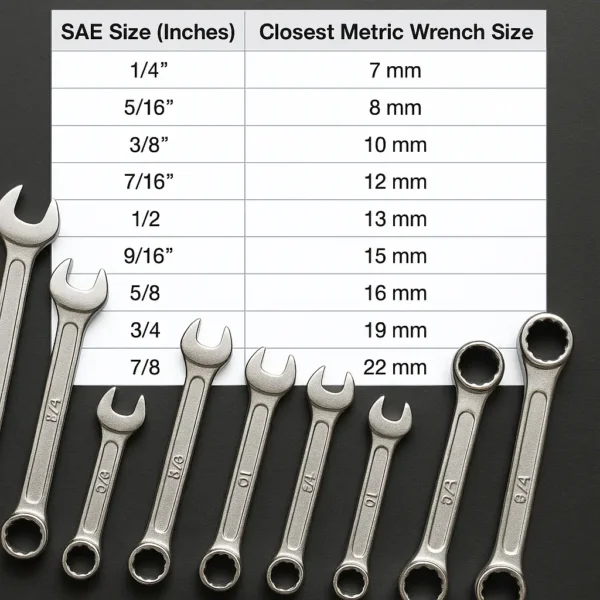
Some metric and SAE wrench sizes are very close. For example, a 13 mm wrench is almost the same as a 1/2 inch wrench. In cases like this, you might be able to use one wrench instead of the other. The fit might not be perfect, but it could work without damaging the bolt.
Use close size matches only if the bolt is not tight or hard to turn. For tight bolts, the wrong wrench size can cause rounding or slipping.
Temporary Solutions
Using the wrong type of wrench can be okay for a short time. For example, if you only have metric wrenches but need to loosen an SAE bolt, try a close size. This solution should be temporary until the correct wrench is available.
Temporary use might save time but always check the bolt afterward. Using the right tool is best to avoid damage or injury.
Choosing The Right Wrench
Choosing the right wrench is crucial for any repair or project. The correct wrench ensures a secure fit, prevents damage, and makes work easier. Understanding the difference between metric and SAE wrenches helps select the proper tool for fasteners.
Using the wrong wrench type can strip bolts or nuts. Taking time to identify fastener sizes and types saves effort and avoids frustration. A well-organized tool kit with both metric and SAE options covers most tasks.
Identifying Fastener Types
Fasteners come in two main measurement systems: metric and SAE. Metric fasteners use millimeters, while SAE fasteners use inches. Check the markings on bolts or nuts to find their size.
Metric sizes often end with numbers like 10mm, 12mm, or 14mm. SAE sizes appear as fractions, such as 1/4 inch, 3/8 inch, or 1/2 inch. Using the correct wrench that matches these sizes prevents slipping and damage.
Visual inspection helps, but measuring tools like calipers give precise size readings. Avoid forcing a wrench on the wrong fastener size. It reduces tool life and can damage the fastener.
Tool Kit Recommendations
A quality tool kit should include both metric and SAE wrenches. This variety covers most common automotive, household, and mechanical fasteners.
- Start with a set of combination wrenches in metric sizes from 8mm to 19mm.
- Add an SAE set ranging from 1/4 inch to 3/4 inch.
- Include adjustable wrenches for odd sizes or when exact fit is unknown.
- Consider ratcheting wrenches for faster work in tight spaces.
Organize tools by measurement type to quickly find the right wrench. Regularly check and clean wrenches to maintain their grip and precision.
Maintaining Your Wrenches
Maintaining your wrenches ensures they last longer and work well. Proper care keeps the tools accurate and safe to use. Simple routines can prevent rust, damage, and wear. Every user should know how to keep wrenches in top shape.
Proper Storage Tips
Store wrenches in a dry place to avoid rust. Use a toolbox or a wrench rack for neat organization. Keep them separated to prevent scratches and dents. Avoid leaving wrenches on damp surfaces or outdoors. Clean wrenches before storing to remove dirt and grease.
Regular Inspection
Check wrenches often for cracks or wear on the jaws. Look for rust spots and remove them quickly. Test the fit on bolts to ensure no slipping occurs. Replace wrenches showing signs of damage to avoid accidents. Regular checks help maintain tool precision and safety.

Credit: toolguyd.com
Frequently Asked Questions
Are Metric And Sae Wrenches The Same Size?
No, metric and SAE wrenches differ in size. Metric wrenches use millimeters, while SAE wrenches use inches. They are not interchangeable due to size differences.
Can I Use A Metric Wrench On Sae Bolts?
Using a metric wrench on SAE bolts is not recommended. The fit may be loose or tight, causing damage to bolts or tools.
Why Are Metric And Sae Wrenches Not Interchangeable?
Metric and SAE wrenches are not interchangeable because they follow different measurement systems. This causes size mismatches, leading to poor grip and potential damage.
What Happens If I Mix Metric And Sae Wrenches?
Mixing metric and SAE wrenches risks stripping bolt heads. Incorrect sizes cause slipping, reducing tool and bolt lifespan, and can result in injury.
Conclusion
Metric and SAE wrenches are not fully interchangeable. Each fits different bolt sizes and shapes. Using the wrong wrench can damage tools and fasteners. Always check the size before starting work. Choose the right wrench for better grip and safety.
This simple step saves time and effort. Keep both types in your toolbox for flexibility. Understanding the difference helps avoid costly mistakes. Stay safe and work smarter with the right tools.

Automotive Specialist & Expert Writer
Tyler Kingston is a passionate automotive writer with a wealth of knowledge in all things cars. With years of experience in the automotive industry, Tyler specializes in everything from vehicle maintenance to the latest car technologies and innovations. He is known for his ability to break down complex automotive concepts into easily digestible, engaging content for both novice and experienced car enthusiasts. Whether it’s detailing car repair techniques, reviewing new car models, or diving into the world of auto accessories, Tyler’s articles provide valuable insights to readers. His hands-on experience, combined with a genuine love for cars, allows him to deliver expert advice, tips, and news that keeps readers coming back for more.