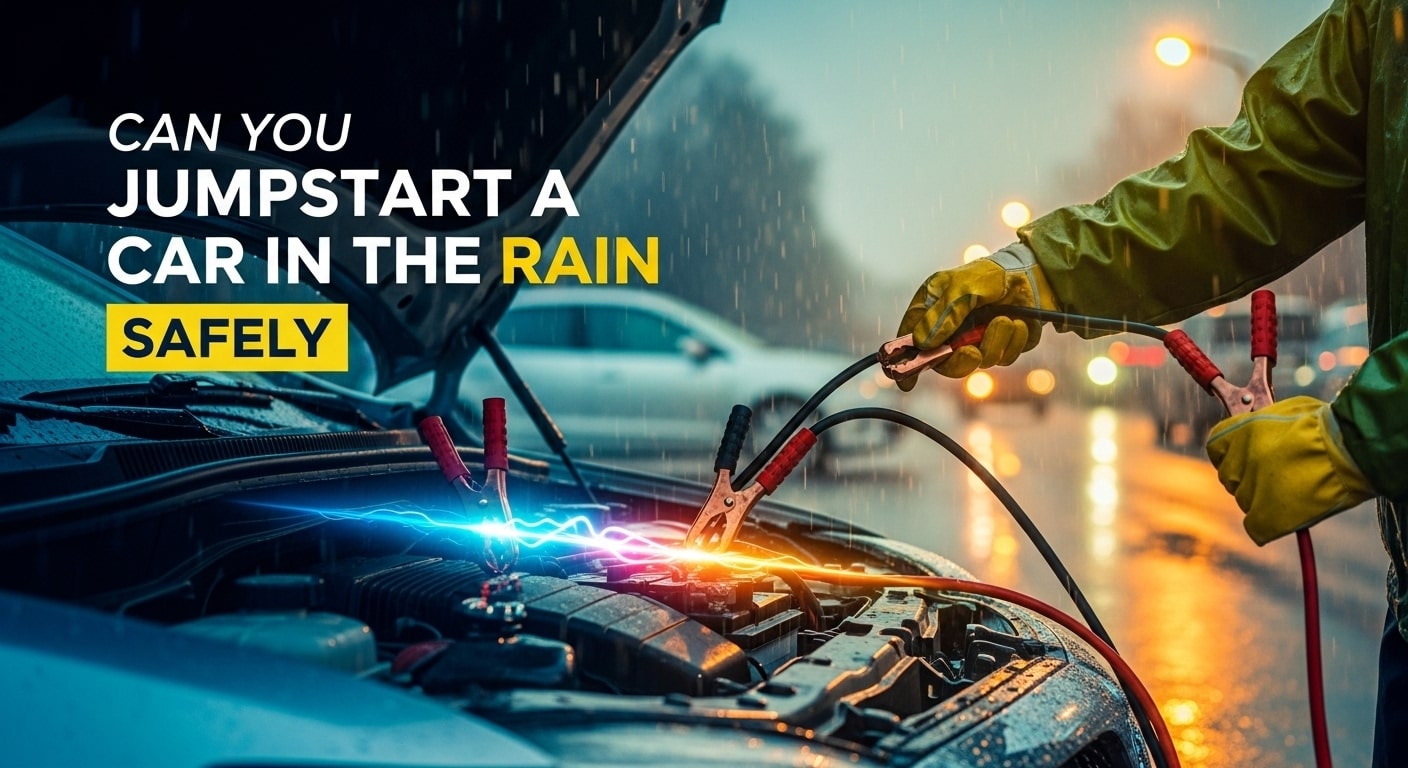
Can You Jumpstart a Car in the Rain Safely?
Have you ever found yourself stuck with a dead car battery, and to make matters worse, it’s pouring rain? If you’ve been in this situation, you’re not alone.
Many drivers face this dilemma and wonder if it’s safe or even possible to jumpstart a car in such wet conditions. Before you reach for those jumper cables, there are a few things you need to know. Understanding the right steps could save you from potential damage or danger.
So, should you brave the rain and get your car back on the road, or is it better to wait it out? Keep reading to discover the safest and most effective way to handle this automotive conundrum. Your journey to mastering car troubles, rain or shine, starts here.
Jumpstarting Basics
Jumpstarting a car in the rain is possible and generally safe. Ensure both cars are parked with engines off and use dry jumper cables. Take extra care to avoid contact with any metal parts to prevent electric shock.
Jumpstarting a car can feel like a daunting task, especially if you find yourself in the rain. But understanding the basics can make this task straightforward and safe. You might be wondering, can you really do it without getting shocked or damaging your car? Absolutely, you can! Let’s break down the essentials to get you back on the road quickly and safely.
Essential Tools
Before you even pop the hood, make sure you have the right tools. Jumper cables are your main lifeline. Opt for cables that are at least 10 feet long and with a heavy gauge for better performance. A working vehicle is also a must. It’s your power source, so ensure it’s in good condition. Lastly, a pair of gloves and a flashlight can be invaluable, especially in rainy conditions. They help you manage cables safely and see clearly under the hood.
Safety Precautions
Safety should be your top priority. Is your car parked in a safe spot? Ensure both vehicles are on stable ground, away from heavy traffic. Avoid standing in puddles when connecting cables. Water conducts electricity and can increase the risk of shock. Always connect the cables in the correct order: positive to positive, and negative to a metal part of the vehicle. This prevents sparks and reduces the risk of battery damage. Have you ever had a challenging jumpstart experience? For me, it happened during a downpour. I learned the importance of wearing non-slip shoes. Trust me, slipping on wet surfaces while handling cables is not fun. Every step counts when jumpstarting in the rain. With these basics, you’re not just prepared; you’re empowered. Next time you’re caught in a downpour with a dead battery, you’ll know exactly what to do. Are you ready to tackle your next jumpstart with confidence?
Credit: www.dubizzle.com
Challenges Of Jumpstarting In Rain
Jumpstarting a car in the rain presents unique challenges. Wet conditions can lead to safety concerns, like electrical hazards. Always exercise caution to prevent accidents during the process.
Jumpstarting a car is a task that requires careful attention even in ideal conditions. However, when it’s raining, the challenges multiply. You might find yourself wondering if it’s safe or even possible to jumpstart a car in such weather. Understanding the specific hurdles can help you make informed decisions and ensure safety for both you and your vehicle.
Water And Electrical Risks
Rain introduces the risk of water coming into contact with electrical components. This can be dangerous and potentially lead to short circuits. When water seeps into the engine area or battery terminals, it increases the chance of electrical mishaps. Make sure to keep the hood closed as much as possible and shield the battery with a cover. Do you have a towel or a piece of plastic handy? These can be lifesavers to keep connections dry while you work.
Visibility And Surface Hazards
Rain can severely impact your ability to see clearly. This lack of visibility can make it difficult to properly connect jumper cables and ensure they’re secure. Standing water and slippery surfaces are another concern. They can lead to slips or falls, adding a physical risk to the task. If you’ve ever tried jumpstarting a car in a downpour, you know how tricky it is to balance an umbrella while attaching cables. Wear shoes with good grip and work slowly. Taking your time can prevent accidents and ensure a successful jumpstart. So, next time you’re caught in the rain with a dead battery, ask yourself: Is it worth the risk, or should you wait for clearer skies?
Safety Tips For Rainy Conditions
Jumpstarting a car in the rain is possible, but safety is key. Avoid standing in puddles and ensure cables are dry. Always connect jumper cables carefully to prevent electric shock.
Jumpstarting a car in the rain might seem daunting, but with the right safety precautions, it’s entirely manageable. Rainy conditions add an extra layer of complexity to an already delicate task. By focusing on safety, you can ensure both your well-being and the longevity of your vehicle. Whether you’re a seasoned driver or new to the roads, understanding these safety tips can make all the difference in a stressful situation.
Choosing The Right Location
Selecting the right spot is crucial. Look for a flat, stable area away from traffic. A parking lot or a driveway works well. Avoid locations with puddles or standing water as these can complicate the process. If you’re near a busy street, make sure you have enough space to work safely. Your safety should be your top priority.
Proper Gear And Equipment
Having the right gear is essential. Waterproof clothing can keep you dry and comfortable. Rubber gloves can provide extra protection from electrical shocks. Make sure your jumper cables are in good condition, with no exposed wires. Wet cables can pose a risk, so inspect them closely before use. Jumpstarting a car in the rain can be a learning experience. Have you ever had to deal with a car breakdown in a storm? It’s a situation that tests patience and resourcefulness. Consider keeping a small emergency kit in your car, including a flashlight, rain poncho, and a towel. These can be lifesavers in unexpected situations. The key is preparation and awareness. When you’re ready for whatever the weather throws your way, you’re more likely to stay safe and get back on the road quickly.
Step-by-step Guide
Jumpstarting a car in the rain is possible with careful steps. Ensure safety by using insulated tools and wearing gloves. Avoid standing in puddles to prevent electric shock.
Jumpstarting a car in the rain might sound daunting, but with the right steps, you can do it safely and efficiently. You might worry about the rain affecting the process, but don’t let that hold you back. This guide will walk you through the necessary steps, ensuring your car roars back to life without any hiccups. Let’s dive into the practical steps, so you can get back on the road swiftly and safely.
Preparation Steps
Before you begin, ensure you have all the tools you’ll need. A good set of jumper cables is essential, so check that they’re in your car. Find a safe spot to park both cars, away from traffic. Ideally, choose a flat surface to prevent any rolling. Ensure both vehicles are turned off. Open the hoods and locate the battery terminals. Typically, the positive terminal is marked with a “+” sign, while the negative has a “-“.
Connecting Jumper Cables
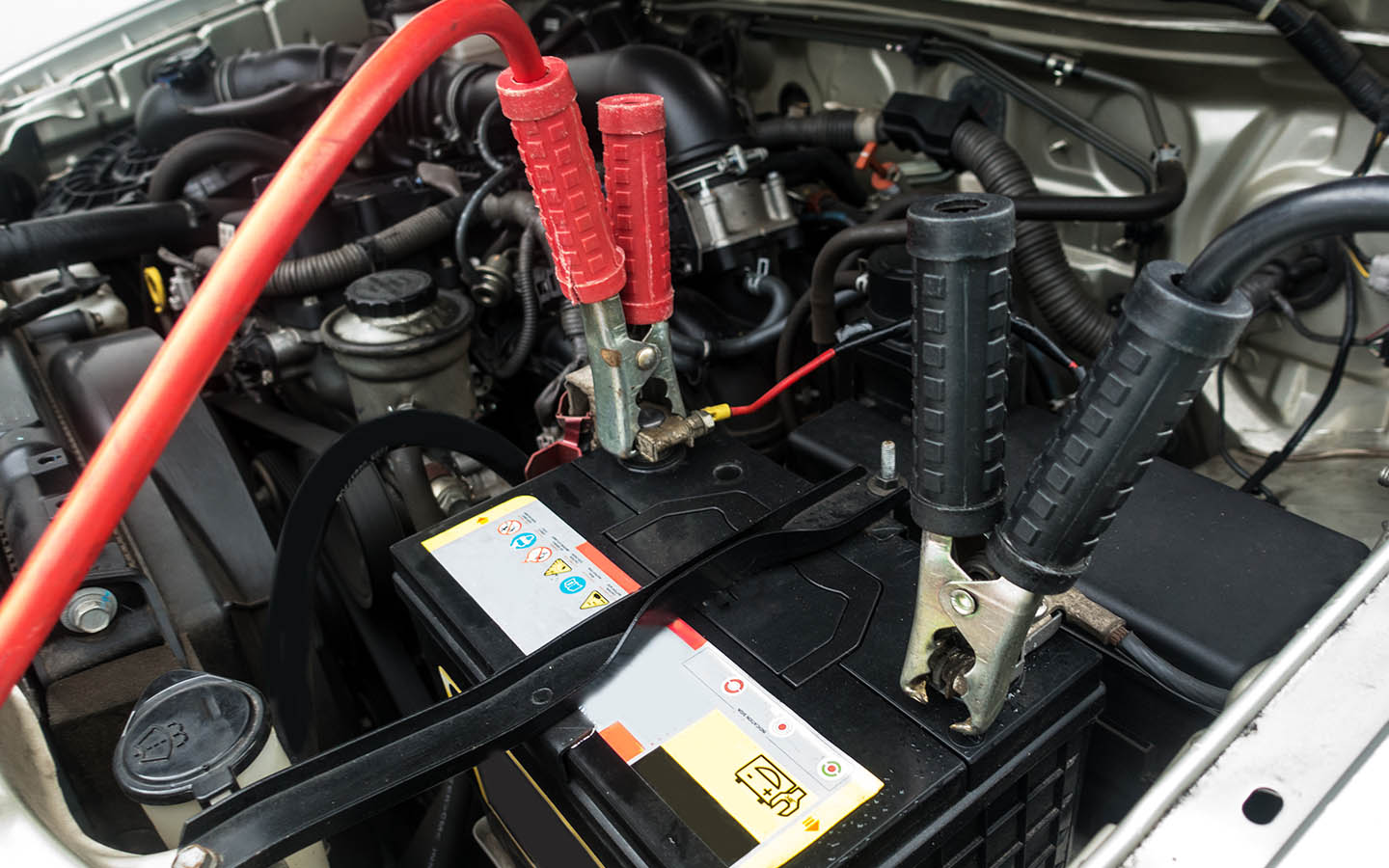
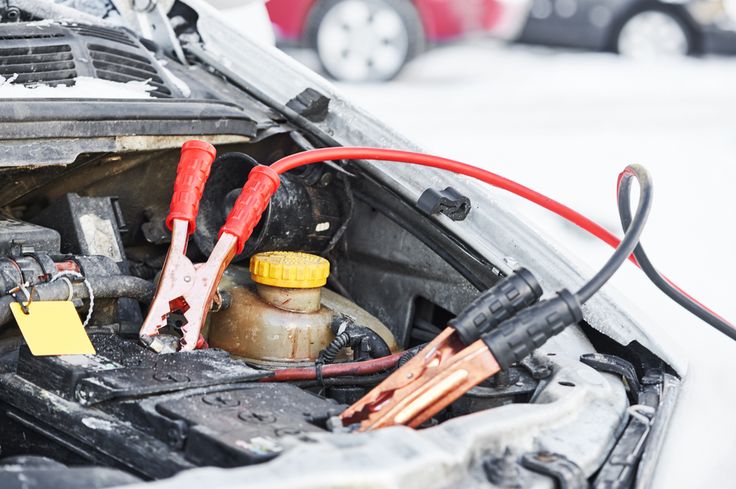
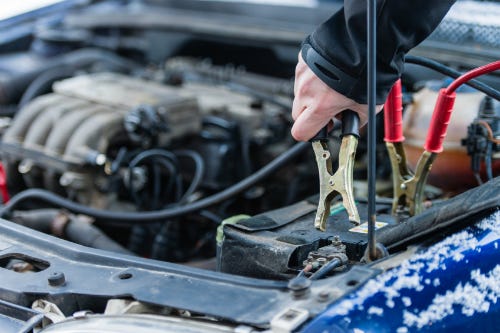
Now, it’s time to connect the cables. Start by attaching the red cable to the positive terminal of the dead battery. Then, connect the other end of the red cable to the positive terminal of the working battery. Next, attach the black cable to the negative terminal of the working battery. Here’s the crucial step: connect the other end of the black cable to an unpainted metal surface on the car with the dead battery. This acts as a ground. Ensure the cables are securely attached and are not dangling. This minimizes any risk of sparks or electrical mishaps.
Starting The Engine
Once everything is connected, start the engine of the working vehicle. Let it run for a few minutes, allowing the charge to flow to the dead battery. Try starting the engine of the car with the dead battery. If it doesn’t start immediately, wait a few more minutes and try again. Once the car starts, keep both engines running for a few minutes. This helps stabilize the charge in the dead battery. Disconnect the cables in reverse order: first the black cable from the grounded surface, then from the negative terminal of the working battery. Finally, remove the red cables. By following these steps, you’ve successfully jumpstarted your car in the rain. Have you ever faced a similar situation? What did you do differently?
Common Mistakes To Avoid
Jumpstarting a car in the rain carries risks if proper precautions are ignored. Ensure the cables remain dry to prevent electric shock. Avoid touching metal parts to avert accidents.
Jumpstarting a car in the rain might seem straightforward, but there are several common mistakes that can complicate the process. Understanding these pitfalls can make the difference between a quick fix and a frustrating experience. Have you ever found yourself in a similar situation, battling the elements and wrestling with jumper cables? Knowing what to avoid could save you time and energy when you’re in a pinch.
Incorrect Cable Connections
One of the most frequent mistakes is connecting the cables improperly. It’s easy to do under pressure, especially when you’re soaked and shivering. Always remember the sequence: Red to positive, black to negative. Connecting cables the wrong way can lead to short circuits or damage your car’s electrical system. Imagine the frustration of fixing one problem, only to create another. Double-checking the connections can spare you from unnecessary repairs.
Ignoring Weather Effects
Rain isn’t just a backdrop; it affects the entire jumpstarting process. Water can make surfaces slippery, posing a risk to your safety. It can also interfere with electrical connections, reducing efficiency. Consider how water might impact the cables—are they old and prone to conductivity issues in wet conditions? Ensure your cables are in good condition and keep them dry as much as possible. Have you thought about how rain might impact your ability to see clearly? Visibility issues can lead to errors, so make sure your environment is well-lit and as dry as possible. By being aware of these common mistakes, you can approach jumpstarting your car in the rain with confidence. Next time you find yourself in a downpour, remember these tips and turn a potential mishap into a minor inconvenience. What other strategies have you used to successfully jumpstart a car in challenging weather?
Credit: carfromjapan.com
Alternative Solutions
Jumpstarting a car in the rain can be safe with the right precautions. Ensure cables are dry and connect correctly. Keep electronic components away from water to prevent damage.
When faced with a dead car battery in the rain, you might instinctively reach for jumper cables. But what if the weather makes this solution less appealing or feasible? Luckily, there are alternative solutions to jumpstart your car without compromising safety or convenience. Let’s explore some practical options that can save the day when rain threatens to put a damper on your plans.
Using Portable Jump Starters
Portable jump starters are a lifesaver for many drivers. These compact devices are designed to recharge your car battery without needing another vehicle. They’re easy to use and can be stored conveniently in your trunk. Imagine you’re stuck in a parking lot during a heavy downpour. With a portable jump starter, you can quickly connect the device to your battery and get back on the road. Many models come with user-friendly instructions and built-in safety features, making them a reliable choice. Investing in a portable jump starter can be a smart decision. It provides peace of mind, especially if you frequently travel in areas where help might not be readily available.
Calling Roadside Assistance
Sometimes, the best solution is to call in the experts. Roadside assistance services offer professional help when you’re in a bind. They’re equipped to handle situations in challenging weather, including rain. Picture yourself caught in a torrential downpour with no shelter in sight. Instead of struggling with cables and risking your safety, a quick call to roadside assistance can bring trained professionals to your location. They’ll handle the jumpstart safely and efficiently. Having a roadside assistance plan can be invaluable. It not only covers jumpstarting but also provides help with other emergencies, such as towing or tire changes. Consider enrolling in a service if you haven’t already, as it could be a game-changer in stressful situations. What’s your go-to solution when your car battery dies in the rain? Do you prefer the independence of a portable jump starter, or do you rely on the expertise of roadside assistance? Share your thoughts and experiences in the comments below!
Credit: medium.com
Frequently Asked Questions
Can You Safely Jumpstart A Car In The Rain?
Yes, you can jumpstart a car in the rain. Ensure safety by keeping cables and connections dry. Avoid standing in puddles. Use waterproof clothing. Ensure both vehicles are off before connecting cables. Safety precautions help prevent accidents. Follow the correct procedure for effective jumpstarting.
What Precautions Are Needed When Jumpstarting In The Rain?
When jumpstarting in the rain, ensure cables stay dry. Avoid water contact with the battery. Wear non-conductive gloves. Stand on a dry surface for safety. Check cables for damage before use. These precautions help ensure a safe jumpstart.
Does Rain Affect The Jumpstarting Process?
Rain doesn’t directly affect the jumpstarting process. However, water can cause electrical hazards. Ensure all connections remain dry. Avoid standing in water while jumpstarting. Proper precautions help ensure a safe procedure. Following these steps ensures a smooth jumpstart.
Can Rain Cause Battery Problems?
Rain itself doesn’t cause battery problems. However, moisture can lead to corrosion. Ensure battery terminals are clean and dry. Regular maintenance helps prevent issues. Checking connections regularly is important. Keeping your battery clean ensures optimal performance.
Conclusion
Jumpstarting a car in the rain is possible with care. Safety first. Ensure cables and connections stay dry. Avoid standing in puddles. Use gloves for extra protection. Always follow the manual’s instructions. Keep an umbrella handy to shield yourself. Check the weather forecast before attempting.
If unsure, seek professional help. It’s better to wait for clear weather. Protect yourself and your vehicle. Rain can make things tricky but not impossible. Stay patient and cautious. Remember, your safety matters most.

Ethan Montgomery is the administrator of carweldhub.com and an expert in the automotive industry. With hands-on experience in welding and a deep understanding of automotive parts and accessories, Ethan brings a wealth of practical knowledge to his work. His passion for the automotive field extends to blog writing and editing, where he shares valuable insights and tips with enthusiasts and professionals alike. Whether you’re looking for detailed technical advice or the latest trends in automotive technology, Ethan’s expertise makes him a trusted resource in the automotive community.