How Do You Say Scooter in Spanish: Translation Guide
Imagine you’re planning a trip to a Spanish-speaking country. You’re excited, but there’s one thing you can’t stop thinking about: how to get around.
A scooter seems like the perfect choice for zipping through the streets and exploring hidden gems. But wait—how do you ask for a scooter in Spanish? Knowing the right word can make all the difference in your travel experience. It opens doors to conversations, ensures you get what you need, and gives you a sense of confidence and ease.
We’ll not only reveal how to say “scooter” in Spanish but also dive into why this simple translation can transform your travels. Ready to enhance your adventure? Keep reading, and you’ll be speaking like a local in no time.
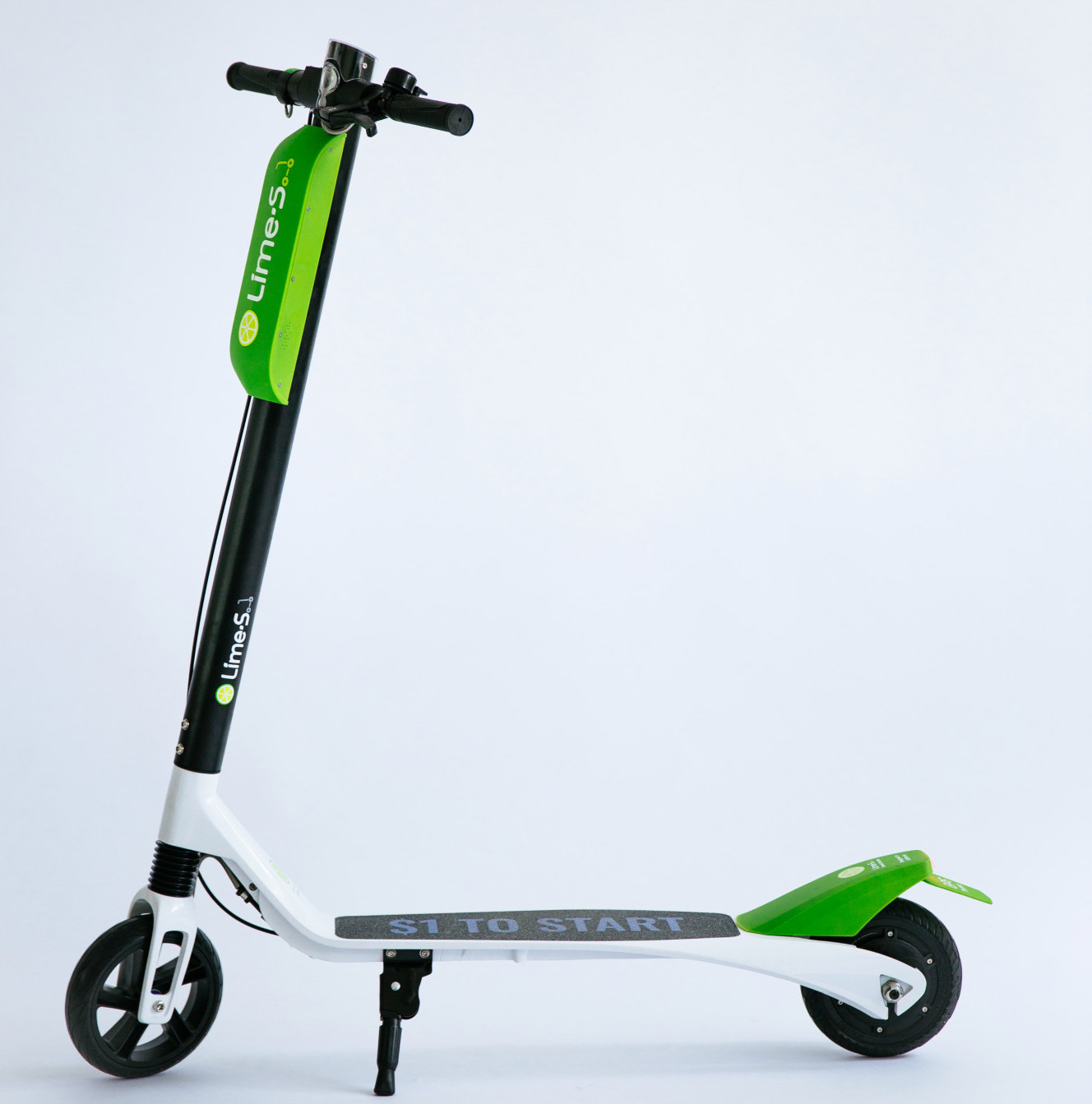
Credit: techcrunch.com
The Spanish Word For Scooter
In Spanish, the word for “scooter” is “scooter” as well. Sometimes, people use “patinete” for a push scooter. This term is common in daily conversations.
When learning a new language, one of the first things you might do is figure out how to say everyday objects in that language. The word “scooter” is a great example. Whether you’re planning a trip to a Spanish-speaking country or simply curious about expanding your vocabulary, knowing how to say “scooter” in Spanish can be quite useful. Let’s dive into the translation and its nuances. In Spanish, the word for “scooter” is “scooter” as well. It’s one of those words that remain the same in both English and Spanish. However, you might also come across the term “patinete”, which is more commonly used in Spain. Both words are understood, but “patinete” is often used to refer to push scooters, while “scooter” is generally associated with motorized versions. This subtle difference can be important if you’re asking for directions or renting a scooter.How To Use “scooter” In A Sentence
Using “scooter” in a Spanish sentence is quite straightforward. You could say, “Voy a alquilar un scooter para explorar la ciudad,” which means “I am going to rent a scooter to explore the city.” This sentence is practical and shows how easy it is to integrate new vocabulary into your conversations. Try using it next time you’re in a Spanish-speaking area and see how it enhances your travel experience.When To Use “patinete” Instead
If you’re in Spain and talking about a non-motorized scooter, “patinete” is your go-to word. For example, you might say, “Mi hijo juega con su patinete en el parque,” which translates to “My son plays with his scooter in the park.” Knowing which term to use can help you communicate more clearly and avoid misunderstandings. Have you ever wondered how a simple word choice can change your interaction?The Importance Of Context
Context matters when choosing between “scooter” and “patinete.” If you’re unsure which to use, consider the situation and the type of scooter involved. If it’s a motorized scooter, “scooter” is safe. For a kick scooter, “patinete” is more appropriate. How does understanding context improve your language skills?Enhance Your Language Skills
Learning these nuances not only enriches your vocabulary but also boosts your confidence when speaking Spanish. It’s all about practice and exposure. Why not challenge yourself to use new words in different settings? Engage with locals, ask questions, and embrace the learning process. What better way to connect with a culture than through its language?
Credit: mostusedwords.com
Common Variations
Spanish is a rich and diverse language. It has many regional variations. The word for “scooter” can change depending on the area. Understanding these differences can be helpful.
Whether you are traveling or chatting with Spanish speakers online, knowing the local terms can make your communication smoother.
Regional Differences
In Spain, you might hear “moto” or “scooter” used interchangeably. “Scooter” is also common in urban areas. In Latin America, the term changes. “Motoneta” is popular in Mexico. This term is recognized widely there.
In Argentina, people often say “ciclomotor” for scooters. This word is less common in other regions. In Chile, “scooter” is frequently used. People in Peru may use “moto” or “scooter.” Each region has its own preference.
Colloquial Terms
Besides regional terms, slang plays a role too. Young people might call a scooter “moto” casually. In some areas, “scooter” remains the go-to term.
In Spain, “vespino” is an informal term. It refers to small scooters. In Mexico, “chopper” might be used for larger scooters. These terms are more casual but widely understood.
Understanding these variations can enhance your language skills. It helps in understanding local conversations better. Being aware of colloquial terms makes interactions more natural.
Using Scooter In Sentences
Curious about the Spanish word for scooter? It’s “scooter” in English, but in Spanish, you say “patinete. ” This word is useful for travel or learning new languages.
Using the word “scooter” in Spanish sentences can enhance your language skills. Learning how to incorporate “scooter” into different contexts helps in daily conversation. Whether you’re a beginner or advanced learner, understanding sentence usage is key. Here, we explore basic structures and contextual applications.Basic Sentence Structure
In Spanish, “scooter” translates to “scooter” or “motoneta.” Use “la” for feminine nouns. For example, “La scooter es rápida,” means “The scooter is fast.” Adjust adjectives for gender and number. “Las scooters son nuevas” translates to “The scooters are new.” Subject-verb-object is the common order. Like in English. “Yo tengo una scooter” means “I have a scooter.” Simple and clear. Practice creates fluency.Contextual Usage
Context shapes how “scooter” fits in sentences. In a casual setting, “Voy al parque en mi scooter,” means “I go to the park on my scooter.” Discussing features? Say, “Mi scooter es eléctrica,” meaning “My scooter is electric.” Travel scenarios often use this word. “Quiero rentar una scooter” translates to “I want to rent a scooter.” In a story, “El niño montó su scooter,” tells “The boy rode his scooter.” Context helps convey the right meaning. Using “scooter” in Spanish sentences boosts understanding. It enriches your communication skills. Practice these structures for better fluency.
Credit: www.spanishdict.com
Cultural Significance
Scooters may seem like a simple mode of transportation, but in Spanish-speaking countries, they hold a unique cultural significance. Whether you’re exploring the bustling streets of Barcelona or winding through the vibrant neighborhoods of Buenos Aires, scooters offer a sense of freedom and convenience that resonates deeply with locals. As you navigate these lively landscapes, you might wonder, “How do you say scooter in Spanish?” The answer is “scooter,” which remains the same. However, the cultural impact of scooters extends far beyond their name.
Scooters In Spanish-speaking Countries
In cities where traffic congestion is a daily challenge, scooters become essential. They zip through crowded streets, offering an efficient way to reach destinations quickly. In many Spanish-speaking countries, scooters aren’t just a means of transportation; they’re a lifestyle.
Imagine cruising through the streets of Madrid, the wind in your hair, feeling the pulse of the city. Scooters enable this experience, bringing a sense of adventure to everyday travel. They’re more than just vehicles; they’re part of the urban fabric, shaping how people interact with their environment.
Popular Brands And Models
Brands like Vespa and Honda lead the way in popularity across Spanish-speaking regions. These scooters are celebrated for their reliability and style, making them a top choice for many riders.
Vespa, with its iconic design, is not just a scooter; it’s a symbol of elegance and sophistication. When you ride a Vespa, you’re not just traveling; you’re making a statement. Similarly, Honda offers models known for their durability and performance, catering to those who seek practicality.
Choosing the right scooter can be a personal journey. What do you value more, style or functionality? This choice reflects your personality and how you wish to navigate the world. Whether you’re drawn to the classic charm of Vespa or the robust efficiency of Honda, each ride becomes a reflection of personal taste.
As you consider scooters and their cultural significance, think about how they fit into your own life. Would a scooter bring more joy and ease to your daily routine? Embrace the opportunity to see your city from a new perspective and experience the thrill of riding through its streets.
Tips For Learning Transportation Vocabulary
Discovering new transportation words can be exciting. To say “scooter” in Spanish, use “patinete”. Practice pronunciation for better learning. Explore other transport terms to enhance vocabulary skills.
Learning transportation vocabulary in Spanish, like knowing how to say “scooter,” can open doors to richer travel experiences and smoother interactions. You might find yourself in a bustling market or asking for directions, and suddenly, those words become essential. By focusing on the right techniques and resources, you can master these terms with ease.Effective Study Techniques
Break down your learning sessions into bite-sized chunks. This makes it easier for your brain to absorb new vocabulary. Use flashcards to memorize terms like “patinete” for scooter. It’s a quick way to test your knowledge. Create a list of transportation words you encounter daily. Jot them down whenever you hear or see them. Visual aids can help cement your understanding. Picture yourself riding a “patinete” through a scenic Spanish town.Resources For Language Practice
Online language platforms offer interactive lessons specifically focused on transportation vocabulary. Websites like Duolingo can be a great start. Language exchange apps connect you with native speakers. Practicing with someone who uses these words daily can be invaluable. Watch Spanish movies or series where transportation is frequently mentioned. You’ll catch new words in context. Local community events or language meetups can provide opportunities to practice your vocabulary. Real-life conversations are often the best teachers. Is there a particular method that has worked well for you in learning new languages? Everyone has their unique approach, and sometimes, sharing tips can lead to new discoveries.Common Mistakes To Avoid
Learning a new language can be tricky. Spanish, with its rich vocabulary, is no exception. Many language learners make mistakes in translation and pronunciation. Especially with words that seem familiar. When translating “scooter” into Spanish, it’s easy to stumble. Understanding these common pitfalls ensures better communication.
False Friends In Translation
False friends are words that look similar in two languages. Yet, they have different meanings. In Spanish, “escúter” might seem right, but it’s not common. “Scooter” translates to “moto” or “patinete”, depending on the type. Knowing the context helps choose the correct term. Avoid using familiar English terms without checking their Spanish meaning.
Pronunciation Pitfalls
Spanish pronunciation differs from English. This can cause confusion. Pronouncing “scooter” in Spanish requires attention to vowels. Spanish vowels are short and crisp. Mispronouncing them can lead to misunderstandings. Practice saying “moto” and “patinete” with a native speaker. This improves clarity and confidence.
Frequently Asked Questions
What Is The Spanish Word For Scooter?
The Spanish word for scooter is “patinete. ” It refers to both electric and manual scooters. This term is commonly used in Spain and other Spanish-speaking countries.
How Do You Say Ride In Mexican Slang?
In Mexican slang, “ride” is commonly referred to as “aventón. ” This term is used for a lift or a ride. It’s popular among locals and often used in casual conversations.
What Does “olla” Mean In Spanish Slang?
“Olla” in Spanish slang refers to a pot, often used to describe a party or gathering. It’s commonly used in Latin American countries to signify a social event. The term adds a casual and lively context to social interactions.
What Do They Call Mopeds In Spain?
In Spain, mopeds are commonly called “ciclomotores”. This term refers to small motorcycles with limited engine capacity. Ciclomotores are popular for short-distance travel and urban commuting due to their fuel efficiency and affordability. They are often seen on city streets and rural roads across Spain.
Conclusion
Understanding basic Spanish words can enhance your travels. “Scooter” translates to “scooter” or “motocicleta” in Spanish. Easy, right? Learning such words helps in daily conversations. It adds depth to your language skills. Try using it next time you rent one.
Locals might appreciate your effort. Simple words make interactions smoother. Language connects us with new cultures. It opens doors to exciting experiences. Keep practicing, and enjoy your adventures. Remember, every word learned brings you closer to fluency. So, keep exploring Spanish vocabulary.
You’ll find it fun and rewarding. Happy travels!

Ethan Montgomery is the administrator of carweldhub.com and an expert in the automotive industry. With hands-on experience in welding and a deep understanding of automotive parts and accessories, Ethan brings a wealth of practical knowledge to his work. His passion for the automotive field extends to blog writing and editing, where he shares valuable insights and tips with enthusiasts and professionals alike. Whether you’re looking for detailed technical advice or the latest trends in automotive technology, Ethan’s expertise makes him a trusted resource in the automotive community.