How Much Fuel Does a Helicopter Use: Essential Insights
Ever watched a helicopter gracefully soar through the skies and wondered about the fuel it consumes to stay airborne? If you’re curious about the fuel efficiency of these incredible machines, you’re not alone.
Understanding how much fuel a helicopter uses can unlock insights into its operational costs, efficiency, and environmental impact. Whether you’re an aviation enthusiast, a prospective pilot, or someone curious about the mechanics behind helicopter flight, this information is vital. By the end of this article, you’ll have a clear picture of the factors influencing fuel consumption and what that means for helicopter operations.
Let’s dive deep into the mechanics and uncover the truth about helicopter fuel usage.
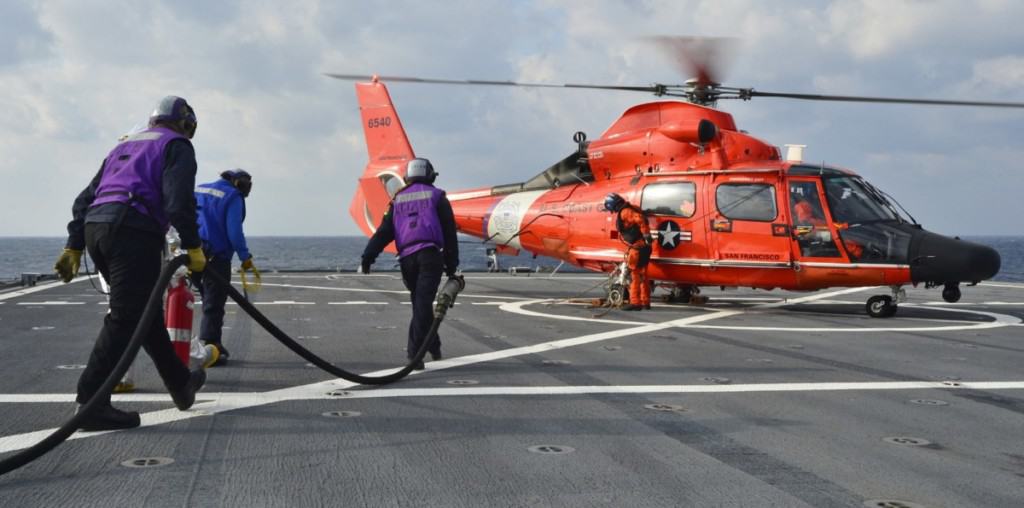
Credit: pilotteacher.com
Helicopter Fuel Basics
Understanding the basics of helicopter fuel is essential for anyone interested in aviation or planning to fly. Helicopters are unique in their design and operation, which means their fuel requirements are different from those of airplanes. Knowing the types of fuel used and how the fuel system works can give you a clearer picture of what powers these fascinating machines.
Types Of Fuel Used
Helicopters typically use two main types of fuel: Jet A and Avgas. Jet A is a kerosene-based fuel used primarily in turbine engines. It’s the same fuel used in commercial jets, making it a popular choice for many helicopter models.
Avgas, short for aviation gasoline, is used in helicopters with piston engines. It’s similar to the gasoline used in cars but has a higher octane level. This ensures better performance and efficiency for smaller, piston-driven helicopters.
Choosing the right fuel depends on the helicopter’s engine type. If you’re ever in a position to make this choice, knowing the differences can save you time and money.
Fuel System Overview
The fuel system in a helicopter is designed to ensure a steady supply of fuel from the tank to the engine. This system includes fuel pumps, filters, lines, and injectors. Each part plays a crucial role in maintaining engine performance.
Fuel pumps move fuel from the tank to the engine, while filters keep the fuel clean. Lines transport the fuel, and injectors deliver it to the engine at the right pressure and quantity. It’s a well-coordinated system that demands regular checks and maintenance.
Have you ever wondered how pilots ensure the helicopter doesn’t run out of fuel mid-air? Regular fuel checks and system maintenance are key. Pilots rely on fuel gauges and have a keen understanding of fuel consumption rates.
Understanding helicopter fuel basics is not just about knowing what goes into the tank. It’s about appreciating the complex system that powers your flight. As you explore aviation further, think about how these components work together to keep you airborne.
Factors Influencing Fuel Consumption
Understanding helicopter fuel consumption involves many factors. Each factor plays a key role. The type of helicopter, flight conditions, and weight can affect fuel usage. Knowing these factors helps manage costs and plan flights better.
Helicopter Model Variations
Different helicopter models use different amounts of fuel. Larger helicopters usually need more fuel. They have bigger engines and carry more weight. Smaller models use less fuel. They are lighter and more efficient. The engine type also matters. Turbine engines typically consume more than piston engines. Each model has its own fuel needs.
Flight Conditions Impact
Flight conditions greatly affect fuel consumption. Wind direction can change fuel use. Headwinds make helicopters work harder. This increases fuel consumption. Tailwinds help save fuel. Altitude also plays a part. Flying at higher altitudes can be more fuel-efficient. Weather conditions are important too. Bad weather can lead to increased fuel use due to detours or hovering.
Calculating Fuel Usage
Understanding helicopter fuel usage is crucial for efficient operations. It impacts both costs and environmental footprint. Calculating fuel usage involves several factors. These include helicopter type, weight, and flight conditions. Knowing how to calculate fuel consumption helps in planning and budgeting.
Standard Measurement Practices
Fuel consumption is often measured in gallons per hour (GPH). This standard allows for easy comparison across different helicopters. Manufacturers provide average fuel burn rates. Pilots and operators use these rates for initial planning. Real-world conditions may cause variations.
Factors like wind and altitude affect fuel use. Pilots must consider these when calculating fuel needs. Regular monitoring ensures accurate fuel consumption data. This helps in making informed decisions.
Usage Estimation Techniques
Estimation techniques involve different approaches. One common method uses flight hours. By multiplying flight hours by average GPH, you get an estimate. Another approach is to use fuel flow meters. These devices provide real-time fuel usage data.
Weather forecasts also aid in fuel estimation. They help anticipate changes in fuel needs due to wind or temperature. Route planning can optimize fuel usage. Choosing efficient paths reduces fuel consumption.
Fuel Efficiency Strategies
Helicopters consume significant fuel, influenced by weight and flight conditions. Fuel efficiency strategies can mitigate costs and environmental impact. Optimizing flight routes and regular maintenance are crucial in managing fuel use.
Fuel efficiency in helicopters is a topic that catches the attention of both seasoned aviators and curious newcomers. With rising fuel costs and environmental concerns, it’s crucial to adopt strategies that maximize fuel efficiency without compromising performance. This involves a blend of cutting-edge technology and smart operational practices that can make a significant difference.Technological Advancements
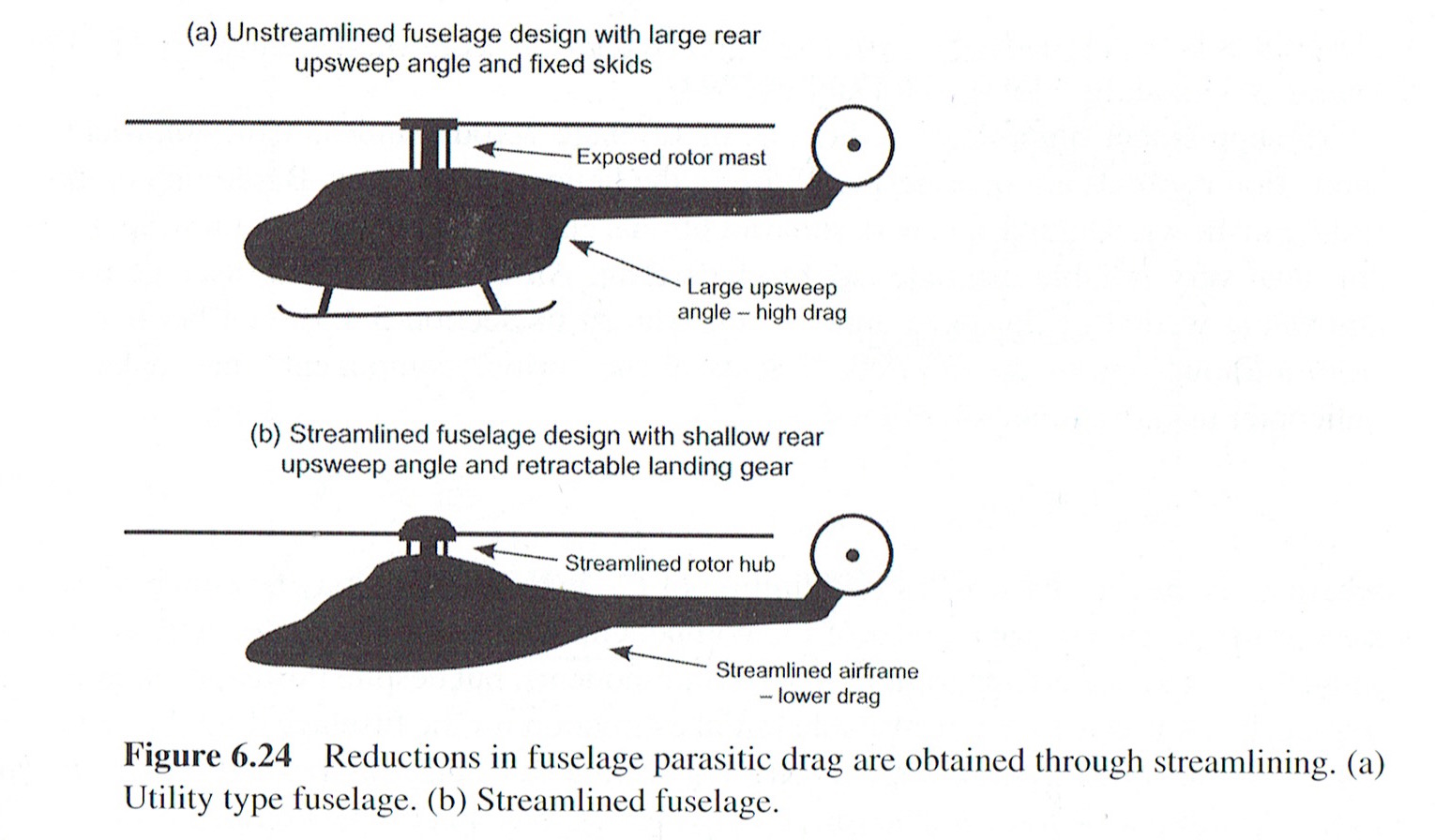
Helicopter manufacturers are constantly innovating to improve fuel efficiency. Modern helicopters are now equipped with more efficient engines that consume less fuel while providing the same or greater power. Aerodynamic designs are also playing a pivotal role. By reducing drag, helicopters can fly smoother and consume less fuel. Advanced materials used in construction further lighten the aircraft, enhancing efficiency. Have you ever considered the impact of digital avionics? These systems optimize flight paths and monitor fuel consumption in real-time. This allows pilots to make informed decisions that save fuel, ultimately reducing operational costs.Operational Best Practices
Your flying habits can significantly impact fuel usage. Simple changes like maintaining optimal speed and altitude can lead to noticeable savings. Planning your flight path efficiently is crucial. Direct routes and avoiding congested airspaces help minimize unnecessary fuel burn. Have you thought about regular maintenance? Keeping your helicopter in top shape ensures it runs efficiently. A well-maintained engine uses less fuel, and regular check-ups can prevent costly issues down the line. Consider the weight of your helicopter. Carrying only what is necessary reduces load and thus fuel consumption. It’s a straightforward but often overlooked strategy to boost efficiency. Implementing these strategies not only benefits your wallet but also contributes to a greener planet. How will you make your next flight more fuel-efficient?Comparing Helicopter Fuel Consumption
Helicopter fuel consumption is a fascinating topic that raises numerous questions. How does it compare to other aircraft? Are military helicopters more fuel-intensive than civilian ones? As you read on, you’ll discover the nuances of helicopter fuel usage that might surprise you. Keep in mind, understanding these differences can be crucial for both aviation enthusiasts and professionals alike.
Helicopters Vs Fixed-wing Aircraft
Have you ever wondered why helicopters seem to guzzle fuel compared to airplanes? The answer lies in their unique design. Helicopters have rotors, not wings, which demand more energy to keep aloft. This means higher fuel consumption.
Consider a small fixed-wing aircraft. It might use around 5 to 10 gallons per hour. A similar-sized helicopter can consume nearly double that. This is due to the continuous rotor power needed for hovering and maneuvering.
While helicopters offer unparalleled vertical takeoff and landing capabilities, this advantage comes at a price. Fuel efficiency. So, next time you see a helicopter hovering overhead, think about the fuel it’s consuming to stay airborne.
Civilian Vs Military Helicopters
Do military helicopters burn more fuel than civilian ones? Yes, they often do. Military helicopters are built for speed, power, and resilience. They usually carry heavier payloads, which increases fuel usage.
Let’s take a look at civilian helicopters. They are generally designed for passenger transport and sightseeing, focusing on efficiency rather than power. This makes them more fuel-efficient.
Military helicopters, on the other hand, are engineered for combat and heavy lifting. This demands powerful engines and robust structures, leading to higher fuel consumption. So, if you ever get the chance to fly in one, remember the trade-off between performance and fuel efficiency.
Understanding these differences is not just about numbers. It’s about making informed choices. Whether you’re planning a helicopter tour or considering a career in aviation, these insights can guide your decisions.

Credit: www.aeroclass.org
Environmental Impact Of Fuel Use
The environmental impact of helicopter fuel use is a pressing concern. Helicopters consume significant amounts of fuel, contributing to global emissions and pollution. As technology advances, there’s a growing need to address these issues and explore sustainable solutions. Understanding the environmental footprint of helicopters helps you appreciate efforts to make aviation more eco-friendly.
Emissions And Air Pollution
Helicopter engines emit pollutants like carbon dioxide and nitrogen oxides. These emissions contribute to air pollution and climate change. The louder buzz you hear is not just the rotor blades; it’s also the sound of emissions affecting the air quality.
Think about how often helicopters are used for rescue missions or aerial surveys. Each flight adds to the environmental toll. It’s crucial to consider how frequent helicopter use impacts the air we breathe. Have you ever wondered how cleaner fuel alternatives could change this?
Efforts To Reduce Environmental Footprint
Reducing the environmental footprint of helicopters is a goal many aviation companies strive for. Innovations in fuel efficiency and alternative fuels are being explored. Biofuels and electric helicopters are at the forefront of these efforts.
Manufacturers are investing in research to make engines cleaner and more efficient. You may have seen quieter helicopters flying overhead; quieter often means less fuel consumption. These advancements could pave the way for greener skies.
How can you contribute to these efforts? Supporting companies that prioritize sustainability is one way. Your choices can drive demand for eco-friendly alternatives, encouraging the industry to innovate further.
The environmental impact of helicopter fuel use is a challenge that requires collective action. From emissions to efforts in reducing the footprint, each step forward counts. By staying informed and making conscious choices, you can play a part in shaping a cleaner future for aviation.
Credit: aviation.stackexchange.com
Frequently Asked Questions
How Much Does 1 Gallon Of Aviation Fuel Cost?
Aviation fuel prices vary based on location, supply, and demand. As of 2023, Jet A fuel averages around $4 to $7 per gallon in the U. S. Prices fluctuate frequently, so checking local suppliers for current rates is recommended.
How Far Can A Helicopter Go On A Full Tank Of Fuel?
A helicopter can travel 250 to 400 miles on a full tank, depending on model and conditions. Fuel efficiency varies by factors like weight, weather, and speed. Always check the specific helicopter’s manual for accurate range details.
How Many Gallons To Fill Up A Helicopter?
The fuel capacity of a helicopter varies by model. A small helicopter might need 25-60 gallons. Larger models can require up to 300 gallons or more. Always consult the helicopter’s manual or manufacturer for exact specifications.
How Much Does A Helicopter Cost To Run Per Hour?
Running a helicopter typically costs $200 to $500 per hour. Costs vary based on helicopter type, fuel prices, maintenance, and operational expenses. Luxury models or specialized helicopters may incur higher costs. Proper budgeting is essential for accurate financial planning.
Conclusion
Understanding helicopter fuel consumption is crucial. It impacts costs and environmental effects. Helicopters vary in fuel efficiency. Factors like weight, speed, and distance matter. Regular maintenance helps improve fuel usage. Pilots can adopt efficient flying techniques. These steps save fuel and reduce emissions.
Every drop counts in a helicopter’s journey. Awareness leads to better decisions. Whether you’re a pilot or enthusiast, knowledge empowers. Make informed choices for optimal performance. Embrace efficient flying for a sustainable future.

Ethan Montgomery is the administrator of carweldhub.com and an expert in the automotive industry. With hands-on experience in welding and a deep understanding of automotive parts and accessories, Ethan brings a wealth of practical knowledge to his work. His passion for the automotive field extends to blog writing and editing, where he shares valuable insights and tips with enthusiasts and professionals alike. Whether you’re looking for detailed technical advice or the latest trends in automotive technology, Ethan’s expertise makes him a trusted resource in the automotive community.