How to Check Ball Joints: Easy Steps for Safety and Performance
Are you worried about the safety and performance of your vehicle? One crucial part you shouldn’t overlook is your ball joints.
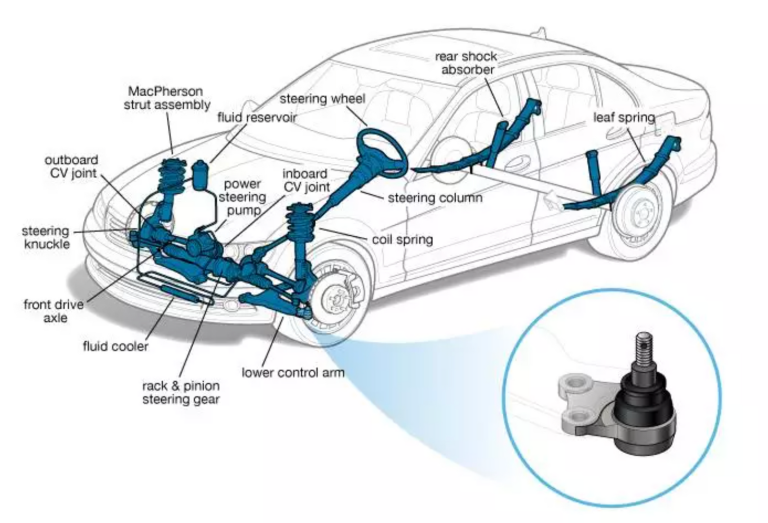
These small but mighty components connect your wheels to the suspension and help your car move smoothly. If your ball joints are worn out, it can lead to serious problems like uneven tire wear or even loss of control while driving.
But how do you know if your ball joints need attention? You’ll learn simple, step-by-step ways to check your ball joints at home. Keep reading to protect your ride and stay safe on the road!
Signs Of Worn Ball Joints
Worn ball joints can quietly undermine your vehicle’s safety and performance. Spotting the signs early can save you from costly repairs and dangerous driving conditions. Here’s how you can identify if your ball joints are wearing out before they cause bigger problems.
Unusual Tire Wear
Have you noticed uneven or rapid tire wear on your car? Worn ball joints often cause tires to wear unevenly, especially on the inside or outside edges.
This happens because the ball joints can’t keep the wheels aligned properly. If your tires look more worn on one side, it’s a red flag that the ball joints might be failing.
Steering Issues
Does your steering feel loose or shaky? Worn ball joints create extra play in the steering system, making your wheel feel less responsive.
You might also experience wandering or drifting while driving straight. If your steering seems off, it’s time to check those ball joints before they cause more trouble.
Suspension Noise
Do you hear clunking or knocking sounds when driving over bumps? These noises often come from worn ball joints struggling to keep the suspension stable.
Listen closely when turning or going over rough roads—persistent sounds can indicate that the ball joints need replacement.
Tools Needed For Inspection
A jack and jack stands help lift and support the vehicle safely. A pry bar or large screwdriver checks for ball joint movement. A flashlight improves visibility in tight spaces.
Before diving into the task of checking your ball joints, gathering the right tools is essential. Proper preparation can save you time and ensure a thorough inspection. Let’s explore the tools you’ll need to successfully inspect the ball joints on your vehicle.Jack And Jack Stands
A sturdy jack and reliable jack stands are crucial for lifting and securing your vehicle safely. Always ensure your car is on a flat surface before you start. If you’ve ever had the car slip off a jack, you know the importance of stability. Jack stands provide that extra assurance, holding the car firmly in place while you work underneath.Pry Bar Or Screwdriver
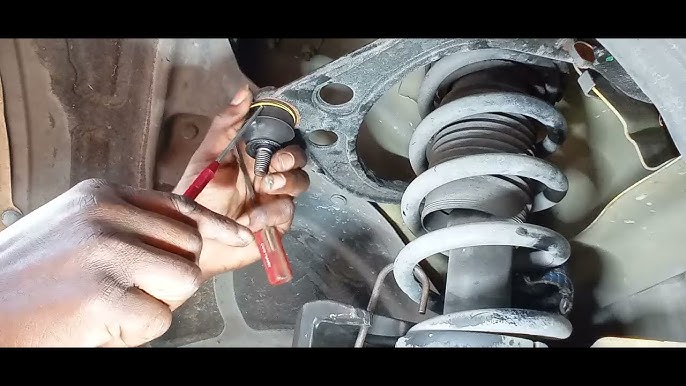
A pry bar or a large screwdriver is handy for checking the play in the ball joints. Insert the tool between the control arm and the steering knuckle, then gently apply pressure. This helps you feel any excessive movement. If you notice any significant play, it might be time for a replacement. The precision of this simple tool is surprising, letting you detect issues you might otherwise miss.Flashlight
A flashlight is your best friend when inspecting hard-to-see areas. Even in the daytime, shadows can obscure critical parts. Use a flashlight to illuminate the ball joint area, looking for cracks or leaks. You’ll be amazed at what a little extra light can reveal, ensuring no detail is overlooked. By having these tools on hand, you’re well-equipped to conduct a thorough ball joint inspection. Do you have everything ready for your next check?Preparing Your Vehicle
Preparing your vehicle correctly is the key to safely and effectively checking your ball joints. Taking the right steps before you dive under the car can save you time and prevent accidents. Let’s walk through the essential preparations that set you up for success.
Park On Level Ground
Always choose a flat, level surface to park your vehicle. Uneven ground can cause the car to shift unexpectedly, making it dangerous to work underneath. Have you ever tried to inspect something only to have the car rock slightly? It’s not worth the risk.
A level surface also helps you get accurate readings when checking for ball joint play. It’s a simple step that many overlook but makes a big difference in safety and precision.
Secure The Vehicle
Once parked, put the vehicle in park or first gear if it’s a manual. Then, engage the parking brake firmly. This double-locking method keeps your car from rolling while you’re working.
Adding wheel chocks behind the wheels that will stay on the ground adds extra security. I remember once skipping this step and the slight shift made me rethink my approach completely. Don’t take chances—secure your car before anything else.
Remove The Wheels
Removing the wheels gives you clear access to the ball joints and suspension components. Use a lug wrench to loosen the lug nuts before lifting the car with a jack. This makes the process smoother and safer.
Once the vehicle is lifted and supported on jack stands, remove the lug nuts completely and take off the wheels. Working without the wheels on lets you see and feel the ball joints much better. Have you noticed how much easier it is to inspect parts when nothing is blocking your view?

Credit: www.reddit.com
Visual Inspection Steps
Visual inspection is the first and simplest way to check ball joints. It helps spot obvious problems before they cause serious damage. This process requires no special tools and can be done quickly. Focus on key areas that indicate wear or failure. Careful observation can save time and money on repairs.
Check Ball Joint Boots
Ball joint boots protect the joint from dirt and moisture. Look closely for tears, cracks, or missing pieces. Damaged boots allow contaminants inside, causing faster wear. A healthy boot looks smooth and flexible. Replace the boot if any damage appears.
Look For Rust And Damage
Rust weakens the ball joint and affects performance. Check the metal parts for corrosion or rough patches. Surface rust might be normal, but deep rust is a warning sign. Also, inspect for dents or bends that can harm the joint’s function. Clean the area to see damage clearly.
Assess Grease Leakage
Grease keeps the ball joint lubricated and smooth. Inspect the area around the joint for grease stains or wet spots. Leakage means the grease is escaping and the joint may dry out. Dry joints wear faster and can fail suddenly. Address grease leaks by repairing or replacing the joint.
Physical Testing Techniques
Physical testing techniques are essential when checking ball joints because they give you immediate feedback on the condition of these critical components. You don’t need advanced tools or a mechanic’s garage to perform these checks. A few simple moves can reveal wear, looseness, or damage that might otherwise go unnoticed until it causes bigger problems.
Lift The Vehicle
Start by safely lifting your vehicle using a jack and securing it with jack stands. This takes the weight off the suspension, letting you move the components freely. Have you noticed how much easier it is to detect movement when the wheel isn’t bearing the car’s weight?
Once lifted, grab the wheel and try to move it up and down or side to side. Any noticeable play here can point to a worn ball joint or other suspension issues. Remember, safety first—always double-check that the car is stable before working underneath.
Check For Play With Pry Bar
Using a pry bar is a practical way to test the ball joint’s tightness. Place the pry bar between the control arm and the steering knuckle, then gently apply leverage. If you feel or see movement in the ball joint, it might be time to replace it.
This technique works well because it isolates the joint, making subtle movements easier to spot. Have you ever been surprised by how much wear a quick pry test can uncover?
Wiggle The Wheel
Grabbing the wheel at the 12 and 6 o’clock positions, try to wiggle it back and forth. This motion stresses the ball joint and helps you detect looseness or noise. Any clunking sounds or excessive movement are red flags.
Next, repeat the process holding the wheel at 3 and 9 o’clock. This checks other parts of the suspension but also gives clues about the ball joint’s health. Can you feel the difference between a tight, healthy joint and a worn one?

Credit: www.youtube.com
Interpreting Inspection Results
Interpreting the results of your ball joint inspection is crucial for deciding your next move. It’s not just about spotting damage; it’s about understanding how that damage affects your vehicle’s performance and safety. You need clear criteria to determine if the ball joints are still good or if they need immediate attention.
When To Replace Ball Joints
Ball joints should be replaced if you notice any looseness or excessive movement during your inspection. If the ball joint allows more than the manufacturer’s recommended range of motion, it’s time for a replacement.
Also, visible damage like torn dust boots or rust around the joint means dirt and moisture could be entering, which accelerates wear. Don’t wait for the joint to fail completely—early replacement can save you from costlier repairs later.
Signs Of Severe Wear
Severe wear often shows up as clunking noises when turning or going over bumps. You might feel vibrations or notice uneven tire wear, which signals the ball joints aren’t holding the suspension properly.
Another sign is a loose or wandering steering feel. If your vehicle pulls to one side or the steering feels sloppy, the ball joints could be worn out and need immediate attention.
Safety Risks Of Faulty Ball Joints
Driving with faulty ball joints puts you at serious risk. A failed ball joint can cause loss of control, especially during turns or sudden stops.
Think about how unpredictable your car becomes if the suspension suddenly collapses. Your safety and the safety of others depend on keeping these components in good shape.
Maintaining Ball Joint Health
Keeping your ball joints in good shape helps your vehicle handle smoothly and keeps you safe on the road. Neglecting their care can lead to uneven tire wear and costly repairs. You don’t have to be a mechanic to protect these crucial components if you know what to do and what to watch for.
Regular Lubrication
Many ball joints need regular greasing to stay healthy. Check your vehicle’s manual to see if your ball joints have grease fittings. If they do, use a grease gun to add the right type of lubricant every few months or as recommended.
Lubrication prevents friction that wears down the ball joint’s internal parts. Imagine metal parts grinding without oil—that’s what happens to unlubricated joints. Keeping them slick extends their life and improves your ride quality.
Routine Inspections
Look under your car regularly for signs of wear or damage. Pay attention to torn rubber boots, which protect the ball joints from dirt and moisture. Damaged boots allow contaminants inside, speeding up joint failure.
You can perform simple checks yourself. Try lifting the vehicle and wiggling the wheel side to side and up and down. Excessive movement or clunking noises often indicate worn ball joints. Catching problems early saves money and hassle later.
Driving Habits To Avoid
Aggressive driving puts extra stress on your ball joints. Avoid hard cornering, sudden stops, and driving over potholes or rough terrain at high speeds. These actions cause premature wear or even sudden failure.
Think about how you drive daily. Could softer handling help your ball joints last longer? Adjusting your habits protects your suspension system and keeps your vehicle safer on every trip.

Credit: www.reddit.com
Frequently Asked Questions
How Do You Visually Inspect Ball Joints?
Visually inspect ball joints by checking for torn boots, leaking grease, and rust. Look for any loose or damaged parts around the joint area to ensure they are intact and functioning properly.
What Tools Are Needed To Check Ball Joints?
Common tools to check ball joints include a jack, jack stands, a pry bar, and a flashlight. These help safely lift the vehicle and allow you to inspect or test the ball joints effectively.
How To Test Ball Joint Play Safely?
Lift the vehicle and secure it on jack stands. Use a pry bar to gently move the wheel up and down. Excessive movement or noise indicates worn ball joints needing replacement.
When Should Ball Joints Be Replaced?
Replace ball joints if there is noticeable play, noise, or visible damage. Worn ball joints can affect steering and cause uneven tire wear, so timely replacement ensures safety.
Conclusion
Checking ball joints helps keep your vehicle safe and smooth. Regular inspections catch problems early. Use simple tools and clear steps for best results. Listen for unusual sounds and watch for uneven tire wear. Don’t wait until damage gets worse.
Taking small steps now saves time and money later. Stay aware of your car’s condition. It makes driving safer for you and others. Keep checking ball joints often, and your vehicle will run better longer.

Automotive Specialist & Expert Writer
Tyler Kingston is a passionate automotive writer with a wealth of knowledge in all things cars. With years of experience in the automotive industry, Tyler specializes in everything from vehicle maintenance to the latest car technologies and innovations. He is known for his ability to break down complex automotive concepts into easily digestible, engaging content for both novice and experienced car enthusiasts. Whether it’s detailing car repair techniques, reviewing new car models, or diving into the world of auto accessories, Tyler’s articles provide valuable insights to readers. His hands-on experience, combined with a genuine love for cars, allows him to deliver expert advice, tips, and news that keeps readers coming back for more.