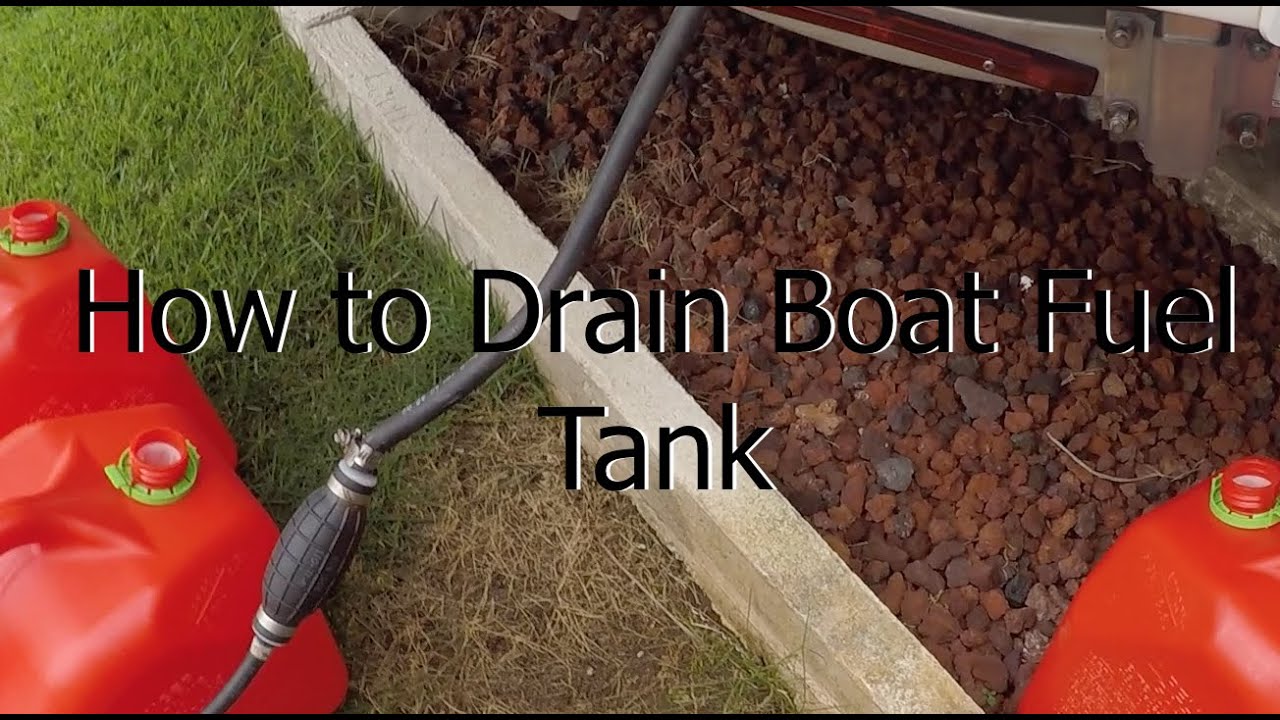
How to Drain Underfloor Fuel Tank: Expert Tips
How to Drain Underfloor Fuel Tank Imagine this: you’ve got an underfloor fuel tank that’s been sitting there, maybe for years, collecting dust and grime. You know it’s time to drain it, but you’re not sure where to start.
This can be a daunting task, but don’t worry—you’re not alone. In this guide, you’re going to learn the simple steps to safely and efficiently drain your underfloor fuel tank. Why should you bother? Because a clean and well-maintained tank can save you money, improve fuel efficiency, and prevent potential hazards.
Plus, knowing how to do it yourself gives you control and peace of mind. Keep reading, and soon you’ll be ready to tackle this task with confidence.
Credit: www.youtube.com
Safety Precautions
Before draining an underfloor fuel tank, ensure the area is well-ventilated to prevent fumes. Wear protective gloves and goggles to safeguard against spills. Disconnect the battery to avoid sparks, and use appropriate tools for safe fuel removal.
Draining an underfloor fuel tank is not just a mechanical task; it’s a serious responsibility. Safety precautions are paramount to ensure your well-being and the environment’s protection. Let’s dive into essential safety measures that will guide you through the process safely and efficiently.
Wear Protective Gear
Before you even think about touching any tools, ensure you’re dressed for the job. Wear gloves to protect your hands from fuel and sharp objects. Eye protection is crucial to shield your eyes from splashes or debris. Consider wearing a long-sleeve shirt and pants to cover your skin. Have you ever felt the sting of fuel on your skin? It’s not pleasant and can be harmful.
Ensure Proper Ventilation
Fuel fumes are not only unpleasant but dangerously flammable. Ensure you’re working in a well-ventilated area to minimize inhalation risks. Open windows, doors, or set up fans to circulate the air. You wouldn’t want to start feeling dizzy from the fumes halfway through the task, right? How about considering the safety of others around you? Make sure everyone is out of the way of potential fume exposure.
Disconnect Battery
Fuel and electricity don’t mix well. Before you proceed, disconnect the battery to prevent any sparks that could ignite fumes. It’s a simple step that can avert disaster. Imagine the peace of mind knowing there’s no risk of a sudden spark. Have you ever witnessed a car battery spark? It’s startling and dangerous. Disconnecting the battery is a small task with a big impact on safety. Taking these precautions not only protects you but also makes the draining process smoother and stress-free. Safety isn’t just about following rules; it’s about being proactive and thoughtful. Would you rather spend a little extra time on safety now or face consequences later? Your health and safety are worth the effort.
Tools And Materials
Gather basic tools like a wrench, screwdriver, and a fuel siphon pump. Essential materials include a container for fuel and safety gloves. These items ensure a smooth and safe process when draining an underfloor fuel tank.
When you’re preparing to drain an underfloor fuel tank, having the right tools and materials on hand is crucial. Not only does this make the task more manageable, but it also ensures your safety and the integrity of your vehicle. Investing a little time upfront to gather everything you need can save you from headaches and mishaps later.
Essential Tools
A successful fuel tank drainage begins with the right tools. Safety goggles are a must to protect your eyes from any fuel splashes. A siphon pump will help you efficiently transfer fuel from the tank to a container. You’ll also need socket wrenches to loosen any bolts securing the tank. Jack stands are essential to safely elevate your vehicle. Don’t forget a fuel-safe container to store the drained fuel. Are there other tools you typically use for car maintenance that might come in handy here?
Recommended Materials
Before you start, make sure you have some basic materials ready. Use absorbent pads to manage any accidental spills. A fuel-resistant hose is recommended to connect with the siphon pump, ensuring smooth fuel flow without leaks. It’s wise to have gloves to protect your hands from fuel exposure. Keep a roll of shop towels nearby for quick clean-ups. Finally, double-check that your fuel-safe container is clean and free of debris. Have you ever had to improvise with materials on a similar task? Sometimes a little creativity can go a long way, but having the right materials upfront keeps things straightforward and safe.
Accessing The Fuel Tank
Accessing the fuel tank is an essential step in draining an underfloor fuel tank. This process requires careful attention to detail and understanding of your vehicle’s layout. Ensuring a smooth operation hinges on how well you can locate and prepare the tank for drainage. Follow these steps to make the task easier and efficient.
Locating The Tank
First, identify the location of the fuel tank. Often found beneath the floor, it may be towards the rear of the vehicle. Refer to your vehicle’s manual for specific details. The manual provides diagrams and descriptions, helping you pinpoint the exact spot. Access is usually available from underneath the vehicle. Ensure the vehicle is securely lifted for safety. Use a reliable jack stand to elevate the vehicle. This gives you clear access to the underfloor area.
Removing Protective Covers
Once located, look for protective covers surrounding the tank. These covers shield the tank from debris and damage. Use tools like a screwdriver or wrench to remove these covers. Carefully unscrew or unbolt each fastener holding the covers in place. Keep these fasteners safe for reassembly later. Removing these covers exposes the tank, allowing you to proceed with drainage. Ensure you have a clear workspace around the tank. This helps in preventing accidental mishaps during the process.

Credit: www.heritageconcorde.com
Draining The Fuel
Draining an underfloor fuel tank can seem daunting. But, it’s necessary for maintenance or replacement. There are practical methods to ensure safe and efficient fuel removal. Understanding these methods will help you perform the task effectively. Let’s explore two common techniques for draining the fuel.
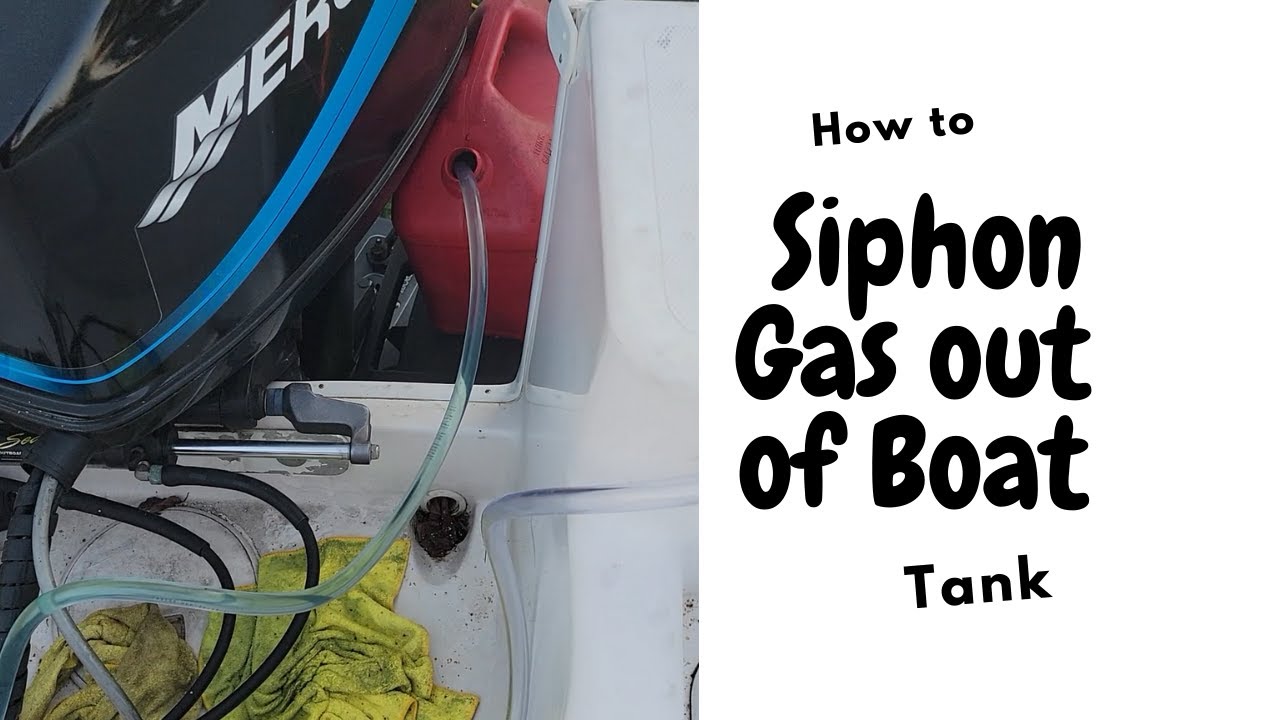
Using A Siphon Pump
A siphon pump is a handy tool for draining fuel. It creates a vacuum to move liquid from the tank. First, insert the siphon tube into the tank. Ensure the tube reaches the bottom for full drainage. Then, place the other end into a container. Pump the siphon to start the flow. Watch the fuel transfer through the tube. Stop pumping once the tank is empty.
Gravity Drain Method
This method uses gravity to drain fuel. Begin by positioning the vehicle on a slope. Ensure the tank’s outlet is lower than the inlet. Attach a hose to the tank’s outlet. Place the other end in a collection container. Allow gravity to guide the fuel out. Check the flow periodically. Adjust the hose if necessary for complete drainage.
Disposing Of Fuel Safely
Safely draining an underfloor fuel tank prevents environmental damage. First, gather necessary tools like a siphon pump. Next, ensure the area is well-ventilated. Carefully remove the tank cap and insert the siphon. Slowly drain the fuel into an approved container.
Dispose of the fuel at designated locations.
Draining an underfloor fuel tank is a task that requires attention to detail and safety. Once you’ve successfully removed the fuel, the next critical step is disposing of it safely. Proper disposal is not only about following the law but also about protecting our environment. Let’s dive into how you can handle this responsibly.
Local Disposal Regulations
Knowing your local disposal regulations is crucial. Different regions have varied rules about fuel disposal. Check with your local waste management authority to understand what’s required in your area. Some places have designated disposal sites for hazardous materials. Others might offer special collection events for items like used fuel. Always ensure you’re complying with the specific guidelines set out in your community.
Environmental Considerations
Improper fuel disposal can harm the environment in ways you might not expect. It can contaminate soil and water, posing risks to wildlife and human health. Consider using approved containers to transport the fuel to disposal sites. Never pour it down drains or onto the ground. Think about the broader impact your actions might have on the planet. Have you ever thought about how your small action could make a big difference?
By disposing of fuel responsibly, you’re taking a step towards a cleaner environment. Proper disposal of fuel is not just a matter of ticking off a task on your list. It’s about safeguarding your community and the natural world. Whether it’s understanding local laws or considering the environmental impact, every step you take in this process matters.
Inspecting The Tank
Before draining an underfloor fuel tank, inspect it thoroughly. This ensures safety and efficiency. Proper inspection helps prevent potential hazards. It also assists in identifying issues early. This section will guide you through the inspection process.
Checking For Damage
Start by examining the tank’s surface for any visible damage. Look for cracks or dents that might affect its integrity. Check connections and fittings for signs of wear. These can lead to leaks or further complications. Use a flashlight to see clearly in dark areas. Inspect the tank’s mounting brackets for rust or corrosion. Damaged brackets may cause instability.
Inspecting For Leaks
Next, focus on identifying leaks. Look around the tank for puddles or wet spots. These indicate fuel leakage. Smell for any strong odors of fuel. If present, there might be a leak. Check all valves and seals. Ensure they are tightly secured and undamaged. Use a leak detection solution if needed. It helps in finding hidden leaks efficiently.
Reassembling And Testing
Reassembling involves carefully putting back all parts of the underfloor fuel tank after draining. Testing ensures the tank functions correctly without leaks. This process checks if everything is tightly fitted and ready for use.
Reassembling and testing are crucial steps after draining an underfloor fuel tank. These steps ensure that your vehicle operates smoothly, without any hiccups. You’ve successfully drained the fuel; now it’s time to put everything back together and test your handiwork.
Reattaching Components
Start by reattaching the fuel lines. Ensure they’re secure to prevent leaks. Tighten each connection with a wrench, but be cautious not to over-tighten. Next, reinstall the fuel tank. Make sure it’s aligned correctly with the mounting brackets. Use new washers and bolts to secure it firmly in place. Lastly, reconnect the electrical connections. These are vital for the fuel pump’s operation. Double-check each plug to ensure they’re firmly attached and free of debris.
Testing For Proper Function
Before hitting the road, test your work. Start the engine and let it idle. Listen for any unusual sounds that might indicate loose components. Observe the fuel gauge. It should reflect the actual fuel level accurately. If the gauge is off, there may be an issue with the electrical connections. Take your car for a short drive. Pay attention to how it feels and performs. Is the acceleration smooth? Are there any sputtering or stalling issues? If everything seems normal, you’ve done a great job! Have you ever skipped testing after a repair? It’s tempting, but overlooking this step can lead to bigger problems. Testing ensures your safety and the vehicle’s reliability.
Common Mistakes To Avoid
Avoid rushing the process of draining an underfloor fuel tank. Skipping safety checks can lead to accidents. Failing to use proper tools may cause damage, resulting in costly repairs.
Draining an underfloor fuel tank requires precision and care. Many make mistakes during this process. Avoiding these common errors ensures safety and efficiency. Let’s explore what not to do.
Ignoring Safety Protocols
Safety is crucial. Many overlook wearing protective gear. Always wear gloves and goggles. Fuel is hazardous. It can cause harm to skin and eyes. Ensure the workspace is ventilated. Fumes can be dangerous in enclosed spaces. Check for fire hazards. Keep flammable materials away. Using the right tools matters. Avoid makeshift solutions. They can lead to accidents or spills.
Improper Disposal
Disposing of fuel incorrectly harms the environment. Some pour it down drains. This is illegal and dangerous. Fuel can contaminate water sources. It can also damage plumbing systems. Always dispose of fuel at designated centers. Check local regulations. They guide proper disposal methods. Use approved containers for transport. This prevents leaks and spills on the way.
Expert Tips And Tricks
Draining an underfloor fuel tank can seem tricky. With the right guidance, it becomes simpler. Understanding expert tips can make the process efficient and safe. Learn valuable advice on handling fuel tanks with care.
Efficiency Tips
Plan your work before starting. Gather all necessary tools in advance. Use a siphon pump for effective draining. It minimizes spills and speeds up the process. Always work in a well-ventilated area to avoid harmful fumes.
Wear appropriate safety gear. Gloves and goggles protect from fuel exposure. Stay focused and avoid distractions. Careful attention ensures efficient draining and prevents accidents.
Maintenance Advice
Regular inspection is key. Check for any leaks or damages in the fuel tank. Address issues quickly to prevent bigger problems. Clean the tank often to avoid sediment build-up.
Ensure the connections and seals are secure. Replace worn-out components promptly. Proper maintenance extends the life of your fuel tank. Keep a record of your maintenance tasks for future reference.

Credit: www.heritageconcorde.com
Frequently Asked Questions
How To Drain A Fuel Tank From Under?
Locate the fuel tank drain plug under the vehicle. Use a wrench to loosen it. Position a container beneath to catch the fuel. Ensure proper safety measures and dispose of fuel responsibly. Tighten the plug after draining to prevent leaks.
Always work in a well-ventilated area.
How To Remove Water From The Bottom Of A Fuel Tank?
Use a fuel siphon pump to extract water from the tank’s bottom. Add fuel additives to absorb moisture. Regularly inspect and drain the tank to prevent water accumulation. Seek professional help if necessary to ensure proper removal and avoid contamination issues.
How Do You Get Water Out Of An Underground Fuel Storage Tank?
Use a manual or automatic pump to remove water. Ensure proper safety measures and dispose of water correctly. Regularly check for water accumulation to prevent contamination.
Do All Fuel Tanks Have A Drain Plug?
Not all fuel tanks have a drain plug. Some rely on siphoning or pumping for fuel removal. Always check the vehicle’s manual for specific details about your fuel tank. Regular maintenance can prevent issues related to fuel sediment and contamination.
Conclusion
Draining an underfloor fuel tank requires careful steps. First, ensure safety gear is on. Next, locate the drainage valve. Use a container to catch the fuel. Open the valve slowly. Let the fuel drain completely. Close the valve securely once done.
Clean any spills immediately. Dispose of the fuel properly. Regular checks prevent future issues. Follow these steps for a safe process. Always prioritize safety. Your tank will remain in good condition. Stay aware of potential leaks. Maintaining your tank ensures smooth operation.
Keep these tips in mind for future maintenance.

Ethan Montgomery is the administrator of carweldhub.com and an expert in the automotive industry. With hands-on experience in welding and a deep understanding of automotive parts and accessories, Ethan brings a wealth of practical knowledge to his work. His passion for the automotive field extends to blog writing and editing, where he shares valuable insights and tips with enthusiasts and professionals alike. Whether you’re looking for detailed technical advice or the latest trends in automotive technology, Ethan’s expertise makes him a trusted resource in the automotive community.