
How to Fix Fuel System 1 Ol Fault: Expert Guide
Have you ever been interrupted by the frustrating “Fuel System 1 OL Fault” message flashing on your vehicle’s dashboard? It can feel like a daunting puzzle, especially when you’re unsure about what it means or how to resolve it.
Don’t worry; you’re not alone in this. Many drivers face this issue, and understanding how to fix it can save you time, money, and stress. Imagine cruising down the road with confidence, knowing your vehicle’s fuel system is in perfect condition.
By addressing this fault head-on, you can restore your peace of mind and keep your car running smoothly. In this guide, we’ll walk you through the steps to diagnose and fix the “Fuel System 1 OL Fault”, empowering you with the knowledge to tackle the problem efficiently. Stick with us, and you’ll discover not only how to solve this issue but also how to prevent it from reoccurring. Your car’s health—and your driving experience—are about to improve significantly.

Credit: www.youtube.com
Common Causes Of Fuel System 1 Ol Fault
Faulty sensors, clogged fuel filters, or a failing fuel pump often cause Fuel System 1 Ol faults. Regular maintenance and inspections can help fix these issues, ensuring optimal vehicle performance.
Understanding the common causes of a Fuel System 1 Ol fault is crucial. It helps in diagnosing and fixing the problem efficiently. Various factors can lead to this issue, affecting your vehicle’s performance. Let’s explore some of the typical causes.Fuel Pressure Issues
Low fuel pressure can trigger a Fuel System 1 Ol fault. It affects engine performance, causing stalling or power loss. A malfunctioning fuel pump often leads to this pressure drop. Regular checks can prevent pressure-related issues.Faulty Sensors
Faulty sensors can mislead the engine’s control unit. They send incorrect data, causing a Fuel System 1 Ol fault. Oxygen and mass airflow sensors are common culprits. Replacing faulty sensors often resolves the problem.Clogged Fuel Filters
Clogged fuel filters restrict fuel flow to the engine. This leads to a Fuel System 1 Ol fault. Dirty filters reduce efficiency and increase engine strain. Regular filter maintenance helps avoid these issues.Electrical System Malfunctions
Electrical malfunctions can cause a Fuel System 1 Ol fault. Broken wires or faulty connections disrupt fuel system signals. This affects the engine’s operation. Inspecting the electrical system can identify and fix these faults. `Diagnostic Tools And Techniques
Understanding the diagnostic tools and techniques for fixing Fuel System 1 OL Fault is crucial. This issue can disrupt the normal functioning of your vehicle. Identifying the root cause quickly ensures a smooth driving experience. Several methods can help diagnose the problem effectively. From using OBD-II scanners to conducting visual inspections and pressure tests, each technique plays a vital role. These tools provide insights into what might be wrong with the fuel system.
Using Obd-ii Scanners
OBD-II scanners are essential for diagnosing vehicle issues. They connect to your car’s onboard computer. This helps retrieve error codes related to the fuel system. These codes offer specific information about what might be wrong. Many scanners also suggest potential solutions. This makes troubleshooting easier and faster.
Visual Inspection Tips
A visual inspection can reveal obvious problems. Check for leaks or damage in the fuel lines. Look for cracks or worn-out parts. Examine the fuel pump and filter closely. These components can affect the fuel system’s performance. A simple visual check can often pinpoint the issue directly.
Pressure Testing Procedures
Pressure testing ensures the fuel system maintains proper pressure. It involves checking the fuel pump’s pressure output. This test helps determine if the pump is working efficiently. Low pressure can indicate a faulty pump or a blocked filter. High pressure might suggest a regulator problem. Performing this test can provide critical insights into the system’s health.
Step-by-step Repair Process
Fixing a Fuel System 1 Ol Fault involves inspecting fuel lines, replacing clogged filters, and checking the fuel pump. Clean and replace faulty components to ensure smooth fuel flow. Regular maintenance helps prevent future issues and keeps your vehicle running efficiently.
When your vehicle flashes a Fuel System 1 Ol Fault warning, it can be both alarming and inconvenient. Tackling this issue head-on with a step-by-step repair process not only saves you a trip to the mechanic but also gives you a deeper understanding of your car’s inner workings. Let’s dive into the steps you can take to remedy this fault effectively.Replacing Faulty Sensors
Faulty sensors can be a major cause of fuel system issues. Start by identifying the problematic sensor using a diagnostic tool. Many auto parts stores offer free diagnostic services, which can be a lifesaver. Once you’ve pinpointed the faulty sensor, you can purchase a replacement from a reliable auto parts supplier. With a bit of patience and a simple wrench, you can swap out the old sensor for the new one. Imagine the satisfaction of resolving the issue yourself!Cleaning Or Replacing Fuel Filters
A clogged fuel filter can severely affect your vehicle’s performance. To check if your fuel filter is the culprit, you will need to locate it, usually found along the fuel line or in the fuel tank. If it’s clogged, cleaning can sometimes do the trick. However, replacing it is often the best long-term solution. A clean filter ensures a smooth flow of fuel, preventing future faults.Checking And Fixing Electrical Connections
Faulty electrical connections can also lead to fuel system problems. Begin by inspecting the wires and connectors related to the fuel system. Loose or corroded connections can often be the root of the problem. Tighten any loose connections and clean any corrosion you find. You’d be surprised at how often a simple fix like this can resolve seemingly complex issues. Have you ever thought such a small detail could make such a big difference? By following these straightforward steps, you can restore your vehicle’s fuel system to optimal performance. Remember, each repair not only saves you money but also empowers you with the knowledge to tackle future car issues.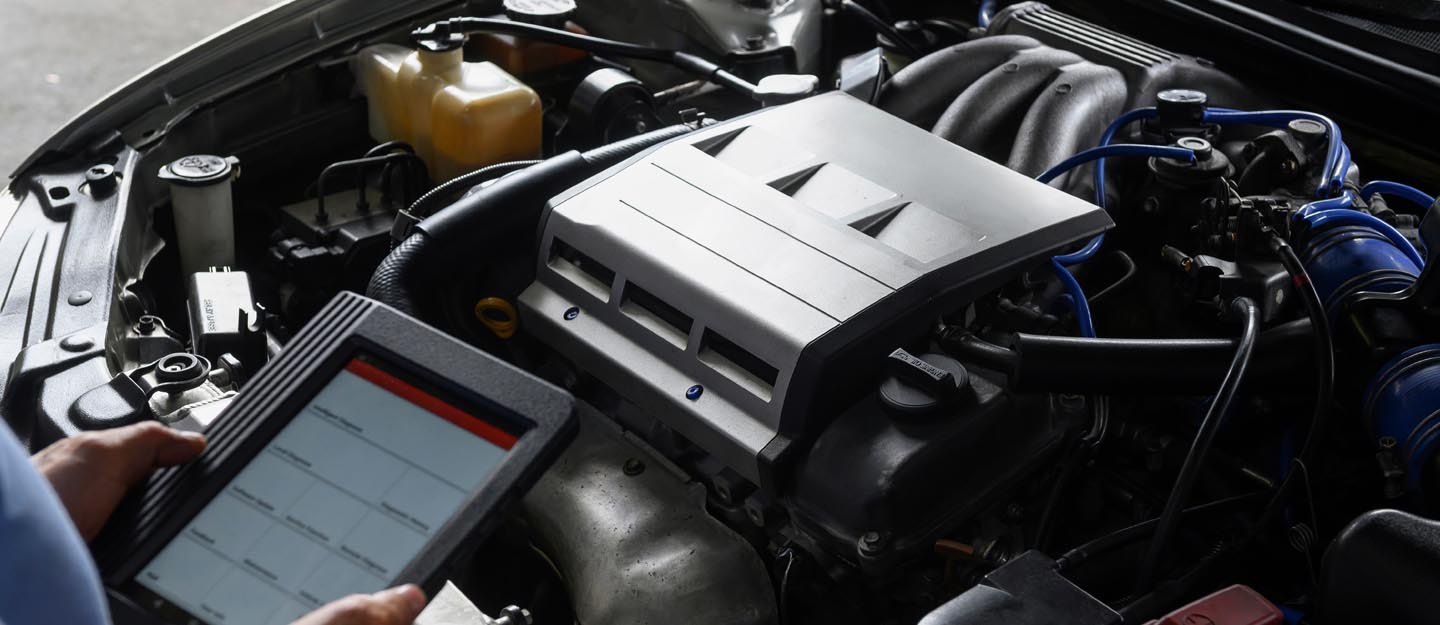
Credit: www.dubizzle.com
Preventative Maintenance Tips
Fuel System 1 Ol Fault can often be fixed by checking and cleaning fuel filters regularly. Inspecting fuel lines for wear and leaks ensures smooth operation. Using quality fuel prevents future issues, enhancing system performance and longevity.
Preventative maintenance is essential for avoiding a Fuel System 1 Ol Fault. Regular care helps keep your vehicle running smoothly. It also extends the life of your fuel system components. Here are some easy tips to follow.Regular Fuel System Checks
Inspect your fuel system regularly to catch problems early. Check hoses and connectors for cracks or leaks. Look for any unusual fuel smells around the car. A quick inspection can prevent larger issues later.Keeping Fuel Tank Clean
A clean fuel tank can stop many problems. Use quality fuel to reduce deposits. Occasionally, have your tank cleaned by a professional. This reduces the risk of clogging and maintains fuel flow.Monitoring Sensor Performance
Sensors play a key role in fuel system efficiency. Check sensor readings with a diagnostic tool. Replace faulty sensors promptly. Accurate sensors help your engine perform better and save fuel.Expert Advice And Recommendations
Discover practical tips for fixing Fuel System 1 OL Fault. First, check for leaks and damaged hoses. Next, inspect the fuel pump and replace if necessary. Finally, ensure filters are clean to prevent blockages. These steps help maintain your vehicle’s efficiency and performance.
Fixing a Fuel System 1 Ol Fault might seem daunting, but with expert advice and recommendations, you’re not alone in this journey. Whether you’re a seasoned car enthusiast or a newbie, understanding the nuances of your vehicle’s fuel system is crucial. Let’s dive into practical insights to guide you through this process.When To Seek Professional Help
You might wonder if every fuel system fault requires a professional. Sometimes, the issue is minor, like a clogged filter. But if your car stalls unexpectedly or emits unusual noises, it’s time to consult an expert. Your vehicle’s safety and performance can be at risk. Have you ever tried fixing something and ended up with more problems? Don’t let that happen with your fuel system.Choosing Quality Replacement Parts
Selecting the right replacement parts can make all the difference. Not all parts are created equal; some could compromise your vehicle’s efficiency. Opt for brands known for durability and compatibility with your car model. Picture this: a friend replaced his fuel pump with a generic one, only to face recurring issues. Quality truly matters. Would you trust your car with subpar components?Common Mistakes To Avoid
Misdiagnosing the problem is a frequent pitfall. You might think the issue is the fuel pump when it’s actually the filter. Another mistake is using incorrect tools. Imagine using a hammer when a wrench is needed—you’ll end up damaging your car. Also, rushing the process can lead to costly errors. Have you ever tried fixing something in haste only to regret it later? Slow down and double-check your steps. By following these expert tips, you’ll not only fix your car but also enhance your mechanical skills. Remember, every car is unique, and understanding yours can save you time and money. What steps will you take next to resolve your fuel system fault?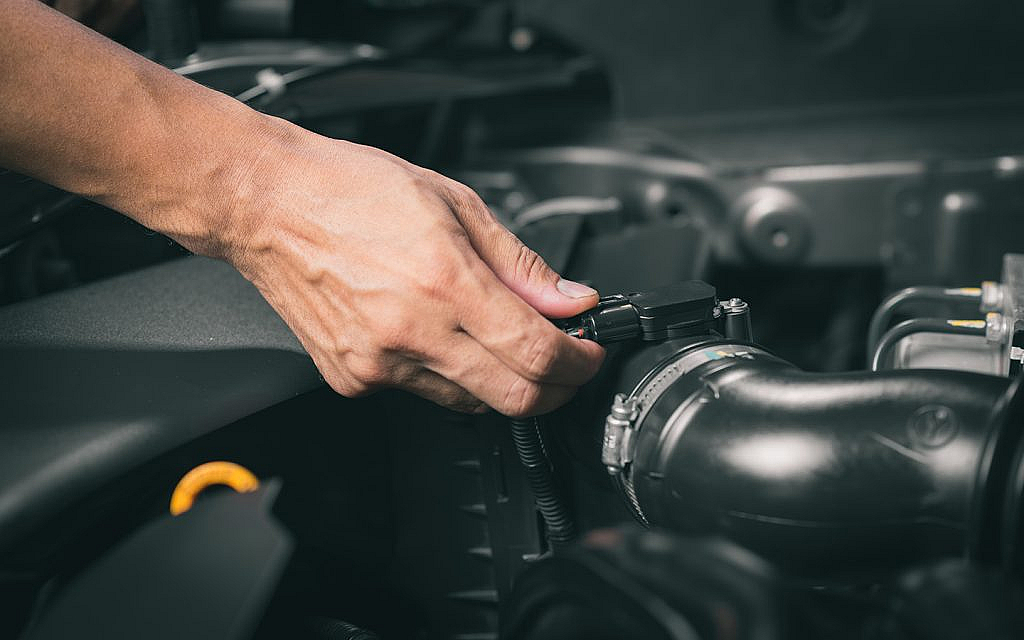
Credit: www.dubizzle.com
Frequently Asked Questions
What Is Fuel System 1 Ol Fault?
A fuel system 1 OL fault indicates an open loop issue. It means the engine runs without feedback from oxygen sensors. This can lead to inefficient fuel use, reduced performance, and increased emissions. Immediate diagnosis and repair are essential to prevent further engine damage.
How To Fix Fuel System Bank 1 Fail?
To fix a fuel system bank 1 fail, check for vacuum leaks and inspect the fuel injectors. Replace faulty sensors, such as the oxygen sensor. Clean or replace the mass airflow sensor and ensure the fuel pump is functioning properly.
Consult a mechanic for further diagnostics if needed.
What Does Fuelsys1 Ol Drive Mean?
Fuelsys1 OL drive indicates your vehicle’s fuel system is operating in open loop mode. This typically occurs during engine warm-up or high-performance demands, affecting fuel-air mixture. It’s essential for optimal engine performance and efficiency. Consider checking the system if this persists to avoid potential issues.
What Is An Ol Fault On O2 Sensor?
An OL fault on an O2 sensor indicates it’s operating in “open loop” mode. The sensor isn’t providing feedback to the engine’s computer, possibly due to malfunction or disconnection. This can lead to inefficient fuel management and increased emissions. Prompt diagnosis and repair can restore optimal sensor function.
Conclusion
Fixing the Fuel System 1 OL fault can seem daunting. But with patience, it becomes manageable. First, understand the fault’s cause. Then, gather necessary tools and parts. Follow the steps carefully. Check every connection and component. Ensure everything is secure and tight.
Test the system after repairs. Listen for unusual sounds. Observe any warning lights. If the issue persists, seek professional help. Regular maintenance prevents future faults. Keep your vehicle in top shape. Enjoy a smoother and safer ride.

Ethan Montgomery is the administrator of carweldhub.com and an expert in the automotive industry. With hands-on experience in welding and a deep understanding of automotive parts and accessories, Ethan brings a wealth of practical knowledge to his work. His passion for the automotive field extends to blog writing and editing, where he shares valuable insights and tips with enthusiasts and professionals alike. Whether you’re looking for detailed technical advice or the latest trends in automotive technology, Ethan’s expertise makes him a trusted resource in the automotive community.