How to Put a Ford Explorer in 4 Wheel Drive: Easy Guide
Imagine this: You’re driving your Ford Explorer on a scenic, snowy road. Suddenly, the terrain becomes challenging, and you need extra traction.
You know that engaging your 4-wheel drive is the solution, but you’re not quite sure how to do it. Don’t worry, you’re not alone. Many Ford Explorer owners find themselves in this situation, eager to conquer those tricky roads with confidence.
By the time you finish reading this article, you’ll know exactly how to put your Ford Explorer in 4-wheel drive. Whether you’re facing icy patches or muddy trails, you’ll be equipped to handle them with ease. Unlock the full potential of your vehicle, and discover the simple steps to ensure your drive is smooth and secure. Ready to transform your driving experience? Let’s dive right in!
Understanding 4 Wheel Drive
Understanding how 4 Wheel Drive (4WD) works in your Ford Explorer can transform your driving experience. Whether you’re tackling rugged terrain or cruising through snowy paths, 4WD provides the control and stability you need. But do you know why it’s essential and what benefits it offers?
Purpose Of 4 Wheel Drive
4 Wheel Drive is designed to provide power to all four wheels simultaneously, which is crucial when you’re navigating challenging landscapes. Think about those off-road adventures or slippery conditions. With 4WD, your vehicle gains extra traction, making it easier to maneuver through tough spots.
Consider a recent camping trip where the road was muddy and uneven. Engaging 4WD in your Explorer means you can focus on the journey rather than worrying about getting stuck. It’s like having a reliable partner who ensures you reach your destination safely.
Benefits For Driving Conditions
Have you ever driven through a snowstorm? 4WD can be your best friend in such scenarios. It enhances stability, reducing the likelihood of skidding. Imagine driving up a steep hill covered in ice; 4WD distributes power evenly, providing the grip needed to ascend safely.
But its benefits aren’t limited to just harsh weather. On sandy beaches or rocky trails, 4WD ensures your Explorer maintains the necessary traction. You can enjoy your adventures knowing your vehicle is equipped to handle diverse terrains.
So, how does this impact your daily drive? Next time you face unexpected road conditions, remember that engaging 4WD can make all the difference. Is your Ford Explorer ready to tackle the challenges of your next adventure?
Ford Explorer Models With 4 Wheel Drive
The Ford Explorer has been a popular choice for those who need a reliable SUV with the versatility of a 4-wheel drive (4WD) system. Whether you’re navigating snowy roads or venturing off the beaten path, the 4WD capability can be a game-changer. But not every Ford Explorer comes with this feature. Let’s dive into which models are equipped with 4WD and how they vary across different years.
Compatible Models
If you’re looking to maximize your Explorer’s capabilities, you need to know which models come with 4WD. Several trims of the Ford Explorer offer this feature, allowing you to tackle tougher terrains with ease. The 4WD option is available in trims like the XLT, Limited, and Sport, among others.
Choosing a model with 4WD can make a big difference in handling and safety, especially if you live in an area with challenging weather conditions. You might recall a time when having 4WD helped you safely navigate through a snowstorm or muddy trail. It’s these real-life experiences that highlight the importance of selecting the right model.
Year Variations
The availability of 4WD in Ford Explorer models has evolved over the years. In earlier models, 4WD was often an optional feature, but many recent models include it as part of standard offerings in certain trims. For instance, the 2020 Explorer introduced a more advanced 4WD system that improved performance and safety.
Each year brings slight variations in technology and performance enhancements. It’s crucial to research the specific year and model of the Explorer you’re interested in to ensure it meets your needs. Are you considering a used Explorer? Pay attention to the year to understand the 4WD capabilities and upgrades available.
Have you ever been caught off guard by a sudden change in weather? A 4WD system can be your best ally. Remember, choosing the right year and model can mean the difference between a smooth drive and a challenging one. So, which year of the Ford Explorer has caught your eye for its 4WD features?
Steps To Engage 4 Wheel Drive
Engaging the 4 Wheel Drive (4WD) in your Ford Explorer can be simple. This feature is vital for tackling rough terrains and adverse weather. Follow these steps to activate it efficiently.
Starting The Vehicle
Begin by starting the engine. Ensure the vehicle is in park or neutral. Keep your foot on the brake pedal for safety. This prepares the vehicle for a smooth transition to 4WD.
Locating The 4wd Control
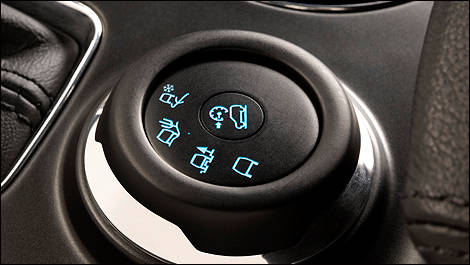
Find the 4WD control knob or button. It’s usually on the dashboard or center console. Check your vehicle manual if unsure. Familiarize yourself with its location for quick access.
Shifting To 4 Wheel Drive Mode
Turn the 4WD control to the desired mode. Common modes include 4WD High or 4WD Low. Choose 4WD High for regular off-road conditions. Opt for 4WD Low for steep or slippery areas. Wait a few seconds for the system to engage. You may hear a slight click or feel a change. This indicates the shift is complete.

Credit: www.akinsford.com
Tips For Using 4 Wheel Drive
Engage four-wheel drive in a Ford Explorer by shifting the drive mode selector to “4WD. ” Ensure your vehicle is stationary and in neutral before proceeding. This enhances traction on rough terrains, ensuring a smoother and safer drive.
Getting the most out of your Ford Explorer’s 4-wheel drive (4WD) system can make a big difference when you’re driving on challenging terrains. Whether you’re tackling snowy roads or muddy trails, understanding how to effectively use 4WD is crucial. Here are some tips that will help you harness the power of your Ford Explorer’s 4WD system.
When To Use 4wd
Engaging 4WD isn’t something you do every day. It’s specifically designed for situations where you need extra traction. Think about those snowy or icy roads, muddy paths, or even rocky terrains. You might remember a time you got stuck in mud; activating 4WD could have been your ticket out. Ask yourself: is the road slippery or uneven? That’s your cue to switch to 4WD.
Driving Techniques
Once you’re in 4WD, your driving style might need a bit of adjusting. Maintain a steady speed and avoid sudden acceleration. This helps in maintaining traction and control. Remember when you last drove on a slippery road and your car skidded? A gentle approach with the accelerator would have helped. Also, while cornering, keep your turns smooth. Sharp turns can cause the wheels to lose traction, even in 4WD mode.
Always be mindful of the surface you’re driving on. Whether it’s gravel, sand, or snow, each requires a slightly different approach. Using 4WD effectively is all about knowing when and how to engage it. It’s not just about pressing a button; it’s about adapting your driving to the conditions. Keep these tips in mind, and you’ll be ready for whatever the road throws at you. Have you ever felt the thrill of overcoming a challenging drive with the help of 4WD? Share your experiences and join the conversation!
Troubleshooting Common Issues
Encountering issues with your Ford Explorer’s 4WD can be frustrating. Understanding common problems helps solve them quickly. Proper maintenance can prevent many issues. But sometimes, troubleshooting becomes necessary. Below are common issues faced during engagement of 4WD.
Difficulty Engaging 4wd
Difficulty engaging 4WD is a frequent problem. First, check the vehicle’s speed. Engaging 4WD often requires lower speeds. Ensure the transmission is in neutral or park. Sometimes, the 4WD switch or lever might be faulty. Inspect for any visible damage. Test the switch’s functionality. Listen for unusual sounds when attempting engagement. Grinding noises indicate mechanical issues. Regular maintenance can reduce these occurrences. Changing the transfer case fluid might help too.
Indicator Light Problems
Indicator light issues may confuse drivers. A faulty light might not show active 4WD mode. Check the bulb first. Bulbs can burn out over time. Replace the bulb if necessary. Inspect the wiring connected to the indicator. Loose or damaged wires affect functionality. Ensure connections are secure. Electrical issues might require professional assistance. Regular checks help avoid unexpected surprises. Keeping the dashboard clean ensures visibility of all indicators.

Credit: www.youtube.com
Maintenance For 4 Wheel Drive System
Maintaining your Ford Explorer’s 4 wheel drive system ensures smooth operation. Regular maintenance prevents costly repairs and extends the vehicle’s life. It also guarantees that the 4 wheel drive functions when needed, especially in tough terrains. Knowing how to care for the system is crucial for optimal performance. Below are some maintenance tips to keep your 4 wheel drive in top condition.
Regular Inspection Tips
Check the fluid levels regularly. Low fluid can cause damage. Inspect the transfer case for any leaks. Leaks indicate potential issues that need addressing. Look at the driveshaft and universal joints. They should be free from excessive wear. Listen for unusual noises while driving. Strange sounds might signal a problem. Ensure the 4 wheel drive engages smoothly. If not, it might need attention.
Common Wear And Tear
Watch out for worn-out tires. Uneven wear affects the 4 wheel drive. Check for rust on the undercarriage. Rust can weaken components over time. Monitor the suspension system for damage. Suspension issues impact drive quality. Pay attention to the differential. It should not make grinding noises. Examine the axle seals for leaks. Leaks can lead to serious problems.
Credit: www.auto123.com
Frequently Asked Questions
How Does The Ford Explorer 4wd Work?
The Ford Explorer 4WD utilizes a Terrain Management System. It adjusts driving settings based on road conditions. Drivers choose modes like Snow, Sand, or Mud to optimize traction. The system automatically distributes power between wheels for enhanced stability and control.
This ensures safety and performance in diverse environments.
How To Activate 4×4 On Ford?
Activate 4×4 on a Ford by shifting into neutral. Turn the 4WD dial or press the button to 4×4 mode. Wait for the indicator light to confirm activation. Always consult your owner’s manual for specific instructions related to your model.
Do You Have To Be In Neutral To Switch To 4wd Ford?
For most Ford models, switch to 4WD by stopping or slowing down. Engage the system in neutral or park. Check your owner’s manual for specific instructions. Always ensure safety and follow guidelines to avoid damage.
How Do I Change The Drive Mode On My Ford Explorer?
To change the drive mode on your Ford Explorer, use the drive mode selector on the center console. Turn the dial to choose your desired mode: Normal, Eco, Sport, Tow/Haul, or Off-Road. The selected mode will appear on the dashboard display for confirmation.
Conclusion
Switching your Ford Explorer to 4-wheel drive is simple. Just follow the steps outlined above. Remember, safety comes first. Test your vehicle in a safe area. Practice switching modes until comfortable. Understanding your vehicle’s capabilities is crucial. Regular maintenance ensures smooth operation.
Check tires, fluids, and systems regularly. Be prepared for unexpected road conditions. Enjoy the added traction and control. With this knowledge, you’re ready to tackle tough terrains. Always drive responsibly and stay informed. Your Explorer is built for adventure. Embrace the journey and drive with confidence.

Automotive Specialist & Expert Writer
Tyler Kingston is a passionate automotive writer with a wealth of knowledge in all things cars. With years of experience in the automotive industry, Tyler specializes in everything from vehicle maintenance to the latest car technologies and innovations. He is known for his ability to break down complex automotive concepts into easily digestible, engaging content for both novice and experienced car enthusiasts. Whether it’s detailing car repair techniques, reviewing new car models, or diving into the world of auto accessories, Tyler’s articles provide valuable insights to readers. His hands-on experience, combined with a genuine love for cars, allows him to deliver expert advice, tips, and news that keeps readers coming back for more.