Can Abs Cause Brake Pedal to Go to the Floor? Discover How!
Have you ever found yourself driving, only to press the brake pedal and feel it sink all the way to the floor? It’s a sensation that can send a shiver down your spine and leave you questioning the safety of your vehicle.
You might wonder if your Anti-lock Braking System (ABS) could be the culprit behind this unsettling experience. Understanding the relationship between your ABS and brake pedal behavior is crucial not only for your peace of mind but also for your safety on the road.
This article promises to demystify this issue, revealing the truths and dispelling myths, so that you can drive with confidence. Stay tuned as we dive deep into the mechanics and nuances of your car’s braking system.
Credit: www.wagnerbrake.com
Understanding Abs System
The Anti-lock Braking System (ABS) is a crucial technology in modern vehicles designed to prevent wheels from locking up during braking. This system enhances your car’s control, especially during emergency stops or on slippery roads. Understanding the ABS system can help diagnose issues like a brake pedal sinking to the floor, which can be a safety concern.
Components Of Abs
ABS is made up of several key components that work together to ensure your safety. The wheel speed sensors monitor the speed of each wheel, providing essential data to the ABS control module. This module processes the information and adjusts the brake pressure accordingly.
The hydraulic control unit is another vital part, which manages brake fluid pressure in the brake lines. You might have noticed the ABS warning light on your dashboard; that’s your vehicle’s way of telling you something might need attention. Have you ever felt the pulsing in your brake pedal during an emergency stop? That’s the ABS at work.
Functionality Of Abs
ABS prevents wheel lockup by modulating brake pressure. Imagine driving on a wet road and suddenly needing to stop. Without ABS, your wheels could lock up, and you might skid uncontrollably. With ABS, the system pulses the brakes, allowing you to maintain steering control.
This functionality is particularly beneficial in avoiding accidents. Have you ever wondered why your car doesn’t skid like in old movies during a panic stop? It’s all thanks to ABS. The system ensures that even if you’re in a high-stress situation, you can steer around obstacles.
ABS doesn’t just stop at preventing skids; it also contributes to overall driving stability. If you’ve ever driven a car without ABS, you know the difference it makes. Do you feel safer knowing that your car has this technology? It’s an example of how modern automotive systems enhance safety and performance.
By understanding how ABS works and its components, you can better appreciate its role in vehicle safety. Next time you hit the brakes, think about the technology working hard to keep you safe. How often do we overlook these systems until something goes wrong? Keep your ABS in mind, and ensure it’s functioning correctly to avoid issues like a brake pedal going to the floor.
Causes Of Brake Pedal Issues
Brake pedal issues can be a serious concern for any driver. Understanding the reasons behind these problems can help you address them. Several factors can cause your brake pedal to feel unresponsive or sink to the floor. Let’s explore the main causes.
Hydraulic System Problems
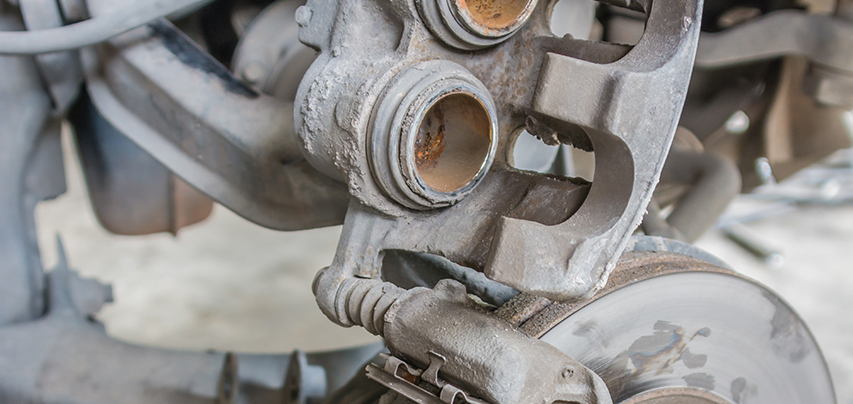
The hydraulic system plays a crucial role in braking performance. If there’s a fluid leak, the brake pedal might not work properly. Leaking fluid can reduce pressure in the system, making the pedal feel soft. Regular checks can prevent leaks and ensure the system functions well. Damaged seals or worn-out parts can also lead to hydraulic failures. Repairing these promptly can restore your brake pedal’s firmness.
Air In Brake Lines
Air bubbles in brake lines can cause the pedal to feel spongy. Air interferes with fluid movement, reducing braking efficiency. Bleeding the brake lines can remove trapped air and improve pedal response. This process involves releasing air from the system and refilling with fluid. It’s essential to keep the brake lines air-free for optimal performance. Routine maintenance can help maintain smooth fluid flow.
Abs Sensor Malfunctions
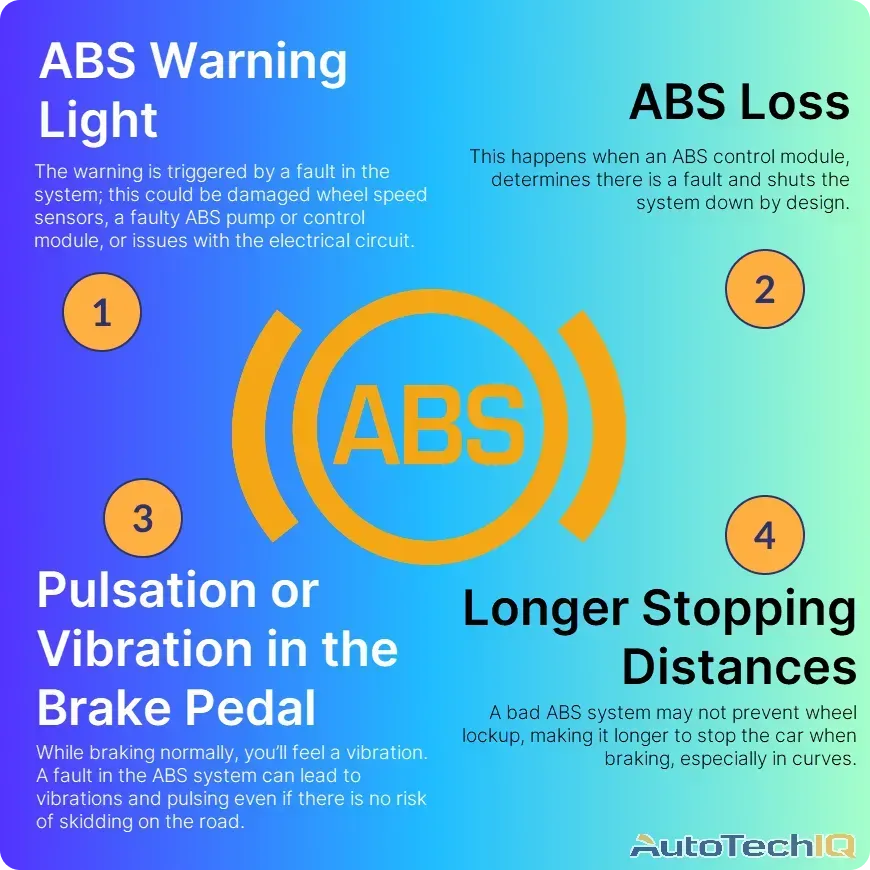
The ABS sensors monitor wheel speed and control braking pressure. Faulty sensors can send incorrect signals, affecting pedal response. An issue with the ABS might cause the pedal to sink unexpectedly. Regular sensor checks can prevent malfunctions and ensure safe driving. If the ABS light is on, it may indicate sensor issues. Addressing these promptly can prevent further complications.
Diagnosing Brake Pedal Problems
Diagnosing brake pedal problems can be challenging. A brake pedal going to the floor raises safety concerns. Understanding the cause helps address the issue effectively. Let’s explore the steps involved in diagnosing these problems.
Visual Inspection
Start with a visual inspection of the brake system. Check for leaks in the brake lines. Examine the brake fluid reservoir. Ensure it has enough fluid. Inspect the brake pads and rotors. Look for signs of wear or damage. A thorough check can reveal obvious issues.
Diagnostic Tools
Use diagnostic tools to pinpoint the problem. A brake system analyzer provides valuable insights. It measures fluid pressure and checks for leaks. A scan tool reads fault codes from the ABS system. These tools help identify potential problems quickly. Understanding these readings is crucial.
Professional Assessment
If the issue persists, seek professional help. A mechanic offers a comprehensive assessment. They have the expertise and tools needed. They can identify complex issues. Their experience ensures the right diagnosis. This prevents further damage and ensures safety.
Credit: www.autotechiq.com
Impact Of Abs On Brake Pedal Behavior
The Anti-lock Braking System (ABS) plays a crucial role in vehicle safety. It prevents wheels from locking during heavy braking. This enhances control and reduces stopping distances. But how does ABS affect the brake pedal? Understanding this can help in diagnosing brake issues.
Abs Activation Effects
ABS activates during sudden or hard braking. You might feel a pulsation in the brake pedal. This is normal. The system rapidly pumps brakes to prevent wheel lock-up. This pulsation means ABS is working. It’s keeping you safe. If the pedal goes to the floor, it could signal a problem.
Abs Failure Consequences
ABS failure can lead to serious brake issues. When ABS fails, the brakes might not work properly. The pedal could go to the floor. This is dangerous. It means brake fluid might be leaking. Or there could be air in the brake lines. Regular maintenance can prevent these issues.
Solutions For Brake Pedal Concerns
Experiencing a brake pedal sinking to the floor is alarming. This issue compromises safety and demands prompt attention. Discover effective solutions to address brake pedal concerns. These solutions ensure your vehicle operates safely and efficiently.
Repairing Hydraulic Issues
Hydraulic systems are vital for brake function. Leaks can cause brake pedals to sink. Inspect brake lines and hoses for leaks. Replace damaged or worn components. Bleeding the brake system removes air bubbles. This restores hydraulic pressure. Regular checks prevent future problems.
Addressing Abs Failures
ABS failures affect brake performance. Faulty sensors or wiring can disrupt system operation. A diagnostic test identifies ABS issues. Repair or replace malfunctioning sensors. Ensure wiring connections are secure. Proper functioning ABS enhances vehicle control.
Maintenance Tips
Regular maintenance prevents brake pedal issues. Check brake fluid levels often. Replace fluid every two years. Inspect brake pads and rotors for wear. Replace them when necessary. Routine checks keep your brakes in top condition.
Prevention And Safety Measures
Brake pedal issues can arise from ABS malfunctions. Regular maintenance and proper inspection help prevent such problems. Ensure brake fluid levels are adequate and check for leaks to maintain safety.
When your brake pedal suddenly goes to the floor, it can be a terrifying experience. Understanding how to prevent this issue is crucial for your safety. One of the main culprits could be the Anti-lock Braking System (ABS). Let’s dive into some practical prevention and safety measures you can take to avoid such unsettling situations.
Regular Maintenance Routines
Keeping up with regular maintenance is essential. Check your brake fluid levels frequently. Low brake fluid can lead to a soft pedal or one that sinks to the floor. Schedule routine inspections with a trusted mechanic. They can identify worn brake components early. This not only saves money but also prevents unexpected brake failures. Inspect your ABS sensors regularly. Dirty or damaged sensors can cause the system to malfunction. A simple cleaning or timely replacement can make a big difference.
Safety Precautions
Always listen to your vehicle. Unusual sounds or warning lights can be early indicators of a brake issue. Address these signs promptly to avoid bigger problems. Practice emergency braking in a safe environment. Understanding how your car reacts can prepare you for real-life scenarios. It’s a good way to test your ABS and your reaction time. Consider keeping a brake fluid kit in your vehicle. It’s a handy tool for topping off your brake fluid in an emergency. However, remember that this is a temporary fix and should be followed by a professional check-up. Have you ever experienced a brake pedal going to the floor? What steps did you take to ensure it never happened again? These insights can help others stay safe on the road.

Credit: www.youtube.com
Frequently Asked Questions
How Will Your Brake Pedal Feel If Your Abs Is Faulty?
A faulty ABS can cause a brake pedal to feel hard, vibrating, or pulsating. You might notice longer stopping distances. The pedal can also feel soft or spongy, indicating possible issues with brake fluid or air in the brake lines.
Always check with a professional mechanic for accurate diagnosis.
Can Abs Cause Sinking Brake Pedals?
Yes, a malfunctioning ABS system can cause sinking brake pedals. Faulty ABS components affect brake pressure, leading to this issue. It’s crucial to have a professional inspect your vehicle if you notice this problem. Regular maintenance ensures ABS functionality and safety, preventing further complications with your braking system.
Can Abs Cause Brake Pedal To Go To The Floor While?
ABS typically prevents brake pedal issues. If the pedal goes to the floor, check for leaks or brake system problems. Faulty ABS components can sometimes affect pedal feel. It’s crucial to inspect the entire brake system promptly to ensure safety.
Why Is My Brake Pedal Going To The Floor If It’s Full Of Fluid?
A brake pedal going to the floor despite full fluid may indicate air in the brake lines or a faulty master cylinder. Check for leaks or worn brake components. Regular maintenance ensures safe and efficient braking. Consult a mechanic for a thorough inspection and necessary repairs to prevent accidents.
Conclusion
Understanding ABS and brake pedal issues is crucial for safe driving. Knowing the causes helps prevent unexpected brake failures. Regular maintenance checks can identify potential problems early. Consult a professional if your brake pedal feels unusual. Safety on the road should always be a priority.
Properly functioning brakes are essential for peace of mind. Stay informed about how your car’s systems work. This knowledge ensures you drive with confidence. Remember, a well-maintained vehicle leads to safer journeys. Keep learning about car safety features. Your safety matters.

Ethan Montgomery is the administrator of carweldhub.com and an expert in the automotive industry. With hands-on experience in welding and a deep understanding of automotive parts and accessories, Ethan brings a wealth of practical knowledge to his work. His passion for the automotive field extends to blog writing and editing, where he shares valuable insights and tips with enthusiasts and professionals alike. Whether you’re looking for detailed technical advice or the latest trends in automotive technology, Ethan’s expertise makes him a trusted resource in the automotive community.