
How to Transport a Golf Cart U Haul: Easy, Safe, and Quick Tips
Are you planning to move your golf cart and wondering how to get it there safely? Transporting a golf cart with a U-Haul can seem tricky, but it doesn’t have to be.
Whether you’re heading to a new home, a golf course, or a special event, knowing the right steps will save you time, money, and stress. In this guide, you’ll discover simple, practical tips to load, secure, and transport your golf cart like a pro.
Keep reading to make sure your golf cart arrives in perfect condition—without any hassle.
Choosing The Right U-haul
Transporting a golf cart requires choosing the right U-Haul vehicle. This decision affects safety and ease. Selecting the correct size and type ensures a smooth journey. Let’s explore how to make the best choice.
Selecting The Proper Truck Size
First, determine the golf cart’s dimensions. Measure its length, width, and height. Compare these measurements with U-Haul truck sizes. A 10-foot truck often fits a standard golf cart. Check the truck’s weight capacity too. Ensure it can handle your cart’s weight. Secure the cart inside using tie-downs. This prevents movement during transport.
Considering Trailer Options
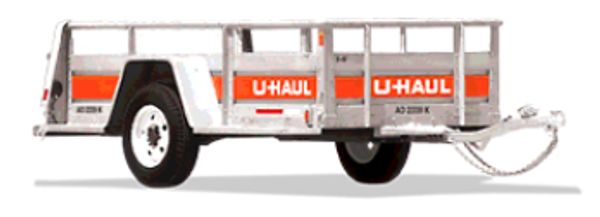
Trailers offer flexibility for golf cart transport. They come in different sizes. Open trailers are cost-effective. They expose the cart to weather, though. Enclosed trailers provide protection. They shield your cart from elements. Match the trailer size to your cart. Ensure it fits snugly. Consider ramp availability. A ramp eases loading and unloading.
Credit: www.uhaul.com
Preparing The Golf Cart
Preparing your golf cart before loading it onto a U-Haul trailer is a crucial step that ensures a smooth and safe transport. Skipping this part can lead to unexpected issues during the move, which could cost you time and money. Taking time to clean, inspect, and secure your cart will give you peace of mind and protect your investment.
Cleaning And Inspecting
Start by giving your golf cart a thorough wash. Dirt and debris can hide damages or wear that need attention before transport.
Check the tires for proper inflation and any signs of cracks or wear. Inspect the frame and body for rust, cracks, or loose screws that could worsen during transit.
Have you ever noticed a small leak or loose wire only after unloading? Catching these early helps avoid surprises.
Securing Loose Parts
Look over your golf cart for anything that might move or fall off during the trip. Loose mirrors, seats, or accessories should be tightened or removed.
Store small parts like keys, tools, or chargers in a secure container. This way, you won’t lose anything important along the way.
Imagine how frustrating it would be to realize a rearview mirror broke because it wasn’t secured properly. Taking a few extra minutes now saves headaches later.
Checking Battery And Fluids
Inspect the battery terminals for corrosion and make sure connections are tight. If your golf cart uses a lead-acid battery, check the fluid levels and top off if necessary.
Also, check brake fluid, coolant, and any other fluids your cart uses. Low fluid levels can cause mechanical issues during transport or when you start using the cart again.
Have you tested the battery charge recently? A fully charged and well-maintained battery prevents trouble when you arrive at your destination.
Loading The Golf Cart
Loading a golf cart onto a U-Haul truck or trailer requires care and attention. Proper loading ensures safety during transport and protects the golf cart from damage. Understanding the right steps helps avoid accidents and makes the process smooth.
Positioning On The Truck Or Trailer
Place the golf cart in the center of the truck or trailer. This helps balance the weight evenly. Position the cart so it faces forward to reduce movement. Keep some space around the cart to secure it properly. Avoid placing it too close to edges or walls.
Using Ramps Safely
Use sturdy ramps designed for vehicle loading. Ensure ramps are firmly attached to the truck or trailer. Check the ramp angle; it should not be too steep. Move the golf cart slowly and steadily up the ramp. Have someone guide you from outside for better control. Keep hands and feet clear of moving parts during loading.
Avoiding Common Loading Mistakes
- Do not rush the loading process; go slow and steady.
- Avoid loading on uneven or soft ground that may cause slipping.
- Do not overload the truck or trailer beyond its weight limit.
- Skip using proper tie-downs or restraints to secure the cart.
- Avoid driving the golf cart too fast while loading or unloading.
Credit: www.uhaul.com
Securing The Golf Cart
Securing your golf cart properly inside a U-Haul is crucial for safe transportation. Without the right precautions, your cart could shift, causing damage to itself or the vehicle. You want to make sure it stays put from the moment you start driving until you arrive at your destination.
Choosing The Right Tie-down Straps
Not all straps are created equal. Look for heavy-duty ratchet straps designed to handle the weight and size of a golf cart. Avoid cheap bungee cords or weak ropes—they won’t provide the necessary tension and can snap during transit.
Think about the attachment points on your golf cart. Straps with padded hooks or loops prevent scratching or denting the frame. If you’ve ever had to fix damage from poor securing, you know the value of investing in quality straps upfront.
Proper Tie-down Techniques
Place the straps over the golf cart’s frame, not on fragile parts like the canopy or tires. Secure them tightly but avoid overtightening, which might damage the cart. Use at least four tie-down points: two on the front and two on the back.
Make sure the straps run diagonally to prevent any side-to-side movement. A good trick is to pull the cart slightly forward or backward while tightening to remove slack. This keeps the cart firmly anchored during sudden stops or turns.
Double-checking Stability
Once the straps are in place, give your golf cart a firm push from different angles. Does it move or wobble? If yes, tighten the straps further or add an extra strap for security.
Before hitting the road, inspect the straps after a short test drive. Vibrations can loosen them, so it’s important to check again and adjust as needed. Would you rather discover a loose strap on your driveway or halfway across town?
Driving Tips For Transport
Driving a U-Haul with a golf cart inside demands careful attention and gentle handling. The extra weight and size affect how the vehicle responds on the road. Safe driving protects both the golf cart and other drivers.
Adjusting Speed And Handling
Drive slower than usual to maintain control. Sharp turns can cause the golf cart to shift or tip. Brake early and gently to avoid sudden stops. Stay alert to how the U-Haul feels, especially when accelerating or slowing down.
Planning Your Route
Choose roads with smooth surfaces and fewer sharp turns. Avoid steep hills or rough terrain if possible. Look for routes with less traffic to reduce stress. Plan stops to check the load and rest.
Monitoring The Load During Travel
Stop regularly to inspect the golf cart’s position and straps. Tighten straps if they become loose. Check the trailer or truck bed for any signs of damage. Ensure the golf cart remains stable throughout the trip.
Unloading The Golf Cart
Unloading a golf cart from a U-Haul requires care to prevent damage and ensure safety. Take your time and stay focused during this process. Proper unloading protects your golf cart and everyone around.
Safe Ramp Use
Place the ramp firmly against the U-Haul’s edge. Check that the ramp is stable and won’t shift. Use a helper to guide you if possible. Drive the golf cart slowly down the ramp. Keep your hands on the steering wheel steady. Avoid sudden moves or sharp turns. Wear gloves for better grip and control.
Inspecting After Transport
Once off the truck, walk around the golf cart carefully. Look for scratches, dents, or loose parts. Check tires for air pressure and damage. Examine the battery and wiring for any signs of wear. Report any damage immediately to avoid future issues. Take photos if needed for records.
Post-transport Maintenance
Charge the golf cart battery fully before use. Clean the cart to remove dirt from the trip. Lubricate moving parts like wheels and steering joints. Check the brakes to ensure they work well. Tighten any loose bolts or screws. Regular maintenance keeps the golf cart in top shape.
Credit: jessescarts.com
Frequently Asked Questions
How Do I Safely Load A Golf Cart Into A U-haul?
To safely load a golf cart, use a sturdy ramp and ensure the cart is in neutral. Secure the cart with straps to prevent movement during transport. Check U-Haul’s weight limits and follow their loading guidelines for safety.
What Size U-haul Is Best For Transporting A Golf Cart?
A 10ft or 15ft U-Haul truck is ideal for most golf carts. These sizes provide enough space to load the cart securely. Always measure your golf cart and compare it with the truck’s dimensions before renting.
Do I Need Special Equipment To Transport A Golf Cart In U-haul?
Basic equipment like ramps and ratchet straps are essential for transporting a golf cart. No special tools are required, but having wheel chocks and protective covers helps ensure safety and prevent damage during transit.
How Much Does It Cost To Transport A Golf Cart With U-haul?
Costs vary based on truck size, rental duration, and distance. On average, expect to pay between $20 to $40 per day for a small U-Haul truck. Additional fees may apply for mileage and insurance.
Conclusion
Transporting a golf cart with U-Haul is simple and safe. Always secure the cart firmly to avoid movement. Check the weight limits of the U-Haul before loading. Use ramps carefully to prevent damage or injury. Drive slowly and watch for bumps on the road.
With proper steps, your golf cart will arrive unharmed. Now, you can move your golf cart with confidence and ease.

Ethan Montgomery is the administrator of carweldhub.com and an expert in the automotive industry. With hands-on experience in welding and a deep understanding of automotive parts and accessories, Ethan brings a wealth of practical knowledge to his work. His passion for the automotive field extends to blog writing and editing, where he shares valuable insights and tips with enthusiasts and professionals alike. Whether you’re looking for detailed technical advice or the latest trends in automotive technology, Ethan’s expertise makes him a trusted resource in the automotive community.