How Wide is a Golf Cart: Essential Guide to Cart Dimensions
Have you ever wondered just how wide a golf cart really is? Whether you’re trying to navigate tight spaces, park it in your garage, or simply want to know if it fits through your gate, knowing the exact width can save you a lot of hassle.
You’ll discover the typical dimensions of golf carts and why this simple detail matters more than you might think. Keep reading, and you’ll get the clear answers you need to make smarter decisions about your golf cart space.
Golf Cart Width Basics
Understanding the width of a golf cart is crucial for many reasons. It helps in planning storage, navigating tight spaces, and ensuring safe transportation. Knowing the basics can make a big difference in your golf cart experience.
Standard Cart Widths
Most golf carts have a standard width between 48 and 60 inches. This measurement includes the wheels and any side accessories. Standard widths ensure easy navigation on golf courses and other paths.
Factors Influencing Width
Several factors can influence the width of a golf cart. Tire size is a major factor. Larger tires can add inches to the overall width. Accessories like side mirrors or storage compartments also affect the width.
The design and model of the cart play a role too. Luxury models may have broader frames for added comfort. Be sure to check the specifications before purchasing or customizing a cart.
Comparing Different Cart Types
Understanding the width of different golf carts is essential, especially if you’re navigating tight paths or storing your cart in limited spaces. The size varies depending on the type and purpose of the cart. Let’s break down how two-seater models compare to four-seater and utility carts in terms of width and usability.
Two-seater Models
Two-seater golf carts are the most common on golf courses. They typically measure between 48 to 54 inches wide. This size strikes a balance between comfort and maneuverability.
Because they’re narrower, two-seaters can easily fit through tighter fairways and narrow gates. If you often play on courses with challenging terrain or limited space, a two-seater might be your best option.
Consider your storage space too—these carts fit well in most garages and sheds. Their compact width makes parking simpler and reduces the chance of accidental scrapes.
Four-seater And Utility Carts
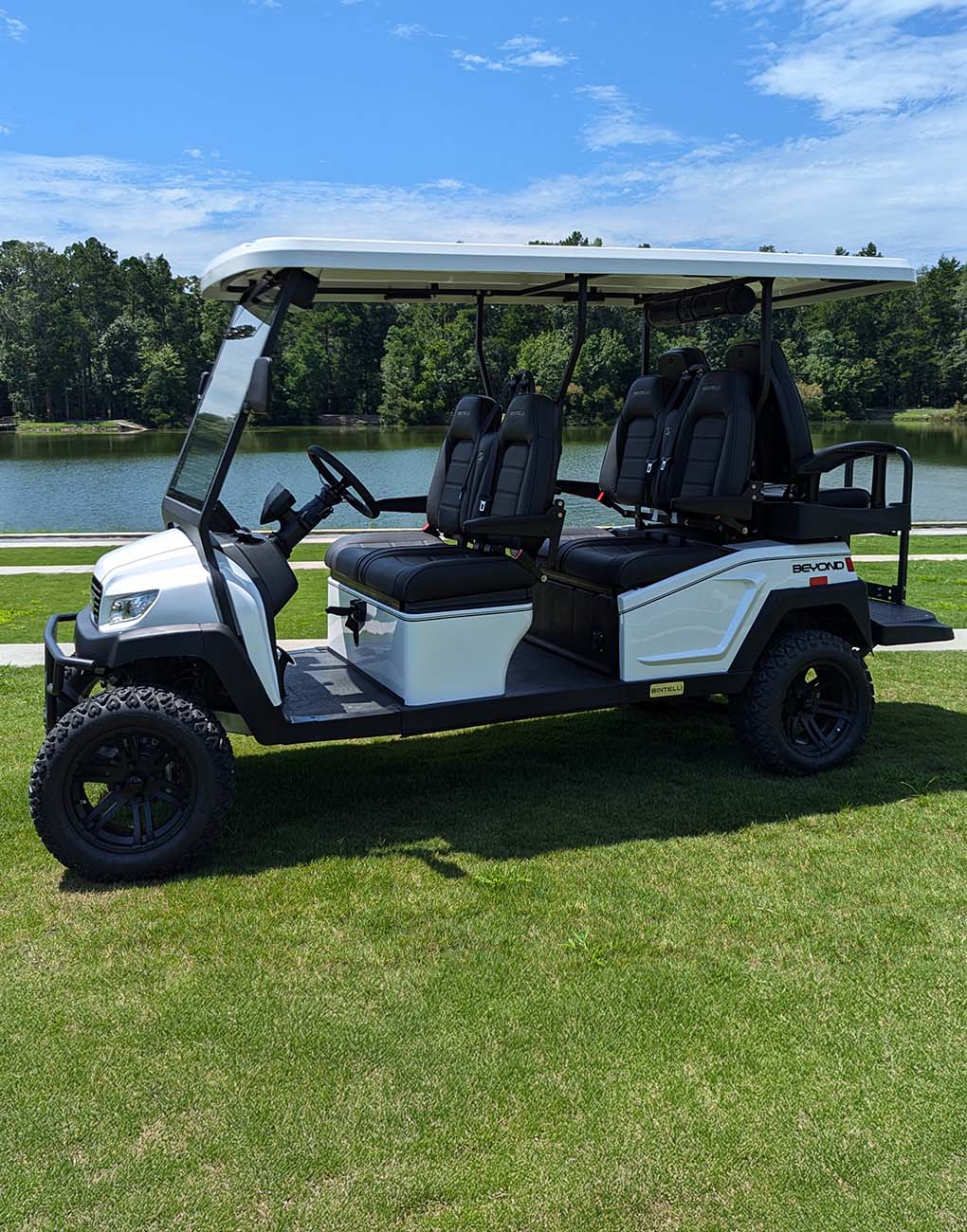
Four-seater carts are wider, generally ranging from 54 to 60 inches. They offer extra seating but take up more space on the course and in storage. This width can make navigating narrow paths trickier.
Utility carts, designed for hauling equipment or carrying multiple passengers, often measure even wider. Some models reach up to 65 inches across. This added width provides stability and cargo space but demands more room to operate.
If you frequently transport gear or ride with friends, these wider carts make sense. However, ask yourself: does the extra width fit your typical course layout and parking setup? The answer will guide your choice.
Impact Of Width On Maneuverability
The width of a golf cart directly affects how easily you can navigate various terrains and obstacles. Understanding this impact helps you choose the right model that fits your needs, whether you’re cruising through a golf course or maneuvering tight spots in your neighborhood. How wide is too wide when it comes to maneuverability, and what trade-offs might you face?
Tight Spaces And Pathways
Narrow golf carts offer a clear advantage in tight spaces. They allow you to slip through narrow paths, between trees, or even in crowded parking areas without much hassle.
If you’ve ever tried turning a wide golf cart on a narrow trail, you know how frustrating it can be. A wider cart might require more space to make sharp turns or navigate obstacles, which can slow you down.
Think about where you’ll use your cart most. If your routes have tight corners or narrow lanes, opting for a narrower model will save you time and stress.
Stability And Safety Considerations
A wider golf cart generally offers better stability. The extra width lowers the risk of tipping over, especially when making sharp turns or driving on uneven ground.
Safety is crucial, especially if you carry passengers or heavy loads. Wider carts tend to handle weight more evenly, giving you a more secure ride.
However, this added stability comes at the cost of reduced maneuverability in cramped areas. Do you value a stable ride more, or do you need to weave through tight spots easily? Your answer will guide your choice in width.

Credit: www.ebay.com
Customization And Width Variations
Golf carts come in a variety of widths, and many owners want to tailor their carts to fit specific needs or terrains. Customizing the width can improve stability, comfort, and even style. Whether you want a wider stance for rough paths or a narrower frame for tight spaces, there are options available that can make your golf cart uniquely yours.
Aftermarket Accessories
Aftermarket accessories offer an easy way to adjust the width of your golf cart without a full rebuild. Wheel spacers are popular; they push the wheels outward, increasing the cart’s width for better balance and a more aggressive look.
Another option is wider tires, which add to the overall width and improve traction. You can also find custom fenders and body kits designed to cover these wider wheels, keeping your cart looking sharp while protecting it from mud and debris.
Have you considered how a simple accessory could enhance both the function and appearance of your golf cart? Sometimes small changes make the biggest difference.
Widening And Narrowing Options
Widening a golf cart often involves upgrading the axle or adding wheel adapters to accommodate a broader stance. This modification increases stability, especially on uneven terrain or when carrying heavier loads.
On the other hand, narrowing your golf cart can help maneuver through tight spots like narrow trails or crowded garages. Some manufacturers offer adjustable frames or narrower axle kits for this purpose.
Remember, altering your golf cart’s width can affect handling and safety, so it’s important to consult with a professional or follow manufacturer guidelines. What tasks would you want your golf cart’s width to support?
Transport And Storage Dimensions
Understanding the transport and storage dimensions of a golf cart is crucial if you plan to move it frequently or keep it in a limited space. The width plays a big role in deciding what kind of trailer you need and how comfortably it fits into your garage. Knowing these details saves you time, hassle, and sometimes unexpected costs.
Trailer And Garage Space Needs
Most standard golf carts measure between 48 to 54 inches wide. This width determines the size of trailer or garage space you’ll require. If your trailer is too narrow, loading and unloading becomes a challenge, and it may even damage the cart’s sides.
When planning your garage space, add extra clearance around the cart for easy access and maintenance. For example, a garage door width of at least 60 inches is often recommended to avoid scraping the sides. Have you measured your garage door and trailer width before purchasing a golf cart?
- Standard golf cart width: 48-54 inches
- Recommended trailer width: Minimum 60 inches
- Garage door width: At least 60 inches for comfortable access
Foldable And Compact Designs
If space is tight, you might consider golf carts with foldable or compact features. Some models have removable or folding seats and steering columns, reducing their width significantly for transport. This can make a difference if your trailer or storage area has strict size limits.
Compact designs often weigh less too, which helps when loading onto trailers or moving manually. Think about whether the convenience of a foldable cart fits your lifestyle or if a standard full-size model better suits your needs.
- Foldable seats reduce overall width
- Compact carts weigh less for easier handling
- Ideal for tight garages or smaller trailers
Credit: www.bintelli.com
Choosing The Right Width For You
Choosing the right width for your golf cart affects comfort and performance. A well-sized cart fits your needs and space. It helps you drive safely and carry what you need. Think about where you will use the cart and what you will carry. This guide helps you find the best width for your golf cart.
Terrain And Usage Needs
Wide golf carts offer better stability on rough and uneven ground. Narrow carts work well in tight spaces and smooth paths. Consider the terrain where you drive most often. Wide carts handle hills and bumps better. Narrow carts fit through narrow gates and paths easily. Choose a width that suits your usual driving area.
Passenger And Cargo Requirements
Think about how many people ride in your golf cart. Wide carts can hold more passengers comfortably. They also have more space for cargo and gear. Narrow carts are best for solo riders or light loads. If you carry golf bags or tools, wider carts give extra room. Match your cart width to your passenger and cargo needs.

Credit: petesgolfcarts.com
Frequently Asked Questions
How Wide Is A Standard Golf Cart?
A standard golf cart typically measures about 4 feet wide. This width allows easy navigation on golf courses and fits most cart paths comfortably.
Does Golf Cart Width Vary By Model?
Yes, golf cart width varies. Some models range from 3. 5 to 5 feet wide, depending on design and seating capacity.
How Wide Are Golf Carts With Extra Seating?
Golf carts with extra seating usually measure around 5 feet wide. This size accommodates additional passengers without compromising stability.
Why Does Golf Cart Width Matter?
Golf cart width affects maneuverability and safety. A wider cart offers stability but may have trouble on narrow paths or tight turns.
Conclusion
Golf carts usually measure between 4 and 5 feet wide. This size fits most paths and golf course lanes. Knowing the width helps with parking and storage decisions. It also ensures safe driving in tight spaces. Different models can vary, so check before buying.
A clear idea of size helps avoid surprises later. Keep these points in mind when choosing your golf cart. Simple and practical. That’s the key.

Ethan Montgomery is the administrator of carweldhub.com and an expert in the automotive industry. With hands-on experience in welding and a deep understanding of automotive parts and accessories, Ethan brings a wealth of practical knowledge to his work. His passion for the automotive field extends to blog writing and editing, where he shares valuable insights and tips with enthusiasts and professionals alike. Whether you’re looking for detailed technical advice or the latest trends in automotive technology, Ethan’s expertise makes him a trusted resource in the automotive community.