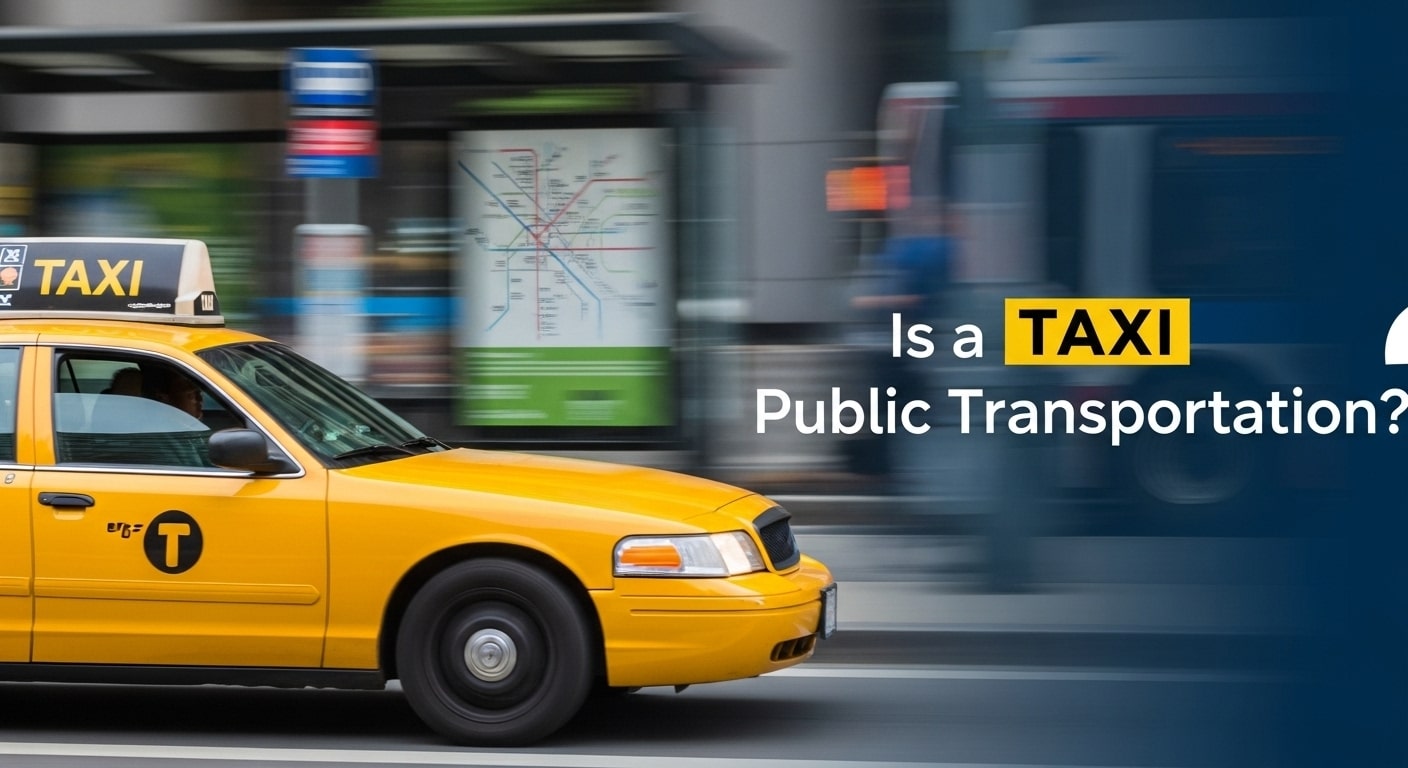
Is a Taxi Public Transportation? Unveiling the Truth Today
Have you ever wondered if a taxi counts as public transportation? You might think it’s just a private ride, but the answer isn’t that simple.
Understanding whether taxis fall under public transit can change how you plan your trips, save money, and even impact your daily commute. Keep reading, and you’ll discover surprising facts that could make your travel smarter and easier. Ready to find out?
Let’s dive in.
Taxi Vs Public Transit
Understanding the difference between taxis and public transit can change how you plan your daily travel or weekend adventures. While both get you from point A to point B, their operation styles and service models vary widely. Let’s break down these differences to help you decide which suits your needs better.
Definition Of Public Transportation
Public transportation refers to shared passenger services available to the general public. This includes buses, subways, trams, and trains that run on fixed routes and schedules. These systems are designed to move large numbers of people efficiently and often at lower costs than private vehicles.
How Taxis Operate Differently
Taxis provide on-demand, door-to-door service, making them more flexible than traditional public transit. You can call a taxi anytime and be picked up exactly where you are, without sticking to a fixed route. Unlike buses or trains, taxis adapt to your schedule, but usually at a higher price.
Key Differences In Service Models
| Feature | Taxi | Public Transit |
|---|---|---|
| Route | Flexible, based on passenger request | Fixed, predetermined routes |
| Schedule | Available on demand | Runs on a set timetable |
| Capacity | Small, usually 1-4 passengers | Large, can carry dozens to hundreds |
| Cost | Generally higher per trip | Lower, often subsidized |
Have you noticed how your taxi rides feel more personal, but your bus trips feel more predictable? This is because taxis prioritize individual convenience, while public transit aims for community accessibility. Which one fits your lifestyle better depends on your priorities—speed, cost, or convenience.
Credit: www.sacbee.com
Legal And Regulatory Perspectives
The legal and regulatory framework shapes the role of taxis in public transportation. Laws define how taxis operate and affect their service to the public. Understanding these rules clarifies if taxis qualify as public transit.
Government Classification Of Taxis
Governments often classify taxis as a form of public transport. This is because taxis serve the public by providing rides on demand. However, unlike buses or trains, taxis do not follow fixed routes or schedules. This flexible service sets taxis apart in many legal systems.
Licensing And Regulation
Taxis require special licenses to operate legally. These licenses control who can drive and maintain safety standards. Authorities set rules on vehicle condition, driver background checks, and fare limits. Licensing ensures taxis meet public safety and service quality requirements.
Impact On Public Transportation Policies
Public transit policies include taxis as part of the broader transport network. Policymakers consider taxis when planning urban mobility. Taxis can fill gaps where buses and trains do not reach. Regulations often aim to balance taxis with other public transit modes to improve overall service.
Role Of Taxis In Urban Mobility
In bustling urban landscapes, taxis play a pivotal role in enhancing mobility. Their unique ability to navigate through city streets and provide door-to-door service makes them indispensable. As you explore the dynamics of urban transportation, understanding the function of taxis can offer insights into how cities efficiently move people.
Filling Transportation Gaps
Taxis often bridge the gap where other public transport options fall short. Imagine you’re running late for an important meeting. The next bus or train is scheduled to arrive in 20 minutes. A taxi can quickly step in, ensuring you reach your destination on time. Their flexibility in routing and timing is unmatched, catering to individual travel needs.
Accessibility And Convenience
Taxis are incredibly accessible, catering to diverse demographics. Whether you’re a senior citizen or someone with mobility issues, taxis offer a comfortable alternative. Unlike buses or subways, they require no walking to stations. Their convenience extends to tourists navigating unfamiliar cityscapes, offering a reliable way to explore urban attractions.
Environmental Considerations
While taxis contribute to urban mobility, they also raise environmental concerns. Many cities are now transitioning to eco-friendly taxi fleets, reducing carbon footprints. This shift prompts a question: Could a greener taxi service redefine urban transportation? By choosing environmentally-conscious options, you play a part in sustainable urban development.
Comparing Cost And Efficiency
Comparing cost and efficiency helps understand how taxis fit into public transportation. Cost affects how many people can afford rides. Efficiency impacts how fast and often taxis serve riders. Both factors show the strengths and limits of taxis versus other transport modes.
Fare Structures
Taxis charge by distance and waiting time. Fares often start with a fixed base rate. Additional costs add as the trip gets longer or slower. This makes short rides affordable but long rides expensive. Public transport uses flat or zone-based fares. This keeps prices low and predictable for most trips.
Time And Availability
Taxis offer door-to-door service at any time. No fixed stops or schedules limit their flexibility. This saves time for many riders. Public transport runs on set routes and times. Waiting for buses or trains can add to total travel time. Crowded conditions may slow travel during peak hours.
Passenger Capacity
Taxis usually carry up to four passengers. Larger groups require multiple vehicles, increasing cost. Public transport vehicles hold many more people at once. Buses and trains move large crowds efficiently. This makes public transport more suitable for busy routes.
Technological Influence
Technology has reshaped how we view taxis in relation to public transportation. It’s no longer just about hailing a cab on the street. Today’s innovations have blurred the lines between private taxi services and public transit options, changing your daily commute in surprising ways.
Ride-hailing Apps And Taxis
Apps like Uber and Lyft have transformed taxis into more accessible and efficient options. You can now request a ride with a few taps, track your driver’s arrival, and pay digitally without cash. These features make taxis feel more like a convenient public service than a private luxury.
Have you noticed how ride-hailing apps often offer shared rides? This option reduces costs and helps cut down traffic congestion. It’s a smart way to use taxis more like buses, sharing rides with others heading in the same direction.
Integration With Public Transit Systems
Some cities are linking taxi services directly with public transit apps. This means you can plan a trip that combines buses, trains, and taxis seamlessly. It helps fill gaps where buses or trains don’t reach, making your whole journey smoother.
Imagine arriving at a train station and instantly booking a taxi for the last leg of your trip. This kind of integration encourages you to use taxis as part of a larger public transportation network rather than relying solely on private cars.
Future Trends In Urban Transport
The future points toward even more tech-driven changes. Autonomous taxis are already being tested in some cities, promising safer and cheaper rides. This could make taxis a core part of public transit, especially during off-peak hours when buses run less frequently.
What if taxis could communicate with traffic lights and other vehicles to reduce wait times? Such innovations could make your rides faster and less stressful, changing how you think about taxis in your daily travel.

Credit: www.safetyandhealthmagazine.com
Public Perception And Usage
Understanding how people view and use taxis sheds light on whether they fit into the category of public transportation. Public perception influences how often taxis are chosen and how they impact other transit options around you. Let’s break down what motivates people to use taxis, clear up some common myths, and see how taxis affect public transit ridership.
Why People Choose Taxis
Many people pick taxis because of convenience and flexibility. You can get a ride anytime without waiting for a bus schedule or worrying about parking. If you’ve ever been in a hurry or had heavy luggage, you know how taxis save time and effort.
Safety is another reason. Especially late at night or in unfamiliar areas, a taxi feels like a safer option than walking or waiting at a bus stop. Plus, taxis often provide door-to-door service, which public buses rarely do.
Common Misconceptions
Some believe taxis are too expensive compared to other public transportation. While fares can be higher, taxis may be cost-effective for short trips or when you travel in groups. Have you considered how splitting the fare with friends can make taxis affordable?
Another myth is that taxis are only for emergencies or special occasions. In reality, many people use taxis regularly for daily commutes or errands. It’s worth asking yourself if a taxi could fit your routine better than you think.
Impact On Public Transit Ridership
Taxis can both compete with and complement public transit. In cities with limited bus or train service, taxis fill gaps by reaching places public transit doesn’t. This means people might use taxis instead of private cars, reducing traffic congestion.
On the flip side, if too many choose taxis over buses or subways, it can lower public transit ridership. This drop affects funding and service quality, potentially making public transit less reliable for everyone. What balance would you want between taxis and traditional public transportation where you live?

Credit: flavorsofbogota.com
Frequently Asked Questions
Is A Taxi Considered Public Transportation?
A taxi is a form of public transport because it serves the general public. However, it operates on-demand and is not part of fixed-route transit.
How Do Taxis Differ From Buses In Public Transport?
Taxis provide personalized, door-to-door service. Buses run on fixed routes and schedules, carrying many passengers at once.
Can Taxis Be Part Of A City’s Public Transit System?
Yes, some cities integrate taxis into public transit with subsidies or shared ride programs to improve accessibility.
Are Taxis More Expensive Than Other Public Transportation?
Generally, taxis cost more due to private rides and convenience. Public transit like buses and trains are usually cheaper.
Conclusion
Taxis offer flexible travel but are not typical public transport. They serve individual riders and do not follow fixed routes. Public transportation usually means buses or trains that carry many people. Taxis provide convenience and privacy but often cost more.
Understanding this difference helps choose the best way to travel. Each option fits different needs and budgets. Think about your trip type before deciding. Simple choices make travel easier and more enjoyable.

Automotive Specialist & Expert Writer
Tyler Kingston is a passionate automotive writer with a wealth of knowledge in all things cars. With years of experience in the automotive industry, Tyler specializes in everything from vehicle maintenance to the latest car technologies and innovations. He is known for his ability to break down complex automotive concepts into easily digestible, engaging content for both novice and experienced car enthusiasts. Whether it’s detailing car repair techniques, reviewing new car models, or diving into the world of auto accessories, Tyler’s articles provide valuable insights to readers. His hands-on experience, combined with a genuine love for cars, allows him to deliver expert advice, tips, and news that keeps readers coming back for more.